Noise-canceling headphones use microphones, digital signal processing, and inverse sound waves to reduce unwanted noise.
Understanding how do noise cancelling headphones work physics reveals a clever mix of acoustics, electronics, and signal control. These headphones do not simply block sound; they listen to outside noise, create a matching opposite signal, and reduce the result near your ears. This guide explains the science in simple terms, including what active noise cancellation can and cannot do.
What Is Active Noise Cancellation?
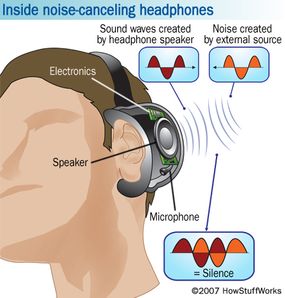
Active noise cancellation, or ANC, is a system that reduces unwanted sound by creating a second sound wave. This second wave is designed to oppose the first one.
To understand how do noise cancelling headphones work physics, picture two water waves moving toward each other. If their peaks and dips line up in opposite ways, they can partly cancel. Sound behaves in a similar way because it travels as a pressure wave through air.
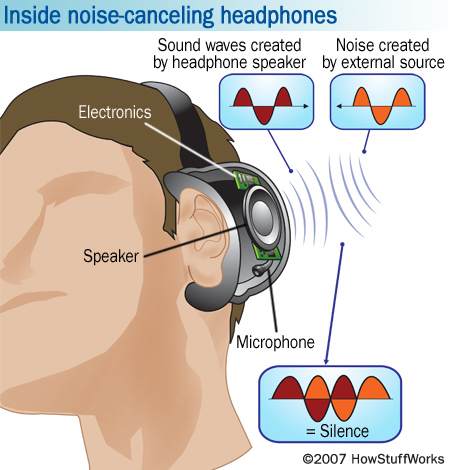
A headphone’s ANC system usually includes:
• One or more microphones to detect outside sound
• A digital signal processor to study that sound
• A speaker driver to produce the opposing signal
• A battery to power the microphones and electronics
• Ear cups or ear tips that provide passive sound isolation
The headphone does not remove sound from the entire room. Instead, it reduces sound in the small space near your eardrum. This is why ANC works best when the headphones fit well.
The Physics of Sound Waves
Sound is a mechanical wave. It begins when an object vibrates and pushes nearby air molecules back and forth. Those changes in air pressure then travel outward until they reach your ears.
A sound wave has several key properties:
• Amplitude: The size of the pressure change, linked to perceived loudness
• Frequency: The number of wave cycles per second, measured in hertz
• Wavelength: The distance between matching points on two wave cycles
• Phase: The position of a wave within its cycle
Low-frequency sounds, such as an airplane engine, have long wavelengths and slow pressure changes. High-frequency sounds, such as speech consonants or a clinking glass, have short wavelengths and change very quickly.
This difference matters because ANC electronics need time to detect sound, process it, and produce an opposite wave. Long, steady waves are easier to predict and cancel than fast, changing sounds.
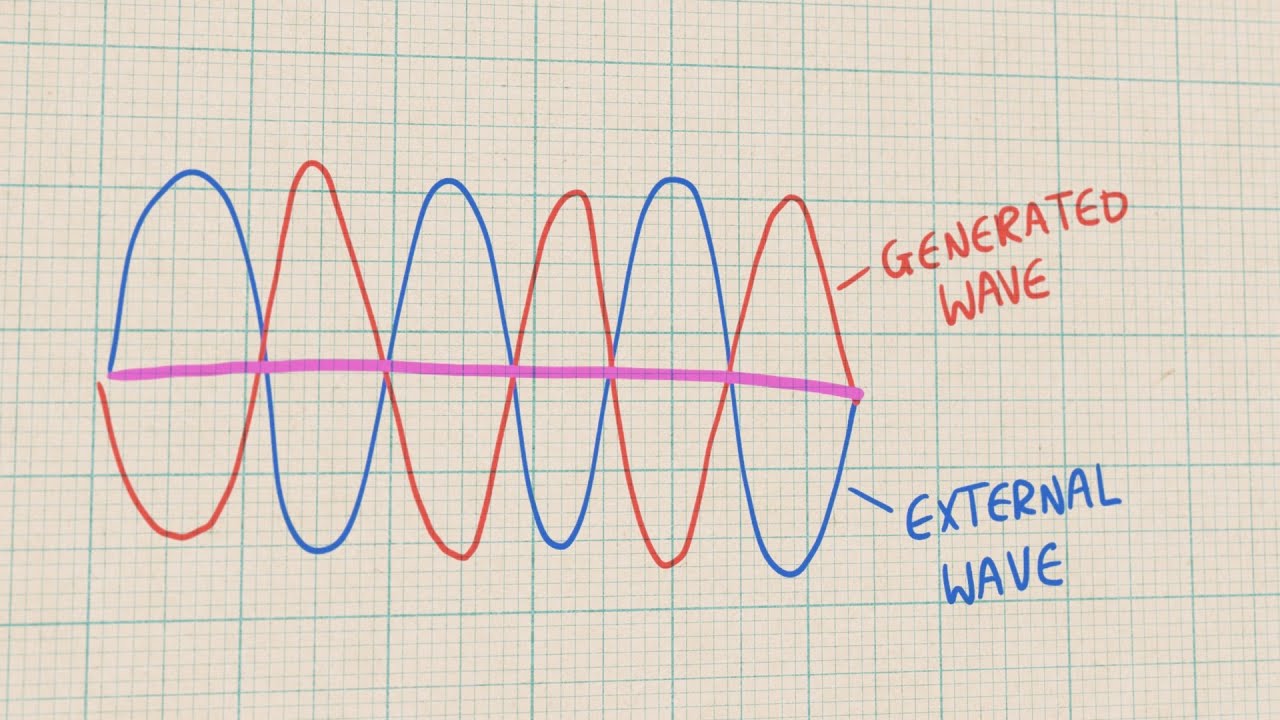
Destructive Interference
When two waves meet, they combine. This process is called superposition.
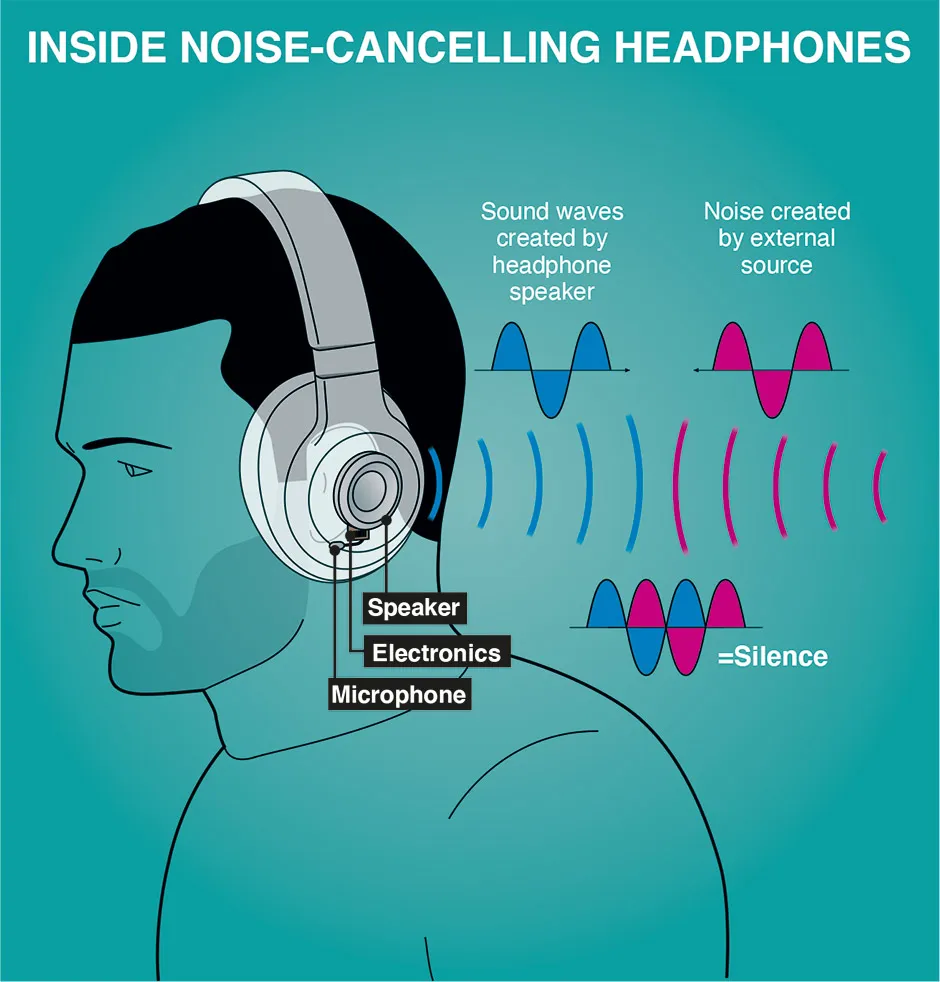
If the waves are in phase, their pressure changes add together. The result is louder sound. If they are 180 degrees out of phase, the pressure changes oppose each other. The result is reduced sound, known as destructive interference.
In a simplified form, if an unwanted sound is represented as:
x(t) = A sin(2πft)
The headphone tries to create a signal close to:
−x(t) = A sin(2πft + π)
When both signals reach the ear at nearly the same time, their combined pressure becomes smaller.
Real life is more complex. The opposing signal must match the unwanted sound in amplitude, frequency, timing, and location. Even a small error can reduce cancellation quality.
How Do Noise Cancelling Headphones Work Physics?
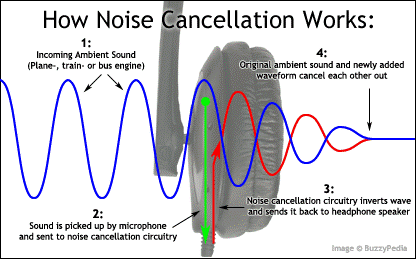
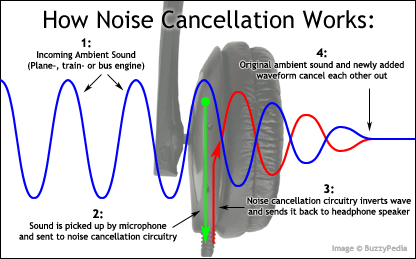
The physics of noise cancelling headphones depends on a short feedback loop. The headphones first sense sound, then calculate a response, and finally play the response through their drivers.
Here is the basic process:
- External sound reaches the headphone microphones.
- The microphones turn air pressure changes into an electrical signal.
- A digital signal processor analyzes the signal.
- The processor creates an inverse signal.
- The headphone speaker plays that signal.
- The outside sound and inverse signal meet near your ear.
- Their combined energy is reduced.
This process can happen thousands of times per second. The system must react quickly because sound keeps changing as it travels.
A useful way to think about ANC is as a smart echo system. Instead of waiting for sound to bounce back, the headphones predict the unwanted wave and send an opposing wave before the noise fully reaches your ear.
Why Timing Matters
The inverse wave must arrive at the right moment. If it arrives too early or too late, the waves may only partly cancel. In some cases, poor timing can even make certain sounds seem louder.
This is why the shape of the ear cup, the position of the microphones, the driver response, and the fit all affect ANC performance. The headphones are not canceling sound in a perfect laboratory. They are trying to control sound inside a changing space around your ears.
The Main Types of Noise Cancellation
Manufacturers use several ANC designs. Each design places microphones in a different location and uses a different control method.
Feedforward ANC
Feedforward ANC uses microphones on the outside of the ear cups. These microphones hear external noise before it reaches your ears.
The processor then creates an inverse signal based on that outside sound. This design can respond well to environmental noise, but it may be sensitive to wind and microphone placement.
Feedback ANC
Feedback ANC places microphones inside the ear cups, closer to the user’s ears. These microphones measure the sound that remains inside the cup after cancellation.
The system can then adjust its output based on the actual result. This can improve accuracy, but feedback systems must be carefully tuned to avoid unwanted noise or instability.
Hybrid ANC
Hybrid ANC combines outside and inside microphones. It can monitor the environment and the sound near the ear at the same time.
Many high-end headphones use this approach because it offers better control across a wider range of conditions. However, more microphones and processing can increase cost, power use, and design complexity.
Adaptive ANC
Adaptive ANC changes its behavior as the environment changes. For example, it may respond differently on a bus, in an office, or on an airplane.
Some systems also use motion sensors, speech detection, and wind detection. These features help the headphones avoid canceling useful sounds, such as a conversation or an important announcement.

Why ANC Works Best on Low-Frequency Noise
Noise cancelling headphones are most effective against steady, low-frequency sounds. Common examples include:
• Airplane engine rumble
• Bus and subway vibration
• Air conditioner hum
• Office ventilation
• Car engine noise
• Background machine noise
These sounds often have fairly predictable wave patterns. The ANC processor can study them and produce a close inverse signal.
High-frequency sounds are harder to cancel. A short, sharp sound can begin and end before the system has enough time to react. Speech is also complex because it contains many frequencies that change rapidly.
Passive isolation helps with these higher sounds. The ear cups or ear tips physically reduce the amount of sound that enters your ears. This is why the best headphones combine active noise cancellation with a proper seal.
Active Noise Cancellation vs. Passive Noise Isolation
Passive noise isolation does not use electronic cancellation. It relies on physical materials and fit.
Examples include:
• Dense ear cup padding
• Closed-back headphone shells
• Silicone ear tips
• Foam ear tips
• A tight seal around the ear
Active noise cancellation creates an opposing wave. Passive isolation acts more like a wall or cushion that blocks sound before it reaches your ear.
The two methods work together. ANC usually handles low-frequency rumble, while passive isolation reduces higher-frequency sound. If the ear cups leak air, ANC performance may drop because the system cannot control the sound field as well.
A poor fit can also let outside noise enter around the ear. In-ear models often perform well when the ear tips seal the canal, while over-ear models may feel more comfortable for long travel sessions.
Why Noise Cancellation Does Not Create Complete Silence
A common misunderstanding about how do noise cancelling headphones work physics is that ANC should make every sound disappear. That is not how the system works.
ANC reduces sound pressure at a target location, usually near the ear canal. It does not erase sound energy from the room. People nearby can still hear the noise, and you may still hear sounds that change too quickly for the system to cancel.
You may notice limits with:
• Human voices
• Clapping
• Dogs barking
• Sudden knocks
• Keyboard clicks
• Wind bursts
• High-pitched alarms
• Poorly sealed ear cups
Some headphones may also produce a faint hiss when ANC is active. This comes from the microphones, amplifier, and signal-processing system. It may be more noticeable in a quiet room than during travel.
ANC can also affect the way music sounds. Some models slightly change bass response or create a feeling of ear pressure. That pressure is not usually a real increase in air pressure inside the ear. It often comes from the brain noticing that low-frequency sound has changed.

What Causes the “Pressure” Feeling?
Many people describe active noise cancellation as creating pressure in their ears. The sensation is real, but ANC does not normally push air against the eardrum like a pressure chamber.
The feeling may come from a sudden reduction in low-frequency sound. Your brain is used to hearing and feeling background vibrations. When ANC removes much of that rumble, the change can feel unusual.
A tight ear cup can also create a physical sensation around the outer ear. In-ear headphones may create a stronger feeling because they seal the ear canal.
If ANC causes pain, dizziness, or lasting discomfort, stop using it and check the fit. Persistent ear symptoms deserve advice from a qualified medical professional.
How Microphones and Digital Signal Processing Work Together
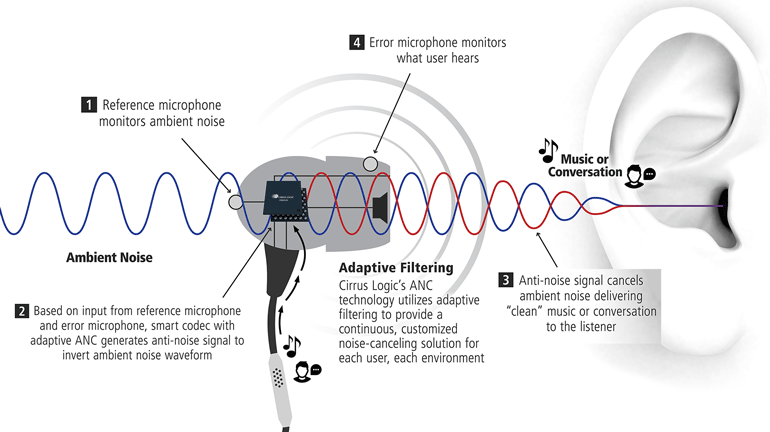
The microphone is the system’s sensor. It detects changes in air pressure and converts them into an electrical signal.
The digital signal processor, or DSP, acts as the control center. It filters the microphone signal, estimates the unwanted noise, and calculates the output needed from the speaker driver.
The DSP must account for several delays:
• Microphone response time
• Analog-to-digital conversion
• Software processing
• Digital-to-analog conversion
• Speaker movement
• Sound travel inside the ear cup
Good ANC design predicts some of these effects. It does not only copy the microphone signal and flip it upside down. It adjusts the signal so the final wave near the eardrum is as opposite as possible.
This is one reason why two headphones with similar microphones can have very different noise cancellation. The algorithm, driver, ear cup shape, and tuning all matter.
The Role of Fit, Seal, and Ear Shape
The physics of noise cancelling headphones changes from person to person. Each listener has a different ear shape, head size, hair pattern, and glasses frame.
Over-ear headphones need a seal around the ear. Glasses can create small gaps that allow sound to leak in. Thick hair can have a similar effect.
In-ear headphones need ear tips that fit the ear canal. A tip that is too small may leak bass. A tip that is too large may feel painful and still fail to seal evenly.
For better results:
- Try different ear tip sizes.
- Position over-ear cups so they fully surround your ears.
- Check the seal when wearing glasses.
- Keep microphone openings clear.
- Test ANC while moving your head.
- Compare the sound with ANC on and off.
In practical listening tests, fit often makes a bigger difference than small changes in advertised specifications. A midrange headphone with a strong seal can outperform a premium model that does not fit well.
Benefits of Noise Cancelling Headphones
When used correctly, ANC headphones offer several practical benefits.
Better Travel Comfort
Reducing engine rumble can make flights, train rides, and bus trips feel less tiring. You may also listen to music or podcasts at a lower volume.
Improved Focus
ANC can reduce repetitive background noise in offices, libraries, and shared homes. Lower background sound may make it easier to focus, although it cannot guarantee better productivity.
Clearer Listening
With less low-frequency noise competing with music, spoken audio may seem clearer. This can help during podcasts, video calls, and audiobooks.
Lower Listening Volume
A noisy environment often encourages people to turn up their headphones. Reducing the background noise may help you use a more comfortable volume.
However, ANC is not a substitute for safe listening habits. The volume level and listening time still matter.
Limitations and Safety Concerns
Noise cancelling headphones have limits that are important to understand.
First, ANC does not protect against every dangerous sound. It may reduce some low-frequency noise, but it should not replace certified hearing protection in industrial, construction, or shooting environments.
Second, ANC can reduce awareness of traffic, bicycles, alarms, announcements, and people nearby. Use transparency mode or turn ANC off when environmental awareness matters.
Third, louder music can still damage hearing. The World Health Organization advises keeping personal listening levels moderate and taking regular breaks. A simple rule is to use the lowest volume that lets you hear clearly.
Also consider battery life. Most ANC systems need power, so noise cancellation may stop when the battery runs out. Passive isolation may still work, but the headphones can sound different.
How to Test Noise Cancellation Properly
Marketing claims do not tell the whole story. You can perform a simple real-world test at home or during travel.
- Choose a steady sound, such as a fan or air conditioner.
- Listen with ANC off.
- Turn ANC on without playing music.
- Notice which frequencies become quieter.
- Repeat the test with music or spoken audio.
- Check comfort after at least 20 minutes.
- Test the headphones while walking and turning your head.
Do not judge ANC only by how silent a quiet room feels. A good model should reduce real background noise without adding too much hiss or changing music in an unpleasant way.
Independent laboratory tests can measure noise reduction across different frequencies. Look for tests that show performance by frequency rather than one broad claim such as “up to” a certain number of decibels.
Common Mistakes to Avoid
Several mistakes can reduce the benefit of active noise cancellation.
• Choosing the wrong ear tip size
• Covering or blocking the external microphones
• Expecting ANC to remove nearby speech
• Using ANC as industrial hearing protection
• Listening at high volume because the sound feels clearer
• Ignoring discomfort or ear pain
• Judging performance in only one environment
• Buying based only on a decibel number
A decibel rating can be useful, but it does not describe every listening condition. Noise reduction varies by frequency, fit, wind, movement, and headphone design.
One practical lesson is to compare headphones with the same song and the same volume. Otherwise, a change in loudness may trick you into thinking one model has better ANC.
Frequently Asked Questions About How Do Noise Cancelling Headphones Work Physics
Do noise cancelling headphones block all sound?
No. ANC reduces selected sounds, especially steady low-frequency noise. Ear cup design and ear tip fit provide additional passive isolation, but sudden and high-frequency sounds may remain audible.
Is noise cancellation bad for your ears?
ANC itself is not generally harmful when the headphones are used at a comfortable volume. The main risk comes from playing audio too loudly or using headphones for long periods without breaks.
How do noise cancelling headphones cancel airplane noise?
Their microphones detect the steady engine rumble, and the processor creates an opposing wave through the headphone drivers. The long, predictable pattern of airplane noise makes it easier to reduce than speech or sudden sounds.
Can noise cancelling headphones cancel voices?
They may reduce some parts of speech, but voices are complex and change quickly. Passive isolation and a good seal often help more with voices than ANC alone.
Do noise cancelling headphones use more battery?
Yes. Microphones, signal processing, and the ANC amplifier require power. Battery life varies by model, and ANC usually stops when the battery is empty.
Why does noise cancellation sometimes make a hissing sound?
The hiss usually comes from the headphone’s microphones, amplifier, or electronic processing. It is easier to hear when no music is playing and the room is already quiet.
What is the difference between ANC and transparency mode?
ANC reduces outside sound by producing an opposing signal. Transparency mode uses microphones to bring outside sounds into the headphones so you can stay more aware of your surroundings.
Conclusion
The physics behind noise cancelling headphones combines sound-wave interference, microphones, digital processing, and speaker control. The headphones listen to unwanted noise and create an inverse wave that reduces sound pressure near your ears.
ANC works best with steady, low-frequency sounds such as engine rumble and air conditioner noise. Fit, seal, passive isolation, battery power, and safe volume levels are just as important as the electronic system.
When choosing a pair, test comfort and real-world performance instead of trusting one headline number. Try different ear tips, use transparency mode near traffic, and keep the volume moderate. Explore more audio guides, compare measured performance, and share your own noise-canceling experience.

Everett Ashford is a tech reviewer at mytechgrid.com specializing in SSDs, cameras, TVs, earbuds, headphones, and other consumer electronics. He provides honest, data-driven reviews based on hands-on testing and real-world performance analysis. Everett simplifies complex tech details to help readers make smart, confident buying decisions.