Noise cancellation in earbuds uses microphones and sound waves to reduce unwanted noise before it reaches your ears.
Understanding how does noise cancellation work in earbuds can make it easier to choose the right pair and use it well. Active noise cancellation is not magic, and it does not simply “block” every sound. It uses microphones, a small computer chip, and carefully timed sound waves to lower steady background noise. This guide explains the science, benefits, limits, and practical tips in simple terms.
What Is Noise Cancellation in Earbuds?
Noise cancellation is a method that reduces unwanted sound. Earbuds use two main methods:
• Passive noise isolation uses the ear tip as a physical barrier.
• Active noise cancellation, or ANC, uses electronics to reduce sound.
Passive isolation works much like closing a window. A tight silicone or foam ear tip helps keep outside noise from entering the ear canal. It can reduce voices, high-pitched sounds, and sudden noise, depending on the fit.
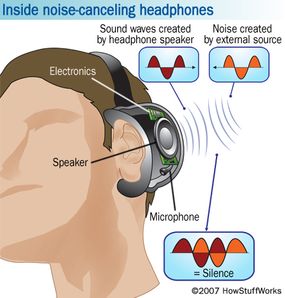
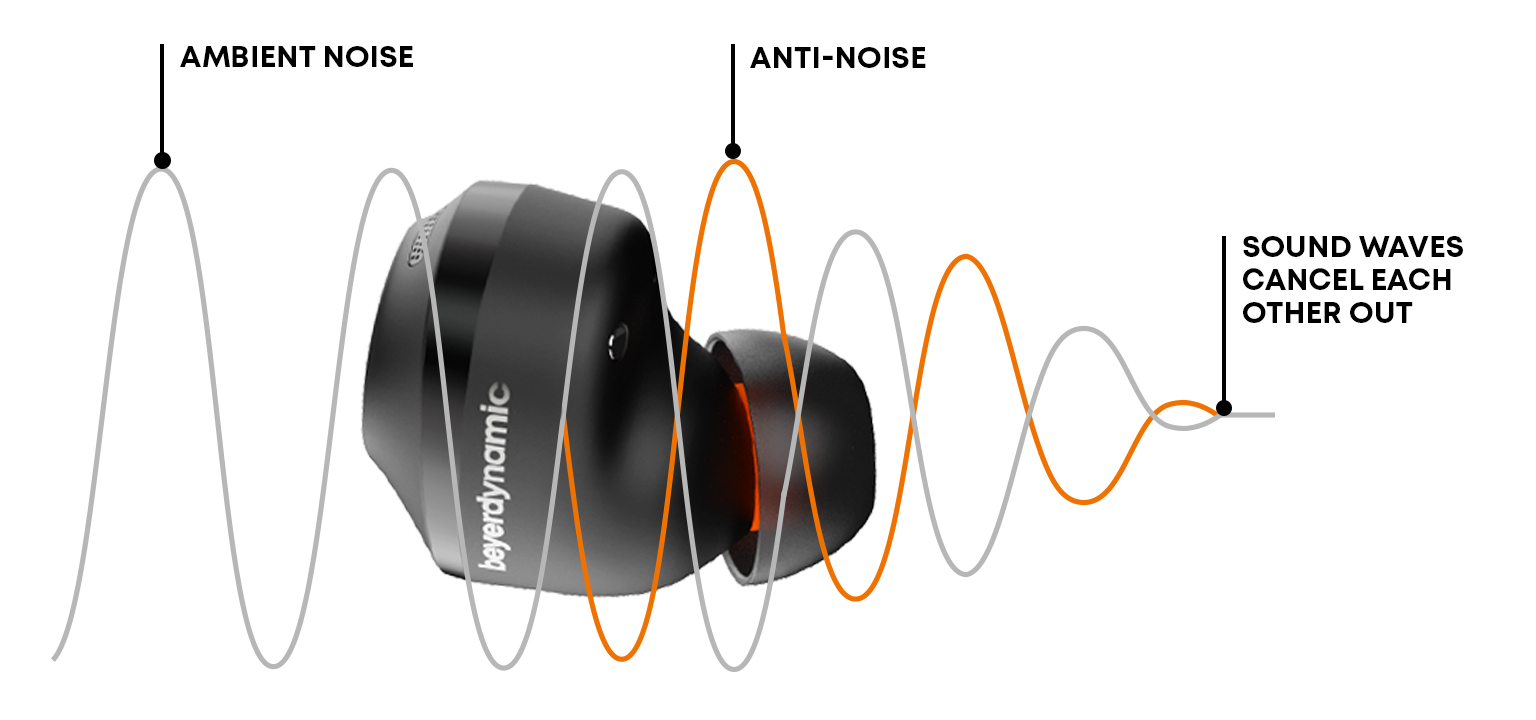
Active noise cancellation works more like creating a sound shield. The earbuds listen to outside noise, study its pattern, and produce an opposite sound wave. The two waves meet, which lowers the sound you hear.
This is why the answer to how does noise cancellation work in earbuds involves both hardware and software. The ear tips provide the first layer, while microphones and digital signal processing provide the second.

How Does Noise Cancellation Work in Earbuds?
The basic process happens in a few fast steps. It takes place many times each second.
- Microphones pick up outside sound.
- A digital signal processor analyzes the sound.
- The earbuds create an opposite sound wave.
- The opposite wave reaches your ear along with the unwanted noise.
- The two waves partly cancel each other.
Sound moves through the air as pressure changes. Think of these changes as waves moving toward your ear. When two waves meet, they can strengthen each other or reduce each other.
Noise-canceling earbuds create a wave with a similar shape but an opposite phase. If the outside sound pushes air pressure up at one moment, the new wave tries to push it down. This process is called destructive interference.
The cancellation is not perfect. The earbuds cannot predict every sound with complete accuracy. They also need time to detect noise, process it, and produce the opposite signal. Modern chips make this delay very small, but the result still depends on the sound, the earbud design, and the fit.
A simple example is an airplane cabin. The engine creates a steady, low rumble. Because that rumble changes slowly, the earbuds can analyze it and produce an effective opposite wave. A sudden shout is harder to cancel because it changes too quickly.
The role of the microphones
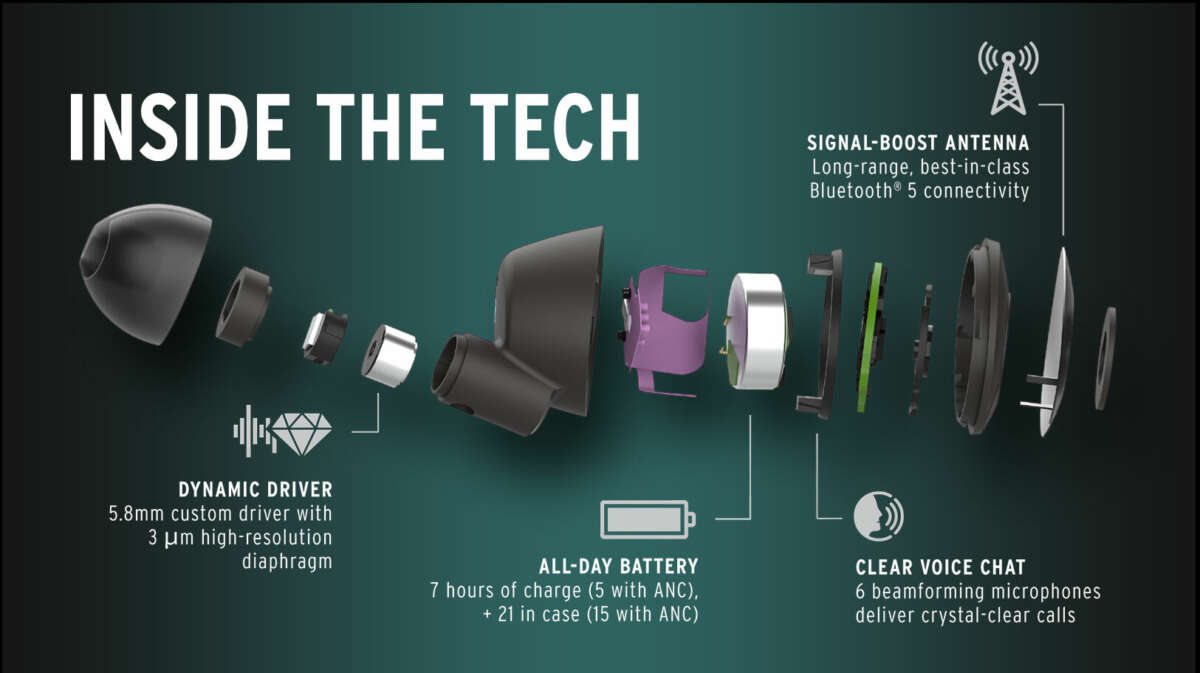
Most ANC earbuds use external microphones, internal microphones, or both.
• External microphones listen to sound outside the earbud.
• Internal microphones listen inside the ear canal.
• Hybrid systems use both types to improve accuracy.
The microphones do not record sound for minutes and then react. They capture tiny samples in real time. The processor analyzes these samples almost instantly.
The role of the processor
The digital signal processor is the brain of the system. It measures the noise and calculates the signal needed to reduce it.
The processor must consider several details:
• The loudness of the outside noise
• The frequency of the noise
• The shape of the earbud
• The seal created by the ear tip
• The position of the earbud inside the ear
This explains why two people can use the same earbuds and get different results. Ear shape and fit affect the sound that reaches the inner microphone.

Types of Active Noise Cancellation
Not all active noise cancellation systems work in the same way. The main designs are feedforward, feedback, and hybrid ANC.
Feedforward ANC
Feedforward ANC uses microphones on the outside of the earbuds. These microphones detect noise before it reaches the ear.
This design can respond quickly to outside sounds. It is also useful for handling noise that comes from different directions. However, the external microphone may pick up wind, which can create a rough or rushing sound.
Feedforward systems can also be affected by the way you wear the earbuds. A small change in position may alter how the microphones hear the environment.
Feedback ANC
Feedback ANC uses a microphone inside the earbud. It measures the sound that remains inside the ear canal after the ear tip and ANC system have done their work.
This design can correct the final result more directly. It may also adjust for differences in fit. However, the system must be carefully tuned to prevent unwanted feedback or changes in music quality.
Hybrid ANC
Hybrid ANC combines external and internal microphones. It can detect noise outside the earbud and check the sound inside the ear canal.
Hybrid systems often provide stronger and more flexible noise reduction. They may also support better transparency modes, which let outside sound pass through when needed. The tradeoff is greater cost, power use, and design complexity.
When asking how does noise cancellation work in earbuds, it helps to know which microphone system the earbuds use. The type of ANC does not tell the whole story, but it gives you a useful starting point.
What Sounds Can ANC Earbuds Cancel?
Active noise cancellation works best with steady, low-frequency sounds. These sounds have patterns that the earbuds can study and oppose.
ANC usually performs well against:
• Airplane engine noise
• Bus and train rumble
• Air conditioner hum
• Office ventilation systems
• Computer fan noise
• Road noise during a car ride
These sounds often continue for long periods. That gives the processor enough information to create a close match.
ANC is less effective against sudden or high-pitched sounds. Examples include:
• Clapping
• A dog barking nearby
• A child shouting
• Keyboard clicks
• Dishes hitting a counter
• A door slamming
The earbuds may reduce some of these sounds, but they cannot remove them fully. Passive isolation may help more with sharp sounds because the ear tip physically blocks part of the sound.
This is one of the most important facts about how does noise cancellation work in earbuds. ANC reduces sound; it does not create total silence.
Why voices can still be heard
Human speech includes many frequencies and changes quickly. Some earbuds reduce voices, but many do not remove them completely.
Speech can also enter through gaps around the ear tip. If the fit is loose, the microphones may create the correct opposite wave, but outside sound can still leak into the ear canal.
For this reason, the best results often come from a combination of good ear tips and effective ANC processing.

Active Noise Cancellation Compared With Passive Isolation
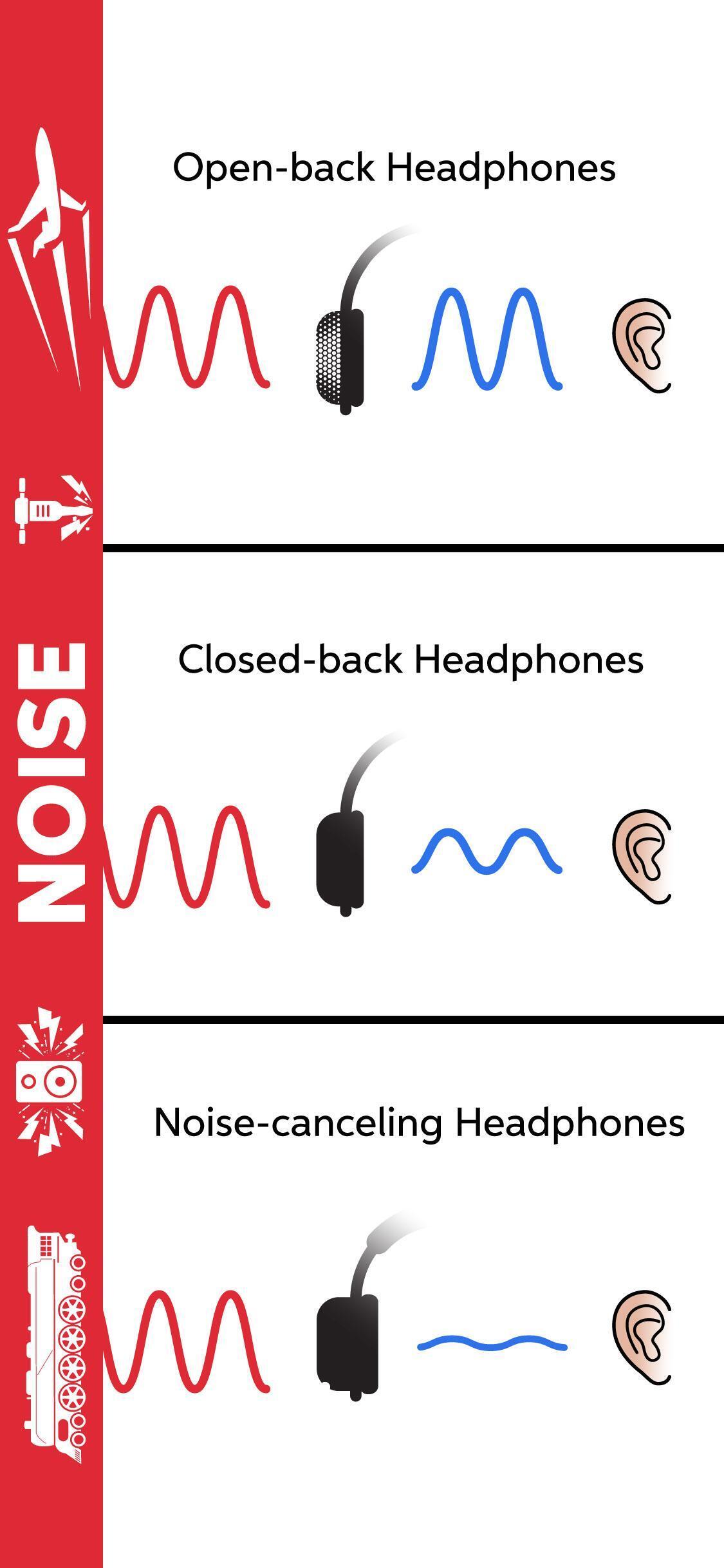
Passive noise isolation does not need batteries or software. It depends on the earbud shape and the material of the ear tip.
Foam tips often provide strong isolation because they expand inside the ear canal. Silicone tips may feel more comfortable and are easier to clean. The best option depends on your ear shape and personal comfort.
Active noise cancellation adds electronic processing to that physical barrier. It can reduce low-frequency noise that passive isolation may not block well.
Here is a simple comparison:
| Feature | Passive isolation | Active noise cancellation |
|---|---|---|
| Main method | Physical ear seal | Opposite sound wave |
| Needs power | No | Yes |
| Best for | Higher sounds and sound leakage | Low, steady sounds |
| Works with sudden noise | Often better | Usually limited |
| Depends on fit | Yes | Yes |
| Can create silence | No | No |
The strongest earbuds use both methods. This combined approach is often called hybrid noise reduction, although “hybrid” can also describe a specific microphone design.
A common mistake is to buy expensive ANC earbuds and ignore the ear tips. If the seal is poor, the system has less control over what reaches your ear. Testing different tip sizes can improve performance more than changing a setting.

What Is Transparency Mode?
Transparency mode uses the microphones to bring outside sound into the earbuds. The earbuds then mix that sound with your music or podcast.
This mode is useful when you need awareness. You can hear a train announcement, talk to a coworker, or listen for traffic without removing the earbuds.
Transparency mode is not the same as simply turning ANC off. Some earbuds continue to shape the outside sound. They may raise voices, lower harsh noise, or make the environment sound more natural.
Good transparency mode should sound clear and balanced. Poor transparency mode may sound metallic, delayed, or unnatural.
Safety still matters. Even with transparency mode enabled, loud music can make it harder to notice danger. Keep the volume low when walking, cycling, or crossing roads.
Does Noise Cancellation Affect Sound Quality?
ANC can affect the way music sounds. The effect depends on the earbud design, processor, microphones, and software tuning.
Some earbuds adjust the equalizer when ANC turns on. This may change bass, vocals, or overall balance. Well-designed earbuds keep the difference small, but less refined models may sound thin or overly processed.
You may also hear a faint hiss when no music is playing. This sound comes from the microphones, amplifier, and digital processing. It is often easier to notice in a quiet room.
Wind noise is another common issue. Strong wind can hit the outside microphones and overwhelm the ANC system. Some earbuds use wind reduction software, microphone covers, or automatic ANC changes to handle it.
If music sounds strange, try these steps:
- Check that both earbuds have a firm seal.
- Clean the microphone openings.
- Try another ear tip size.
- Update the earbud firmware.
- Compare ANC, transparency, and off modes.
- Turn off special sound effects if the app includes them.
Knowing how does noise cancellation work in earbuds helps you separate a real hardware issue from a normal effect of digital processing.
Does ANC Use More Battery?
Yes. Active noise cancellation uses more battery because the microphones and processor must run continuously.
The exact battery difference depends on the model. Some earbuds lose only a small amount of playback time, while others use much more power when ANC and high-quality audio modes work together.
Battery life can also change when you use:
• High listening volume
• Spatial audio
• Voice assistants
• Phone calls
• Strong Bluetooth codecs
• Automatic mode switching
If you need maximum battery life, turn off ANC when you are in a quiet place. Many earbuds let you switch between ANC, transparency, and normal modes from the touch controls or mobile app.
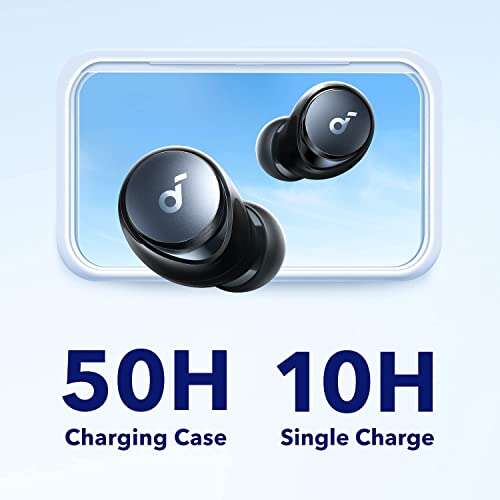
A charging case makes daily use easier, but its capacity also varies. Check total battery life and single-charge battery life separately. Total battery life includes the extra charges stored in the case.

Are Noise-Canceling Earbuds Safe?
Noise-canceling earbuds are generally safe when used at a moderate volume. ANC itself does not automatically damage hearing.
The main risk is loud sound over long periods. The World Health Organization advises keeping personal listening levels safe and taking regular breaks. A useful habit is to keep the volume low enough that you can still notice important sounds when transparency mode is active.
Some users feel pressure or discomfort when ANC is turned on. This is not usually a real change in air pressure. It may come from the brain noticing a change in low-frequency sound, or from the earbud fit.
If ANC feels uncomfortable, try:
• Switching to a lower ANC level
• Using transparency mode
• Trying different ear tips
• Taking regular breaks
• Using over-ear headphones instead
Stop using the earbuds and seek medical advice if you have lasting pain, ringing, dizziness, or hearing changes. Earbuds should feel secure, not painful.
Common Problems With Noise Cancellation
Even good noise-canceling earbuds can perform poorly in certain conditions. Most problems have a practical cause.
Poor ear tip fit
A loose seal allows outside noise to enter. Try a larger or smaller tip, and run the fit test in the earbud app if one is available.
Blocked microphones
Dust, earwax, or skin oils can cover microphone openings. Clean the earbuds with a dry, soft brush. Do not push dirt into the holes or use excess liquid.
Wind noise
Wind can strike external microphones and create rumbling or pumping sounds. Move behind a barrier, use a wind reduction mode, or lower the ANC level outdoors.
Weak software tuning
Firmware updates can improve ANC performance, connection stability, and transparency mode. Install updates from the official app, but avoid unofficial software.
Uneven performance
If one earbud cancels more noise than the other, check the fit and clean both units. A damaged microphone, blocked vent, or different ear shape may also cause the problem.
In practical testing, fit is often the first thing worth checking. People sometimes assume the ANC chip is weak when the real issue is a small gap around one ear tip.
How to Get Better Noise Cancellation From Earbuds
You can improve ANC without buying new earbuds. Start with the physical fit, then adjust the software.
- Choose the right ear tip size for each ear.
- Insert the earbuds fully but comfortably.
- Run the app’s ear fit or seal test.
- Clean the speaker mesh and microphone openings.
- Select the correct ANC level for your environment.
- Turn on adaptive ANC if it works well for your routine.
- Keep firmware and the companion app updated.
- Keep the volume moderate.
- Use transparency mode near traffic and in public places.
- Replace worn ear tips when the seal weakens.
Do not press earbuds too deeply into your ears. A good fit should create a seal without causing pain. If you need to push them in constantly, another tip size or earbud shape may work better.
For airplane travel, activate ANC before the engine noise becomes distracting. For a quiet office, a lower ANC setting may sound more natural and use less battery.
Adaptive and Personalized Noise Cancellation
Many modern earbuds offer adaptive ANC. This feature changes the strength of noise reduction based on the environment.
For example, the earbuds may use stronger ANC on a plane and lighter ANC in a quiet room. Some systems also react to wind, voices, movement, or changes in background noise.
Personalized ANC tries to account for your ear shape and hearing preferences. It may use a fit test or hearing profile to adjust sound. These features can improve comfort, but they are not medical hearing tests unless the manufacturer clearly says they are.
Adaptive systems can sometimes make noticeable changes during use. If the sound seems to pump or shift, try a fixed ANC setting. A stable mode may be better for focused listening.
The best setting is not always the strongest setting. Comfort, awareness, battery life, and sound quality all matter.
Noise Cancellation on Calls
Noise cancellation during calls is different from ANC for listening. During a call, the earbuds focus on making your voice clear to the other person.
Call noise reduction may use:
• Multiple microphones
• Voice detection
• Wind filtering
• Beamforming
• Artificial intelligence software
• Background noise suppression
The earbuds may reduce traffic or office noise picked up by the microphones. However, very loud or sudden sounds can still reach the person on the other end.
The microphone position matters. Speak at a normal level and keep the earbuds seated correctly. If the other person hears wind, move away from open areas or cover the microphone lightly without blocking it.
Do not confuse call noise reduction with ANC. ANC protects your listening experience, while call processing mainly improves the sound sent to another person.
Limitations You Should Know
Noise-canceling earbuds are useful, but they have clear limits.
• ANC cannot remove every sound.
• Sudden noise is harder to reduce than steady noise.
• Poor fit weakens both isolation and ANC.
• Wind can create microphone problems.
• Some users notice a light hiss or pressure feeling.
• ANC uses extra battery power.
• Strong isolation can reduce awareness of traffic and announcements.
• Cheap models may use aggressive processing that affects music quality.
• Earbuds cannot replace hearing protection in loud workplaces.
If you work around construction noise, firearms, aircraft, or industrial machinery, use certified hearing protection. Consumer earbuds are not a substitute for equipment designed to protect hearing.
This is also why product claims should be read carefully. A percentage reduction on a package may refer to a specific test frequency or laboratory condition. It does not mean every sound will be reduced by that amount.
How to Choose Noise-Canceling Earbuds
Look beyond the words “active noise cancellation.” A good buying decision considers the entire design.
Check these features:
• A comfortable shape for long use
• Several ear tip sizes
• Effective passive isolation
• Feedforward, feedback, or hybrid microphones
• Adjustable ANC levels
• A natural transparency mode
• Clear call performance
• Reliable battery life
• Simple controls
• Water and sweat resistance for your routine
• Firmware support from the manufacturer
Think about your main use. Commuters may value strong low-frequency ANC. Office workers may prefer excellent transparency mode. Travelers may want long battery life and comfortable ear tips.
Do not choose earbuds only by the highest claimed noise reduction number. Independent tests, careful fit, comfort, and reliable software often matter more in daily life.
How Does Noise Cancellation Work in Earbuds While You Sleep?
ANC earbuds can reduce steady sounds such as an air conditioner or distant traffic, but they are not ideal for everyone during sleep. Their size, pressure, battery life, and possible movement can cause discomfort.
Small sleep earbuds or soft earplugs may work better for overnight use. Avoid sleeping with loud audio, and never use earbuds that cause pain or irritation.
How Does Noise Cancellation Work in Earbuds Without Music?
ANC can work even when no music is playing. The microphones detect outside noise, and the processor creates the opposing signal.
You may still hear a faint hiss or some voices because the system cannot remove every frequency. The ear tips continue to provide passive isolation.
How Does Noise Cancellation Work in Earbuds on an Airplane?
Airplane engines create a steady, low-frequency rumble, which is the type of sound ANC handles well. The microphones detect the rumble, and the earbuds produce an opposing wave to reduce it.
A good seal is still important. ANC will not fully remove announcements, nearby conversations, or sudden cabin sounds.
Frequently Asked Questions About How Does Noise Cancellation Work in Earbuds
Does noise cancellation block all outside sound?
No. ANC mainly reduces steady, low-frequency sounds such as engine rumble and air conditioner noise. Ear tips help block other sounds, but voices and sudden noises may remain audible.
Is active noise cancellation better than passive noise isolation?
Neither method is best for every sound. ANC is stronger against steady low sounds, while passive isolation can help block higher sounds and sudden noise.
Can noise cancellation damage your ears?
ANC itself does not normally damage hearing. The main risk comes from listening at high volume for too long, so keep the volume moderate and take regular breaks.
Why does ANC feel like pressure in my ears?
The pressure sensation is usually caused by a change in low-frequency sound, not an actual increase in air pressure. Try a lower ANC setting, transparency mode, or a different ear tip.
Does ANC work when earbuds are not playing music?
Yes. The microphones and processor can reduce outside noise even when audio is paused. The earbuds still need battery power for the ANC system to operate.
Why is noise cancellation weaker in one ear?
Uneven fit, a blocked microphone, earwax, or a damaged earbud can cause different performance between ears. Clean both earbuds, try new tip sizes, and check the app settings.
Is it safe to use ANC while walking outside?
It can reduce awareness of traffic, cyclists, and other hazards. Use transparency mode, keep the volume low, and stay alert in busy areas.
Conclusion
Noise cancellation in earbuds combines passive ear-tip isolation with microphones, digital processing, and opposite sound waves. It works best against steady low-frequency noise, while fit, wind, sudden sounds, and voices remain important limits.
The best results come from choosing the right ear tips, keeping the microphones clean, using the correct listening mode, and protecting your awareness outdoors. Test ANC in the places where you actually listen, then choose the setting that gives you comfort, clear sound, and safe awareness. Share your experience or explore more audio guides to make your next earbud purchase with confidence.

Everett Ashford is a tech reviewer at mytechgrid.com specializing in SSDs, cameras, TVs, earbuds, headphones, and other consumer electronics. He provides honest, data-driven reviews based on hands-on testing and real-world performance analysis. Everett simplifies complex tech details to help readers make smart, confident buying decisions.