For most people, a 20–30 megapixel camera offers the best balance of detail, cost, and flexibility.
The right answer to how many megapixels should a digital camera have depends on what you shoot, how you share photos, and how much you crop. After comparing camera formats, print sizes, low-light results, and real-world file needs, one lesson stands out: more megapixels help, but they are not the whole picture.
How many megapixels should a digital camera have?
For most photographers, a digital camera with 20 to 30 megapixels is more than enough. This range works well for travel, family photos, portraits, weddings, landscapes, and social media.
A 24-megapixel camera creates an image around 6,000 pixels wide by 4,000 pixels high. That gives you plenty of detail for:
• Large computer screens
• High-quality photo books
• Standard wall prints
• Cropping and reframing
• Online galleries and social media
• Everyday photography
If you mainly post photos online, even a 12 to 20 megapixel camera can deliver excellent results. Most websites and social apps reduce image size, so extra resolution often disappears during upload.
For professional landscape, studio, product, or commercial work, 36 to 60 megapixels may be useful. These cameras provide more room to crop and more detail for large prints. However, they also cost more and produce larger files.
The best answer to how many megapixels should a digital camera have is not the highest number you can afford. It is the number that fits your final use.
What does a megapixel mean?
A megapixel equals one million pixels. Pixels are the tiny points of color that make up a digital image.
A 24-megapixel camera records about 24 million pixels in one photo. More pixels can show finer detail, much like using a finer grid to draw a picture.
Still, megapixels do not measure the full quality of a camera. They only describe image resolution. A camera with 24 megapixels may produce better photos than one with 50 megapixels if it has:
• A larger image sensor
• Better lenses
• Stronger autofocus
• Cleaner image processing
• Better control of noise
• A wider dynamic range
Think of megapixels as the size of a canvas. A large canvas gives you space, but it does not guarantee a beautiful painting.
This is why the question “how many megapixels should a digital camera have?” needs more context. Resolution matters most after you consider the sensor, lens, light, and final image size.

How many megapixels do you need for different types of photography?
Your subject and workflow should guide your choice. The ideal resolution for a sports photographer may not suit a casual traveler.
Everyday photography
A camera with 16 to 24 megapixels is enough for family events, vacations, pets, and daily snapshots. You can print sharp 8 × 10-inch photos and make larger prints with good technique.
For phone sharing, 12 megapixels can be enough. The camera’s autofocus, color, and low-light performance may matter more.
Travel photography
Travel photographers often benefit from 20 to 30 megapixels. This range gives you detail without creating files that quickly fill your memory cards or hard drive.
A 24-megapixel camera also leaves room to crop a landmark or distant subject. That flexibility can help when you cannot move closer.
Portrait photography
Portrait photographers usually do well with 24 to 45 megapixels. Higher resolution can show hair, fabric, and skin detail.
However, too much detail can reveal every skin mark. Many portrait photographers soften or retouch skin, so extreme resolution is not always an advantage.
Wildlife and sports photography
Wildlife photographers may want 30 to 60 megapixels. Extra resolution helps when the subject is far away and the photographer needs to crop.
That said, lens quality, autofocus speed, shutter speed, and burst performance often matter more than resolution. A sharp 24-megapixel photo can beat a blurry 50-megapixel photo every time.
Landscape photography
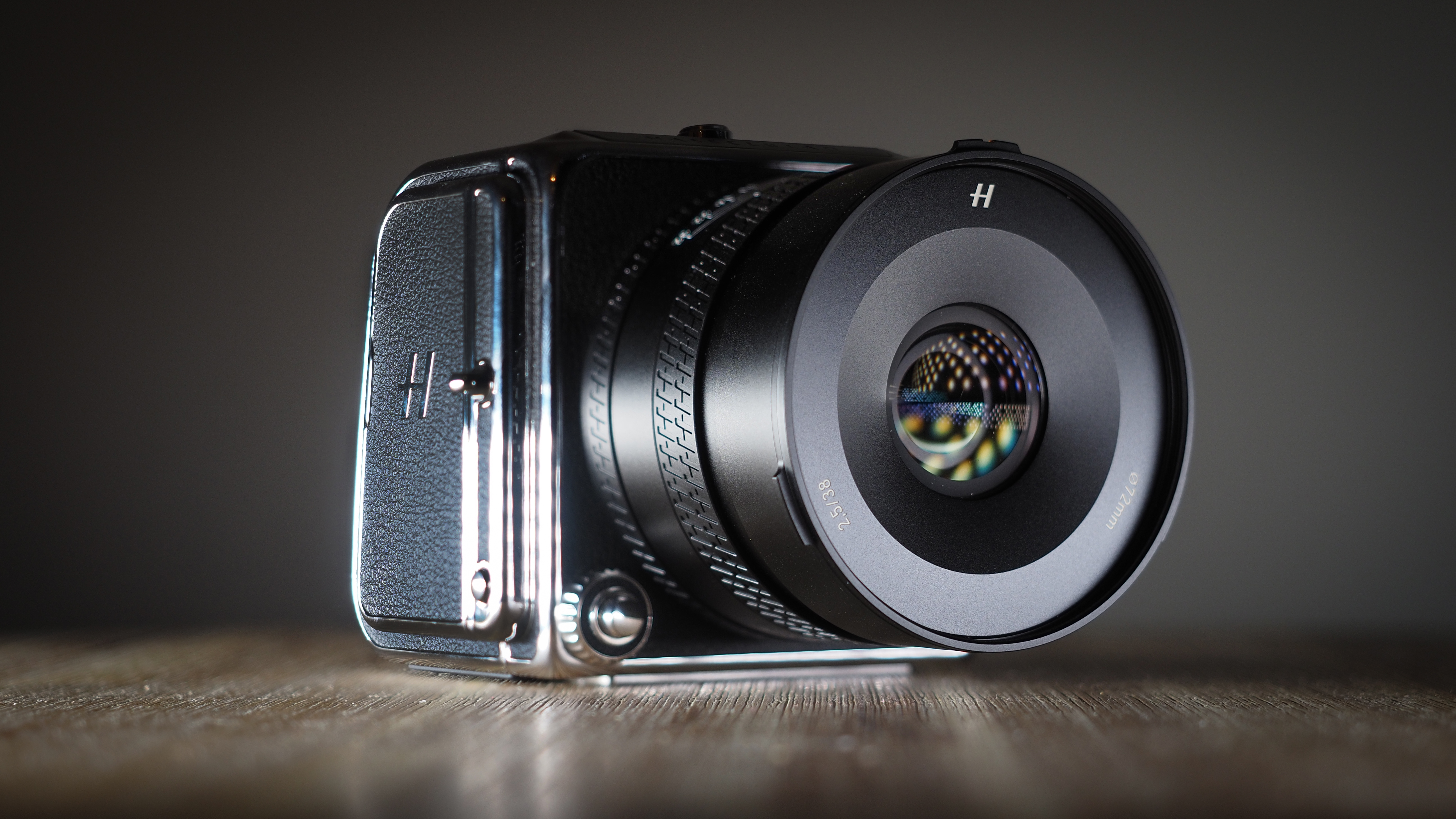
Landscape work can benefit from 36 to 100 megapixels, especially for large prints and detailed crops. Medium-format cameras often serve this market.
For most hikers and travel photographers, though, 24 to 36 megapixels offers a better balance. Lower weight and faster handling can make more difference than extreme resolution.
Commercial and studio photography
Product, fashion, architecture, and advertising photographers may need 45 megapixels or more. Clients may request images for billboards, packaging, catalogs, and large displays.
These photographers also tend to use controlled lighting, strong tripods, and high-quality lenses. Their complete system can take advantage of extra resolution.
Is more megapixel resolution always better?
No. More megapixels can improve detail, but they also create trade-offs.
A high-resolution camera often produces larger files. A single uncompressed raw file from a 60-megapixel camera may take far more storage than a file from a 24-megapixel model.
More resolution can also make camera shake easier to see. When an image contains very fine detail, even a small movement may reduce sharpness.
Other possible drawbacks include:
• Higher camera and lens costs
• Slower file transfers
• More storage needs
• Greater computer processing demands
• More visible lens flaws
• Increased diffraction at small apertures
• Larger backup requirements
This does not make high-resolution cameras bad. It means you should have a clear reason to choose one.
When deciding how many megapixels should a digital camera have, ask whether the extra detail improves your work. If you rarely crop, print small, or deliver images online, it may not.

Megapixels versus sensor size
Sensor size has a major effect on image quality. Common digital camera sensor formats include:
• Full frame, measuring about 36 × 24 millimeters
• APS-C, which is smaller than full frame
• Micro Four Thirds, smaller still
• Medium format, which is larger than full frame
• Smartphone sensors, which are usually much smaller
A larger sensor can collect more light. This may improve low-light quality, dynamic range, and background blur.
For example, a 24-megapixel full-frame camera may produce cleaner images at high ISO than a 24-megapixel phone. Both have the same pixel count, but the pixels and sensor systems are not the same.
Pixel size also matters. If two cameras have the same sensor size but different megapixel counts, the higher-resolution model may use smaller pixels. Smaller pixels can record more detail, but they may show more noise in poor light.
Modern cameras use advanced processing, so pixel size alone does not determine performance. Still, sensor size remains an important part of the answer to how many megapixels should a digital camera have.

How many megapixels are needed for printing?
The ideal resolution depends on print size and viewing distance. Printers often use a target of 300 pixels per inch, or PPI, for detailed prints.
Here are useful estimates:
• 4 × 6 inches: about 2 megapixels
• 8 × 10 inches: about 7 megapixels
• 11 × 14 inches: about 17 megapixels
• 16 × 20 inches: about 29 megapixels
• 20 × 30 inches: about 54 megapixels
These numbers describe an ideal 300 PPI file. In real life, a sharp 24-megapixel photo can create a strong 16 × 20-inch print. Large wall art is often viewed from several feet away, so it does not need the same pixel density as a small print held close.
The quality of the original photo also matters. Good focus, steady technique, correct exposure, and a sharp lens can matter more than having extra pixels.
If you plan to create gallery prints, ask the print lab about its recommended file size. Labs may use enlargement software that produces excellent results from a smaller original.
How many megapixels should a digital camera have for cropping?
Cropping removes pixels. A 24-megapixel image can lose much of its resolution if you cut away half or more of the frame.
For example, cropping a 24-megapixel photo to one quarter of its original area leaves about 6 megapixels. That may still work for a website, but it gives you less freedom for a large print.
Higher resolution helps when you:
• Photograph distant wildlife
• Shoot birds in flight
• Work with fixed prime lenses
• Need several image layouts
• Create vertical and horizontal versions
• Correct loose framing after the shot
Cropping cannot fix an image that is out of focus or badly blurred. Extra pixels preserve detail only when the lens and technique capture that detail in the first place.
In practical camera testing, one common mistake is buying a high-resolution body while using a weak lens. A good lens and careful technique often create a larger improvement than moving from 24 to 45 megapixels.
How megapixels affect low-light photography
Megapixels and low-light performance have a complex relationship. A high-resolution camera may show more noise at the pixel level because each pixel is smaller.
However, when you resize both a high-resolution and a lower-resolution photo to the same output size, the difference may become much smaller. The high-resolution image may also allow noise reduction and downsampling to work well.
Low-light quality depends on several factors:
• Sensor design
• Lens aperture
• Shutter speed
• ISO setting
• Image stabilization
• Autofocus performance
• Noise reduction software
• How much you enlarge the image
A fast lens, such as an f/1.8 or f/2.8 lens, can help more than extra megapixels. Image stabilization can also make a major difference for still subjects.
For night scenes, concerts, and indoor events, do not choose a camera based on megapixels alone. Look at real sample images taken at the ISO settings you expect to use.
The role of lenses in image detail
A camera sensor can record only the detail that reaches it. A poor lens, dirty glass, missed focus, or motion blur can reduce detail before the pixels have a chance to help.
When choosing a camera system, budget for good lenses. A sharp 24-megapixel camera with a quality lens may outperform a 60-megapixel camera paired with a basic lens.
Lens choice also affects:
• Sharpness
• Contrast
• Background blur
• Distortion
• Flare control
• Autofocus speed
• Low-light ability
This is one of the most important lessons for anyone asking how many megapixels should a digital camera have. The camera body records the image, but the lens shapes much of what the sensor sees.
A tripod, fast shutter speed, and accurate focus are just as important. Resolution rewards good technique, but it cannot replace it.
Raw files, storage, and editing needs
Higher megapixel cameras create larger raw files. This affects your entire workflow.
You may need larger memory cards, faster storage, and more backup space. Editing software may also take longer to load and process high-resolution files.
Before buying, consider:
• How many photos you take each month
• Whether you shoot raw or JPEG
• Your computer’s memory and processor
• Your backup system
• Your cloud storage plan
• The cost of memory cards and hard drives
A 24-megapixel camera is often comfortable for most computers. A 60-megapixel camera can still work well, but you may need a newer computer and a more organized storage plan.
Never treat backup as optional. Keep at least two copies of important photos, with one copy stored away from your main computer.
How to choose the right megapixel count
Use this simple process before you buy.
-
Decide how you will use the photos. Online sharing needs less resolution than large commercial prints.
-
Think about how often you crop. Frequent cropping favors a higher megapixel count.
-
Check your lenses. A high-resolution body needs lenses that can resolve fine detail.
-
Consider your computer and storage. Make sure your workflow can handle large files.
-
Compare sensor performance. Check noise, dynamic range, and autofocus, not just pixel count.
-
Handle the camera if possible. Comfort and control can improve your photos more than a larger specification.
-
Set a realistic budget. Money spent on a better lens, tripod, or lighting may offer greater value.
For many buyers, the answer to how many megapixels should a digital camera have is between 20 and 30 megapixels. Choose more only when your work clearly benefits from it.
Common megapixel mistakes to avoid
Many camera buyers focus on the largest number on the box. That can lead to the wrong choice.
Avoid these mistakes:
• Assuming more megapixels always mean better photos
• Ignoring sensor size
• Buying an expensive body with weak lenses
• Forgetting storage and backup costs
• Believing resolution can fix motion blur
• Overlooking autofocus and stabilization
• Choosing a camera that feels uncomfortable
• Comparing phone and camera megapixels as if they are equal
A camera should fit your real habits. If a lighter 20-megapixel camera helps you take more photos, it may serve you better than a heavy 60-megapixel model that stays at home.
The best camera is not just the one with the strongest specification. It is the one you can use well and carry often.
Frequently Asked Questions About How Many Megapixels Should a Digital Camera Have
Is 24 megapixels enough for professional photography?
Yes, 24 megapixels is enough for many professional jobs, including weddings, portraits, events, journalism, and commercial web work. Higher resolution becomes more useful for large prints, heavy cropping, and detailed product or advertising images.
Is a 12-megapixel camera still good?
Yes, a 12-megapixel camera can produce excellent photos for social media, small prints, and everyday use. Image quality also depends on the sensor, lens, lighting, focus, and image processing.
Are 48 or 50 megapixels too much for beginners?
Not necessarily, but beginners may not need that much resolution. High-resolution cameras can be useful, yet they require more storage and may demand better lenses and steadier technique.
Does more megapixels mean better low-light photos?
No. Low-light results depend on sensor design, pixel size, lens aperture, stabilization, autofocus, and noise processing. A lower-resolution camera with a larger sensor and faster lens may perform better in dark conditions.
How many megapixels do I need for a 20 × 30-inch print?
About 54 megapixels can provide 300 pixels per inch at 20 × 30 inches. In practice, a sharp 24- to 36-megapixel image can still make a very good print when viewed from a normal distance.
Do megapixels matter for social media photos?
They matter less after the image is resized for social media. A camera with 12 to 24 megapixels is usually more than enough, while color, lighting, focus, and composition have a greater visible impact.
Conclusion
For most photographers, a 20- to 30-megapixel digital camera is the smart choice. It provides strong detail, useful cropping space, high-quality prints, and manageable file sizes.
Choose 36 megapixels or more if you regularly crop heavily, create large prints, or produce commercial images. If you mainly share photos online, prioritize sensor quality, autofocus, lenses, ease of use, and low-light performance over a larger pixel count.
The real answer to how many megapixels should a digital camera have is simple: choose enough resolution for your work, then invest in the skills and equipment that help you use it well. Compare cameras by their complete systems, test sample images, and choose the model you will enjoy carrying and using.

Everett Ashford is a tech reviewer at mytechgrid.com specializing in SSDs, cameras, TVs, earbuds, headphones, and other consumer electronics. He provides honest, data-driven reviews based on hands-on testing and real-world performance analysis. Everett simplifies complex tech details to help readers make smart, confident buying decisions.