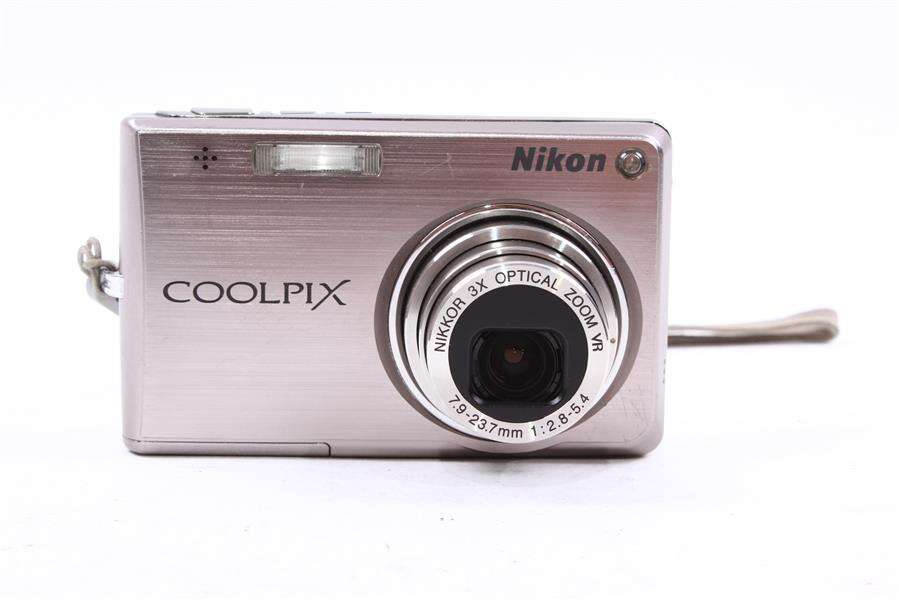
A digital camera is used to capture, store, edit, and share high-quality photos and videos.
Understanding what is a digital camera used for helps you choose the right tool for travel, work, family memories, art, or online content. Unlike a film camera, a digital camera records images on an electronic sensor and saves them as files. This guide explains how digital cameras work, what they can do, their strengths and limits, and how to use one well.
What Is a Digital Camera?
A digital camera is an electronic device that takes pictures and records video. It uses a light-sensitive image sensor instead of film. The sensor changes light into digital data, which the camera saves to a memory card or internal storage.
The main parts of a digital camera include:
• Image sensor: Captures light and forms the image.
• Lens: Focuses light onto the sensor.
• Shutter: Controls how long light reaches the sensor.
• Aperture: Controls the size of the lens opening.
• Processor: Converts sensor data into an image file.
• Memory card: Stores photos and videos.
• Display screen: Shows settings, previews, and captured images.
What is a digital camera used for in simple terms? It is used to turn real scenes into digital photos or videos that you can view, edit, print, and share.
Most digital cameras let you save files as JPEG, RAW, or video formats. JPEG files are small and ready to share. RAW files keep more image data, which gives you greater control during editing.

What Is a Digital Camera Used For?
What is a digital camera used for? It is used for much more than taking simple snapshots. Digital cameras support creative work, professional tasks, education, business, and daily record keeping.
Here are the most common uses.
Capturing Everyday Photos
People use digital cameras to photograph family events, pets, meals, vacations, and special moments. A camera can preserve memories with more detail and control than many basic phone cameras.
You can adjust the focus, brightness, color, and zoom. This helps when you photograph a child running across a park, a dark birthday party, or a distant mountain view.
Recording Video
Many digital cameras record high-definition or 4K video. Users rely on them for:
• Family films
• Travel videos
• Interviews
• Online courses
• YouTube content
• Short films
• Weddings and events
A dedicated camera may offer better lens choices, stronger audio connections, and longer recording control than a phone.
Creating Professional Photography
Photographers use digital cameras for portraits, weddings, sports, fashion, products, real estate, and news. Interchangeable-lens cameras give them control over depth of field, motion blur, perspective, and image quality.
For example, a portrait photographer can use a wide-aperture lens to keep a person sharp while softly blurring the background. A sports photographer can use a fast shutter speed to freeze a soccer player in motion.
Making Commercial and Product Images
Businesses use digital cameras to create images for websites, catalogs, advertisements, menus, and social media. Product photos can show texture, color, shape, and small details that help customers make informed choices.
A clean product image often builds more trust than a quick phone snapshot. This matters for online stores, restaurants, craftspeople, and local service providers.
Scanning Documents and Evidence
Some digital cameras are used to photograph documents, receipts, artwork, equipment, and physical evidence. A clear image can support record keeping, insurance claims, research, or legal work.
The camera must be placed straight and used with even light. Shadows, glare, and poor focus can make a document hard to read.
Supporting Education and Science
Teachers and students use digital cameras to record experiments, field trips, artwork, insects, plants, and demonstrations. Scientists may use specialized cameras to capture images through microscopes, telescopes, or medical equipment.
In these settings, the camera becomes a tool for observation. It helps people study details that may be missed in real time.
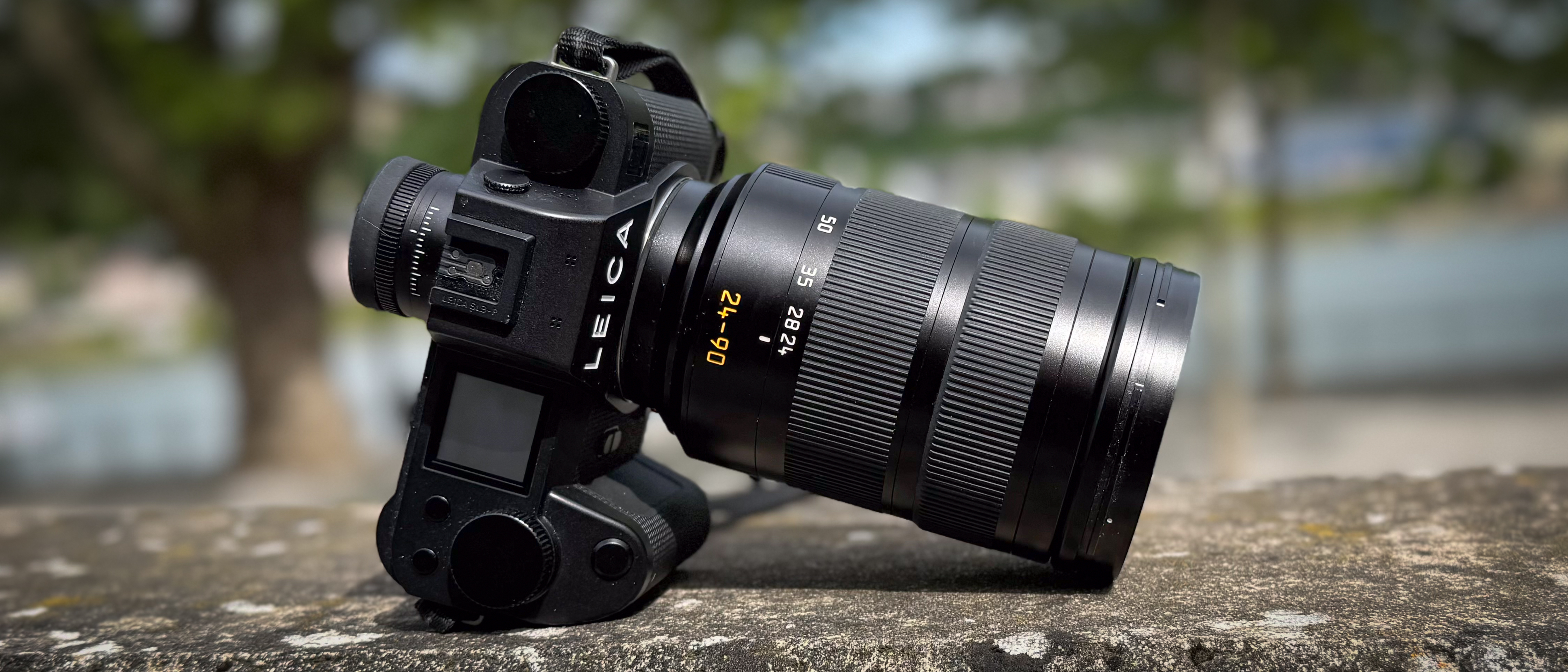
How Does a Digital Camera Work?
To understand what is a digital camera used for, it helps to know how it creates an image.
First, light enters through the lens. The lens directs that light toward the image sensor. The sensor contains millions of tiny light-sensitive elements called pixels.
The camera measures the light that reaches each pixel. Its processor then turns those measurements into color and brightness values. The result is a digital image made from many small points.
Three settings control much of the exposure:
• Aperture controls how much light enters through the lens.
• Shutter speed controls how long the sensor receives light.
• ISO controls the sensor’s sensitivity to light.
These settings are often called the exposure triangle. Changing one setting affects the others.
For example, a fast shutter speed can freeze movement, but it lets in less light. You may then need a wider aperture or a higher ISO. A high ISO can brighten a dark image, but it may also add digital noise.
Autofocus systems detect edges, contrast, or subject movement. Modern cameras may also recognize faces, eyes, animals, and vehicles. Image stabilization reduces blur caused by small hand movements.

Main Types of Digital Cameras
Different camera types serve different needs. The best choice depends on your budget, subject, skill level, and need for portability.