Most people should spend $30 to $150 on earbuds, based on features, fit, and daily use.
Knowing how much should i spend on earbuds can save you from two common mistakes: buying a weak pair that needs replacing soon or paying for features you will never use. The right budget depends on your phone, listening habits, comfort needs, and the value you place on sound, noise control, calls, and battery life.
How much should i spend on earbuds?
For most shoppers in the United States, $50 to $150 is the best value range. Earbuds in this group often offer clear sound, reliable Bluetooth, decent microphones, strong battery life, and useful features such as active noise cancellation.
Your ideal budget may be lower or higher:
• $15 to $35 works for basic listening, podcasts, workouts, or backup earbuds.
• $40 to $80 is a strong range for everyday wireless earbuds.
• $90 to $150 is suitable for better sound, stronger noise cancellation, and improved call quality.
• $180 to $300 makes sense for premium features, advanced codecs, luxury design, or deep integration with a specific phone brand.
The key is not to chase the highest price. A $250 pair will not sound five times better than a $50 pair. Think of earbuds like shoes: the best pair is the one that fits your needs, not the one with the biggest price tag.
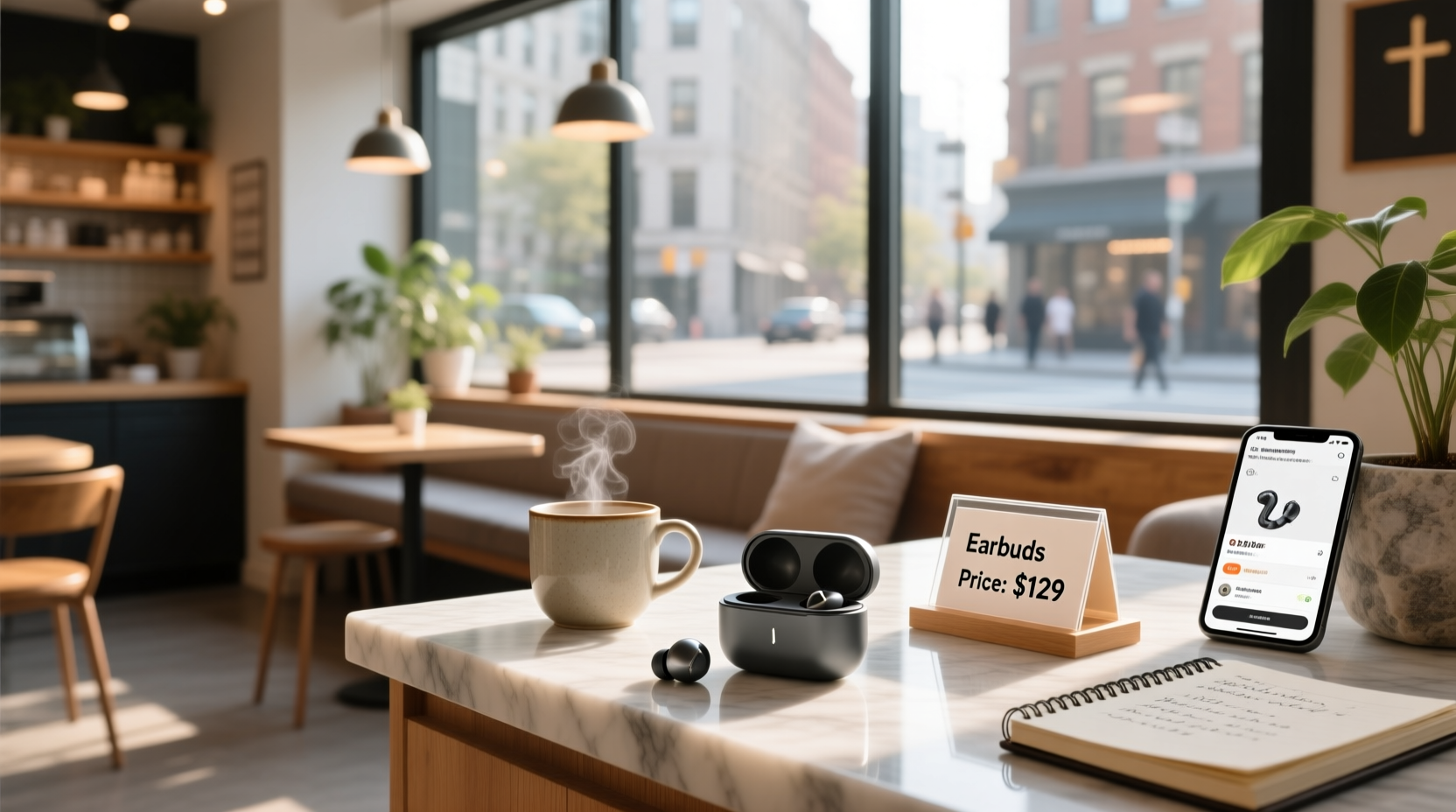
Earbud price ranges explained
Under $30: basic and budget earbuds
Earbuds under $30 can be useful, but you should keep your expectations realistic. Many offer Bluetooth 5 or newer, touch controls, and a charging case. Some even provide surprisingly pleasant sound for podcasts and casual music.
The main limits are often:
• Thin bass or harsh high notes
• Weak microphones in busy places
• Less stable Bluetooth connections
• Shorter battery life over time
• Poor water resistance or limited warranty support
This price range is fine if you need a spare pair for travel, school, or occasional use. It is also practical for children who may lose earbuds easily.
Still, the cheapest option is not always the best value. If a $15 pair breaks after two months and a $40 pair lasts two years, the more expensive model costs less per day.
$30 to $80: the best budget range
For many people, this is the sweet spot. You can often find earbuds with good sound, a secure fit, USB-C charging, basic water resistance, and a useful companion app.
At this price, look for:
• At least 6 hours of listening per charge
• A charging case that provides two or more extra charges
• An IPX4 or better water resistance rating for workouts
• Clear return and warranty policies
• Replaceable ear tips in several sizes
• A stable connection with your phone
Active noise cancellation may appear in this range, but it can vary widely. Some budget models reduce low engine noise well but do little against voices or sudden sounds.
If you are asking how much should i spend on earbuds for normal daily use, $50 to $70 is often a sensible starting point.
$80 to $150: the value sweet spot
This range is ideal for commuters, remote workers, frequent travelers, and people who care about balanced sound. You may get better noise cancellation, improved transparency mode, stronger microphones, wireless charging, and more detailed app controls.
The sound quality also tends to improve. Premium budget earbuds often have tighter bass, smoother voices, and less distortion at higher volume. These changes are easy to notice when you listen for several hours each day.
You should also expect better comfort testing and quality control. That does not guarantee a perfect fit, but established brands usually provide more ear tip choices and better support.
$150 to $300: premium earbuds
Premium earbuds can be worth the cost when you use them every day and need advanced performance. They may offer excellent active noise cancellation, natural ambient sound, head tracking, spatial audio, multipoint Bluetooth, and high-quality voice calls.
Some premium features work best inside one brand’s ecosystem. For example, earbuds may pair more smoothly with a particular phone, switch between devices faster, or unlock special sound settings.
However, expensive earbuds still have limits. Tiny batteries age, touch controls can be frustrating, and even premium models may not fit every ear. Before spending over $200, confirm that the return period is long enough to test comfort.
Over $300: who should consider them?
Earbuds above $300 are usually a luxury purchase. They may include special materials, professional tuning, advanced wireless features, or rare designs. They can be enjoyable, but they are not necessary for most listeners.
This price makes sense if:
• You are an audio enthusiast
• You use earbuds for many hours each day
• You need the best available noise control
• You value seamless device integration
• You are replacing a trusted premium pair
For most people, the improvement from $150 to $300 is smaller than the improvement from $30 to $100. Spend extra only when you can name the feature you are gaining.
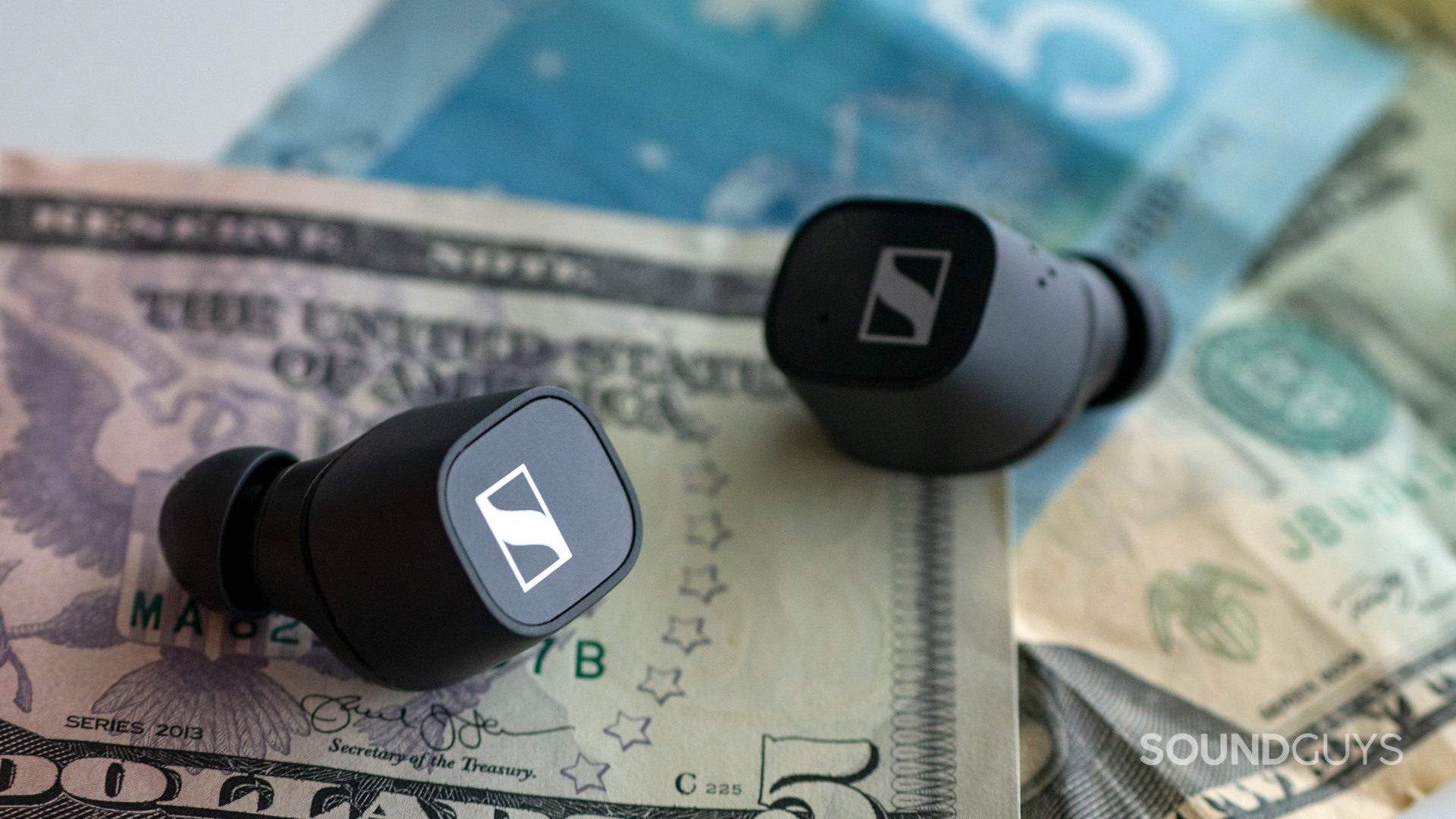
What determines how much should i spend on earbuds?
The right budget starts with your use case. Ask what you need your earbuds to do before you compare brand names or technical terms.
Your main listening habits
Podcast listeners may not need expensive earbuds. Clear speech, comfort, and stable battery life matter more than powerful bass or advanced audio codecs.
Music listeners may benefit from spending more. A better pair can offer cleaner separation between instruments, deeper bass control, and less harshness during long sessions.
Gamers should check latency, microphone quality, and compatibility. Some wireless earbuds work well for casual mobile games but create a noticeable delay with other devices.
Noise cancellation
Active noise cancellation uses microphones and electronic processing to reduce outside sound. It is most useful for low, steady noise, such as airplane engines, air conditioners, and trains.
Noise cancellation is not a magic wall. It may not remove nearby speech or sudden sounds completely. A proper seal from the ear tips often matters just as much as the electronic system.
If you commute often, paying $80 to $150 for better noise control may be worthwhile. If you mostly listen at home, basic passive isolation may be enough.
Comfort and fit
Comfort should carry more weight than small sound differences. Earbuds that hurt after 30 minutes are not a good deal, no matter how impressive their specifications look.
Look for:
• Multiple ear tip sizes
• A shape that rests securely without heavy pressure
• A light charging case
• A return policy that allows real testing
Try each earbud for at least 30 to 60 minutes. Walk, speak, and turn your head. A fit that feels fine while sitting may loosen during a workout.
Call quality
If you work from home or take calls outdoors, microphone quality deserves extra attention. More microphones do not always mean better calls, but they can help earbuds separate your voice from background noise.
Read reviews that test calls in wind, traffic, and busy offices. A product page may say “clear calls,” but real-world testing gives a better picture.
Battery life
Manufacturers often list battery life under controlled conditions. Noise cancellation, high volume, phone distance, and calls can reduce that number.
A good everyday target is:
• 6 or more hours from the earbuds
• 20 or more total hours with the case
• A quick-charge feature for short emergencies
Battery capacity naturally declines with age. This is one reason not to overspend on earbuds if you replace electronics often.
Water and sweat resistance
An IP rating shows protection against dust or water. IPX4 generally means protection from splashing water, while stronger ratings offer more protection. Water resistance does not mean the earbuds are safe for swimming.
For gym use, choose at least basic sweat protection and dry the earbuds before placing them in the case. Moisture trapped in the case can cause trouble over time.
Your phone and device ecosystem
Some earbuds are designed to work best with certain phones. Features may include automatic pairing, device tracking, hands-free voice commands, and seamless switching.
If you use several devices from different brands, look for multipoint Bluetooth. It can let you stay connected to two devices, although performance differs by model.
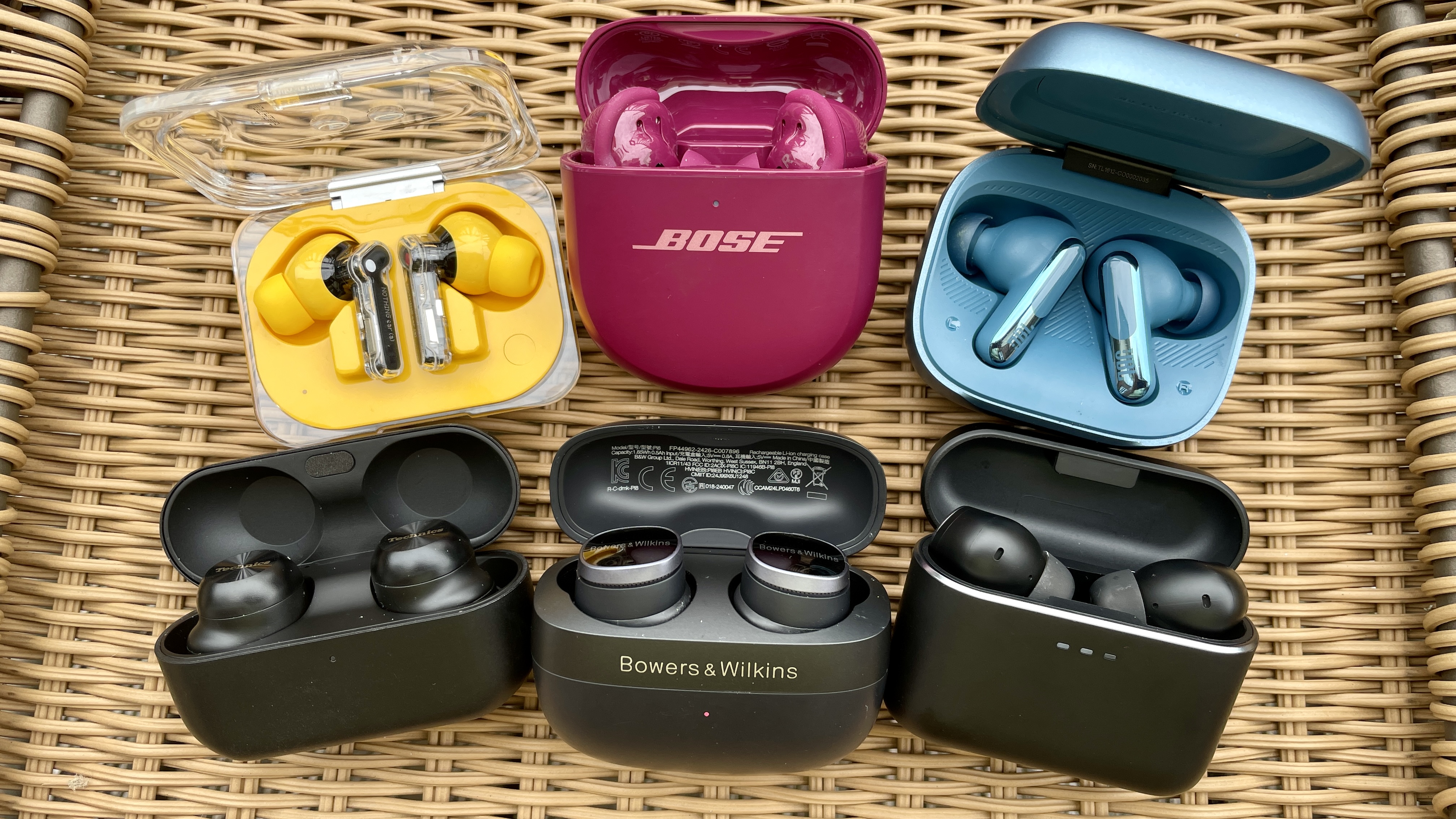
How much should i spend on earbuds for different users?
For students
Students should usually spend $25 to $70. Prioritize comfort, battery life, durability, and a good return policy. Spending less may be wise if the earbuds will be used on a crowded bus, at school, or around younger siblings.
A basic pair with a secure fit can handle music, video calls, and study sessions without a large financial risk.
For commuters
Commuters may want to spend $80 to $180. Active noise cancellation, transparency mode, comfort, and call quality can make a noticeable difference during daily travel.
If you ride a train or fly often, stronger noise reduction can also help you listen at a lower volume. Protecting your hearing matters more than chasing maximum loudness.
For remote workers
A $60 to $150 budget is reasonable for remote work. Focus on microphone quality, comfort, battery life, and the ability to switch between a computer and phone.
If meetings last several hours, over-ear headphones may be more comfortable than earbuds. Earbuds are convenient, but smaller does not always mean better for long calls.
For fitness users
Most fitness users should spend $30 to $120. Look for a stable fit, sweat resistance, simple controls, and enough battery life for your longest workout.
You do not need luxury sound for running or lifting. A secure fit is far more important than a premium codec that your phone or streaming service may not fully use.
For music lovers
Music lovers may find the best balance around $100 to $250. At this level, you can explore better tuning, equalizer controls, higher-quality codecs, and stronger noise cancellation.
Do not assume a high-resolution audio label guarantees better sound. The fit, tuning, recording quality, and your own hearing all play major roles.
For frequent travelers
Travelers often benefit from spending $100 to $250. A good pair should offer reliable noise cancellation, long total battery life, comfort, transparency mode, and a compact case.
A wired backup or small charging cable is still smart. Even excellent wireless earbuds can run out of power during a long trip.
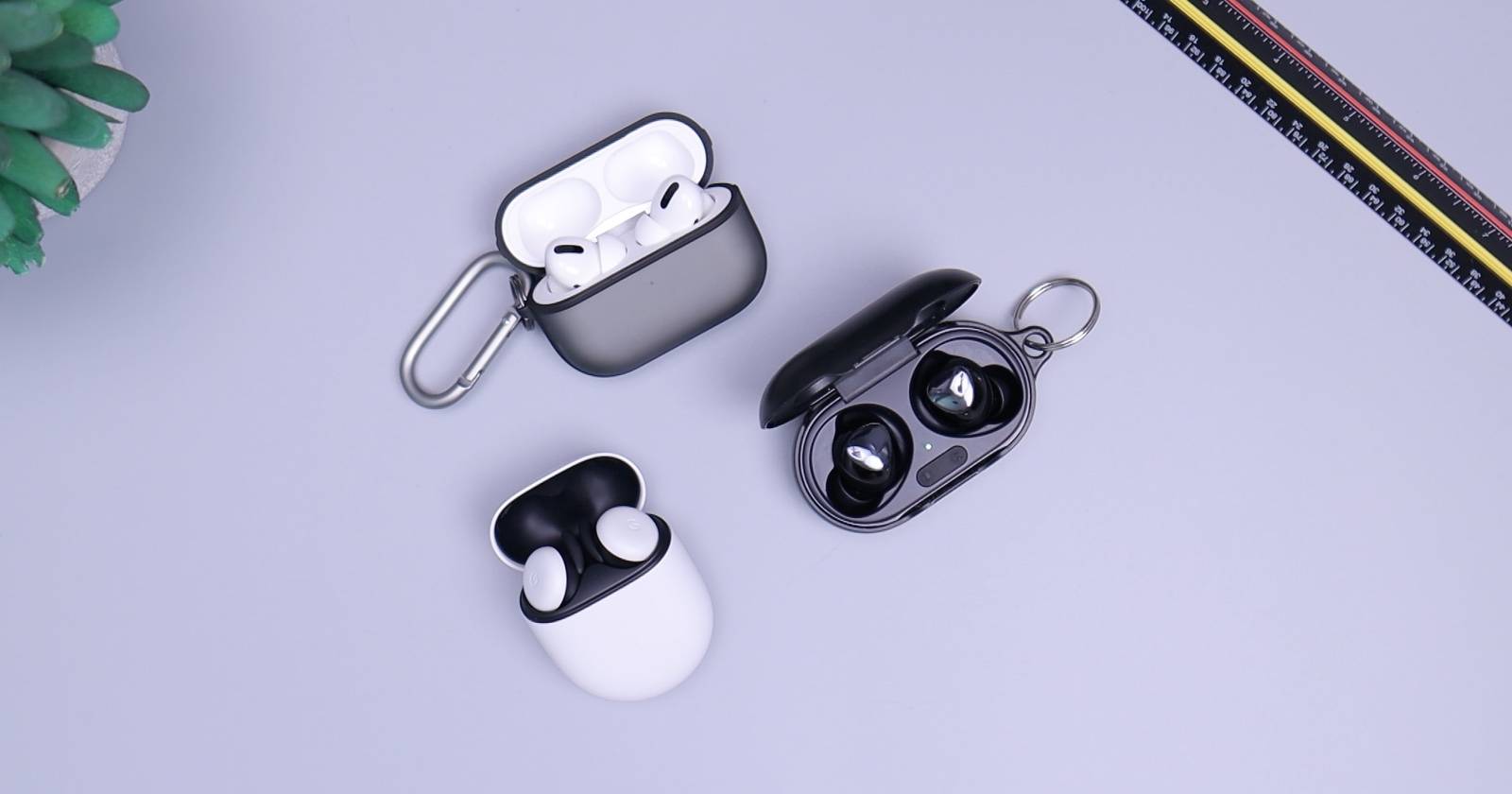
How to compare earbud value before buying
Price is only one part of value. Use a simple comparison process so marketing language does not make the decision for you.
1. Set a real budget
Decide your maximum price before browsing. Include sales tax and possible accessories, such as replacement ear tips.
If you are unsure how much should i spend on earbuds, begin with the feature that matters most. For example, a commuter may spend more on noise cancellation, while a gym user may spend more on fit and water resistance.
2. List your top three needs
Choose only three priorities. Common examples include:
• Comfort
• Noise cancellation
• Call quality
• Battery life
• Secure fit
• Strong bass
• Small case
• Easy device switching
This keeps you from paying for features that sound impressive but do not improve your daily life.
3. Check independent testing
Look for tests that measure battery life, microphone performance, noise reduction, comfort, and connection stability. Reviews based only on manufacturer specifications cannot show how earbuds perform in real conditions.
Pay attention to repeated complaints. One negative review may be an isolated issue, but many users reporting the same problem deserve attention.
4. Confirm software support
Some earbuds depend on an app for equalizer settings, firmware updates, or controls. Check whether the app works with your phone and whether important functions require an account.
Also check how long the brand has supported older models. Software support can affect the useful life of wireless earbuds.
5. Read the warranty and return policy
A warranty may cover manufacturing defects but not lost earbuds, water damage, or worn batteries. Know the rules before you buy.
A return policy is especially important for comfort. Ear shape varies too much for anyone to guarantee that a model will fit you.

Common mistakes that waste money
Buying based on price alone
Expensive earbuds can have average microphones, weak comfort, or poor controls. Cheap earbuds can be excellent for simple needs. Price is a clue, not proof.
Ignoring fit
The wrong fit can make good earbuds sound bad. If the ear tip does not seal your ear canal, bass may disappear and outside noise may become distracting.
Try a different tip size before assuming the earbuds have poor sound. A proper seal is like closing a window before turning on the air conditioner.
Paying for features your phone cannot use
Some audio features require compatible phones, apps, or streaming services. Research compatibility before paying extra for special codecs or spatial audio.
The same feature can also work differently across operating systems. A feature praised by an iPhone user may not offer the same experience on Android, and the reverse can be true.
Trusting battery claims without context
Battery claims may exclude noise cancellation, calls, or high volume. Read the small details and look for independent tests.
A pair rated for eight hours may deliver less in real use. A strong case and quick charging can matter more than the highest headline number.
Buying old models at an unclear discount
Older earbuds may still be good, but check battery age, software support, and replacement availability. A small discount may not be worthwhile if the model is already several years old.
Deep discounts can be excellent during major sales. Just compare the model number and features so you do not confuse an older version with the latest release.
Using unsafe volume levels
Earbuds are not automatically harmful, but loud sound over time can damage hearing. Keep volume as low as practical, take listening breaks, and use noise cancellation in loud places so you do not feel forced to turn the volume up.
If you notice ringing, muffled hearing, or pain, stop listening and consider speaking with a hearing professional.
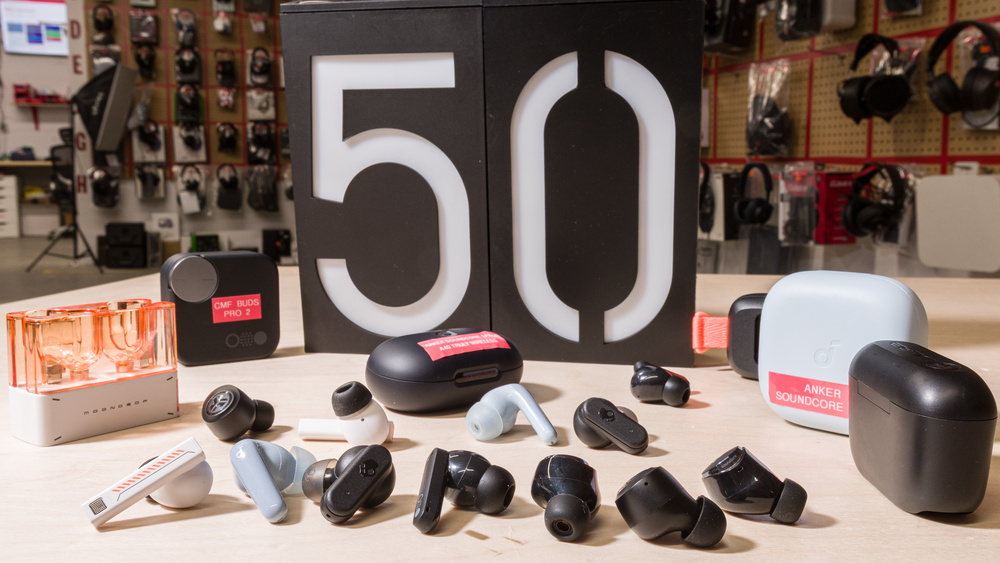
A simple earbud buying formula
You can make a confident decision with this five-step formula:
-
Choose your main use, such as commuting, music, work, or exercise.
-
Set a price ceiling that feels comfortable.
-
Pick three must-have features.
-
Compare comfort, battery life, calls, and warranty details.
-
Buy from a seller with a clear return policy.
For example, imagine a commuter who travels one hour each day and takes frequent work calls. A budget of $100 to $150 may be reasonable because noise cancellation, comfort, and microphone quality will be used often.
Now imagine someone who listens to podcasts twice a week. A $25 to $50 pair may be enough. Paying $200 would add little value unless that person also needs premium features.
This is the main answer to how much should i spend on earbuds: spend according to use, not status. The more often a feature solves a real problem, the more reasonable it is to pay for that feature.

How to get the best earbud deal
You do not always need to pay the listed price. Earbuds often receive discounts during major shopping periods, product launches, and seasonal sales.
Use these tactics:
• Compare the current price with the usual price, not just the advertised discount.
• Check refurbished products from reputable sellers with warranties.
• Consider the previous generation when the design and battery are still suitable.
• Look for bundle deals that include replacement tips or charging accessories.
• Avoid unknown brands with no support, even when the specifications look impressive.
A previous-generation model can be a smart buy when the newer version adds only small changes. On the other hand, avoid old earbuds if their batteries are difficult to replace or their app support has already ended.

How much should i spend on earbuds? Final price guide
Here is a simple budget chart for common buyers:
| User type | Recommended budget | Main priorities |
|---|---|---|
| Occasional listener | $15 to $40 | Basic sound, comfort, simple controls |
| Student | $25 to $70 | Durability, battery, value |
| Gym user | $30 to $120 | Secure fit, sweat resistance |
| Daily commuter | $80 to $180 | Noise cancellation, comfort, calls |
| Remote worker | $60 to $150 | Microphones, comfort, multipoint |
| Music enthusiast | $100 to $250 | Sound quality, tuning, codecs |
| Frequent traveler | $100 to $250 | Noise control, battery, transparency mode |
These are practical ranges, not strict rules. Sales can move a premium model into a lower price bracket, while a poor-fitting budget model may be a worse purchase than a slightly more expensive alternative.
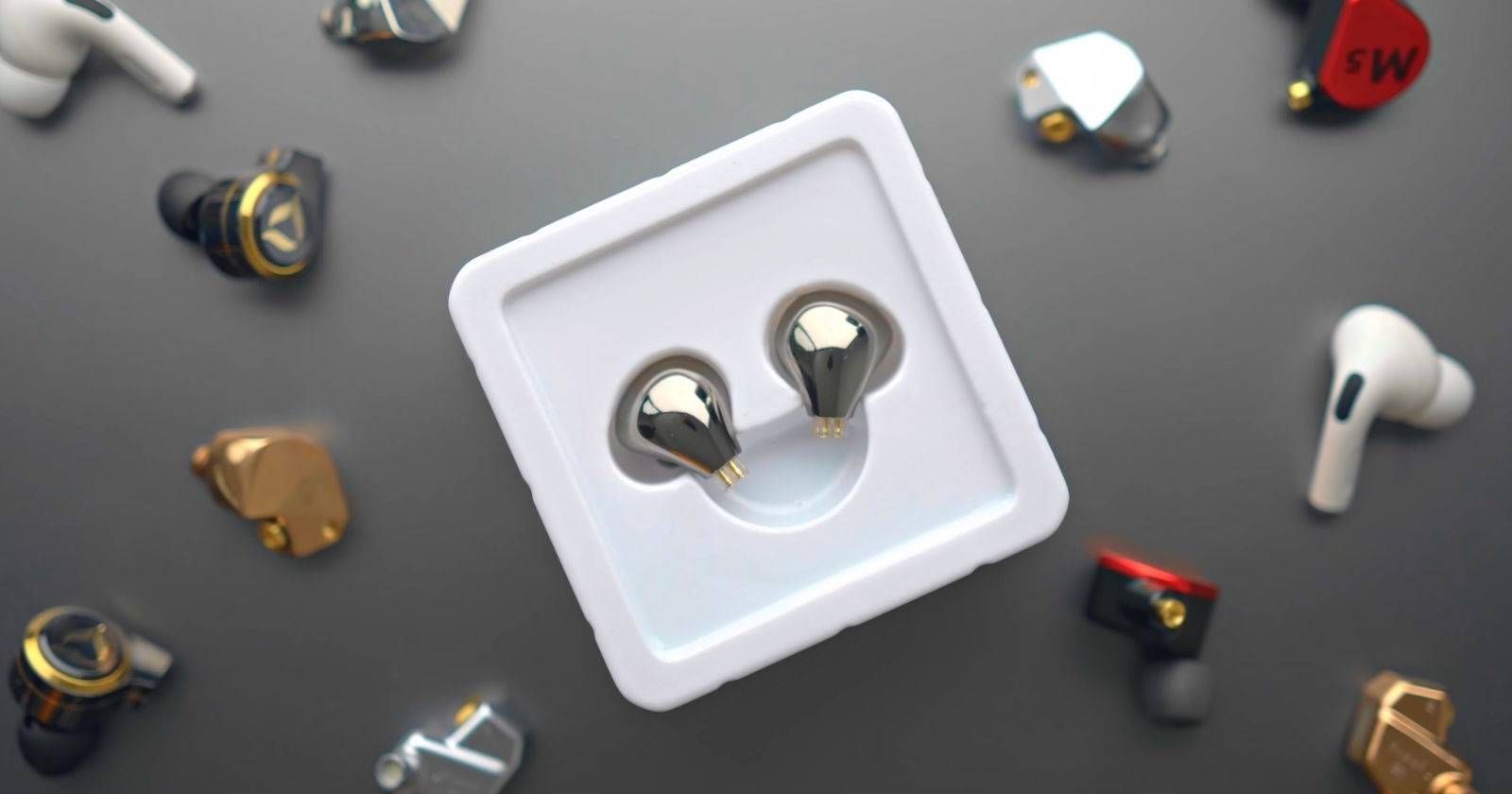
Frequently Asked Questions About How Much Should I Spend on Earbuds
Is $30 enough for good earbuds?
Yes, $30 can buy good earbuds for podcasts, casual music, and basic calls. You may need to accept weaker noise cancellation, simpler controls, or less refined sound.
Is it worth spending $100 on earbuds?
For many people, yes. Around $100, you can often get better comfort, sound, battery life, microphones, and noise cancellation than entry-level models offer.
Are $200 earbuds much better than $50 earbuds?
They can be better, but not in every way. Premium earbuds may offer stronger noise cancellation and better ecosystem features, yet a well-designed $50 pair can still sound excellent and meet basic needs.
How much should i spend on earbuds for working out?
Most people should spend $30 to $120 for workout earbuds. Focus on a secure fit, sweat resistance, simple controls, and enough battery life for your routine.
Should I buy earbuds or headphones?
Choose earbuds for portability, workouts, and discreet use. Choose headphones for longer listening, stronger comfort around the ears, and often better battery life and noise isolation.
Do expensive earbuds last longer?
Not always. Premium earbuds may have better materials and support, but their small batteries still wear down with use. A strong warranty and good care often matter more than price alone.
What is the best price for wireless earbuds?
For most buyers, $50 to $150 offers the best balance of sound, comfort, battery life, calls, and useful features. Your ideal price may be lower if you need only basic listening.
Conclusion
The best answer to how much should i spend on earbuds is usually $50 to $150, but your needs should make the final decision. Spend less for simple listening, move toward $100 for daily use and better features, and pay over $150 only when premium noise control, comfort, calls, or device integration truly matter.
Start with your three most important features, compare real-world reviews, and buy from a seller with a reliable return policy. If this guide helped, explore more audio buying advice or share your earbud budget and priorities in the comments.

Everett Ashford is a tech reviewer at mytechgrid.com specializing in SSDs, cameras, TVs, earbuds, headphones, and other consumer electronics. He provides honest, data-driven reviews based on hands-on testing and real-world performance analysis. Everett simplifies complex tech details to help readers make smart, confident buying decisions.