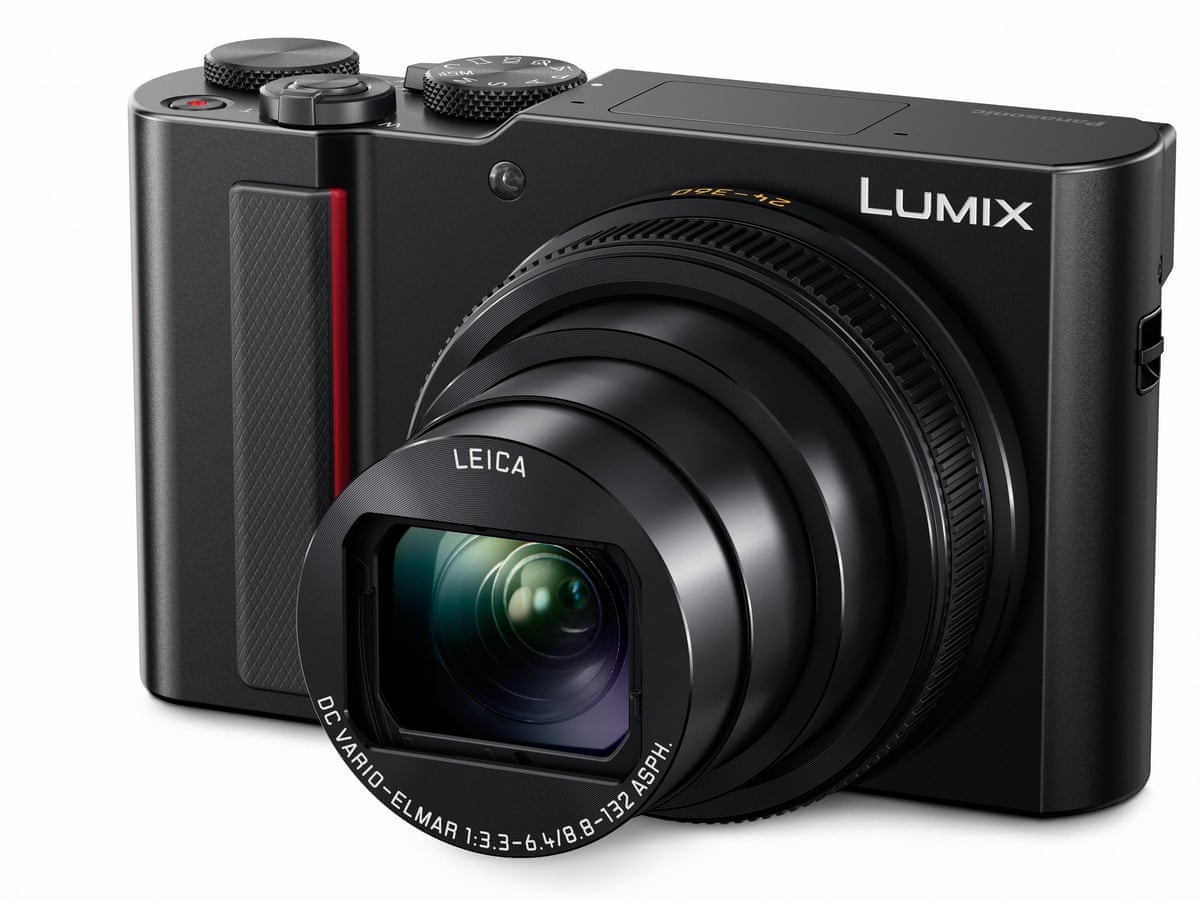
A compact digital camera is a small, fixed-lens camera made for simple, portable, high-quality photography.
If you want better control than a phone without carrying a large camera bag, a compact digital camera can be a smart choice. These cameras combine a built-in lens, image sensor, screen, and battery in one pocket-friendly body. This guide explains how compact cameras work, what features matter, where they perform best, and how to choose one with confidence.
What is a compact digital camera?
A compact digital camera is a small camera that records photos and videos as digital files. It usually has a lens that stays attached to the camera, so you do not need to carry or change separate lenses.
Many people call this type of camera a point-and-shoot camera. That name comes from its simple design. You can turn it on, frame a subject, press the shutter button, and let the camera handle most settings.
A compact digital camera may include:
• A built-in zoom lens
• A digital image sensor
• An LCD screen or electronic viewfinder
• Automatic and manual shooting modes
• A rechargeable battery
• A memory card slot
• Video recording
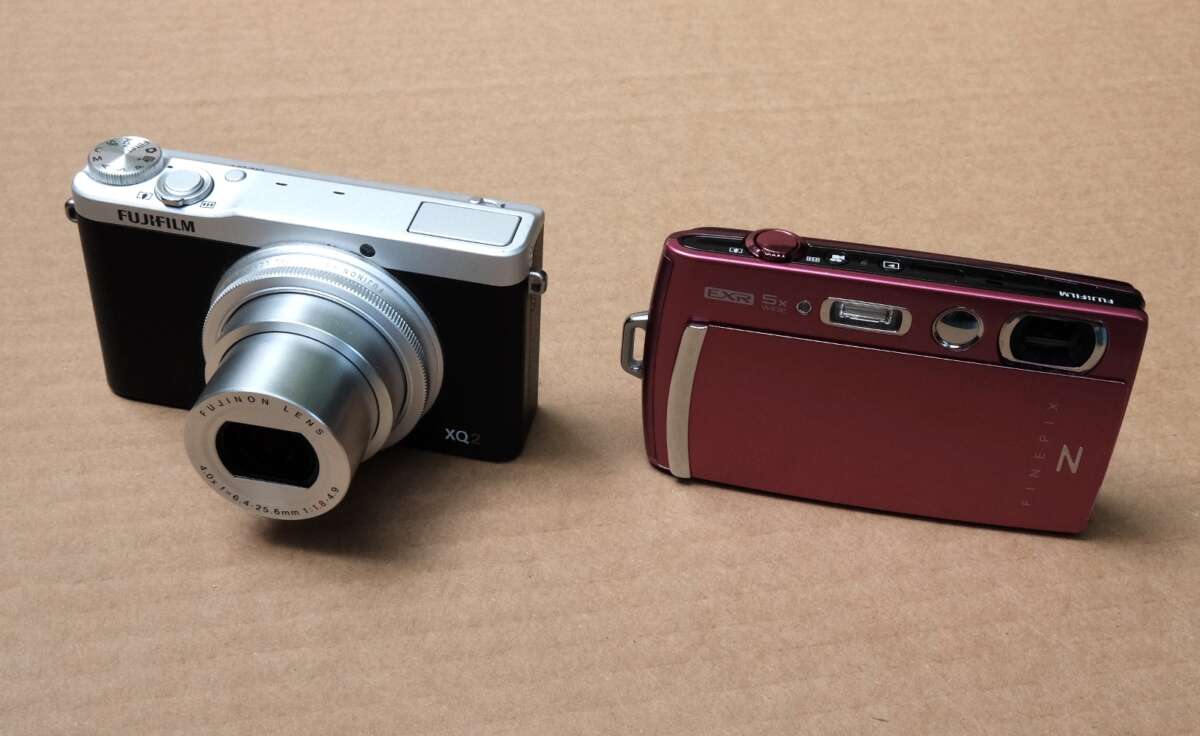
Compact cameras range from basic models for family photos to advanced models with large sensors, bright lenses, and manual controls. Some are small enough for a pocket, while others have a larger grip and a powerful zoom.
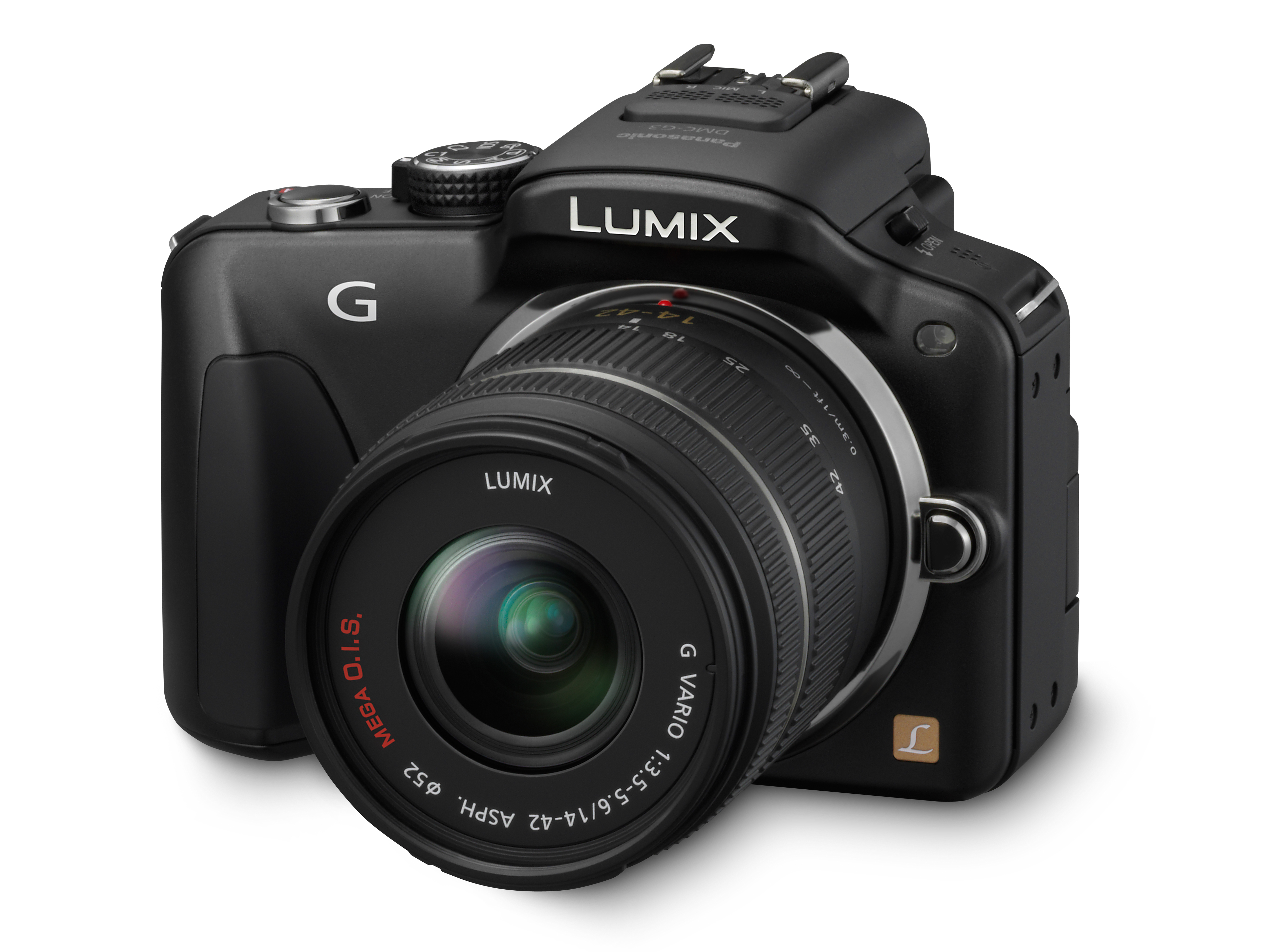
The key difference is that the lens is usually not removable. This makes the camera easier to use than an interchangeable-lens camera, such as a DSLR or mirrorless model.
How does a compact digital camera work?
A compact digital camera uses light to create an electronic image. When you press the shutter button, light enters through the lens and reaches the image sensor.
The sensor changes that light into electrical data. The camera processor then uses that data to create a photo file, often in JPEG format. Advanced models may also save RAW files, which keep more image information for later editing.
The main parts work together in a simple chain:
-
The lens gathers and focuses light.
-
The shutter controls how long light reaches the sensor.
-
The image sensor records the light.
-
The processor adjusts color, contrast, sharpness, and noise.
-
The memory card stores the final photo.
A compact digital camera often uses automatic exposure. It measures the scene and chooses the shutter speed, aperture, and ISO level. This helps new users take clear photos without learning every camera setting first.
More advanced models let you control these settings yourself. This can help when you photograph moving subjects, dark scenes, sunsets, or subjects with a bright background.
Compact digital camera versus a smartphone
A smartphone is convenient, but a compact digital camera still offers useful advantages. The biggest difference is often the lens and the way each device handles image data.
A compact digital camera may provide:
• A true optical zoom lens
• Better hand control while shooting
• A larger physical shutter button
• Longer shooting sessions without phone notifications
• Dedicated photography controls
• More natural background blur on some models
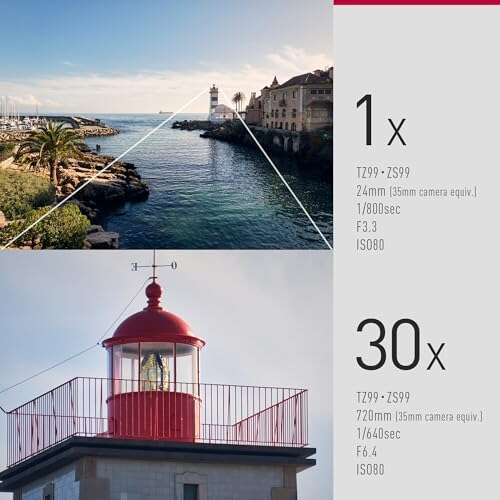
Optical zoom uses the lens to make a subject appear closer. Digital zoom enlarges part of the image through software, which can reduce detail. A compact camera with a real optical zoom can produce better results when photographing sports, wildlife, travel scenes, or performances.
Smartphones often use advanced software, including HDR and computational photography. In bright, easy conditions, a phone may produce excellent results. However, a compact digital camera can feel more focused and deliberate. It is a tool built mainly for taking pictures, not for calls, apps, and messages.
In my practical camera testing, one common mistake is comparing only megapixels. A phone with more megapixels does not always produce a better photo. Lens quality, sensor size, image processing, lighting, and user control all matter.

Types of compact digital cameras
The term compact digital camera covers several camera styles. Knowing the differences can help you choose the right model.
Basic point-and-shoot cameras
Basic point-and-shoot cameras are designed for ease of use. They normally offer automatic modes, a small sensor, and a simple zoom lens.
They work well for:
• Family events
• School trips
• Casual travel
• Outdoor activities
• Everyday snapshots
These cameras are often affordable and light. Their main limits are weaker low-light performance and less control over the final image.
Travel zoom cameras
A travel zoom camera has a small body and a wide zoom range. It may capture a wide landscape view and then zoom in on a distant subject.
This makes it useful for vacations, city walks, and sightseeing. The trade-off is that a long zoom lens may have a smaller maximum aperture. As a result, image quality can drop in dim light.
Advanced compact cameras
An advanced compact digital camera may have a larger one-inch sensor, a bright lens, RAW support, and manual controls. Some models also include a built-in electronic viewfinder.
These cameras often produce better image quality than basic models. They can also give you more creative control without the size of a mirrorless camera.
Rugged compact cameras
Rugged compact cameras are built for harsh conditions. Many are waterproof, shock-resistant, dustproof, and freeze-resistant.
They suit hiking, kayaking, beach trips, skiing, and family activities near water. Their image quality may not match that of a larger-sensor camera, but their durable design can be more valuable in difficult places.
Large-sensor compact cameras
A large-sensor compact camera uses a sensor that gathers more light than the small sensors found in many basic models. This can improve detail, color, and low-light performance.
These cameras are often more expensive. They may also have a shorter zoom range, but they can produce a more natural image with softer backgrounds.

Important compact digital camera features
The best compact digital camera depends on how you plan to use it. Start with the features that affect real photos, not just numbers on a product box.
Sensor size
Sensor size affects image quality, especially in low light. Common compact camera sensors include:
• Small 1/2.3-inch sensors
• One-inch sensors
• Micro Four Thirds sensors in some fixed-lens designs
A larger sensor can capture more light and create cleaner images at higher ISO settings. It may also create stronger background blur.
Sensor size is not the only factor. A good lens and strong image processing can help a smaller sensor perform well in bright conditions.
Lens and zoom range
Look for both the zoom range and the lens aperture. The aperture tells you how much light the lens can let in.
A lens with a wide maximum aperture, such as f/1.8, can help in low light. It may also create a softer background. A long zoom is useful for distant subjects, but it may be less effective indoors or after sunset.
Think about your normal subjects before choosing:
• Choose a wide lens for landscapes, rooms, and street scenes.
• Choose a moderate zoom for portraits and daily use.
• Choose a long zoom for travel, sports, and wildlife.
Image stabilization
Optical or sensor-shift image stabilization can reduce blur caused by hand movement. It is especially helpful when shooting indoors or at night.
Image stabilization cannot freeze a moving person or animal. It mainly helps when the camera moves while the shutter stays open.
Autofocus
Modern compact cameras may use contrast detection, phase detection, or a hybrid autofocus system. A strong autofocus system can lock onto faces, eyes, or moving subjects more quickly.
For casual photography, reliable autofocus often matters more than a very high megapixel count.
Video features
Many compact cameras record Full HD or 4K video. Check the frame rates, microphone options, stabilization, and recording limits if video matters to you.
A camera with a microphone input can be more useful for interviews or travel videos. Built-in microphones may work well for casual clips but can pick up wind and handling noise.
Manual controls and RAW files
Manual controls let you choose shutter speed, aperture, and ISO. RAW files preserve more information than JPEG files and offer greater flexibility during editing.
These features are useful as your skills grow. You do not need them to begin, but having them can prevent the camera from feeling limiting later.
Benefits of using a compact digital camera
A compact digital camera offers a useful middle ground. It is more focused than a phone but simpler than a full interchangeable-lens system.
Key benefits include:
• Small size: You are more likely to carry it every day.
• Simple operation: Automatic modes make it easy to begin.
• Optical zoom: You can get closer without the same loss caused by digital enlargement.
• Dedicated controls: Buttons and dials can be faster than touchscreen controls.
• Better focus on photography: Fewer alerts and apps can help you stay present.
• Lower system cost: You do not need to buy multiple lenses.
Portability is often the greatest benefit. The best camera is usually the one you have with you when an interesting moment appears.
A compact digital camera can also help children learn photography. It gives them a real shutter button and a clear connection between framing and image making. It can feel more creative than simply tapping a phone screen.
For travel, a compact camera can reduce the need to carry a heavy camera bag. That matters when you are walking through a city, visiting a museum, or hiking on a warm day.

Limitations of a compact digital camera
Compact cameras are not perfect. Understanding their limits will help you set realistic expectations.
Many basic models use small sensors. These sensors can produce visible noise in dark scenes. Images may also lose detail when you use a high ISO setting.
A fixed lens can be both a benefit and a limitation. You gain simplicity, but you cannot change to an ultra-wide lens, macro lens, or telephoto lens later.
Other possible limits include:
• Slower autofocus on older models
• Short battery life during heavy use
• Small buttons on very tiny bodies
• Limited background blur
• Fewer controls than a mirrorless camera
• Reduced image quality at the longest zoom setting
A long zoom can also make the camera harder to hold steady. Use image stabilization, a faster shutter speed, or a tripod when needed.
Another practical issue is availability. Many camera companies now focus more on smartphones and interchangeable-lens cameras. This means the compact camera market has fewer new models than it once did. Used cameras can offer good value, but check battery health, lens movement, screen condition, and memory card compatibility before buying.

How to choose the right compact digital camera
Start by deciding what you photograph most often. A camera for family snapshots may need different features from one used for hiking or street photography.
Use this simple process:
-
Set your budget.
-
Choose the sensor size you can afford.
-
Decide how much zoom you need.
-
Check low-light performance and lens aperture.
-
Look for image stabilization.
-
Confirm battery and memory card costs.
-
Read real-world reviews about autofocus and handling.
-
Try the camera in your hand if possible.
Do not buy a camera only because it has the highest zoom number. A very long zoom may sound impressive, but a bright lens and good stabilization may help more in daily use.
If you mostly photograph people indoors, choose a camera with a bright lens and reliable autofocus. If you travel often, prioritize low weight, battery life, and a useful zoom range. If you spend time near water or dust, a rugged model may be the safest choice.
One practical lesson from hands-on camera use is to test the controls before focusing on technical specifications. A camera that feels comfortable can help you react faster. A camera that feels awkward may stay in your bag, no matter how impressive its specifications look.

Tips for getting better photos with a compact digital camera
You can improve your photos without buying a more expensive camera. Good light, steady technique, and careful framing often matter more than the camera model.
Try these habits:
• Clean the lens before important photos.
• Hold the camera with both hands.
• Keep your elbows close to your body.
• Tap or half-press the shutter to focus before taking the photo.
• Avoid digital zoom when possible.
• Use a faster shutter speed for moving subjects.
• Watch bright windows and strong backlight.
• Leave space around your subject when cropping may be needed.
• Carry a spare battery on long trips.
• Format memory cards in the camera after backing up your photos.
For portraits, place your subject near soft window light. For landscapes, use a lower ISO and steady support. For night scenes, keep the camera still and use a timer if the shutter press causes movement.
A common mistake is using flash from too far away. Small built-in flashes work best at short distances. When possible, move closer, find better light, or raise the camera’s ISO carefully.
Is a compact digital camera still worth buying?
A compact digital camera can still be worth buying if you value portability, optical zoom, physical controls, and a dedicated photography experience.
It may not be the best choice for professional sports, high-end video, or work that requires interchangeable lenses. A mirrorless camera will usually offer more flexibility. A modern smartphone may also be easier for instant sharing.
Still, a compact camera can make photography more enjoyable. It gives you a focused tool that encourages you to look, frame, and wait for the right moment.
Consider one if you want:
• Better zoom than your phone
• A simple travel camera
• A lightweight alternative to a DSLR
• A camera for children or beginners
• A device that keeps photography separate from social media
The value depends on your habits. If you carry it and use it, it can be more useful than a technically stronger camera that stays at home.
How to care for a compact digital camera
Basic care can extend the life of your camera. Keep it in a small padded case when carrying it in a bag.
Protect the lens from fingerprints, sand, water, and dust. Use a clean microfiber cloth rather than a shirt or tissue. Do not force a lens barrel if it stops moving.
For long-term storage:
• Remove the battery if the camera will sit unused for months.
• Store the camera in a cool, dry place.
• Keep spare batteries away from metal objects.
• Back up photos before formatting memory cards.
• Charge batteries with the correct charger.
If the camera gets wet, turn it off at once. Remove the battery and memory card if it is safe to do so. Let it dry fully before testing it. Water-resistant models still need care because seals can wear out over time.
Frequently Asked Questions About What Is a Compact Digital Camera
What is a compact digital camera used for?
A compact digital camera is used for everyday photos, travel, family events, street photography, and casual video. Its small body and built-in lens make it easy to carry and quick to use.
Is a compact digital camera better than a phone?
It can be better for optical zoom, physical controls, and a dedicated photography experience. A phone may be better for instant editing, sharing, and computational image processing.
Does a compact digital camera have interchangeable lenses?
Most compact digital cameras do not have interchangeable lenses. The lens is built into the body, which keeps the camera small and simple.
Are compact digital cameras good in low light?
Performance depends on the sensor, lens aperture, and image processor. Models with larger sensors and bright lenses usually perform better in low light than basic compact cameras.
Can a compact digital camera take professional photos?
Some advanced compact cameras can produce professional-quality results in the right conditions. However, professional work may require interchangeable lenses, stronger autofocus, larger sensors, or more control.
Do compact digital cameras use memory cards?
Most compact digital cameras use removable memory cards, such as SD cards. Check the camera manual for the correct card type, capacity, and speed rating.
Conclusion
A compact digital camera is a small, dedicated camera with a built-in lens and digital image sensor. It offers a useful balance of portability, optical zoom, simple controls, and image quality.
Basic models suit casual snapshots, while advanced models can include larger sensors, bright lenses, RAW capture, and manual controls. Before buying, think about your subjects, lighting, zoom needs, budget, and how comfortable the camera feels in your hands.
The best compact digital camera is the one you will carry and use. Compare trusted models, test the controls when possible, and start practicing with the camera you choose. Explore more photography guides, share your own camera experience, or leave a comment with the features you value most.

Everett Ashford is a tech reviewer at mytechgrid.com specializing in SSDs, cameras, TVs, earbuds, headphones, and other consumer electronics. He provides honest, data-driven reviews based on hands-on testing and real-world performance analysis. Everett simplifies complex tech details to help readers make smart, confident buying decisions.