Introduction
For photographers in the United States, Canon does not release new cameras on a fixed schedule. Canon USA may announce several cameras in one year, then release fewer models the next year. The pace depends on the camera type, new technology, market demand, and the age of the current model.
A practical estimate is one to three notable Canon interchangeable-lens cameras per year, with larger changes often appearing every two to four years in a product line. Compact cameras, cinema cameras, and special models follow different schedules.
The best way to predict a new Canon camera is not to count months on a calendar. Instead, watch the age of the current model, Canon USA announcements, product registrations, and major technology changes.

How often does Canon release a new camera?
Canon often releases new cameras every one to three years, but there is no official release cycle for every model line.
The release pace varies by product class:
| Canon camera type | Common release pattern | What affects the timing |
|---|---|---|
| Entry-level mirrorless | About 2 to 4 years | Price, beginner demand, processor updates |
| Mid-range mirrorless | About 2 to 3 years | Autofocus, video, sensor, and competitor products |
| Professional mirrorless | About 3 to 5 years | Major sensor and workflow changes |
| Flagship sports cameras | About 4 years | Often linked to major sporting events |
| Compact cameras | Irregular | Demand, smartphones, and supply limits |
| Cinema cameras | About 2 to 5 years | Production needs and video standards |
| DSLR cameras | No regular new cycle | Canon has shifted its main focus to mirrorless |
These are useful planning ranges, not promises. Canon may update one product family while leaving another unchanged for several years.
For example, Canon released the EOS R5 and EOS R6 in 2020, followed by the EOS R3 in 2021. The EOS R7 and EOS R10 arrived in 2022, while the EOS R8 and EOS R50 arrived in 2023. Canon then announced the EOS R1 and EOS R5 Mark II in 2024.
This pattern shows why a simple “Canon releases a camera every year” rule can mislead. Canon may release several models in one year, but a specific series may wait much longer for an update.

Why does Canon’s release schedule change?
Canon changes its release pace because camera development is tied to technology, cost, and demand.
Sensor and processor development
A new camera often needs more than a new body shell. Canon may need a new image sensor, processor, autofocus system, heat system, battery design, or electronic viewfinder.
A major sensor upgrade takes more time than a small refresh. For example, better readout speed can improve:
- Electronic shutter performance
- Subject tracking
- Video quality
- Rolling-shutter control
- Continuous shooting
- In-camera image processing
If the current model still sells well, Canon may also have less reason to replace it quickly.
competition from Sony, Nikon, Fujifilm, and others
Canon watches the broader camera market. A rival camera with faster autofocus, higher video resolution, or a lower price can pressure Canon to update a product sooner.
However, competition does not always lead to an immediate replacement. Canon may respond with firmware, a new lens, a price change, or a different model instead.
Product segmentation
Canon places cameras at different price levels. A new high-end model must fit between other products without making them unattractive.
For example, Canon may avoid adding every professional feature to a lower-cost body. It may reserve certain features for a higher-priced camera, such as:
- Dual-card recording
- Faster burst shooting
- A more durable body
- Advanced video formats
- Better heat control
- A larger battery
This segmentation can make the release schedule look uneven. Canon may launch a new entry-level camera while keeping a professional model in place.
Supply chains and production costs
Cameras use parts from many suppliers. Sensor production, processors, memory cards, displays, batteries, and factory capacity can all affect launch timing.
Canon also has to plan for demand in the United States and other markets. A product may be announced globally but arrive in stores at different times.
Major events
Canon sometimes releases professional cameras near major sporting events. Sports photographers need fast autofocus, high burst rates, strong bodies, and reliable wireless workflows.
This does not create a guaranteed four-year cycle. It simply explains why professional models may appear near events such as the Olympics or World Cup.
Canon camera release examples by product line
The clearest way to understand Canon’s schedule is to compare real product announcements.
Canon EOS R entry-level and enthusiast cameras
Canon has released several entry-level and mid-range RF-mount cameras in a relatively active pattern:
- EOS R10 — announced in 2022
- EOS R7 — announced in 2022
- EOS R50 — announced in 2023
- EOS R8 — announced in 2023
These releases did not replace one single model in a neat yearly sequence. Instead, Canon filled different roles:
- The EOS R50 targets beginners and smartphone upgraders.
- The EOS R10 offers more controls and speed for enthusiasts.
- The EOS R7 uses an APS-C sensor and targets wildlife, sports, and advanced users.
- The EOS R8 provides a full-frame option in a smaller body.
This is a key point: Canon may expand a camera family instead of replacing an older camera directly.
Canon EOS R5 and EOS R6 series
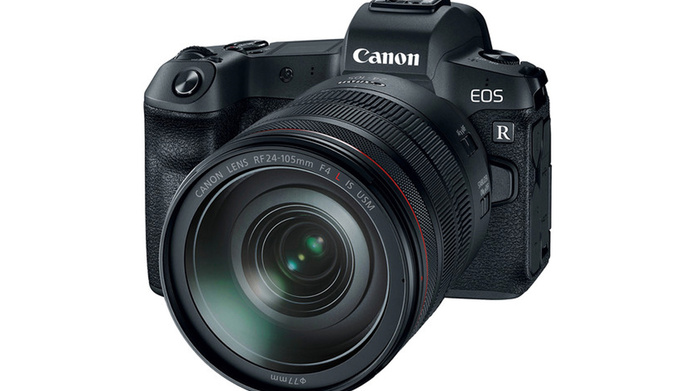
Canon introduced the EOS R5 and EOS R6 in 2020. The EOS R5 Mark II arrived in 2024, about four years later.
Canon also introduced the EOS R6 Mark II in 2022, around two years after the original EOS R6.
That difference shows how update timing can vary within one family. Canon may update a more popular or more competitive model sooner while giving another model a longer service life.
Canon professional and flagship cameras
Canon announced the EOS R3 in 2021 and the EOS R1 in 2024. The R1 became Canon’s flagship mirrorless model.
Professional cameras often have longer development cycles. They also need extensive testing because working photographers may use them in demanding conditions, such as rain, dust, long events, and rapid bursts.
A flagship camera is therefore less likely to follow the short cycle seen in entry-level models.
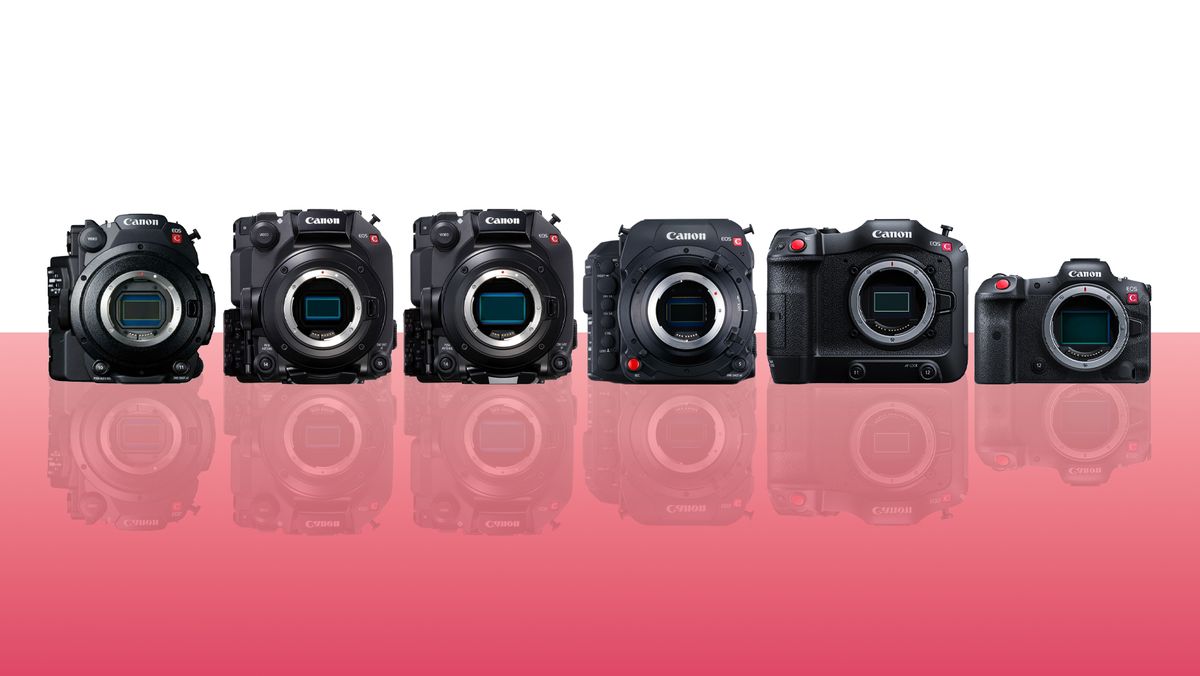
Canon cinema cameras
Canon’s Cinema EOS range does not follow the same pattern as its consumer mirrorless line. Cinema cameras may remain available for years because production users value workflow stability.
Updates may focus on:
- Recording formats
- Cooling
- Connectivity
- Dynamic range
- Production monitoring
- Lens and accessory support
A cinema camera can remain useful even when a newer model exists. Filmmakers often choose a camera based on a whole production system, not just the newest specification.

What time of year does Canon release new cameras?
Canon does not use one fixed month for camera launches, but announcements often appear around major industry events and business periods.
Many camera announcements occur:
- Before or during major photography trade events
- In the first half of the year
- In the summer
- Before the holiday buying season
- Near major international sporting events
That said, a launch window is not a reliable prediction. Canon can announce a camera at any time if its development and marketing plans are ready.
The announcement date also differs from the retail date. Canon may:
- Announce the camera.
- Open preorders.
- Start shipping in limited quantities.
- Expand supply later.
For buyers in the United States, the Canon USA product page and authorized US retailers are more useful than a global rumor calendar. They show local pricing, availability, warranty terms, and shipping information.

How to tell whether a new Canon camera may be coming
No public signal can confirm a future Canon camera before Canon announces it. Still, several clues can help you decide whether to wait.
Check the age of the current model
A camera that is less than two years old may still have a long product life. A camera that is four or five years old has a greater chance of being replaced, but age alone does not prove that a new model is coming.
Use the release date as context, not as a countdown.
Check Canon USA news and product pages
Canon’s official US newsroom is the strongest source for confirmed announcements. Product pages can also reveal whether a camera is:
- Current
- Out of stock
- Discontinued
- Available only through certain sellers
- Replaced by a newer model
An out-of-stock camera is not always an old camera. Shortages may come from demand or supply problems.
Watch firmware updates
Firmware updates can extend the useful life of a camera. They may add bug fixes, improve autofocus, or support new lenses.
A firmware update does not mean that Canon has canceled a replacement. It only shows that Canon still supports the current product.
Look for changes in the lens system
Canon may release a new body when its lens system reaches a useful stage. A camera can become more attractive when Canon adds lenses suited to its users, such as:
- Affordable standard zooms
- Compact prime lenses
- Telephoto lenses
- Professional fast-aperture lenses
- Video-focused lenses
The body and lens roadmap often matter more than the body release date alone.
Treat rumors as unconfirmed
Rumors can help explain what photographers are watching, but they are not proof. A rumored camera may be delayed, changed, or never released.
Do not sell your current camera or miss a paid job based only on an unconfirmed report.
Should you wait for the next Canon camera?
Wait if your current camera prevents you from doing work you need to do and a confirmed replacement is close. Otherwise, buying the current model can make more sense than waiting for an unknown product.
Use this decision guide:
| Your situation | Practical choice |
|---|---|
| Your current camera works well | Keep using it and monitor confirmed news |
| You need a camera for paid work soon | Buy based on current needs and availability |
| Your camera lacks a needed feature | Upgrade when the feature saves time or improves results |
| A replacement is officially announced but not shipping | Compare launch price, stock, and early reviews |
| You are waiting only for a slightly newer number | Consider the current model if its limits do not affect you |
| You already own several compatible lenses | Give strong weight to staying in the same mount |
The most important question is not “Will Canon release a new camera soon?” It is “What problem must the new camera solve?”
For example, an upgrade may be worthwhile if you need:
- Better subject detection
- Cleaner high-ISO images
- Faster readout for electronic shutter use
- More reliable 4K recording
- A smaller body
- Better battery life
- Improved weather protection
- Dual-card storage for paid assignments
A new model may not be worth the cost if it only offers small changes that do not affect your photography.
What happens to older Canon cameras after a new release?
Older Canon cameras do not become useless when a new model arrives. They may become better values, especially when they already meet your needs.
A new release can cause:
- Discounts on the older model
- More used inventory
- Lower trade-in values
- Reduced official stock
- Continued firmware and repair support for a period of time
Before buying an older Canon camera, check the remaining warranty, battery condition, shutter history when available, sensor condition, and return policy.
Also confirm lens compatibility. Canon’s EF, EF-S, RF, and RF-S mounts are not identical. An adapter may allow some combinations, but it does not make every lens and feature work exactly like a native lens.
The camera mount affects long-term cost. A lower body price may not save money if you must replace several lenses and accessories.
Common mistakes when predicting Canon camera releases
Mistaking a rumor for an announcement
A leaked specification is not a confirmed product. Canon’s official announcement is the point at which the model, features, price, and US availability become dependable.
Assuming every model updates yearly
Canon may refresh one line quickly and leave another alone for years. A yearly replacement rule does not fit the whole Canon range.
Confusing a new lens with a new camera
Canon can release lenses, flashes, firmware, or accessories without launching a new camera body. A busy Canon product calendar does not guarantee a body update.
Ignoring regional availability
A camera announced outside the United States may have different timing, naming, or availability in the US. Check Canon USA before relying on information from another market.
Buying based only on specifications
A higher megapixel count or faster frame rate may not improve your results. Consider autofocus reliability, lens cost, file size, heat limits, battery life, and your own workflow.

Frequently asked questions
Does Canon release cameras every year?
Canon often releases at least one important camera in a year, but it does not release an update for every product line annually. Some models are replaced after two years, while others remain current for four years or longer.
How long do Canon cameras usually last before replacement?
Many Canon interchangeable-lens cameras remain current for about two to four years. Professional and specialized cameras may last longer. The useful life of the camera can be much longer than its time as the newest model.
Is Canon moving away from DSLR cameras?
Canon’s main development focus is mirrorless cameras, especially its EOS R system. New DSLR releases are much less common than mirrorless releases. Existing Canon DSLR cameras can still produce strong results, but future body development is more likely to center on mirrorless models.
Should I buy a Canon camera before a new model is announced?
Buy before an announcement if you need the camera now, the current model meets your needs, and the price is reasonable. Waiting may help if a confirmed replacement is near and your current camera still works well.
Where can I find confirmed Canon camera announcements in the United States?
Check the Canon USA newsroom, the relevant Canon USA product page, and authorized US retailers. These sources are more reliable than rumor posts for launch dates, pricing, warranty terms, and availability.

Conclusion
Canon does not follow a single camera release schedule. In the United States, a reasonable expectation is one to three notable interchangeable-lens camera announcements in many years, while an individual model may wait two to four years for an update.
Entry-level and mid-range cameras often change sooner than flagship and cinema models. The best buying decision depends on your current camera, required features, lens investment, and the cost of waiting.
For the most accurate answer, check Canon USA announcements and product pages rather than relying on a predicted release month. If your current camera does the job, you usually do not need to wait for an unconfirmed successor.

Everett Ashford is a tech reviewer at mytechgrid.com specializing in SSDs, cameras, TVs, earbuds, headphones, and other consumer electronics. He provides honest, data-driven reviews based on hands-on testing and real-world performance analysis. Everett simplifies complex tech details to help readers make smart, confident buying decisions.