Make headphones fit a small head by adjusting the headband, adding padding, and choosing a compact, adjustable design.
Headphones that slide, press too hard, or leave gaps can ruin music, calls, and gaming. I have tested many over-ear and on-ear designs, and the best results usually come from combining a smaller headband setting with simple comfort fixes. This guide explains how to make headphones fit a small head safely, without damaging the frame or reducing sound quality.
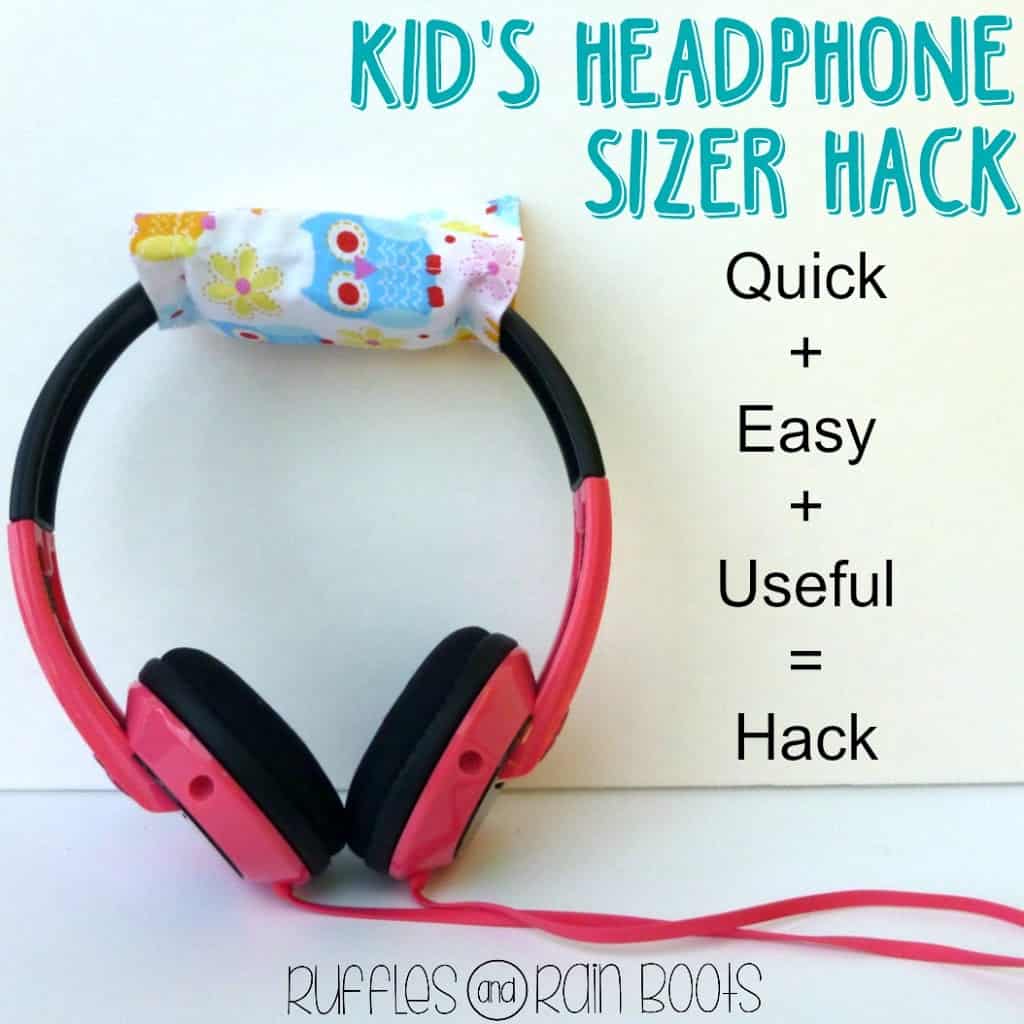
Why headphones do not fit small heads
Most headphones are built to fit a wide range of users. However, some headbands do not shrink enough for smaller adults, teens, or children. The ear cups may hang too low, the headband may sit loosely, or the headphones may slide forward when you move.
A poor fit can cause more than annoyance. It may create uneven sound, weak bass, outside noise leaks, and pressure around the ears. A loose fit can also make active noise cancellation less effective because the ear cushions do not form a proper seal.
Common signs that your headphones are too large include:
• The ear cups sit below your ears.
• The headband moves when you turn your head.
• You need to hold the headphones in place during a walk.
• The ear cushions touch your jaw instead of surrounding your ears.
• One side feels higher than the other.
• Music sounds thin or lacks bass.
The goal is not to make the headphones painfully tight. The goal is to create a light, stable fit that keeps the ear cups centered and the headband balanced.

Adjust the headband correctly
The first step in learning how to make headphones fit a small head is to use every adjustment point. Many people extend the headband before placing the headphones on their head. This often makes the problem worse.
Start with the headband at its shortest setting. Place the ear cups over your ears, then extend each side by one notch at a time. Stop as soon as the cups fully cover your ears or sit comfortably on them.
Follow these steps:
-
Hold the headband with both hands.
-
Retract both sliders to the smallest setting.
-
Place the ear cups over your ears.
-
Extend the left side one notch.
-
Extend the right side by the same amount.
-
Check that the headband rests near the center of your head.
-
Move your head from side to side to test stability.
Adjust both sides evenly. Uneven slider positions can tilt the ear cups and create different pressure on each ear. They can also make one channel sound louder than the other because of an uneven seal.
If the headphones still slide, do not keep tightening them with force. A smaller headband setting may help, but excessive pressure can cause headaches and ear pain.
Add a thin headband cushion
A thin cushion can reduce extra space between your head and the headphone band. This is one of the easiest ways to make headphones fit a small head without changing the internal frame.
Look for a soft, low-profile headband cover made from:
• Memory foam
• Silicone
• Neoprene
• Soft fabric
• Leather or synthetic leather
Choose a cushion that adds support rather than a thick pillow-like layer. A very thick cover can push the headphones upward and make the ear cups sit too high.
You can attach a removable headband pad with hook-and-loop straps. This option is useful because you can remove it if the headphones become too tight. Avoid strong glue unless you are sure you will never want to remove the pad.
A simple temporary test is to place a folded microfiber cloth under the headband. If the fit improves, a proper slim cushion may solve the problem. Do not use a thick towel for long periods because it can make the headphones unstable and warm.
A headband cushion works best when the ear cups already sit close to your ears. It cannot fully fix a design with an extremely large frame or long ear cup arms.
Use ear cup cushions to improve the fit
Replacing or adding ear pads can help when the cups are too loose around your ears. Thicker pads may move the cups slightly outward, but they can also improve comfort and create a better seal.
When selecting replacement ear pads, check:
• The pad diameter
• The mounting method
• The depth
• The shape of the ear opening
• Compatibility with your headphone model
For small heads, shallow or medium-depth pads often work better than oversized pads. Very deep pads can increase the distance between the driver and your ear. That change may affect bass, treble, and overall sound balance.
Soft memory foam can mold around the sides of your head. This may help stabilize the headphones during normal movement. However, memory foam can become warm, especially in hot weather.
Changing ear pads may also affect noise cancellation. The microphone system inside active noise-canceling headphones is tuned for a certain ear pad shape. If the new pads create a poor seal, noise cancellation may become weaker.
This is why I recommend testing one inexpensive pad option before buying several sets. Comfort matters, but sound and noise control matter too.

Try a non-slip headband cover
A non-slip cover can stop headphones from sliding without adding much pressure. Silicone strips, rubberized fabric, and textured headband sleeves can increase grip against your hair or skin.
This solution is helpful if your headphones fit your ears correctly but move during walking or exercise. It is also useful for people with smooth hair, short hair, or very straight hair.
Choose a cover that:
• Fits the width of the headband
• Does not block folding joints
• Does not rub your scalp
• Can be removed without leaving residue
Avoid placing rough tape directly on your hair or skin. It may pull hair, irritate the scalp, or leave adhesive on the headband.
A non-slip cover is not a replacement for correct adjustment. Use it as a support layer after setting the sliders properly. The headphones should remain comfortable even when the cover is removed.
Use a safe temporary adjustment
If you need to make headphones fit a small head right away, a temporary adjustment can help. Place a small, soft piece of foam inside the top of the headband. Secure it with fabric tape or a removable strap.
The added material should sit under the headband, not inside the slider mechanism. Keep it away from hinges, wires, buttons, and folding joints.
Do not bend the headband sharply. Many headphone bands contain spring steel, plastic, or thin wiring. A hard bend can weaken the frame or damage the wires that connect the ear cups.
Avoid these risky methods:
• Boiling or heating the headband
• Using a hair dryer on high heat
• Clamping the headphones overnight
• Bending one side more than the other
• Drilling holes into the frame
• Applying permanent glue near moving parts
Some plastic materials may crack after repeated bending. Heat can also change the shape of the frame in a way that cannot be reversed. A removable cushion is safer than a permanent modification.
Improve the fit for glasses and hair
Glasses can make headphones feel loose or uncomfortable. The ear cushions may press against the temples of the frames, preventing a full seal. Thick arms can also push the ear cups outward.
If you wear glasses, try these tips:
• Use glasses with thinner temple arms.
• Position the ear cups so the cushions sit around the frames.
• Choose soft memory foam pads.
• Reduce headband pressure in small steps.
• Test headphones with your usual glasses, not without them.
Hair can also change the fit. Thick hair between the ear cushions and your head may reduce the seal. Long hair can also catch under the headband and make the headphones move.
For the most accurate test, wear the headphones with your normal hairstyle. A fit that works with loose hair may not work with a ponytail, hat, or head wrap.
Remember that comfort comes first. Do not tighten the headphones until they hurt simply to improve bass. A good fit should feel secure, not like a clamp.
Check the ear cup position
Correct ear cup placement is a key part of how to make headphones fit a small head. The center of each ear cup should line up with the center of your ear.
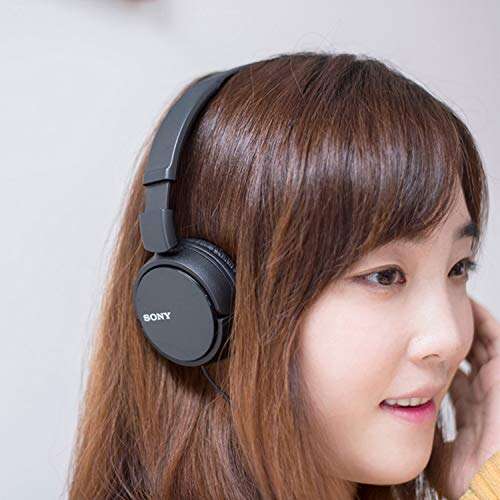
For over-ear headphones, your entire ear should fit inside the cushion opening. If the bottom of the cup rests on your jaw, the cups may be too large or the headband may need adjustment.
For on-ear headphones, the pads should rest evenly around the outer ear. They should not sit directly on the soft center of your ear with strong pressure.
Use this simple fit test:
-
Put on the headphones.
-
Play a familiar song at a low volume.
-
Cover one ear cup lightly with your hand.
-
Compare the sound from each side.
-
Move the cups slightly until the sound becomes balanced.
This test does not replace professional hearing care, but it can reveal a poor seal or misaligned cup. If one side sounds much weaker, check the cable, balance setting, ear pad, and cup position before changing the headband.
Choose headphones made for smaller heads
Sometimes accessories cannot fully fix the design. If the headband remains loose at its shortest setting, consider a model with a compact frame.
Features that often help include:
• A wide adjustment range
• Short slider arms
• Swivel ear cups
• Flexible but controlled clamping force
• Small or medium ear cup openings
• A lightweight build
• A padded, low-profile headband
On-ear headphones often fit small heads better because the cups do not need to surround the entire ear. Some compact wireless headphones also use shorter headbands designed for travel or children.
Children’s headphones may fit smaller heads, but check volume limits, build quality, and comfort carefully. Safe listening guidance commonly recommends keeping volume moderate and taking regular breaks. Volume-limiting features can be useful, but they should not replace supervision.
Read product measurements before buying. Look for minimum and maximum headband size, ear pad dimensions, and weight. User reviews can help, but head shape varies, so treat them as guidance rather than proof.
Test comfort, sound, and stability
A headphone fit test should take more than a few seconds. Wear the headphones for at least 15 to 20 minutes while sitting, walking, and turning your head.
Check three things:
• Comfort: There should be no sharp pressure, numbness, or headache.
• Sound: Bass should not disappear when you move.
• Stability: The headphones should stay centered without constant adjustment.
If you use headphones for work, test them during a full call. If you use them for exercise, test them with the same movement you normally make. A pair that feels perfect at a desk may slide during a commute or workout.
I once found that a loose pair did not need tighter clamping. The real issue was a smooth headband that slipped against short hair. A thin grip cover solved the movement problem while keeping the pressure comfortable. That experience taught me to identify the cause before making a physical change.
Mistakes to avoid
Many fit problems become worse because users make changes too quickly. Small adjustments are safer and easier to reverse.
Avoid these common mistakes:
• Tightening the band until it causes pain
• Adding very thick foam
• Replacing pads without checking compatibility
• Bending the frame with heat
• Adjusting only one slider
• Ignoring gaps around the ear cushions
• Testing only while sitting still
• Assuming a loose fit means the headphones are defective
Pressure should be spread across the headband and ear cushions. If all the force sits on one point, discomfort can develop quickly.
Also, do not cover ventilation holes or microphones with tape or foam. These parts may affect sound, calls, and active noise cancellation. Keep modifications limited to areas that do not contain controls or electronics.
How to make headphones fit a small head for different uses
The best adjustment depends on how you use the headphones. A comfortable office fit may not be stable enough for running or travel.
For studying or office work:
• Use a thin headband cushion.
• Keep the clamping force light.
• Select breathable ear pads.
• Make sure glasses do not break the seal.
For gaming:
• Center the ear cups carefully.
• Check that the microphone stays near your mouth.
• Avoid thick pads that change sound direction.
• Take breaks during long sessions.
For travel:
• Use a non-slip cover.
• Check the fit with a hat or hood.
• Make sure folding joints remain clear.
• Choose a secure fit that does not cause pressure.
For exercise:
• Select a lightweight model.
• Use a sweat-resistant headband cover.
• Test the headphones with real movement.
• Stop using them if they become painful or unstable.
These small changes make it easier to make headphones fit a small head while preserving comfort and performance.
Frequently Asked Questions
How can I make large headphones fit a small head?
Set the headband to its shortest position, then add a thin removable cushion or non-slip cover. If the ear cups still hang below your ears, the frame may simply be too large.
Can I bend headphones to make them smaller?
Do not sharply bend or heat the headband. You may damage the plastic, spring material, hinges, or internal wires; use a removable pad or choose a smaller model instead.
Do thicker ear pads help small heads?
They can improve comfort and stability, but very thick pads may change the sound and push the headphones away from your head. Check pad compatibility and choose a moderate thickness.
Why do my headphones keep sliding off?
The headband may be too large, the surface may be too smooth, or the ear cups may not seal correctly. Adjust both sliders evenly, then try a non-slip cover or thin headband pad.
Are on-ear headphones better for small heads?
Often, yes. On-ear models can use smaller ear cups and may feel more secure, but comfort depends on pad pressure, headband length, and the shape of your ears.
How tight should headphones feel?
They should stay in place without causing pain, numbness, or a headache. If you feel strong pressure after a short period, loosen the band or try softer pads.
Can a hat help headphones fit a small head?
A thin hat may add grip and reduce extra space, but a thick hat can make the headphones unstable or too tight. Test the headphones with the hat you normally wear.
Conclusion
The safest way to make headphones fit a small head is to start with careful headband adjustment, then add a thin cushion, non-slip cover, or compatible ear pads. Keep both sides even, protect the hinges and wires, and test the fit during real use. If the ear cups remain too large, a compact or on-ear model will usually provide a better long-term solution.
Try one small change at a time and judge the result by comfort, sound, and stability. Explore more headphone fitting guides, compare compact models, or share your own solution in the comments.

Everett Ashford is a tech reviewer at mytechgrid.com specializing in SSDs, cameras, TVs, earbuds, headphones, and other consumer electronics. He provides honest, data-driven reviews based on hands-on testing and real-world performance analysis. Everett simplifies complex tech details to help readers make smart, confident buying decisions.