Yes, bone conduction headphones are generally safe when used at a moderate volume and fitted correctly.
Bone conduction headphones send sound through the bones around your ears instead of sealing the ear canal. That design can make them useful for runners, cyclists, people who dislike earbuds, and some listeners with outer-ear problems. Still, “safe” does not mean risk-free. Volume, listening time, skin contact, hearing health, and your surroundings all matter.
This guide explains is bone conduction headphones safe in practical terms. It covers hearing damage, common side effects, safety for exercise and children, medical concerns, and simple ways to use these headphones wisely.

How bone conduction headphones work
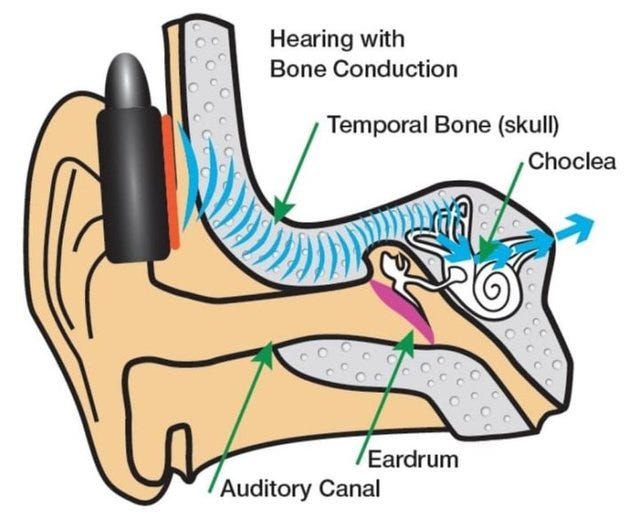
Most headphones use air conduction. Their speakers create sound waves that travel through the ear canal, vibrate the eardrum, and move through the middle and inner ear.
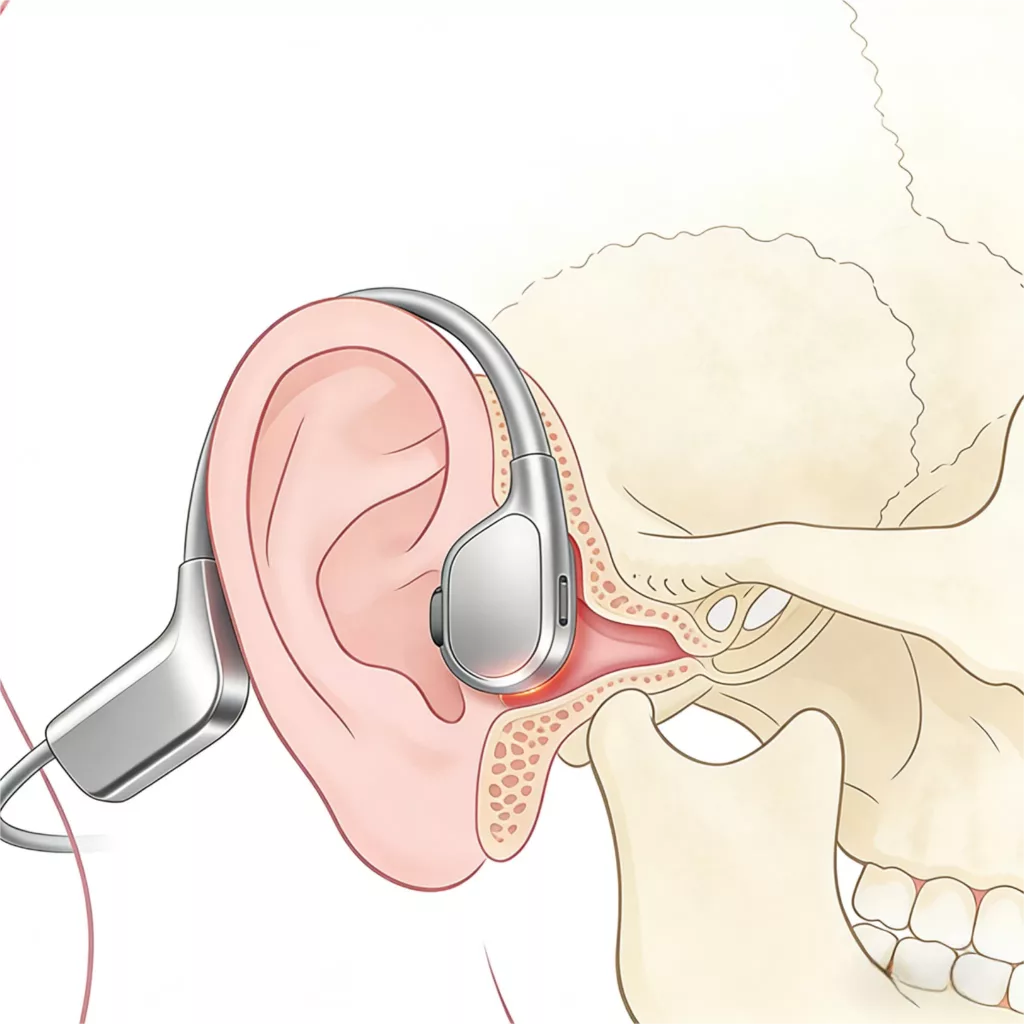
Bone conduction headphones take a different path. Small transducers rest near the cheekbones, usually just in front of the ears. They create gentle vibrations that travel through the skull to the cochlea, the inner-ear organ that turns vibration into sound signals for the brain.
This means the ear canal stays open. You can often hear traffic, a coworker, a doorbell, or a child while listening to music.
Bone conduction does not bypass the inner ear. The cochlea still receives and processes the sound. If the vibration is too strong or lasts too long, it can still contribute to noise-related hearing damage.
A simple way to picture it is this: traditional earbuds send a message through the front door of your ear, while bone conduction headphones use a side path. Both routes still reach the same hearing system.

Is bone conduction headphones safe for your hearing?
For most healthy adults, bone conduction headphones are safe when the volume is moderate and listening sessions are sensible. However, they are not automatically safer than earbuds.
The main risk is sound exposure. Loud sound can damage delicate hair cells in the cochlea. These cells do not grow back, and repeated exposure may lead to tinnitus, muffled hearing, or permanent hearing loss.
Bone conduction headphones may feel quieter because they do not block the ear canal. That feeling can encourage some people to raise the volume. In a noisy street or gym, a listener may turn the device up to compete with background sound.
Research on consumer bone conduction headphones is smaller than research on standard headphones. Safety depends on the actual sound level at the inner ear, the device design, the fit, and how long you listen. So, is bone conduction headphones safe? The best answer is yes for careful use, but no headphone type is safe at unlimited volume.
The National Institute for Occupational Safety and Health uses 85 decibels over eight hours as a workplace exposure limit, with less safe time as volume rises. The World Health Organization also recommends safer listening habits, including lower volume, regular breaks, and monitoring exposure.
Watch for these warning signs:
• Ringing or buzzing after listening
• Muffled speech or music
• A feeling of pressure or fullness in the ears
• Ear pain or unusual sensitivity to sound
• Trouble understanding speech in a busy room
If these symptoms continue, stop using the headphones and arrange a hearing check.
Can bone conduction headphones cause hearing loss?
Yes, bone conduction headphones can contribute to hearing loss if they deliver loud sound for long periods. The route into the cochlea is different, but the inner-ear tissue remains vulnerable.
A common mistake is assuming that open ears equal protected ears. Open ears improve awareness, but they do not cancel sound energy. If you increase the volume enough, the inner ear still receives a strong signal.
Several factors affect risk:
• Volume: Higher volume places more stress on the cochlea.
• Time: Long sessions allow exposure to build.
• Frequency: Some high-pitched sounds may feel sharp or tiring.
• Background noise: Traffic, aircraft, and gym noise can tempt you to turn up the volume.
• Personal health: Ear disease, past hearing damage, and some medicines may increase sensitivity.
One practical rule is to keep the volume near 50% to 60% of maximum and take breaks every hour. This is only a guide because phones and headphones have different output levels. A phone set to 50% is not the same as another phone set to 50%.
If you use a sound meter app, treat its reading as an estimate. Consumer apps may not measure the sound reaching your cochlea with medical accuracy. Still, they can help you notice when your listening level is unusually high.
Benefits of bone conduction headphones
Bone conduction headphones offer real benefits, especially in situations where awareness and comfort matter.
Better environmental awareness
Because the ear canals remain open, you can hear outside sounds more clearly than with sealed earbuds. This can help during a walk, run, or bike ride.
You should still stay alert. Open-ear headphones do not make crossing a road safe by themselves. Keep the volume low, avoid using both ears at high volume, and remove the headphones when traffic is complex.
Less ear-canal blockage
Some people develop irritation, moisture, or discomfort from in-ear earbuds. Bone conduction headphones do not sit inside the canal, so they may feel better for these users.
They can also be useful for people with some outer-ear conditions. That does not mean they treat hearing loss or replace medical care.
Comfortable for some listeners
Many users dislike the plugged-up feeling caused by earbuds. Bone conduction models can reduce that sensation and may stay in place during exercise.
Comfort varies. The frame may press against the skin, glasses, or a helmet. A good fit should feel secure without causing pressure or numbness.
Useful for certain hearing needs
Some people with conductive hearing loss may hear speech more clearly through bone conduction. But ordinary consumer headphones are not the same as medically fitted bone-anchored hearing devices.
A hearing specialist can explain whether a medical bone-conduction system is suitable. Do not treat a commercial headset as a hearing aid.

Common side effects and limitations
Bone conduction headphones are usually well tolerated, but some users notice mild side effects.
Skin pressure and soreness
The transducers press against the area in front of the ears. Long sessions can cause tenderness, redness, or a mild headache.
Adjust the band, move the device slightly, and take breaks. Stop using it if you develop swelling, broken skin, or lasting pain.
Tingle or vibration
A light buzzing or tickling feeling is common at first. It often becomes less noticeable after a few minutes.
Strong vibration, pain, or numbness is not something to ignore. Lower the volume and check the fit.
Sound leakage
Open-ear designs allow other people to hear some of what you are playing. Leakage is usually most noticeable in a quiet office, library, or shared room.
If privacy matters, use a lower volume or a different headphone design.
Weaker bass and a different sound
Bone conduction headphones often produce less deep bass than over-ear headphones or earbuds. Music may sound thinner, especially in a noisy place.
This is a sound-quality limitation, not usually a safety problem. Trying to fix it by raising the volume can create a hearing risk.
Reduced awareness in loud places
The ear stays open, but loud background noise can still overwhelm speech and warning sounds. Open-ear headphones are not a substitute for visual awareness or good judgment.

How to use bone conduction headphones safely
If you are wondering is bone conduction headphones safe for daily use, your habits matter more than the marketing label. Follow these steps.
-
Start at a low volume. Raise it only enough to understand the audio.
-
Use short listening sessions. Give your ears quiet time between sessions.
-
Take a break at least once every hour during long use.
-
Keep the device clean. Wipe the contact points with a slightly damp cloth and follow the manufacturer’s care instructions.
-
Check the fit. The transducers should rest near the cheekbones without pressing hard.
-
Avoid maximum volume. A louder setting does not always produce clearer sound.
-
Lower the volume near roads, construction sites, airports, and loud gyms.
-
Do not use headphones while driving. Open ears do not remove the distraction of audio.
-
Stop if you notice ringing, muffled hearing, pain, or dizziness.
-
Replace damaged devices. Cracked housings, exposed wires, or battery damage can create additional risks.
A useful personal testing lesson is that comfort can be misleading. A headset may feel easy on the ears while the volume remains too high. I recommend checking your listening habits by noticing whether you can hear a nearby person speaking. If you cannot, lower the volume or pause the audio.
Another mistake is wearing the headset tightly under a helmet. Test the combination at home first. Pressure from both items can cause soreness and may affect the headset’s sound.

Are bone conduction headphones safe for running and cycling?
They can be a sensible choice for outdoor exercise because they leave the ears open. This may help you hear nearby people, bells, horns, and other changes around you.
However, safety depends on the setting. On a quiet trail, low-volume listening may be reasonable. On a busy city street, even a small amount of music can reduce attention.
Use these outdoor habits:
• Keep the volume low enough to hear normal conversation.
• Pause audio at intersections and crowded crossings.
• Use one earbud only if your device allows it, while remembering that this does not remove all distraction.
• Avoid noise-canceling modes when you need environmental awareness.
• Do not rely on the headphones to detect cars or bicycles.
• Follow local laws for cycling and personal audio devices.
For cyclists, helmets can change the fit and create pressure points. Choose a slim model, adjust it before riding, and never sacrifice helmet placement for headphone comfort.
So, is bone conduction headphones safe during exercise? Often yes, when the volume is low and the activity does not demand complete concentration. Your surroundings must remain the priority.

Are bone conduction headphones safe for children?
Children have developing hearing systems and may not judge volume well. Bone conduction headphones are not automatically safe for kids simply because they leave the ear canal open.
Parents should set volume limits, choose a reputable product, and supervise use. The World Health Organization recommends extra caution with children’s listening time and volume. A child should not wear headphones for hours without breaks.
Helpful rules include:
• Set a firm volume limit on the device.
• Keep listening sessions short.
• Avoid headphones in traffic or near water.
• Check the child’s ears and skin for discomfort.
• Ask whether sounds seem muffled after use.
• Arrange a hearing evaluation for ongoing ringing or trouble hearing.
A child who keeps raising the volume may be trying to overcome background noise or may already have a hearing issue. Do not assume the headphones are the only cause. Discuss repeated symptoms with a pediatrician or audiologist.
Who should use extra caution?
Most people can use bone conduction headphones carefully, but some users should seek medical advice first.
Speak with a health professional if you have:
• Known hearing loss
• Persistent tinnitus
• Frequent ear infections
• Ear surgery or a recent head injury
• Severe sound sensitivity
• Dizziness linked to sound or movement
• A bone-anchored hearing implant
• Skin problems where the headset rests
People with implanted medical devices should follow advice from their specialist and the device maker. Consumer bone conduction headphones are not the same as implanted systems, and compatibility can vary.
You should also ask a professional if you are taking medicines linked with hearing changes. Some medicines can affect hearing or balance, so new symptoms deserve attention.
A hearing test can establish a baseline. This is especially helpful if you work around loud machinery, attend concerts often, or already notice ringing.
Bone conduction headphones compared with earbuds
Neither design is safe at unlimited volume. The main differences relate to comfort, awareness, sound quality, and fit.
| Feature | Bone conduction headphones | In-ear earbuds |
|---|---|---|
| Ear canal | Stays open | Partly or fully blocked |
| Outside awareness | Usually better | Often reduced |
| Bass response | Often lighter | Usually stronger |
| Ear pressure | Felt near the cheekbones | Felt inside the ear |
| Sound leakage | More likely | Less likely |
| Hearing risk | Possible at high volume | Possible at high volume |
| Exercise use | Often stable and breathable | May loosen or trap moisture |
The safer choice is the one that helps you listen at a lower volume and take regular breaks. For one person, that may be bone conduction. For another, well-fitted over-ear headphones may be more comfortable.
Do not choose based only on whether a product is labeled “open ear” or “safe.” Look at volume controls, fit, comfort, battery quality, return policies, and user guidance.
How to choose safer bone conduction headphones
A careful purchase can reduce common problems.
Look for:
• A clear volume control
• A built-in volume limiter
• A secure but adjustable fit
• Soft contact materials
• Sweat resistance for exercise
• Easy-to-clean surfaces
• Clear safety instructions
• A trusted manufacturer and warranty
Do not assume the highest price means the lowest hearing risk. Expensive headphones can still play too loudly. Product reviews may help with comfort and durability, but they cannot replace clinical safety data.
If you have hearing loss, speak with an audiologist before buying. A professional can explain whether open-ear audio or a medical device fits your needs.
Frequently Asked Questions About Is Bone Conduction Headphones Safe
Is bone conduction headphones safe for everyday use?
For most adults, bone conduction headphones are safe when used at a moderate volume with regular breaks. They can still harm hearing if played loudly for long periods.
Are bone conduction headphones safer than earbuds?
Not always. They may improve awareness and reduce ear-canal irritation, but both types can expose the cochlea to harmful sound levels.
Can bone conduction headphones cause tinnitus?
They can contribute to tinnitus when used at high volume or for long sessions. Stop listening and seek medical advice if ringing continues after you remove the headphones.
Can I sleep while wearing bone conduction headphones?
It is not recommended. Sleeping in them may create pressure, skin irritation, discomfort, and prolonged sound exposure, while also making it harder to notice alarms or hazards.
Are bone conduction headphones safe for people with hearing loss?
They may help some people with conductive hearing loss, but consumer models are not hearing aids. Ask an audiologist for advice before relying on them for communication.
Are bone conduction headphones safe in traffic?
They may help you hear outside sounds, but they do not make traffic listening safe. Keep the volume low, stay visually alert, and pause audio at crossings or busy roads.
Conclusion
So, is bone conduction headphones safe? Generally, yes, when you keep the volume moderate, limit listening time, take breaks, and stay aware of your surroundings. Their open-ear design can improve comfort and environmental awareness, but it does not protect the inner ear from loud sound.
Choose a comfortable fit, watch for ringing or muffled hearing, and seek professional advice if symptoms continue. Use these headphones as a tool, not as a license to listen louder. If this guide helped, share it with another listener or explore more hearing-safety resources before choosing your next pair.

Everett Ashford is a tech reviewer at mytechgrid.com specializing in SSDs, cameras, TVs, earbuds, headphones, and other consumer electronics. He provides honest, data-driven reviews based on hands-on testing and real-world performance analysis. Everett simplifies complex tech details to help readers make smart, confident buying decisions.