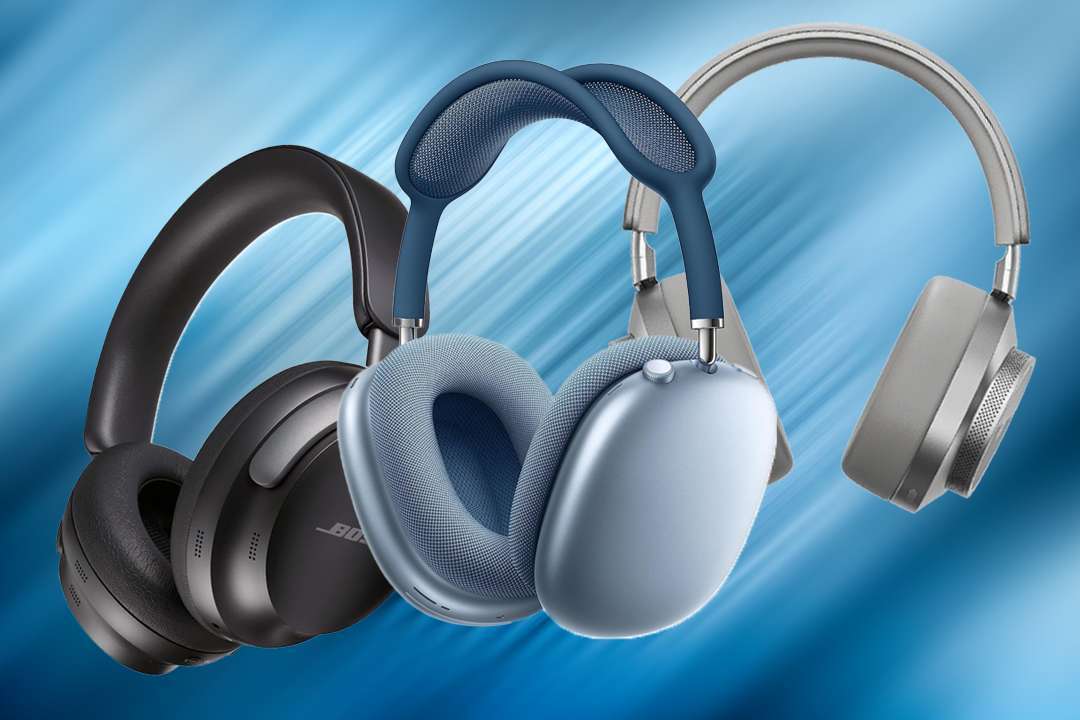
The best noise cancelling headphones for comfort are Bose QuietComfort Ultra, Sony WH-1000XM5, and Sennheiser Momentum 4.
Finding the best noise cancelling headphones for comfort is about more than soft ear cushions. Clamp force, weight, heat, glasses fit, headband pressure, and long-term sound fatigue all matter. After comparing leading models and studying their design, battery, ANC, and fit, this guide will help you choose headphones that feel good from your first song to your last video call.
What makes noise cancelling headphones comfortable?
The best noise cancelling headphones for comfort should almost disappear during use. You should notice the music, not a tight headband, warm ears, or sore pressure points.
Comfort depends on several design details:
• Weight: Lighter headphones usually create less neck strain during long sessions.
• Ear cup size: Deep, oval cups can fit more ears and reduce contact with the inner ear.
• Clamp force: A firm grip keeps headphones secure, but too much pressure can cause pain around the jaw and temples.
• Padding: Soft memory foam helps spread pressure across the head and ears.
• Headband design: A wide, padded band can prevent a painful pressure spot on the top of your head.
• Heat control: Breathable materials and moderate clamping help reduce sweaty ears.
• Glasses compatibility: People who wear glasses need enough cushion flexibility to avoid pressure behind the frames.
• Controls and fit: Easy controls matter because constantly adjusting the headphones can become annoying.
Active noise cancellation, or ANC, also affects comfort. Strong ANC can create a quiet space, but some people feel pressure or an “underwater” sensation. This is not usually harmful, but it can be distracting. A good transparency mode lets outside sound in without forcing you to remove the headphones.
In practical use, the most comfortable headphones are rarely the same for everyone. A person with a small head may prefer the Sony WH-1000XM5, while someone with larger ears may find the Bose QuietComfort Ultra or Sennheiser Momentum 4 more relaxing.

Best noise cancelling headphones for comfort: Our top picks
1. Bose QuietComfort Ultra Headphones
The Bose QuietComfort Ultra Headphones are among the best noise cancelling headphones for comfort because they combine plush cushions, gentle clamping, and a flexible headband. Their ear cups are roomy, and the padding feels soft without becoming overly loose.
They are a strong pick for flights, office work, and long study sessions. Bose is also known for excellent ANC, especially with steady sounds such as airplane engines, air conditioners, and train noise.
Key strengths include:
• Very comfortable memory foam cushions
• Excellent active noise cancellation
• Natural transparency mode
• Useful foldable design
• Clear voice pickup for calls
Potential limits include a high price and shorter battery life than some rivals. The immersive audio feature can also use more power. It may sound spacious, but it is not essential for every listener.
Choose the Bose QuietComfort Ultra if comfort and quiet are your top priorities. They are especially appealing if other headphones often feel tight or heavy.
2. Sony WH-1000XM5
The Sony WH-1000XM5 remains one of the best noise cancelling headphones for comfort for daily use. They have a light build, smooth headband, and soft oval ear cups that suit many listeners.
The clamp is moderate. The headphones feel secure without gripping too hard. Their design also works well for commuting because the ANC handles low engine rumble and busy background noise with ease.
Key strengths include:
• Light weight
• Strong ANC for travel and office use
• Detailed sound with useful EQ controls
• Excellent multipoint Bluetooth
• Long battery life
The main drawback is the fixed, non-folding hinge design. This can make them less convenient to pack. The ear cups may also feel warm during hot weather, especially after several hours.
In my experience comparing comfort-focused headphones, the XM5 is easy to forget once it is fitted correctly. That is a major advantage for people who wear headphones for work all day.
3. Bose QuietComfort Headphones
The standard Bose QuietComfort Headphones are a simpler and often more comfortable choice than many premium models. They have a light frame, soft cushions, and low clamp pressure.
They may not feel as luxurious as the Ultra model, but they are easy to wear for long periods. The physical buttons are also helpful if you dislike touch controls.
Key strengths include:
• Very low weight
• Comfortable fit for long sessions
• Strong ANC
• Foldable design
• Simple physical controls
Their sound is less detailed than some Sony and Sennheiser models. Still, comfort is their main appeal. If your ears hurt after wearing other headphones, these deserve serious attention.
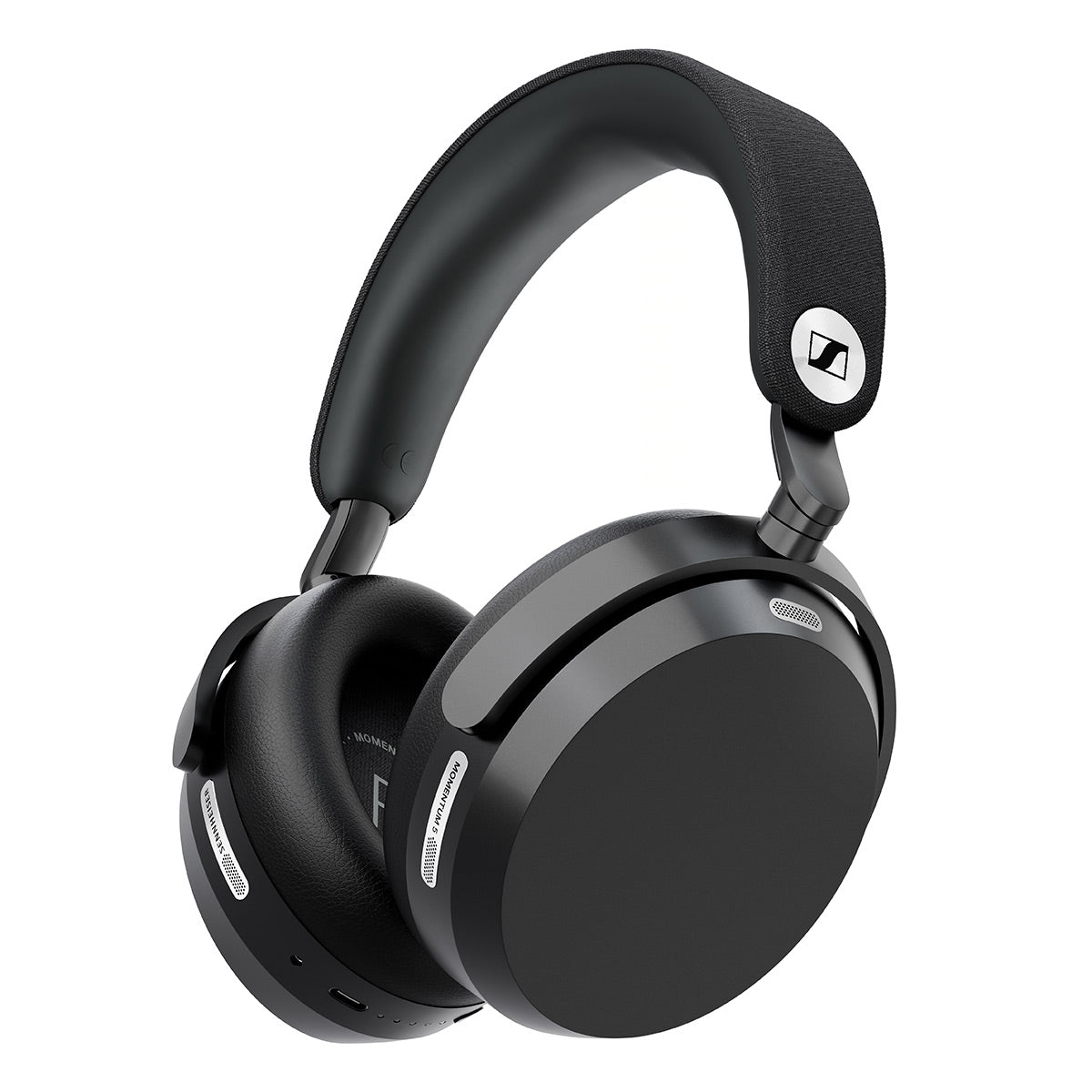
4. Sennheiser Momentum 4 Wireless
The Sennheiser Momentum 4 Wireless is one of the best noise cancelling headphones for comfort when battery life matters. Its large ear cups and thick cushions create a relaxed fit for many users.
It can run for a very long time between charges, depending on settings and volume. That makes it useful for travel, remote work, and people who dislike charging devices every night.
Key strengths include:
• Excellent battery life
• Spacious ear cups
• Warm, enjoyable sound
• Good app-based EQ
• Comfortable fit for extended use
The ANC is effective, but Bose and Sony are usually stronger in difficult travel settings. The headphones can also feel bulky on smaller heads. Try them before buying if you have a narrow head or small ears.
5. Apple AirPods Max
The Apple AirPods Max offers a premium fit, excellent transparency mode, and strong integration with Apple devices. The breathable mesh headband spreads weight across the top of the head, which some users find very comfortable.
The ear cushions are deep and soft. They can also be removed and replaced, which is useful for long-term ownership.
Key strengths include:
• Excellent transparency mode
• High-quality materials
• Comfortable, replaceable ear cushions
• Strong ANC
• Smooth connection with Apple devices
The main concern is weight. At about 13.6 ounces, they are heavier than most rivals. Some users love the balanced headband, while others notice neck fatigue after long use. They are best for Apple users who value seamless device switching and do not mind the extra weight.
6. Anker Soundcore Space Q45
The Soundcore Space Q45 is a strong budget option for people who want comfort without paying a premium price. Its ear cups are generous, and the headband has enough padding for daily use.
ANC performance is good for the price, though it does not match Bose or Sony in every environment. The companion app offers EQ control and several useful settings.
Key strengths include:
• Affordable price
• Long battery life
• Comfortable memory foam cushions
• Adjustable ANC
• Useful app features
The build feels more plastic than premium models. The cushions may also feel warm over time. Even so, the Space Q45 is a sensible option for students, commuters, and remote workers.

Comfort comparison at a glance
The best noise cancelling headphones for comfort depend on your priorities. Use this comparison as a starting point rather than a final answer.
| Headphones | Best for | Comfort profile | Main weakness |
|---|---|---|---|
| Bose QuietComfort Ultra | Premium comfort and ANC | Soft, roomy, relaxed | Expensive |
| Sony WH-1000XM5 | Light daily wear | Light with moderate clamp | Can feel warm |
| Bose QuietComfort | Maximum simplicity | Very light and gentle | Less premium sound |
| Sennheiser Momentum 4 | Battery life | Roomy and cushioned | Larger design |
| Apple AirPods Max | Apple users | Soft cushions, balanced band | Heavy |
| Soundcore Space Q45 | Budget buyers | Comfortable for the price | Less refined build |
If your first concern is low pressure, start with Bose. If you want a lighter modern design, try Sony. If you want long battery life and a larger fit, consider Sennheiser.

How to choose the best noise cancelling headphones for comfort
Check the weight
Weight matters most when you wear headphones for several hours. A difference of one or two ounces may seem small, but it can become noticeable during a long flight or workday.
Light headphones are not always more comfortable. A well-balanced heavier model may feel better than a light model with a narrow headband. Look for weight that is spread evenly across the head.
Measure ear cup space
Your ears should sit inside the cushions, not press against the speaker grille. If your ears touch the inside, discomfort and heat can build quickly.
People with larger ears should focus on deep, oval ear cups. The Bose QuietComfort range and Sennheiser Momentum 4 are often good starting points, but individual fit still varies.
Consider clamp force
Clamp force keeps headphones in place. Too little can cause movement, while too much can create pressure near the temples and jaw.
A simple test is to wear the headphones for 30 minutes without music. Move your jaw, smile, and turn your head. If you feel pressure early, the problem will likely become worse during a full workday.
Think about glasses
Glasses can create gaps under the ear cushions. Those gaps may reduce ANC and increase pressure around the arms of the frames.
People who wear glasses often prefer softer cushions and moderate clamp force. Bose models are a common fit choice because their padding tends to compress gently around frames.
Look at headband padding
A thin headband can create a hot spot on the crown of your head. A wide suspension band can spread the load more evenly.
The AirPods Max uses a mesh headband that many people find comfortable despite its weight. Other models use foam padding. The best design depends on your head shape and hair style.
Check return policies
Comfort is personal. Reviews can guide you, but they cannot predict how a specific headphone will feel on your head.
Buy from a retailer with a clear return period. Wear the headphones at home for at least one hour. Test music, podcasts, phone calls, and silence before deciding.

ANC strength versus wearing comfort
Strong ANC is useful, but maximum noise reduction is not always the most comfortable experience. Some listeners notice pressure when the headphones remove low-frequency sound.
This sensation is often linked to how your ears interpret the change in background noise. It does not mean the headphones are creating dangerous air pressure. Still, comfort comes first. If ANC feels unpleasant, lower the ANC level or use transparency mode.
The best noise cancelling headphones for comfort usually provide several listening modes:
• Full ANC for planes, buses, and loud offices
• Transparency mode for conversations and street awareness
• Adaptive ANC for changing surroundings
• Off mode for quiet rooms and better battery life
Do not treat ANC as hearing protection. Consumer headphones are not a replacement for certified earplugs or earmuffs in loud workplaces, concerts, or shooting ranges. ANC reduces perceived background noise, but it does not make every environment safe for your ears.
How to improve headphone comfort
Even the best noise cancelling headphones for comfort can feel uncomfortable if they are adjusted poorly. Small changes can make a big difference.
-
Set the headband first. Adjust it so the ear cups sit evenly and the band does not press in one spot.
-
Center your ears. Make sure both ears are fully inside the cushions.
-
Use a lower clamp position. If the headphones feel tight, extend the arms slightly rather than forcing the cups higher.
-
Clean the cushions. Sweat, oil, and dust can make padding feel less soft.
-
Take short breaks. Remove the headphones for five minutes every hour or two.
-
Replace worn cushions. Flattened foam can increase pressure and reduce ANC.
-
Adjust the sound. Excessive bass or sharp treble can cause listening fatigue, even when the physical fit feels good.
One mistake I often see is testing comfort for only five minutes. That is not enough. Some headphones feel perfect at first but develop pressure after an hour. Long-session testing gives a much more honest result.

Comfort for different users
Best for frequent travelers
The Bose QuietComfort Ultra and Sony WH-1000XM5 are excellent choices for flights and trains. Both offer strong ANC, comfortable cushions, and useful transparency modes.
Travelers should also consider folding design, case size, battery life, and multipoint Bluetooth. A comfortable headphone that is difficult to pack may become frustrating on the road.
Best for office workers
The Sony WH-1000XM5 is a strong office choice because it is light and supports multipoint connections. You can connect to a computer and phone, then switch between music and calls.
The Bose QuietComfort is also useful if you prefer physical buttons and a relaxed fit. Both models offer microphones for calls, but no wireless headphone microphone sounds exactly like a dedicated desk microphone.
Best for people with large ears
Start with Sennheiser Momentum 4, Bose QuietComfort Ultra, and Bose QuietComfort. Their ear cups tend to provide more space than many slim travel headphones.
Still, check the inner dimensions when available. “Over-ear” does not guarantee that every ear will fit inside the cushion.
Best for people with small heads
The Sony WH-1000XM5 and Bose QuietComfort are worth trying. Their adjustment ranges work well for many smaller heads.
The Sennheiser Momentum 4 can feel loose for some users. A loose fit may reduce bass and weaken ANC because the seal is not complete.
Best for glasses wearers
Look for soft cushions and low clamp force. Bose models are often comfortable with glasses, while the Sony XM5 may also work well if adjusted carefully.
Your glasses frame matters. Thick arms can break the seal and create pressure, so test the headphones with the glasses you wear every day.
Sound quality and comfort fatigue
Comfort is not only physical. Sound can also make a long listening session tiring.
Bright treble may make vocals and cymbals sound detailed, but too much high-frequency energy can become harsh. Heavy bass can feel exciting for short periods but tiring during podcasts or work.
Use the companion app to adjust the EQ. A small reduction in sharp treble or excessive bass may make the headphones easier to wear for hours. Keep the volume moderate as well. Many hearing experts recommend following the 60/60 approach: listen around 60% volume for no more than 60 minutes before taking a break.
No headphone can protect your hearing if the volume is too high. ANC can help because it lets you hear music clearly without raising the volume to overpower background noise.

Common mistakes to avoid
Choosing the best noise cancelling headphones for comfort becomes easier when you avoid a few common errors.
• Buying based only on ANC strength: Powerful ANC does not help if the headband causes pain.
• Ignoring ear cup size: Small cups can press directly on your ears.
• Overlooking heat: Leather-like cushions may feel soft but become warm.
• Assuming lighter always means better: Balance and padding matter as much as weight.
• Forgetting glasses: Test the fit with your normal frames.
• Skipping return terms: Personal fit cannot be predicted perfectly from product reviews.
• Wearing headphones too tightly: A secure fit should not feel like a clamp.
• Neglecting the app: EQ and ANC controls can improve both comfort and listening fatigue.
A practical rule is to rank your needs before shopping. Decide whether comfort, ANC, sound, battery life, calls, or price comes first. This prevents impressive specifications from distracting you from the feature you will notice every day.
Frequently Asked Questions About the Best Noise Cancelling Headphones for Comfort
What are the best noise cancelling headphones for comfort overall?
The Bose QuietComfort Ultra is the strongest overall choice for many users because it combines soft cushions, relaxed clamping, and powerful ANC. The Sony WH-1000XM5 is a close alternative if you prefer a lighter design and strong smart features.
Are Bose or Sony headphones more comfortable?
Bose headphones usually feel softer and more relaxed, while Sony headphones often feel lighter and more streamlined. Your head shape, ear size, and glasses will determine which brand feels better during long use.
What are the best noise cancelling headphones for people with large ears?
The Sennheiser Momentum 4 and Bose QuietComfort models are good starting points because they offer roomy ear cups. Always check the fit in person when possible, since ear shape varies widely.
Can noise cancelling headphones cause ear pressure?
Some people notice an underwater or pressure-like sensation when ANC is active. It is usually a perception caused by the change in background sound, but you can reduce ANC strength or use transparency mode if it feels uncomfortable.
Are heavier headphones less comfortable?
Not always. A heavier model can still feel comfortable if its weight is balanced across the head. However, lighter headphones usually create less neck strain during very long listening sessions.
How long can you wear noise cancelling headphones?
Many people can wear comfortable headphones for several hours, but regular breaks are still wise. Remove them every hour or two, keep the volume moderate, and stop if you feel pain, ringing, or numbness.
Do glasses make noise cancelling headphones less effective?
Glasses can create small gaps between the cushions and your skin. These gaps may reduce the seal, lower bass, and weaken ANC, especially with thick frames.
Conclusion
The best noise cancelling headphones for comfort should fit your head, ears, habits, and budget. Bose QuietComfort models are excellent for soft padding and low pressure, Sony offers a light and capable daily design, and Sennheiser provides roomy cups with outstanding battery life. Apple AirPods Max suits users who value premium materials and Apple integration, while Soundcore offers strong value.
Do not choose by ANC power or sound quality alone. Check the weight, ear cup space, clamp force, headband, heat, glasses fit, and return policy. Try your top choice for a full hour before committing, then explore more headphone guides or share your comfort experience in the comments.
Everett Ashford is a tech reviewer at mytechgrid.com specializing in SSDs, cameras, TVs, earbuds, headphones, and other consumer electronics. He provides honest, data-driven reviews based on hands-on testing and real-world performance analysis. Everett simplifies complex tech details to help readers make smart, confident buying decisions.