Introduction
Yes. Canon is a good choice for photography in the United States, but the best Canon camera depends on your subject, budget, and lens needs. Canon makes cameras for beginners, families, travel, sports, wildlife, portraits, weddings, and professional work.
Canon’s main strengths are its broad lens range, simple menus, strong autofocus, and large user base. Its cameras also range from low-cost entry models to high-end professional bodies. That gives you room to grow without changing brands.
Still, Canon is not always the best fit. Sony may offer a wider range of compact mirrorless bodies. Nikon may appeal to photographers who prefer certain controls or high-resolution models. Fujifilm may be a better match for people who want small cameras and built-in film looks.
The short answer is this: Canon is good for photography when its camera controls, lens system, size, and price match your needs.
Why Canon Is a Good Brand for Photography
Canon is one of the most established camera makers in the U.S. Its camera system covers many skill levels and shooting styles.
A wide range of cameras
Canon sells several types of interchangeable-lens cameras:
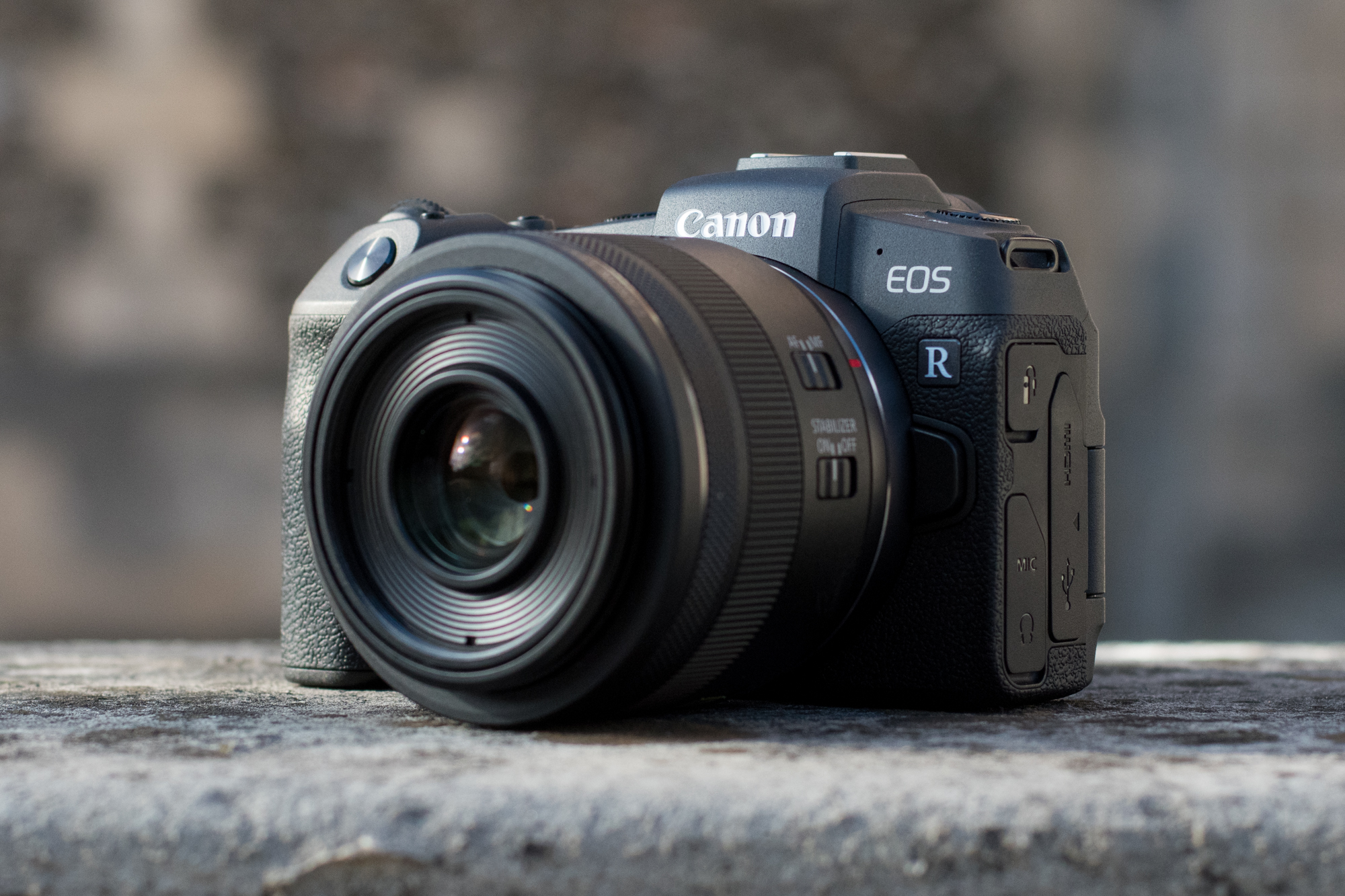
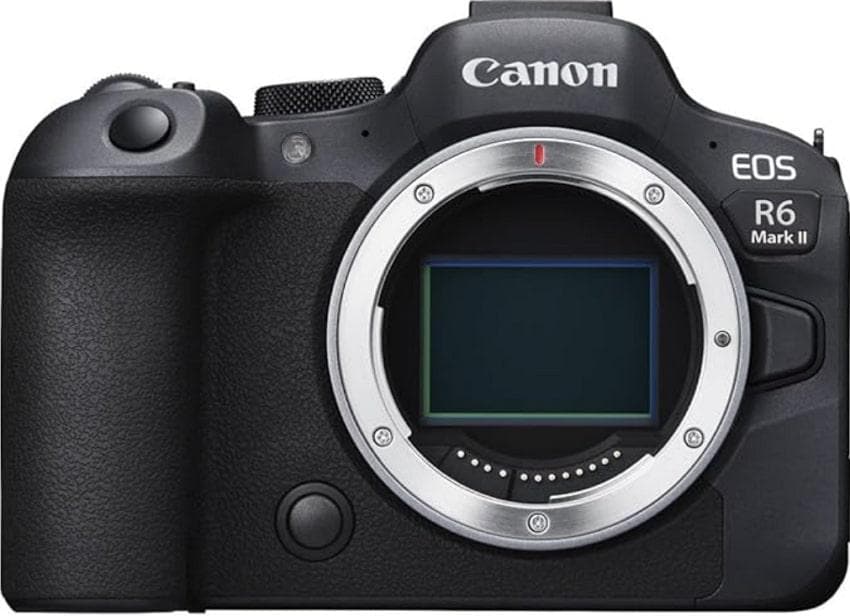
- EOS R mirrorless cameras: Canon’s current main camera line
- EOS DSLR cameras: Older models that still work well
- Full-frame cameras: Better suited to low light, portraits, and high-end work
- APS-C cameras: Smaller and often less costly
- Entry-level cameras: Designed for new photographers
- Professional cameras: Built for demanding use and fast action
This range makes Canon useful for both a first camera and a long-term system.
Strong autofocus
Modern Canon EOS R cameras use Canon’s Dual Pixel CMOS autofocus system. Many models can detect faces, eyes, animals, and vehicles. The exact features vary by camera.
Good autofocus helps with:
- Moving children
- Pets
- Birds
- Sports
- Events
- Street photos
- Portraits
Autofocus is not magic. It can still miss when the subject is very small, poorly lit, hidden, or moving in an unusual way. Your lens, shutter speed, focus mode, and camera settings also matter.
A deep lens system
Canon offers RF lenses for its EOS R mirrorless cameras. It also has a large EF lens system for its DSLR cameras.
Canon’s lens choices include:
- Wide-angle lenses for landscapes and real estate
- Standard zooms for travel and daily use
- Telephoto lenses for sports and wildlife
- Macro lenses for close-up work
- Fast prime lenses for portraits and low light
- Budget lenses for new photographers
RF cameras can often use older EF lenses through an adapter. This helps people move from a Canon DSLR to a Canon mirrorless camera without replacing every lens at once.
The key limit is simple: an EF lens needs the correct adapter on an RF camera, and an RF lens cannot be used on a Canon DSLR.
Easy-to-learn controls
Many Canon cameras use clear menus and familiar controls. This can reduce the learning curve for new photographers.
Canon cameras commonly offer:
- Automatic modes
- Program mode
- Aperture priority
- Shutter priority
- Manual exposure
- Touch-screen controls
- Custom shooting settings
- Built-in Wi-Fi or Bluetooth on many models
A beginner can start with automatic modes. Later, they can learn exposure and focus controls without changing systems.
Good support and accessories
canon is widely used in the U.S. This means users can find:
- Replacement batteries
- Chargers
- Memory cards
- Lens adapters
- Used lenses
- Camera bags
- Flash units
- Repair services
- Tutorials and guides
A common system can also make it easier to borrow or rent lenses. Availability varies by location and model.
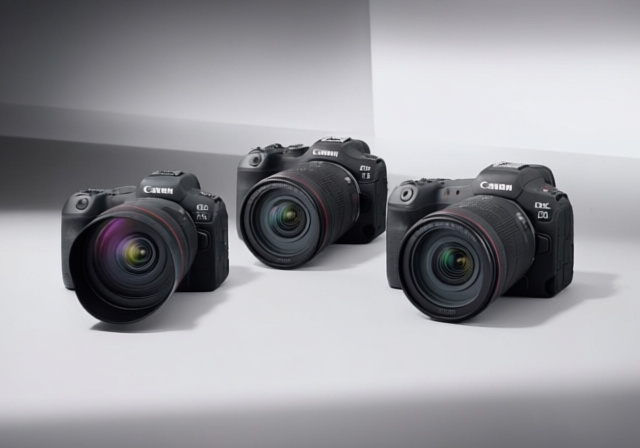
Canon Mirrorless vs. Canon DSLR: Which Is Better?
For most new buyers, a Canon mirrorless camera is the better long-term choice. A used Canon DSLR can still be a strong value, especially for beginners on a tight budget.
Canon mirrorless cameras
Mirrorless cameras do not use a DSLR mirror box. Light goes straight to the image sensor. You view the image through the rear screen or an electronic viewfinder.
Benefits include:
- Smaller bodies in some models
- Electronic viewfinders
- Live exposure previews
- Strong subject detection on newer models
- Silent shooting options on some cameras
- Newer RF lenses
- Continued development in the EOS R system
The electronic viewfinder can show changes in brightness, white balance, and exposure before you take the photo. This helps new users understand what the camera will record.
Canon DSLR cameras
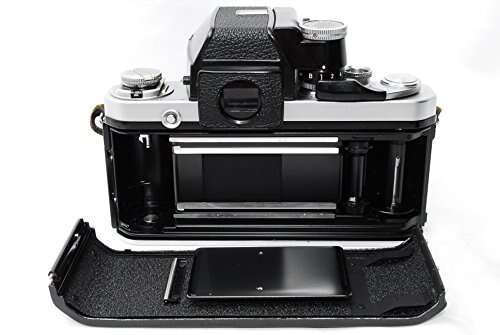
A DSLR uses a mirror and an optical viewfinder. You see the scene through the lens without an electronic display.
Benefits include:
- Low used prices
- Long battery life in many models
- A large selection of used EF lenses
- Familiar optical viewfinders
- Proven durability on many models
- Good image quality, even on older cameras
The main drawback is system age. Canon has focused much of its recent development on mirrorless EOS R cameras. New RF lenses are made for the mirrorless system.
Quick comparison
| Feature | Canon mirrorless | Canon DSLR |
|---|---|---|
| Best for | New buyers and system growth | Low-cost entry and used gear |
| Viewfinder | Electronic | Optical |
| Lens mount | RF or RF-S | EF or EF-S |
| Adapter needs | EF lenses need an adapter | RF lenses do not fit |
| Size | Often smaller, model dependent | Often larger |
| Battery life | Often shorter per charge | Often longer |
| New development | Strong | More limited |
| Used value | Varies | Often very good |
Choose mirrorless if you want a new system that Canon is actively developing. Choose a DSLR if a low-cost body and affordable used EF lenses matter most.

Is Canon Good for Beginners?
Canon is very good for beginners because its cameras offer simple modes and room to learn. You do not need to understand every setting on day one.
A beginner can start with:
- Automatic exposure
- A standard zoom lens
- Face or eye detection
- Auto white balance
- JPEG or JPEG plus RAW
- A basic editing app
As your skills grow, you can learn:
- Aperture
- Shutter speed
- ISO
- Exposure compensation
- Manual focus
- RAW editing
- Flash control
Canon’s entry-level cameras can produce sharp images in good light. The camera does not create good photos by itself, though. Light, timing, focus, and composition have a greater effect than the brand name.
A good beginner setup
A useful starter kit often includes:
- One Canon APS-C mirrorless camera
- A standard kit zoom
- One spare battery
- A reliable memory card
- A small camera bag
- A basic editing program
A fast prime lens can be a smart second purchase. A 35mm or 50mm equivalent lens can help with portraits, indoor photos, and low-light scenes. The exact focal length depends on the camera’s sensor size.
What beginners should avoid
Do not spend your full budget on the camera body alone. A camera system also needs:
- Lenses
- Batteries
- Storage cards
- A strap or bag
- Cleaning tools
- Editing software
- Possible repair costs
A less costly camera with a better lens may produce more useful results than an expensive camera with a weak or unsuitable lens.

Is Canon Good for Professional Photography?
Yes. Canon cameras are used for professional portraits, weddings, sports, wildlife, news, commercial work, and studio photography.
A professional photographer usually needs more than image quality. The full decision may include:
- Autofocus reliability
- Burst speed
- Buffer size
- Weather protection
- Battery life
- Dual card slots
- Lens choice
- Flash support
- File handling
- Service options
- Ergonomics
- Backup equipment
High-end Canon cameras offer features aimed at demanding work. But a professional does not always need the most expensive body. A photographer who takes portraits in a studio may value resolution and lens quality more than extreme burst speed.
A sports photographer may care more about subject tracking, response time, and long telephoto lenses. A wedding photographer may care about dual card slots, low-light focus, battery life, and quiet shooting.
Professional camera needs by subject
| Type of work | Features that matter most |
|---|---|
| Portraits | Skin tones, eye autofocus, lens quality, flash |
| Weddings | Low-light focus, dual cards, battery life, quiet modes |
| Sports | Tracking, burst speed, buffer, long lenses |
| Wildlife | Subject detection, reach, stabilization, battery life |
| Studio work | Resolution, tethering, color, lens quality |
| Travel | Weight, battery life, weather protection, versatility |
| Real estate | Wide lenses, dynamic range, flash or tripod use |
The best Canon camera for professional work is the one that meets the job’s risks and deadlines. A camera that feels comfortable and works reliably may be more useful than one with higher lab scores.

Canon Image Quality: What Should You Expect?
Canon cameras can produce high-quality images, but image quality depends on the whole system.
Important factors include:
- Sensor size
- Sensor resolution
- Lens sharpness
- Lighting
- Focus accuracy
- Shutter speed
- ISO level
- RAW processing
- Subject movement
Sensor size
Canon cameras use several sensor sizes. Full-frame sensors are larger than APS-C sensors.
A full-frame camera may provide:
- Better control of background blur
- Strong low-light performance
- Wider views with the same lens design
- More room for cropping in some situations
An APS-C camera may provide:
- Lower cost
- Smaller lenses
- A lighter kit
- Extra apparent reach with telephoto lenses
Sensor size is not a simple quality score. A skilled photographer can make excellent images with either format.
Resolution
More megapixels can help when you need to crop or print large images. It can also increase file size and storage needs.
High resolution does not fix:
- Missed focus
- Camera shake
- Poor light
- Bad composition
- Motion blur
For family photos and online sharing, many current Canon cameras offer more resolution than most users need.
Color and RAW files
Canon cameras are known for producing pleasing color in many conditions. However, color depends on picture styles, white balance, lighting, and editing.
RAW files retain more editing data than JPEG files. They also require processing. JPEG files are easier to share but give you less control after capture.
For important work, many photographers save both RAW and JPEG files. This uses more storage, so use a large, reliable card and maintain backups.
High ISO and low light
A larger sensor and fast lens can help in dim light. A camera with strong noise control can also help.
Still, high ISO has a cost. Images may show more noise and less fine detail. A tripod, flash, faster lens, or brighter location may solve the problem better than buying a new camera.

Canon for Different Types of Photography
Canon can work well for many subjects, but each type of photography creates different needs.
Portrait photography
Canon is a strong option for portraits. Eye detection can help keep focus on the subject’s eyes. A bright prime lens can create a soft background and work well indoors.
For portraits, look for:
- Eye detection
- A comfortable grip
- A lens between moderate wide-angle and short telephoto
- Good skin-tone control
- Flash compatibility
- Easy RAW editing
The lens often matters more than the camera body. A simple body with a high-quality portrait lens can produce better results than a costly body with a basic kit lens.
Sports photography
Canon can be a good choice for sports. Fast autofocus and rapid shooting help capture peak action.
Sports users should check:
- Continuous autofocus performance
- Burst rate
- Buffer depth
- Shutter response
- Battery life
- Telephoto lens cost
- Weather protection
Do not judge a sports camera by burst speed alone. If the buffer fills quickly or the lens focuses slowly, the headline speed may not help much.
Wildlife photography
Canon offers cameras and lenses that suit wildlife work. The challenge is often the lens, not the camera.
Wildlife photography may require:
- A long telephoto lens
- Strong subject tracking
- Image stabilization
- A high shutter speed
- Weather protection
- Extra batteries
- A sturdy support system
Long lenses can be expensive and heavy. Before choosing a body, price the complete kit.
Landscape photography
Canon cameras can capture excellent landscapes. A tripod, good light, and a suitable wide-angle lens may matter more than autofocus speed.
Landscape photographers may value:
- High dynamic range
- High resolution
- Weather resistance
- A clear viewfinder
- Wide lenses
- Low base ISO
- Strong RAW files
A tripod can help with sharpness and exposure control. It also lets you use lower ISO settings in dim light.
Travel photography
Canon is a good travel option when the camera and lens fit your weight limit. A small APS-C mirrorless body can be easier to carry than a large full-frame kit.
Travel buyers should consider:
- Total kit weight
- Battery charging
- USB charging support
- Lens size
- Weather conditions
- Theft risk
- Local repair access
- Storage and backup needs
The best travel camera is often the one you will carry all day.

Canon Camera Systems and Lens Compatibility
Canon’s lens mounts are important. The mount determines which lenses fit and whether an adapter is needed.
RF and RF-S lenses
RF lenses are made for Canon’s EOS R mirrorless cameras. RF-S lenses are designed for Canon’s APS-C EOS R cameras.
An RF-S lens can work on some full-frame EOS R cameras, but the camera may use a cropped part of the sensor. This can reduce the active image area.
EF and EF-S lenses
EF and EF-S lenses were made for Canon’s DSLR system. Many can work on EOS R cameras with a Canon EF-EOS R adapter.
Adapter performance can vary by lens and camera combination. Autofocus often works well with supported combinations, but check Canon’s compatibility information before buying used equipment.
A simple compatibility guide
| Lens type | Canon DSLR | Canon full-frame EOS R | Canon APS-C EOS R |
|---|---|---|---|
| EF | Yes | Yes, with adapter | Yes, with adapter |
| EF-S | Yes, on compatible DSLR | Usually with adapter and crop mode | Yes, with adapter |
| RF | No | Yes | Yes |
| RF-S | No | Yes, with crop behavior on many full-frame bodies | Yes |
Always confirm the exact camera and lens model. “Canon lens” is not enough information to prove compatibility.

Canon vs. Sony, Nikon, and Fujifilm
Canon is not automatically better than every competing brand. The right choice depends on the system as a whole.
| Brand | Common strengths | Possible trade-offs |
|---|---|---|
| Canon | Easy controls, strong autofocus, broad system | Some lenses may cost more; RF compatibility needs care |
| Sony | Large mirrorless range and broad third-party lens support | Menus and controls may feel less friendly to some users |
| Nikon | Comfortable handling, strong full-frame options, good ergonomics | System choice depends on the exact Z lens needs |
| Fujifilm | Compact bodies, APS-C focus, film simulation styles | Different control style and fewer full-frame options |
| Panasonic | Video tools and strong stabilization on some models | Autofocus behavior varies by system and model |
| OM System | Small bodies and long-lens reach | Smaller sensors may limit some low-light goals |
These are broad system traits, not rules for every model.
When Canon may be the better choice
Canon may suit you if you want:
- Simple controls
- Strong subject detection
- A large brand ecosystem
- Easy access to used gear
- A clear upgrade path
- Canon color and lens options
- Good support in the U.S.
When another brand may fit better
Another brand may suit you if you need:
- A very small travel body
- A specific third-party lens
- A certain video feature
- A particular viewfinder or control layout
- A lower-cost full-frame lens
- A highly specialized camera body
The best choice is not the brand with the most features. It is the system that fits your hands, subjects, and budget.
How Much Should You Spend on a Canon Photography Kit?
The camera body is only one part of the cost. A useful budget should include the lens and basic accessories.
Example budget categories
| Budget level | Typical goal | What to prioritize |
|---|---|---|
| Lower budget | Family, school, travel | Used DSLR or entry mirrorless plus kit lens |
| Mid-range | Portraits, events, serious hobby use | Better autofocus, a brighter lens, spare battery |
| Higher budget | Professional or specialized work | Reliable body, key lenses, backup gear, storage |
| Specialty budget | Wildlife, sports, studio | Telephoto lens, lighting, support, backup system |
These are planning categories, not fixed market prices. Prices change by model, retailer, condition, and sales period.
A simple budget rule
First choose the subject. Then choose the lens. Then choose the camera body that supports that lens and workflow.
For example:
- Portraits may justify a bright prime lens.
- Wildlife may require a long telephoto lens.
- Travel may favor a light zoom.
- Studio work may need lights and a tethering setup.
- Real estate may need a wide lens and tripod.
Buying the wrong lens can cost more than choosing a slightly less expensive camera body.

Common Problems With Canon Cameras
Canon cameras are capable, but they have limits. Knowing them can prevent a poor buying decision.
Lens costs
Some newer mirrorless lenses cost more than the camera buyer expects. A low body price does not always mean a low system price.
Check the cost of the lenses you will need before buying the body.
Crop sensors change the view
An APS-C sensor does not make a lens longer in a physical sense. It records a narrower part of the image circle. This creates a tighter field of view than the same lens on full frame.
This can help with distant subjects. It can also make wide-angle work harder.
Electronic viewfinder battery use
Mirrorless cameras use power for the electronic viewfinder and rear screen. Battery life varies by model, settings, temperature, and use.
Carry a spare battery for long sessions.
Rolling shutter
Electronic shutters can cause distortion with fast movement or rapid camera motion. Some Canon cameras offer mechanical or electronic-curtain options.
For fast action, test the shutter mode you plan to use. Do not assume silent electronic shooting is best in every situation.
Overheating and long video use
A camera built mainly for still photography may have limits during long video recording. Heat, room temperature, resolution, frame rate, and recording settings all matter.
If video is a major need, check Canon’s official recording limits for the exact model.
Battery and card errors
Many problems blamed on a camera come from:
- Old batteries
- Unreliable memory cards
- Dirty contacts
- Unsupported card speeds
- Corrupt files
- Loose connections
Use compatible cards and batteries. Format cards in the camera after saving your files. Never format a card before confirming your backup.

How to Choose the Right Canon Camera
Use this process before you buy.
Step 1: Name your main subject
Choose the subject you photograph most:
- People
- Family
- Travel
- Sports
- Wildlife
- Landscapes
- Products
- Video
One camera can cover many subjects, but no body is best at everything.
Step 2: Set a full-kit budget
Include:
- Camera
- Lens
- Battery
- Memory card
- Bag
- Strap
- Editing tools
- Possible adapter
If you already own Canon EF lenses, include the price of a compatible adapter.
Step 3: Choose the sensor size
Choose APS-C for a smaller, lower-cost kit. Choose full frame when low-light control, depth of field, or high-resolution cropping matters more.
Step 4: Pick the lens first
Ask what focal length and aperture your subject needs. A lens that fits your work can have a larger effect than a body upgrade.
Step 5: Check the features that affect your work
Look for:
- Eye and subject detection
- Card slots
- Stabilization
- Weather protection
- Battery life
- Viewfinder quality
- Screen movement
- USB charging
- Wireless transfer
- Video limits
Step 6: Handle the camera if possible
Visit a U.S. camera store or retailer with a return policy. Test:
- Grip comfort
- Button placement
- Menu speed
- Viewfinder clarity
- Screen movement
- Lens balance
- Weight
A camera may look ideal online but feel awkward in your hands.
Frequently Asked Questions
Is Canon better than Nikon for photography?
Neither brand is always better. Canon and Nikon both make capable cameras and lenses. Compare the exact models, lens prices, autofocus needs, controls, and total kit cost.
Is Canon better than Sony for photography?
Sony offers many strong mirrorless cameras and a large lens market. Canon may be easier for users who prefer its controls, menus, autofocus behavior, or lens ecosystem. The exact model matters more than the logo.
Is Canon good for professional photographers?
Yes. Canon makes cameras for demanding professional work. The best model depends on the assignment. Check features such as card slots, autofocus, lens support, battery life, weather protection, and service options.
Are Canon DSLR cameras still worth buying?
A used Canon DSLR can be worth buying when the price is low and the available EF lenses meet your needs. A new buyer who wants long-term access to Canon’s newest system may prefer an EOS R mirrorless model.
Can I use old Canon lenses on a mirrorless camera?
Many EF and EF-S lenses can be used on Canon EOS R cameras with an EF-EOS R adapter. Check the exact lens, adapter, and camera before buying. RF lenses do not fit Canon DSLRs.
Is Canon good for low-light photography?
Canon can be good for low-light work, especially with a full-frame body and a fast lens. Results also depend on shutter speed, focus, subject movement, image stabilization, and lighting.
Final Verdict: Is Canon Good for Photography?
Canon is good for photography and is a safe choice for many U.S. photographers. It offers cameras for beginners, enthusiasts, professionals, and specialized shooters.
Its strongest reasons to buy include:
- A broad range of cameras
- Strong autofocus on many current models
- Many lens choices
- Simple controls
- A large U.S. support and used market
- Clear upgrade paths within the Canon system
Its main cautions include lens cost, mount compatibility, battery use on mirrorless cameras, and the need to compare exact models.
For most new buyers, start by choosing the subject and lens. Then select the Canon body that supports that plan. If you already own Canon EF lenses, compare the cost of an adapter and a new EOS R body. If you are choosing between brands, handle the cameras and compare the full system—not just the body.

Everett Ashford is a tech reviewer at mytechgrid.com specializing in SSDs, cameras, TVs, earbuds, headphones, and other consumer electronics. He provides honest, data-driven reviews based on hands-on testing and real-world performance analysis. Everett simplifies complex tech details to help readers make smart, confident buying decisions.