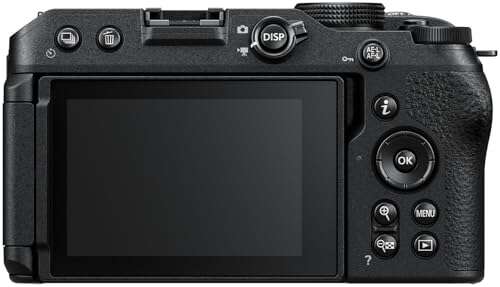
A point and shoot camera is a compact, simple camera for everyday photography.
I’ve spent years testing cameras and teaching people how to take better photos. In this article you’ll get a clear, practical answer to what is a point and shoot camera, how these cameras work, who they suit best, and how to choose one. I’ll share real-world tips from hands-on use and explain pros, cons, and common mistakes to avoid so you can decide whether a point and shoot camera is right for your needs.
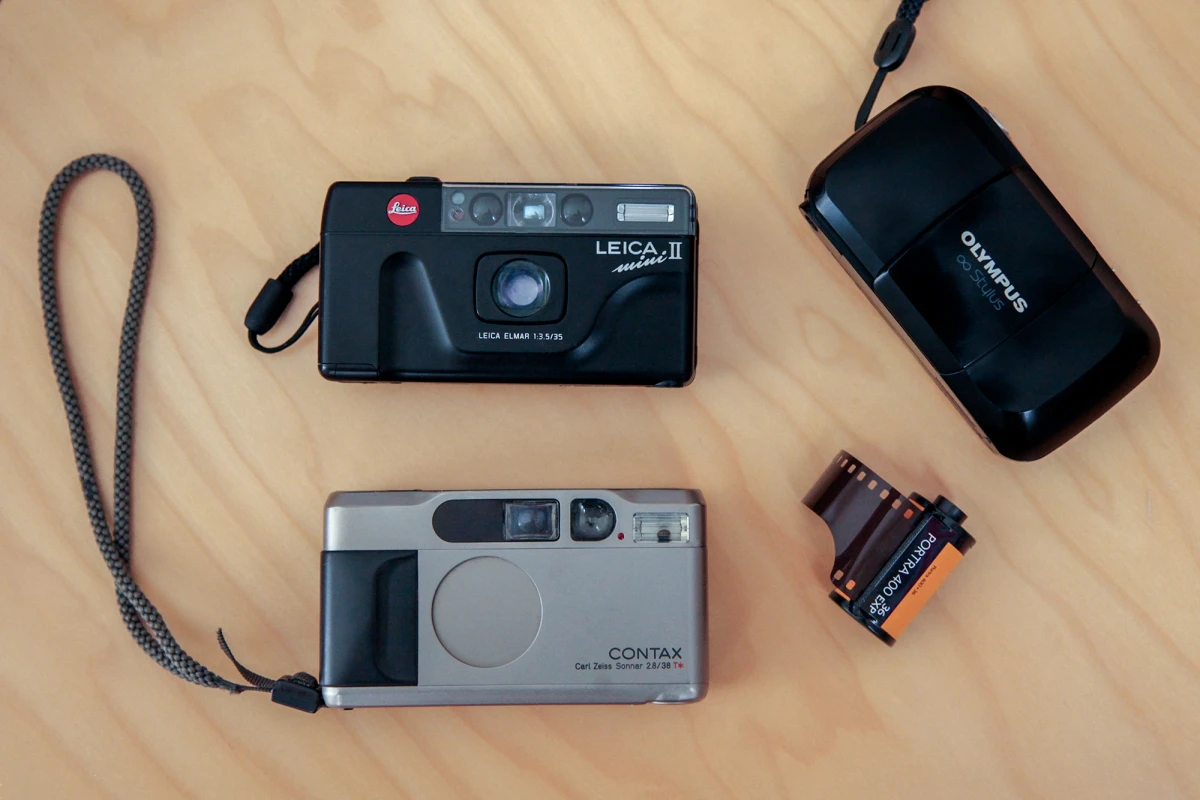
What is a point and shoot camera? Definition and quick overview
A point and shoot camera is a small, all-in-one camera designed for ease of use. The camera handles focus, exposure, and many settings automatically so you can point at a subject and shoot. If you ask "what is a point and shoot camera" in simple terms, it’s a compact camera built for speed and simplicity rather than full manual control. These cameras typically have fixed or limited-zoom lenses, built-in flash, and a user-friendly interface. They aim to let you capture good photos with minimal setup and learning.
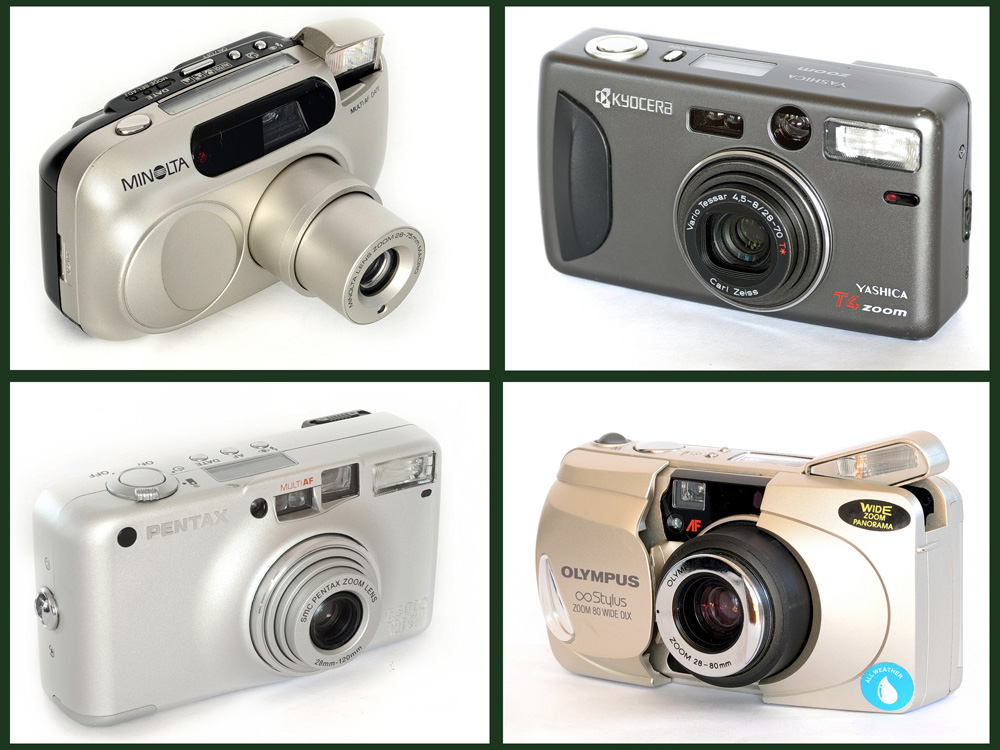
How point and shoot cameras work
Point and shoot cameras combine a lens, sensor, and processing engine into a compact body. The camera’s auto modes read light and focus data and then pick aperture, shutter speed, and ISO for you. Many models add scene modes like portrait, landscape, and night to optimize results. Some advanced compacts also offer manual overrides for more control when you need it. When people ask what is a point and shoot camera, they often mean this automated simplicity in capturing decent images fast.

Key features and specifications to know
- Sensor size. Smaller sensors are common in point and shoot cameras and influence image quality.
- Lens and zoom range. Many use fixed wide-angle lenses or modest optical zooms for versatility.
- Autofocus system. Quick, reliable autofocus is a hallmark of good point and shoot cameras.
- Image stabilization. Built-in stabilization reduces blur from hand shake.
- Built-in flash. Useful for close subjects and low light fill.
- Modes and presets. Scene modes make shooting different situations easier.
- Connectivity. Wi-Fi and Bluetooth for quick sharing and remote control.
Understanding these specs helps answer what is a point and shoot camera in practical terms: a deliberately simplified tool with components tuned for everyday shooting.

Types and variations of point and shoot cameras
- Basic compact cameras. Designed for casual shooters and travel.
- Travel zoom compacts. Offer longer optical zooms in a compact body.
- Premium compacts. Larger sensors, fast lenses, and RAW capture for enthusiasts.
- Waterproof and rugged compacts. Built for outdoor, underwater, and adventure use.
Each type fits different needs. If you want to know what is a point and shoot camera for travel, the travel zoom and rugged compacts are often the best choices.
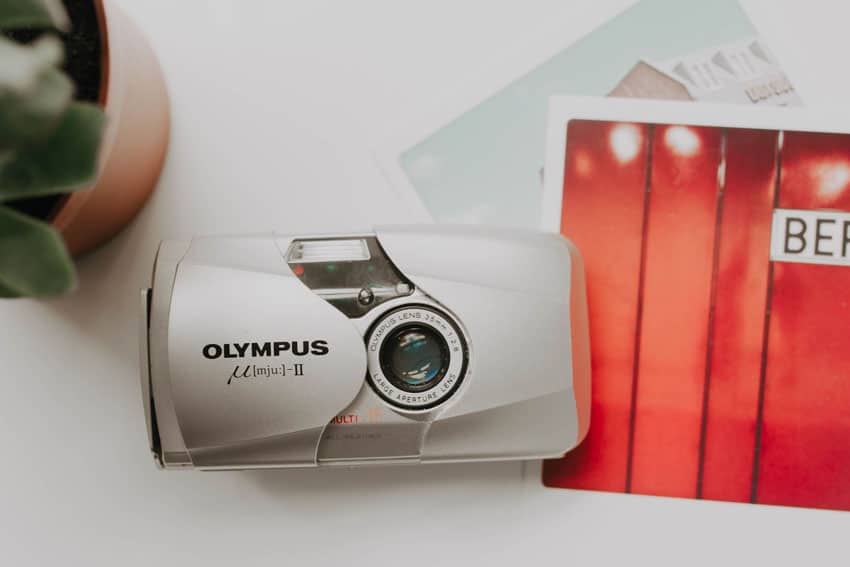
Benefits and ideal users
- Simplicity. Great for beginners and people who want quick results.
- Portability. Easy to carry and less intrusive than larger cameras.
- Speed. Fast setup and shooting for everyday moments.
- Affordability. Many models cost less than interchangeable-lens systems.
People who ask what is a point and shoot camera usually want a device they can use on trips, family events, and casual shoots without technical hassle.

Limitations and when to avoid a point and shoot camera
- Low-light performance. Smaller sensors struggle in dim conditions compared with larger-sensor cameras.
- Limited creative control. If you need complete manual control and lens flexibility, mirrorless or DSLR systems are better.
- Image quality ceiling. Even premium compacts have limits compared to interchangeable-lens cameras.
If your goal is professional work, large prints, or advanced low-light shooting, a point and shoot camera may not meet your needs. Still, for many everyday uses, the convenience outweighs these limits.
How to choose the right point and shoot camera
- Decide your priority. Portability, zoom reach, or low-light ability will guide your choice.
- Check sensor size. Larger sensors give better detail and dynamic range.
- Look at lens speed. Lower f-number (f/1.8, f/2.8) helps in low light.
- Test autofocus and ergonomics. Hold the camera and try menus before buying.
- Consider RAW support. RAW lets you edit more deeply later.
Ask yourself what is a point and shoot camera supposed to do for you. Match features to use cases like travel, family photos, or blogging.
Practical tips and real-life experience
I used a compact point and shoot on a week-long city trip. The camera fit in a jacket pocket. I shot street scenes, food, and night lights without swapping lenses. Results were sharp and share-ready. Lesson learned: keep the camera set to an aperture-priority or program mode for fast shooting and let stabilization do the work. Avoid relying on digital zoom. If you need more reach, buy a camera with a true optical zoom instead.
People also ask (PAA) — quick questions
What is a point and shoot camera best for?
It’s best for quick, casual photos when you want good results without fiddling with settings.
Can point and shoot cameras take professional quality photos?
They can produce excellent images, but full professional flexibility and low-light performance are limited compared to larger-sensor systems.
Is a point and shoot camera still worth buying today?
Yes, for travel, simplicity, and fast shooting; premium compacts offer strong image quality for enthusiasts.
Frequently Asked Questions of what is a point and shoot camera
What is a point and shoot camera good for?
Point and shoot cameras are good for travel, family shots, and everyday snapshots where simplicity matters. They give reliable results with little setup.
How does a point and shoot camera differ from a smartphone camera?
Point and shoot cameras often have better optical zoom, physical controls, and dedicated sensors. Smartphones usually focus on computational photography and convenience.
Can I shoot in RAW with a point and shoot camera?
Many mid and high-end point and shoot cameras offer RAW capture, which allows for better post-processing flexibility.
Do point and shoot cameras have zoom lenses?
Yes, many point and shoot cameras include optical zoom lenses. The zoom range varies by model from modest to very long.
Should beginners buy a point and shoot camera or a mirrorless camera?
Beginners who want ease and portability should choose a point and shoot camera. Those who want growth and manual control may prefer starting with a mirrorless system.
How durable are point and shoot cameras?
Durability varies. Rugged models are built for bumps and water, while basic compacts are more delicate and need careful handling.
Are point and shoot cameras good for video?
Many offer solid 1080p or 4K video with good autofocus. They can be great for casual vlogging and travel clips.
Conclusion
A point and shoot camera provides an easy, portable way to capture strong everyday photos with minimal fuss. If you value convenience, speed, and simple controls, a point and shoot camera is a smart choice. Try one for a trip or daily shooting to see how it changes your workflow and creativity. If you found this helpful, leave a comment with your priorities or subscribe for more camera guides and real-world tips.

Jamie Lee is a seasoned tech analyst and writer at MyTechGrid.com, known for making the rapidly evolving world of technology accessible to all. Jamie’s work focuses on emerging technologies, product deep-dives, and industry trends—translating complex concepts into engaging, easy-to-understand content. When not researching the latest breakthroughs, Jamie enjoys exploring new tools, testing gadgets, and helping readers navigate the digital world with confidence.