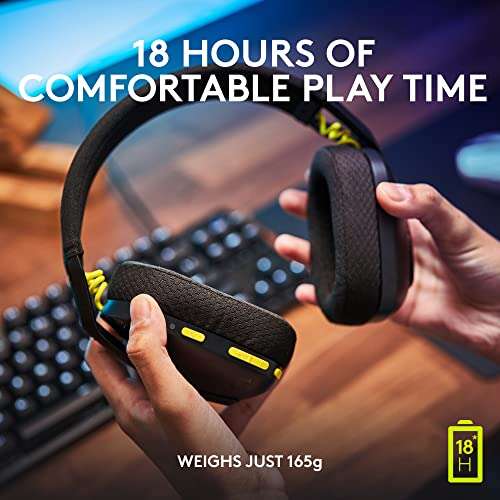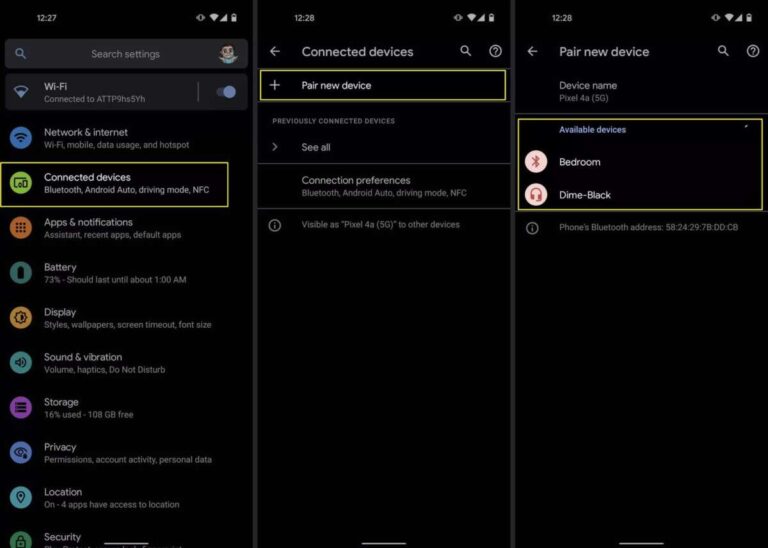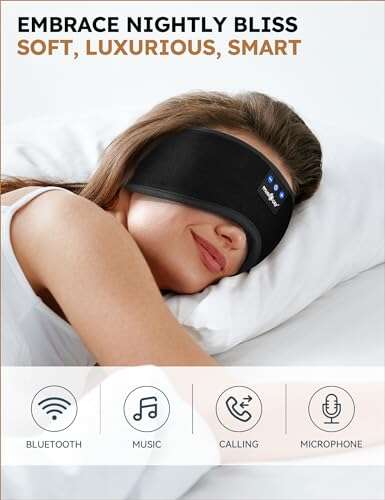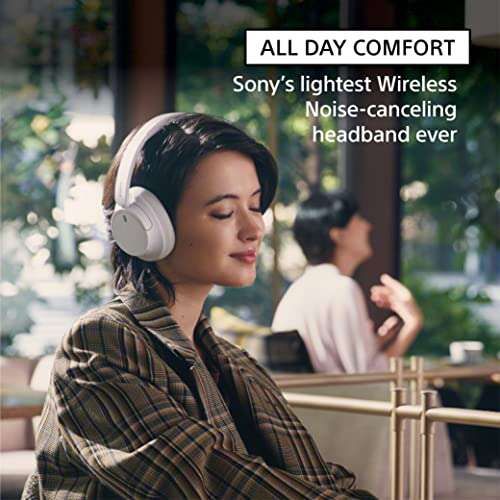
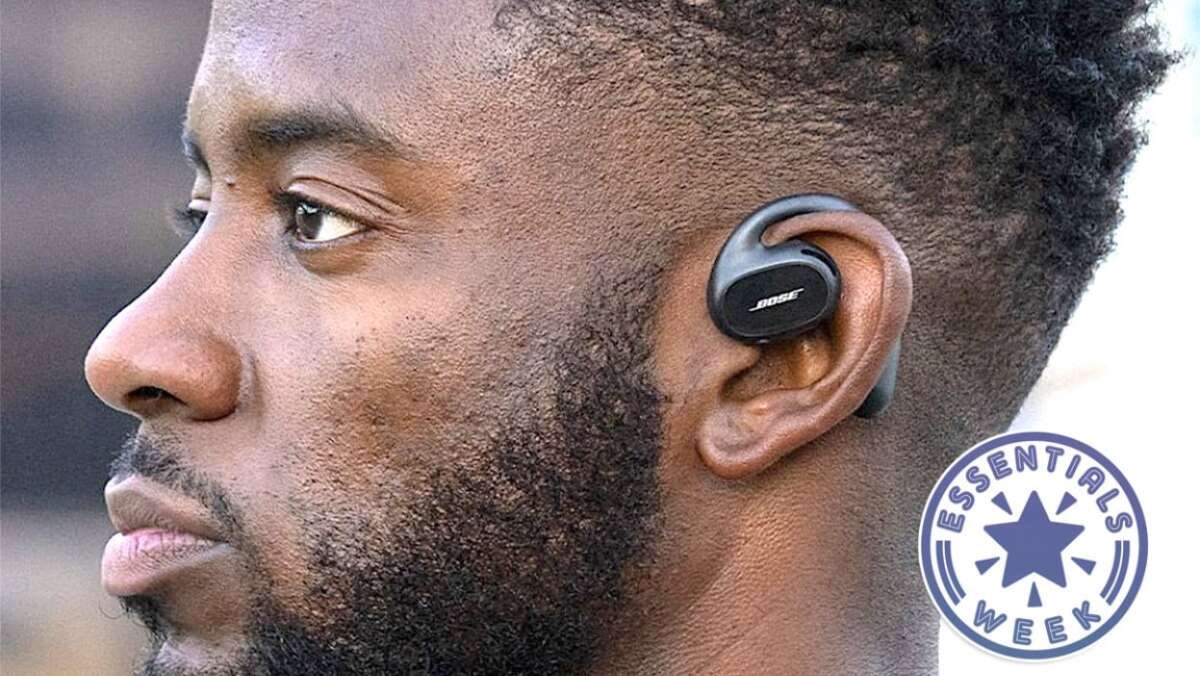
The best exercise headphones stay secure, resist sweat, sound clear, and keep you aware of your surroundings.
Choosing the best headphones for exercise is not just about loud bass or a famous brand. Fit, sweat protection, battery life, comfort, safety, and workout type all matter. After comparing open-ear models, sport earbuds, and over-ear designs, this guide will help you find a pair that feels like a reliable training partner rather than one more thing to adjust at the gym.
What are the best headphones for exercise?
The best headphones for exercise depend on where and how you train.
For most people, the strongest choices are secure wireless earbuds or open-ear headphones. Earbuds create a more immersive sound, while open-ear models let you hear traffic, gym announcements, and people around you.
Here are the top picks by use:
| Best for | Recommended headphones | Why they stand out |
|---|---|---|
| Best overall sport earbuds | Powerbeats Pro 2 | Secure ear hooks, strong sound, and useful fitness features |
| Best open-ear headphones | Shokz OpenRun Pro 2 | Comfortable fit and excellent awareness outdoors |
| Best for outdoor safety | Bose Ultra Open Earbuds | Open design and natural environmental awareness |
| Best for sweat resistance | Jabra Elite 8 Active Gen 2 | Tough design and a secure fit |
| Best budget option | Soundcore Sport X20 | Low price, ear hooks, and long battery life |
| Best for running | JBL Endurance Peak 3 | Stable ear-hook fit and strong water resistance |
| Best for gym workouts | Beats Fit Pro | Compact design and good sound isolation |
Product availability can change, especially as brands update or discontinue models. Check the current product page, warranty terms, and return policy before buying.
The best headphones for exercise should meet these basic standards:
• They should stay in place during jumping, sprinting, lifting, or quick head movement.
• They should handle sweat and light rain.
• They should have controls that are easy to use with damp hands.
• They should feel comfortable for the full length of your workout.
• They should offer enough battery life for several training sessions.
• They should not block important sounds when you exercise near traffic or other people.

Best headphones for exercise by workout type
Different workouts create different headphone problems. A pair that works well for weight training may feel loose during a fast run.
Best headphones for running
For running, look for a secure fit, low weight, and some awareness of your surroundings.
The Shokz OpenRun Pro 2 is a strong choice for road runners and walkers. Its open-ear design rests outside the ear canal, so you can hear cars, bikes, and other runners. It uses bone conduction and air conduction technology to deliver sound without sealing the ear.
The Powerbeats Pro 2 is a better choice if you want strong bass and a more private listening experience. Its ear hooks help keep the earbuds in place, even during fast movement. The main trade-off is that sealed earbuds reduce outside sound, so they require more care near roads.
Best headphones for weightlifting
Weight training usually involves less bouncing, but sweat and repeated movement can still loosen earbuds.
The Beats Fit Pro remains a useful gym option because its small wingtip helps hold each earbud in place. It also offers active noise cancellation, which can help you focus in a loud gym. However, noise cancellation should be turned off when you need to hear a trainer or gym staff member.
The Soundcore Sport X20 offers a similar secure idea at a lower price. Its adjustable ear hooks can suit people who struggle with ordinary earbuds. Its sound and microphone quality may not match premium models, but it provides good value for basic gym use.
Best headphones for cycling
Open-ear headphones are often the safest choice for outdoor cycling. The Bose Ultra Open Earbuds sit beside the ear rather than sealing the ear canal. This allows music and environmental sounds to blend naturally.
The Shokz OpenRun Pro 2 is also well suited to cycling. Keep volume moderate, and remember that open-ear headphones do not make a busy road safe. You still need to watch traffic and follow local cycling laws.
Best headphones for HIIT and CrossFit
High-intensity workouts include jumps, burpees, sprints, and quick changes of direction. A loose earbud can fly across the floor at the worst possible moment.
The Powerbeats Pro 2 and JBL Endurance Peak 3 are strong choices because their ear hooks provide extra stability. Over-ear headphones are usually less practical for HIIT because they can shift, trap heat, and feel bulky during floor exercises.
Best headphones for yoga and light exercise
Yoga, stretching, and walking place less stress on the fit. Comfort becomes the main concern.
The Bose Ultra Open Earbuds are comfortable for people who dislike pressure inside the ear canal. AirPods Pro 2 can also work well for light indoor exercise, but their fit depends on your ear shape. Always test them with movement before relying on them for a full workout.

What to look for in exercise headphones
Knowing what features matter can help you avoid paying for features you will not use.
Secure fit
A secure fit is the most important feature in workout headphones. The headphones should remain stable when you shake your head, bend over, or move from standing to lying down.
Sport earbuds may use:
• Ear wings that press gently into the outer ear
• Ear hooks that wrap around the ear
• Different ear tip sizes
• Lightweight housings that reduce movement
Try each included ear tip. Many people assume their default tip is correct, but a larger or smaller size may create a better seal.
Sweat and water resistance
Look for an IP rating. The first number describes protection from dust, while the second number describes protection from water.
Common ratings include:
• IPX4: Protection from water splashes
• IPX5: Protection from water jets
• IPX7: Protection from temporary immersion
An IPX4 rating may be enough for normal sweat, but it does not mean the headphones are waterproof. Do not swim with ordinary sport earbuds unless the manufacturer specifically says they are designed for swimming.
Salt from sweat can damage charging contacts over time. Wipe the earbuds with a clean, dry cloth after workouts, and let them dry before placing them in the case.
Battery life
Most modern wireless earbuds provide several hours of playback per charge. The charging case can add many more hours.
For regular exercise, aim for:
• At least six hours of earbud battery life
• A case with two or more extra charges
• A quick-charge feature for rushed workouts
• USB-C charging
A five-minute charge can be useful when you are already dressed and heading out the door. Battery estimates vary with volume, active noise cancellation, calls, and other features.
Sound quality
A good workout sound should have clear vocals, controlled bass, and enough detail to keep music enjoyable. Heavy bass can feel exciting, but too much bass may become tiring during a long workout.
Open-ear models usually sound less powerful than sealed earbuds. That is a design trade-off, not always a flaw. They prioritize awareness over deep isolation.
Controls
Physical buttons can be easier to use during exercise than touch controls. Sweat, gloves, hair, and hats can cause accidental taps.
Useful controls include:
• Play and pause
• Volume adjustment
• Track skip
• Answering calls
• Switching between listening modes
Voice assistants can help, but they are not always reliable in a loud gym.
Comfort
Comfort depends on ear shape, glasses, hair, and workout length. A headphone that feels fine for ten minutes may become irritating after an hour.
A practical fitting test is simple:
-
Wear the headphones for 20 minutes at home.
-
Walk, bend, and shake your head.
-
Do a few squats or jumping jacks.
-
Check for pressure, rubbing, or slipping.
-
Keep the packaging until you know the fit works.

Open-ear headphones versus earbuds for exercise
This is one of the most important choices when shopping for the best headphones for exercise.
Open-ear headphones
Open-ear models sit outside the ear canal. They allow outside sound to remain audible.
Advantages include:
• Better awareness near roads and trails
• Less pressure inside the ear
• Comfortable use for long walks
• Lower chance of feeling blocked off from the environment
Limitations include:
• Less bass than sealed earbuds
• More sound leakage
• Weaker performance in very noisy gyms
• Less privacy in quiet places
Sealed wireless earbuds
Sealed earbuds sit inside the ear canal and use ear tips to create a seal.
Advantages include:
• Stronger bass and detail
• Better noise isolation
• More private listening
• Smaller size
Limitations include:
• Less awareness of traffic
• Greater need for a secure fit
• More heat and moisture inside the ear
• Possible ear fatigue during long sessions
For outdoor running, open-ear headphones often make more sense. For indoor strength training, sealed earbuds may offer better sound and focus.
Noise cancellation and transparency mode
Active noise cancellation uses microphones and electronic processing to reduce outside noise. It can be useful on a treadmill or in a busy gym.
Transparency mode does the opposite. It uses microphones to bring outside sound into the earbuds. Use transparency mode when you need to hear traffic, announcements, or a training partner.
Neither mode replaces common sense. Keep your volume low enough to hear important sounds when exercising outdoors.

Are expensive headphones worth it for exercise?
Premium headphones can offer better sound, stronger microphones, improved apps, and more refined noise control. They may also feel more comfortable over long sessions.
However, a high price does not guarantee a better workout fit. A $250 earbud that slips out is worse than a $70 model that stays secure.
Spend more when you need:
• Better call quality
• Strong active noise cancellation
• High-quality sound
• Wireless charging
• Multi-device support
• Premium materials
A budget model may be enough if you mainly need stable playback, sweat resistance, and reliable battery life.
One common mistake is buying based on sound quality alone. In daily use, fit often matters more than small differences in audio detail. The best headphones for exercise are the ones you will actually wear without constant adjustment.

How to protect your ears during workouts
Headphones can make training more enjoyable, but loud music can harm hearing. The risk depends on volume and listening time.
The National Institute for Occupational Safety and Health uses 85 decibels over an eight-hour workday as a reference point for occupational noise exposure. Personal listening can vary, so treat this as a safety guide rather than a perfect limit for every situation.
Use these habits:
• Keep the volume below the level that causes discomfort.
• Take short listening breaks during long sessions.
• Use a good fit so you do not raise the volume to overcome gym noise.
• Use noise cancellation in a gym instead of simply turning the music louder.
• Watch for ringing, muffled hearing, or ear pain after exercise.
If you notice repeated ringing or hearing changes, stop using headphones and speak with a qualified health professional.
Sweat can also affect ear health. Clean the ear tips and allow them to dry. If your ears feel sore or itchy, give them a break and check that the tips are not causing friction.

Common mistakes when buying workout headphones
Even experienced shoppers can choose the wrong pair. These mistakes are easy to avoid.
Choosing a poor fit
Do not assume all earbuds fit the same way. Ear shapes vary widely. Read the return policy and test the headphones during real movement.
Ignoring the IP rating
“Water-resistant” can mean different things. Check the exact IP rating and the brand’s care instructions. Avoid charging wet earbuds.
Buying only for bass
Bass can make music feel powerful, but it cannot fix discomfort or poor stability. A balanced sound is often better for long training sessions.
Using noise cancellation near traffic
Noise cancellation can reduce awareness. Use open-ear headphones or transparency mode when running or cycling near roads.
Forgetting the charging case
A pair may have a long battery life, but the case still needs charging. Build a charging routine around your workout schedule.
Wearing headphones that hurt
Pain is not a normal part of getting used to headphones. Mild awareness of a new fit is common, but pressure, rubbing, and sharp discomfort mean the design or ear tip may be wrong for you.
Failing to clean them
Sweat, dust, and skin oil can collect on ear tips and charging contacts. Clean the headphones regularly with a dry or slightly damp cloth, following the manufacturer’s instructions.

My practical checklist for choosing exercise headphones
When I compare workout headphones, I start with fit rather than brand. A famous name does not help if the earbuds move during a run or the headband becomes uncomfortable after 30 minutes.
This checklist keeps the decision simple:
-
Decide where you exercise. Outdoor training favors awareness. Indoor training may favor isolation.
-
Choose the design. Pick open-ear headphones for environmental awareness or earbuds for stronger sound and privacy.
-
Check the water rating. Look for at least basic sweat protection from a reputable brand.
-
Test the fit. Walk, bend, jump, and lie down before keeping the headphones.
-
Check the controls. Make sure you can pause music without reaching for your phone.
-
Review battery life. Include both earbud and charging case performance.
-
Confirm the return policy. Comfort is personal, and product reviews cannot predict your exact fit.
-
Set a safe volume. The best headphones should enhance your workout, not leave your ears ringing afterward.
A useful lesson from comparing many sports headphones is that small design details matter. An ear hook, wingtip, or open-ear frame can be more valuable than a minor improvement in sound quality.

How to clean and maintain workout headphones
Proper care can extend the life of your headphones.
After each sweaty workout:
• Wipe the earbuds or headphones with a clean, dry cloth.
• Remove silicone ear tips and rinse them only if the manufacturer allows it.
• Dry the ear tips fully before reinstalling them.
• Check the charging contacts for moisture or dirt.
• Leave the charging case open for a short time if moisture is present.
• Store the headphones in a cool, dry place.
Do not use alcohol, sharp tools, or high heat unless the manufacturer recommends them. Never place wet earbuds in the charging case. Moisture trapped in the case can damage both the contacts and the earbuds.
Replace ear tips when they become cracked, loose, or difficult to clean. Worn tips can reduce both comfort and sound quality.

Frequently asked questions about the best headphones for exercise
What are the best headphones for exercise and running?
Open-ear models such as the Shokz OpenRun Pro 2 are excellent for runners who need to hear traffic and nearby people. For a more private sound experience, the Powerbeats Pro 2 offers a secure ear-hook design.
Are wireless earbuds good for working out?
Yes, wireless earbuds are convenient for workouts when they have a stable fit and sweat resistance. Choose a model with several ear tip sizes, clear controls, and a reliable charging case.
Are open-ear headphones safer for outdoor exercise?
Open-ear headphones can improve awareness because they do not seal the ear canal. They are not a substitute for watching traffic, staying alert, and following safe road or trail practices.
What IP rating should workout headphones have?
An IPX4 rating offers protection from water splashes and may suit normal exercise sweat. Higher ratings provide more protection, but you should still follow the manufacturer’s cleaning and drying instructions.
Can I wear noise-canceling headphones at the gym?
Yes, noise cancellation can help you focus in a loud gym. Use transparency mode or disable noise cancellation when you need to hear a trainer, alarm, announcement, or nearby person.
How tight should exercise headphones feel?
They should feel secure without causing pressure or pain. If you notice soreness, rubbing, or a headache, try another ear tip, adjust the fit, or choose a different design.
How long should workout headphones last?
Battery life often ranges from several hours for the earbuds to multiple charges from the case. With careful cleaning and proper storage, quality headphones can last for years, but batteries naturally lose capacity over time.
Conclusion
The best headphones for exercise combine a secure fit, sweat protection, useful battery life, clear sound, and the right level of environmental awareness. Open-ear headphones are excellent for outdoor safety, while sport earbuds often provide stronger sound and stability in the gym.
Choose based on your workout, not just the brand or price. Test the fit, protect your hearing, clean the headphones after sweaty sessions, and use transparency mode when awareness matters. Explore current models, compare return policies, and share your favorite workout headphones in the comments.

Everett Ashford is a tech reviewer at mytechgrid.com specializing in SSDs, cameras, TVs, earbuds, headphones, and other consumer electronics. He provides honest, data-driven reviews based on hands-on testing and real-world performance analysis. Everett simplifies complex tech details to help readers make smart, confident buying decisions.