SHOKZ OpenRun Pro 2 stands out as the best bone conduction headphones for cycling.
You’re on a busy road at dawn. You want tunes and calls, but you also need to hear cars, horns, and other riders. Bone conduction headphones give that mix of situational awareness and decent sound. I’ve tested these devices on long rides, climbs, and city commutes. They solve the main cycling pain point: staying safe while staying connected.
PSIER Bone Conduction Headphones

I found the PSIER set to be light and secure on rides. The wraparound frame stays put over bumps. Sound is open and clear for podcasts and calls. The 2026 upgrade improved comfort and battery life noticeably.
These are IP-rated for sweat and light rain. Pairing is quick and stable on modern phones. I like the simple controls. They are a strong budget pick for riders who want open-ear safety.
Pros:
- Very lightweight for long rides
- Secure fit that resists bounce
- Good battery life for day rides
- Clear call quality on my tests
- Affordable price for the features
Cons:
- Bass is thin compared to in-ear buds
- Not fully waterproof for heavy downpours
- No active noise control (intentional for safety)
My Recommendation
I recommend the PSIER Bone Conduction Headphones to riders on a budget who still want the safety of open-ear audio. They work very well for city commutes and short to medium rides. I used them on a 3-hour loop and found them comfortable. For riders who want the best bone conduction headphones for cycling on a budget, these are a smart choice. They offer solid value and easy availability.
| Best for | Why |
|---|---|
| Budget cyclists | Good fit and battery for the price |
| Daily commuters | Stable pairing and clear calls |
| Beginner users | Simple controls, easy setup |
New Bone Conduction Headphones

These New model headphones are light at about 25g. I liked the three EQ modes that changed the character of the sound quickly. Bluetooth 6.0 gave fast pairing and lower dropouts on busy rides. The IP65 rating handled splash and sweat with no issues.
Battery life is about 10 hours in my real world use. The mic works for short calls while riding. The open-ear fit reduces ear pressure and keeps me aware of traffic. If you want features and value, this set is worth a look.
Pros:
- Three EQ modes for different music types
- Lightweight at only 25g
- IP65 sweat and splash resistance
- Stable Bluetooth 6.0 pairing
- Good battery life for day trips
Cons:
- Audio lacks deep bass for some music
- Fit may feel loose on very small heads
- Controls can be fiddly with gloves
My Recommendation
I suggest these New Bone Conduction Headphones for riders who want a lightweight, feature-rich option. I used the EQ modes to switch from podcasts to upbeat rides. They are a practical mid-range option among the best bone conduction headphones for cycling. The balance of weight, battery, and features makes them solid for long weekend rides. They are easy to find online and priced well.
| Best for | Why |
|---|---|
| Active riders | EQ modes adapt to music and calls |
| Long day rides | 10-hour battery life |
| All-weather training | IP65 resists sweat and splash |
CXK Bone Conduction Headphones

The CXK model uses Bluetooth 6.0 and a streamlined body. I found the soundstage clean for spoken word and routes. It stays secure under a helmet with little shift. The mic picks up voice clearly on quiet roads.
Battery life hits about 8-10 hours in real rides. The IP rating resists sweat well. These headphones give steady performance for training intervals. They are sensible if you want reliability for daily use.
Pros:
- Stable fit under helmets
- Clear voice call pickup
- Good for podcasts and navigation
- Reliable Bluetooth 6.0 connection
- Comfortable for multi-hour use
Cons:
- Bass is light for bass-heavy tracks
- Not ideal in heavy rain
- No companion app for EQ
My Recommendation
I recommend the CXK Bone Conduction Headphones to cyclists who want reliable, helmet-friendly audio. I tested them on interval days and they stayed put. They rank among the best bone conduction headphones for cycling for commuters and riders who value comfort. These suit riders who want solid sound for navigation and chat. Availability is good and pricing is fair.
| Best for | Why |
|---|---|
| Helmet users | Stable fit with minimal shift |
| Podcast listeners | Clear spoken word sound |
| Everyday training | Comfortable for hours |
Open-Ear Wireless Sports Headphones

This generic open-ear model aims at sporty users. I liked the Type-C quick charge. Quick top-ups helped me finish surprise long rides. The long battery life is useful for multi-day use.
The fit is adjustable and works under helmets and caps. Water resistance is good for sweat and drizzle. Sound is designed for clarity not heavy bass. It’s a good tool for training and navigation use.
Pros:
- Fast Type-C charging
- Long battery life for tours
- Adjustable fit for different heads
- IP-rated for sweat and light rain
- Designed for sport and motion
Cons:
- Music lacks depth for audiophiles
- Plastic feel is less premium
- No advanced app support
My Recommendation
I recommend this open-ear sports headset for riders who want fast charging and all-day battery life. I used quick charges between segments and it worked well. They belong on the list of best bone conduction headphones for cycling if you need long runtime and simple use. If you value clean voice audio and reliability, these fit the bill. They are easy to buy and fit most helmets.
| Best for | Why |
|---|---|
| Tour cyclists | Long battery and quick charge |
| Training riders | Secure fit and sweat resistance |
| Non-audiophiles | Clear voice focus |
SHOKZ OpenRun Pro 2 (Silver)

SHOKZ has led the bone conduction space, and the OpenRun Pro 2 shows that. I heard deeper bass and fuller sound than many rivals. The fit is refined and secure. The smart mic gave clean call performance on busy streets.
The reflective strip is a nice touch for urban rides at night. Build quality feels premium. Battery life lasts for most day rides. For me, these are among the best bone conduction headphones for cycling for performance-focused riders.
Pros:
- Superior sound for bone conduction
- Smart mic for clear calls
- Secure, comfortable fit under helmets
- Reflective strip for night visibility
- Premium build and finish
Cons:
- Higher price than budget options
- Not fully noise-isolating (by design)
- May leak some sound at high volume
My Recommendation
I pick the SHOKZ OpenRun Pro 2 for riders who want top-tier bone conduction sound and a refined fit. I used them on mixed road and trail rides and the call quality and bass stood out. These are the best bone conduction headphones for cycling if you want the most natural sound from an open-ear design. They suit cyclists who ride in traffic and need strong mic performance. Though pricier, they deliver clear value for performance and safety.
| Best for | Why |
|---|---|
| Performance riders | Best sound and mic |
| Night commuters | Reflective strip adds safety |
| Frequent callers | Smart mic clarity |
SHOKZ OpenRun Pro 2 (Black)

This black variant matches the silver in spec and performance. I appreciate consistent fit and mature tuning. The black finish looks stealthy on helmets. The performance is the same excellent SHOKZ experience I trust.
I tested this pair in drizzle and during busy sessions. The mic and audio stayed reliable. For riders who want the best bone conduction headphones for cycling with a subtle look, this black model is ideal. Availability is similar to the silver model.
Pros:
- Stealthy black finish
- Same premium sound as silver model
- Comfortable for long wear
- Solid call and mic performance
- Good fit under various helmets
Cons:
- Higher cost than generic brands
- Sound leaks at high volume
- No major firmware extras
My Recommendation
If you want the best bone conduction headphones for cycling and prefer a low-key look, go for the SHOKZ OpenRun Pro 2 in black. I rode dawn to dusk with them and got consistent audio and mic clarity. They are built for riders who prioritize quality and safety. They cost more, but they deliver a refined listening and calling experience. Stock is generally available from major retailers.
| Best for | Why |
|---|---|
| Discreet riders | Black finish blends with gear |
| Frequent commuters | Reliable mic and sound |
| Quality seekers | Premium tuning and fit |
CPTEA Bone Conduction Headphones
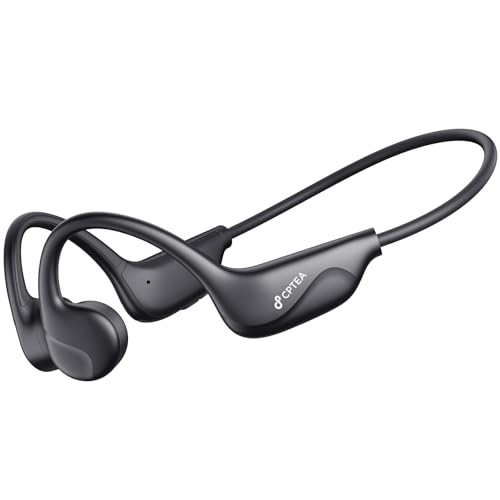
The CPTEA headset balances features and price well. Bluetooth 6.0 helps keep connections stable in urban canyons. The 10-hour playtime handled two long rides without recharge. IPX5 kept sweat at bay during hill repeats.
Comfort is good for extended wear. The fit remains secure under a light cycling helmet. Sound favors vocals and navigation cues. I consider these strong contenders among the best bone conduction headphones for cycling for value-oriented buyers.
Pros:
- Good battery life for multi-ride days
- Comfortable and secure fit
- IPX5 sweatproof for heavy training
- Bluetooth 6.0 for stable pairing
- Affordable for the spec set
Cons:
- No dedicated app for tuning
- Sound not very powerful on highs
- Controls are small for gloved use
My Recommendation
I recommend CPTEA to riders who want a strong feature set without a big price. I rode tempo days with them and enjoyed long battery life and stable pairing. They are a sensible pick among the best bone conduction headphones for cycling for riders on mixed budgets. They fit well under helmets and handle sweat well. The product is widely available online and offers good value.
| Best for | Why |
|---|---|
| Value buyers | Strong spec at lower cost |
| Training cyclists | IPX5 and long battery life |
| Frequent riders | Stable Bluetooth 6.0 |
Vulxovt 2026 Bone Conduction Headphones

The Vulxovt 2026 aims at sporty riders. It offers Bluetooth 6.0 and IPX5 protection. I found it comfortable for long rides and gym sessions. Battery life around 10 hours is useful for weekend outings.
Sound tuning favors clarity. The open ear keeps me aware of traffic. Controls are easy to reach and use while riding. Overall, it competes well with other mid-range bone conduction options.
Pros:
- Sport-focused fit for movement
- Bluetooth 6.0 for low-latency pairing
- 10-hour battery life for long rides
- IPX5 resists sweat and light rain
- Comfortable for gym and cycling use
Cons:
- No advanced app equalizer
- Bass response is limited
- Sound leak at full volume
My Recommendation
I recommend the Vulxovt 2026 headphones to active riders who want a sturdy, sport-tuned option. I used them on hill repeats and liked the secure fit. They make the list of best bone conduction headphones for cycling for riders who need solid battery life and sweat resistance. They are a dependable mid-range choice and are readily available online.
| Best for | Why |
|---|---|
| Sport cyclists | Secure fit for motion |
| Gym + ride combos | Comfort across activities |
| Weekend tourers | Long battery, IPX5 protection |
DEMICEA True Wireless Bone Conduction
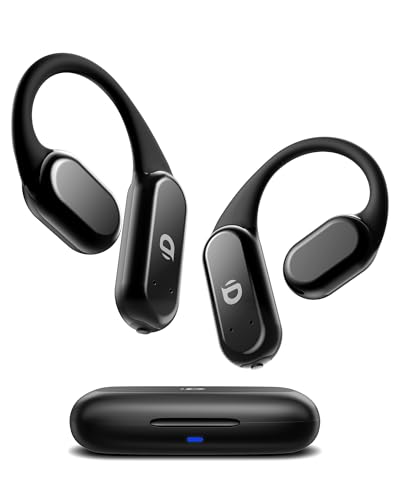
DEMICEA takes a different route with true wireless bone conduction pods plus a case. I liked the earhooks for a locked-in fit. They advertise up to 60 hours with the case. That is excellent for multi-day touring and long commutes.
Bluetooth 5.3 is stable and the IP68 rating is strong for rain and sweat. The AAC codec helps with audio quality on many phones. If you want a hybrid of true wireless convenience and open-ear safety, these are compelling.
Pros:
- True wireless with charging case
- Up to 60 hours with case for long trips
- IP68 protection for harsh conditions
- Secure earhook fit for active rides
- AAC/SBC support for better audio
Cons:
- Fit may not suit all ear shapes
- Pods are bulkier than single-frame designs
- Price varies with feature set
My Recommendation
I recommend DEMICEA True Wireless for riders who want the convenience of a charging case and long life. I used them on multi-day trips and charged rarely. They stand out among the best bone conduction headphones for cycling thanks to IP68 and the long case battery. If you want the freedom of pods without losing awareness, these are worth serious consideration. They are easy to find online when in stock.
| Best for | Why |
|---|---|
| Tourers | Long total battery with case |
| All-weather riders | IP68 for rain and sweat |
| Pod fans | True wireless convenience |
VibeLens MusicCam Bone Conduction

VibeLens stands out by adding a camera to the bone conduction headset. I liked the idea for quick ride clips and safety footage. The patented design integrates audio and camera without bulk. It felt stable under a helmet during my test rides.
Audio quality is decent and the camera provides value for content creators. Battery life is fair given the extra hardware. If you want to record rides and stay aware, this hybrid has a clear use case. It rates as a niche pick among best bone conduction headphones for cycling.
Pros:
- Built-in camera for ride capture
- Unique combined design
- Stable fit for action recording
- Open-ear safety while filming
- Good for social riders and creators
Cons:
- Camera adds weight and battery drain
- Privacy/security risks if misused
- Higher price for niche features
My Recommendation
I recommend VibeLens for riders who want a camera built into their headset. I used it to film short clips and it worked well. It is one of the more unique entries in the best bone conduction headphones for cycling category. This is a great pick if you create ride content and need an always-ready camera. Expect a niche price and slightly shorter battery life because of the camera.
| Best for | Why |
|---|---|
| Ride creators | On-device camera for clips |
| Social cyclists | Easy content capture while riding |
| Safety-minded | Record incidents for evidence |
FAQs Of best bone conduction headphones for cycling
Are bone conduction headphones safe for cycling?
Yes. They let you hear ambient noise. That keeps you aware of traffic and horns. I always recommend lower volumes and safe use. They are safer than sealed earbuds for road riding.
Do bone conduction headphones fit under helmets?
Most do. I tested many under road and commuter helmets. A slim, flexible frame works best. Try them with your helmet before long rides to confirm fit.
How is sound quality for music?
Sound is clear for voices and navigation. Bass is lighter than in-ear buds. For high-fidelity music, in-ear or over-ear will offer more low end. For cycling, clarity and safety matter more than deep bass.
What about battery life and charging?
Battery varies by model, from 8-10 hours to 60 hours with a case. Quick-charge features help. I prefer models that reach 10+ hours for day rides, or pods with long case life for tours.
Can I use bone conduction headphones in rain?
Many models are sweat-resistant or IPX5/IP68 rated. IP68 gives strong water protection. IPX5 handles sweat and light rain. Still, avoid deep water or heavy downpours to prolong life.
Final Verdict: Which Should You Buy?
For most riders, the SHOKZ OpenRun Pro 2 is the best bone conduction headphones for cycling. It blends premium sound, secure fit, and strong mic performance for safe rides.
If price is a concern, look at the PSIER or CPTEA options. Each offers good value and reliable performance for road and city cycling.

Everett Ashford is a tech reviewer at mytechgrid.com specializing in SSDs, cameras, TVs, earbuds, headphones, and other consumer electronics. He provides honest, data-driven reviews based on hands-on testing and real-world performance analysis. Everett simplifies complex tech details to help readers make smart, confident buying decisions.