The best digital camera for you depends on your subject, skill level, budget, and how you plan to share your photos.
Choosing what digital camera is best for me is not about finding the camera with the most features. It is about matching the camera to your real life. A travel photographer, family photographer, beginner, content creator, and wildlife shooter may all need very different tools. This guide will help you compare camera types, key features, prices, and practical use so you can buy with confidence.

Start by Defining How You Will Use the Camera
The first step in deciding what digital camera is best for me is to think about what you will photograph most often. Your subject affects the lens, autofocus system, camera size, and image quality you need.
A camera for family photos does not need the same features as a camera for birds in flight. A camera for travel should be light and tough. A camera for studio work should offer strong detail and reliable color.
Ask yourself these questions:
• Will I photograph people, travel, landscapes, sports, wildlife, products, or video?
• Will I carry the camera all day?
• Do I want to learn manual settings?
• Will I print photos or share them online?
• Do I need high-quality video?
• What is my full budget, including lenses and accessories?
Many buyers focus only on the camera body. That can lead to a costly mistake. The lens often has a greater effect on the final photo than a small difference in sensor resolution.
For example, a 24-megapixel camera with a bright 50mm lens may create better portraits than a higher-resolution camera with a slow kit lens. The best camera is the one you will carry, understand, and use often.

Choose the Right Type of Digital Camera
Digital cameras fall into several main groups. Each type has clear strengths and limits. Understanding these groups makes it easier to decide what digital camera is best for me.
Smartphone Cameras
Modern smartphones are excellent for quick photos. They use advanced software, multiple cameras, and computational photography to improve exposure and color.
A phone may be enough if you mainly:
• Share photos on social media
• Take pictures of friends and family
• Photograph food, pets, and daily moments
• Want a small device that is always with you
Phones still have limits. Their small sensors struggle more in low light. Their zoom may also rely on cropping or digital processing. A dedicated camera gives you more control, better natural background blur, and stronger performance with interchangeable lenses.
Compact Digital Cameras
Compact cameras are small and simple. Some offer large sensors, long zoom ranges, or strong video features.
They suit people who want better image quality than a phone without carrying a large kit. Premium compact models can be costly, but they offer excellent portability.
A compact camera may be right for you if you want:
• A fixed lens
• Simple controls
• A pocket-friendly design
• Better zoom than a smartphone
• Less setup time
Mirrorless Cameras
Mirrorless cameras are now the leading choice for many photographers. They use an electronic viewfinder or screen instead of a traditional optical mirror system.
They are often smaller than DSLRs and provide useful features such as:
• Fast subject detection
• Silent shooting
• Real-time exposure preview
• Strong video tools
• Interchangeable lenses
Mirrorless cameras range from simple beginner models to professional bodies. This range makes them a strong answer to what digital camera is best for me for many users.
DSLR Cameras
DSLR cameras use a mirror and an optical viewfinder. They remain capable, reliable, and widely available on the used market.
A DSLR can be a smart choice if you want:
• Long battery life
• A large grip
• Many affordable used lenses
• An optical viewfinder
• A lower purchase price
The main limitation is that most camera brands now focus new development on mirrorless systems. DSLRs are still useful, but mirrorless cameras usually offer newer autofocus and video features.
The Best Digital Camera for Beginners
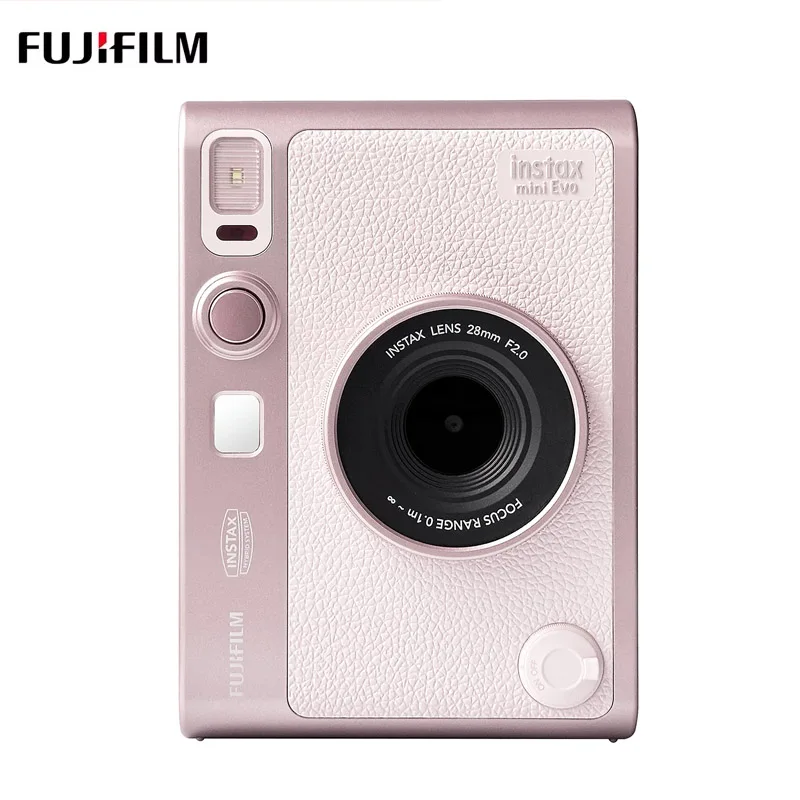
For most beginners, an entry-level mirrorless camera is the best starting point. It offers room to grow without the weight and complexity of a professional body.
When deciding what digital camera is best for me as a beginner, look for these features:
• A comfortable grip
• Simple automatic modes
• Manual controls that are easy to reach
• A flip-out or tilting screen
• Reliable eye autofocus
• Built-in Wi-Fi or Bluetooth
• Affordable lenses
• Good battery availability
A camera with a 20- to 26-megapixel sensor is more than enough for most new photographers. More megapixels do not automatically mean better photos. They mainly give you more room to crop or print large images.
The included kit lens is also important. A standard zoom lens, such as a 16–50mm or 18–55mm lens, is useful for travel, family photos, and learning composition.
One lesson many new photographers learn late is that buying a cheaper body can leave more money for a better lens. A camera body may last for years, but a good lens can stay useful across several camera upgrades.
Beginner Camera Features to Avoid Overvaluing
Do not choose a camera only because it has:
• Extremely high resolution
• A very high maximum ISO number
• Many custom buttons
• The fastest burst rate
• Professional video formats you will never use
These features can sound impressive but may not improve your daily photography. Comfort, autofocus, lens choice, and ease of use matter more for most beginners.
The Best Digital Camera for Travel
Travel photography rewards a camera that is light, flexible, and dependable. The best travel camera should fit into your routine rather than become extra luggage.
A small mirrorless camera with a standard zoom lens is often a strong choice. You can also consider a premium compact camera if you want maximum portability.
When deciding what digital camera is best for me for travel, consider:
• Total weight with the lens attached
• Battery life
• Weather resistance
• USB charging
• Image stabilization
• Built-in flash or a small external flash
• Lens availability at your destination
A wide-angle lens helps with buildings, city streets, and landscapes. A moderate telephoto lens helps with portraits and distant details. An all-in-one travel zoom can cover both needs, though it may be less bright in low light.
Travel photographers should also think about storage. Bring extra memory cards and back up photos each day. A small camera is useful, but losing a trip’s photos is far more painful than carrying one extra card.

The Best Digital Camera for Portraits
Portrait photography depends on more than sharpness. Light, expression, timing, and the relationship between the photographer and subject all matter.
For portraits, a camera with accurate eye autofocus is helpful. A large sensor can also make it easier to create a soft, blurred background. However, lens choice usually has the greatest effect on the look of the portrait.
Popular portrait lens choices include:
• 50mm for natural-looking portraits
• 85mm for flattering headshots
• 35mm for environmental portraits
A bright lens with an aperture of f/1.8 or f/2 can work well in low light and create background blur. Keep in mind that very wide apertures create a thin focus area. If the subject turns slightly, one eye may be sharp while the other is soft.
When asking what digital camera is best for me for portraits, think about how close you like to stand. A 50mm lens works well indoors and feels natural. An 85mm lens gives more working distance but needs more room.
Good communication is just as important as camera equipment. A relaxed subject often creates a better photo than an expensive camera used without connection or care.
The Best Digital Camera for Sports and Wildlife
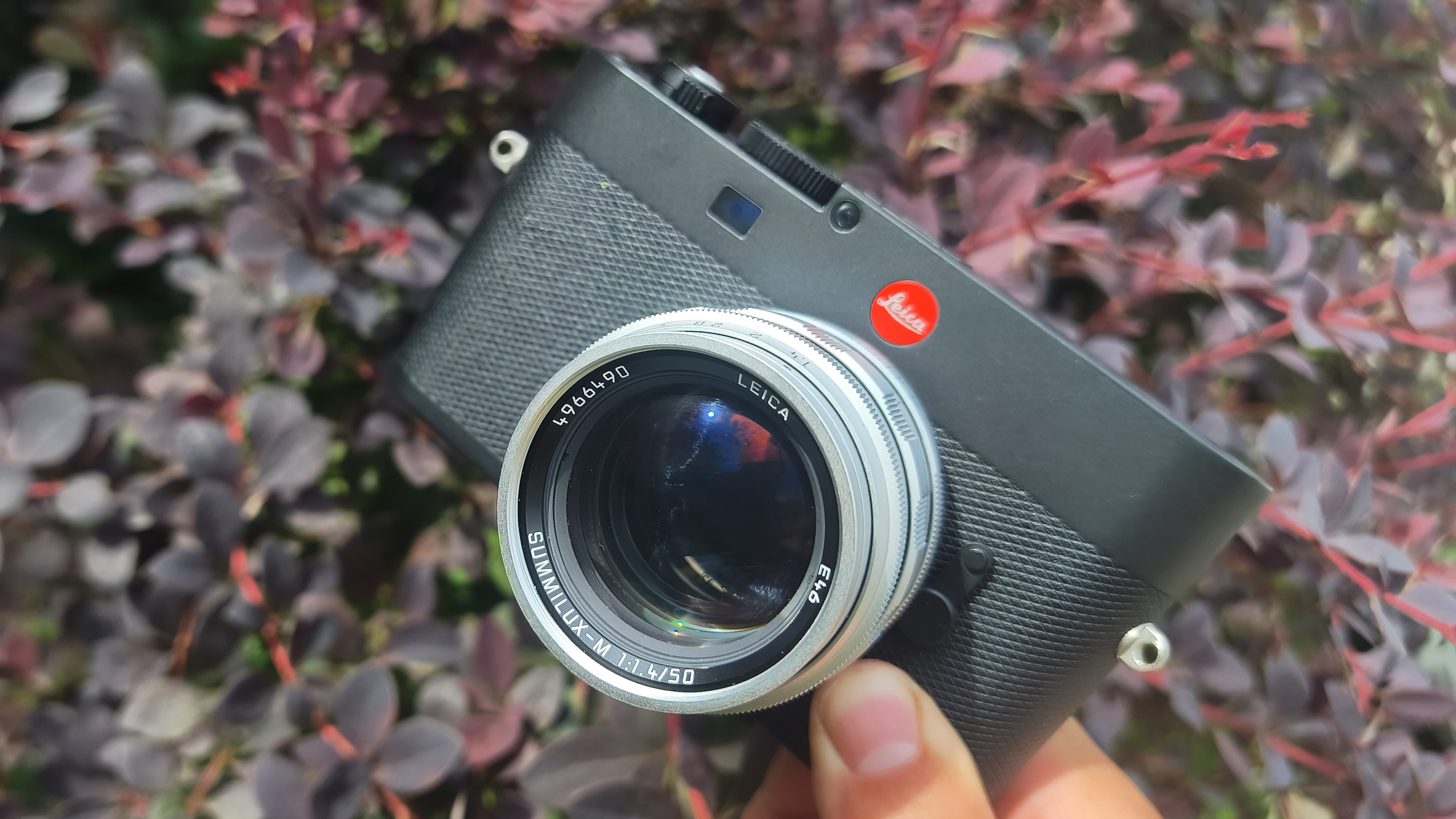
Sports and wildlife photography require fast autofocus, quick shutter speeds, and long lenses. These subjects move quickly, so the camera must react without delay.
Look for:
• Subject tracking
• Animal or bird detection
• A fast electronic or mechanical shutter
• A strong burst mode
• Good battery life
• A large buffer
• A telephoto lens system
The lens is often the largest cost in this category. A 100–400mm or 200–600mm lens can be more important than moving from one camera body to another.
A high-resolution sensor can help when you need to crop distant subjects. Still, resolution cannot replace reach, light, and timing. Photographing a bird in deep shade remains difficult, even with a powerful camera.
For action, shutter speed matters. Start around 1/1000 second for many sports scenes. You may need a faster setting for birds or motorsports. Raise the ISO when needed rather than using a shutter speed that creates motion blur.
If you are deciding what digital camera is best for me for wildlife, check the total system cost. A reasonably priced body with a strong telephoto lens may outperform an expensive body paired with a basic lens.
The Best Digital Camera for Video and Content Creation
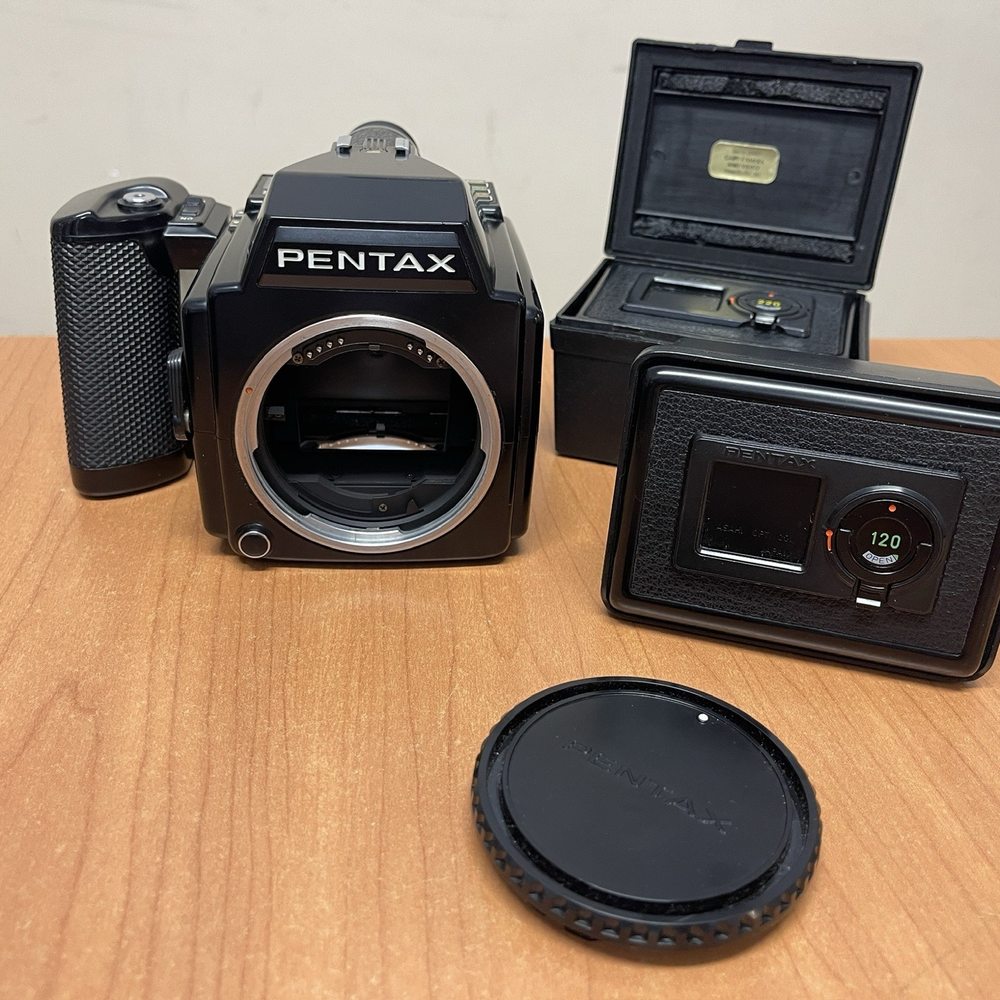
Video creators need more than high resolution. A camera should be easy to position, monitor, and power during recording.
Important video features include:
• 4K recording
• A fully articulating screen
• A microphone input
• Headphone monitoring
• Reliable autofocus
• Image stabilization
• Manageable heat levels
• USB charging or external power
A camera with excellent still photos may not be the best video camera. Some models crop the image in 4K, limit recording time, or overheat in warm conditions.
For vlogging, a flip-out screen and a wide lens are very useful. For interviews, reliable face autofocus and a microphone connection matter more. For cinematic work, lens options and color control may be the priority.
When considering what digital camera is best for me as a content creator, think about your complete workflow. A camera that records great video but creates huge files may slow down editing and storage.
Audio is also critical. Viewers may forgive a slightly soft image, but poor sound quickly makes a video hard to watch. Budget for a small microphone and wind protection.
Sensor Size and Image Quality Explained
The image sensor captures light. Sensor size affects low-light performance, background blur, dynamic range, and camera size.
The most common sensor types are:
• Micro Four Thirds
• APS-C
• Full frame
• Medium format
Micro Four Thirds cameras are small and often offer affordable lenses. APS-C cameras provide a strong balance of image quality, price, and size. Full-frame cameras usually perform better in low light and make shallow depth of field easier. Medium-format cameras offer exceptional detail but cost more and are less portable.
Sensor size does not decide everything. A newer APS-C camera may produce better results than an older full-frame camera. Lens quality, lighting, autofocus, and photographer skill all play major roles.
For many people searching what digital camera is best for me, APS-C is the sensible middle ground. It offers strong quality without the cost and weight of a full-frame system.

How Much Should You Spend?
Your budget should include more than the camera body. Plan for the lens, memory cards, spare batteries, a bag, and perhaps a tripod.
A practical budget may look like this:
• Under $500: Used DSLR, compact camera, or older entry-level mirrorless model
• $500 to $1,000: New beginner mirrorless kit or strong used system
• $1,000 to $2,000: Advanced APS-C or entry-level full-frame kit
• $2,000 to $4,000: Professional mirrorless body and one or two quality lenses
• More than $4,000: Specialized professional systems
Used equipment can offer excellent value. Check the shutter count, sensor condition, ports, battery health, and return policy. Buy from a seller with clear photos and an honest description.
One common mistake is spending the entire budget on the body. Leave room for a lens that matches your subject. A camera with a basic lens may be less useful than a slightly older body with a bright, high-quality lens.
The best answer to what digital camera is best for me is rarely the most expensive option. It is the system that gives you the features you need without creating financial stress.
Mirrorless vs. DSLR: Which Should You Choose?
Mirrorless cameras are usually the better long-term choice for new buyers. They tend to offer newer autofocus systems, better live previews, and stronger video features.
DSLRs still make sense in some cases. They often provide excellent value used, long battery life, and a large selection of affordable lenses.
Choose mirrorless if you want:
• Modern subject detection
• Electronic viewfinder previews
• Smaller equipment
• Strong video performance
• A system with active future development
Choose a DSLR if you want:
• Low used prices
• Long battery life
• An optical viewfinder
• Access to older lenses
• A large, familiar body
There is no universal winner. The right choice depends on your budget and priorities. If you already own several DSLR lenses, switching systems may cost more than expected.
Features That Matter Most
Camera specifications can feel like a maze. Focus on the features that affect your actual photos.
Autofocus
Modern eye detection is useful for people, pets, birds, and sports. Test how well it works in low light and whether it keeps tracking a moving subject.
Image Stabilization
In-body image stabilization can reduce camera shake when you hold the camera by hand. It does not freeze a moving person or animal. For that, you still need a faster shutter speed.
Weather Sealing
Weather sealing offers extra protection from dust and light rain. It is not the same as waterproofing. A sealed camera also needs a sealed lens for the system to provide its best protection.
Battery Life
Electronic viewfinders and video use power quickly. Carry a spare battery if you plan long walks, events, or travel days.
Connectivity
Wi-Fi and Bluetooth make it easier to transfer photos. Check whether the phone app works well with your device before buying.
Ergonomics
Hold the camera in a store if possible. Buttons should feel easy to reach. The grip should feel secure. A camera that feels uncomfortable may stay in the bag.
Mistakes to Avoid When Buying a Camera
Many camera buyers make the same avoidable errors. Knowing them can save money and frustration.
• Buying for specifications instead of real use
• Ignoring the price of lenses
• Choosing a camera that feels too heavy
• Assuming more megapixels always mean better photos
• Forgetting spare batteries and memory cards
• Buying a poor lens for a demanding subject
• Overlooking video and audio needs
• Choosing a system with few affordable lenses
• Failing to check return and warranty terms
I have seen photographers upgrade their camera bodies several times while using the same weak lens. The better lesson is to improve the whole system. Often, better light, stronger composition, or a useful lens creates a larger improvement than a new body.
Before buying, rent the camera if possible. One weekend of real use can reveal more than hours of reading specifications.
A Simple Method to Find Your Best Camera
Use this process when deciding what digital camera is best for me:
-
Write down your three most common subjects.
-
Set a total budget for the body, lens, and accessories.
-
Choose the smallest camera you will comfortably carry.
-
Select a sensor size that fits your quality and budget needs.
-
Compare autofocus performance for your main subject.
-
Check the lens prices and future upgrade options.
-
Read independent tests for battery life, heat, and image quality.
-
Hold or rent the camera before you buy.
-
Buy one useful lens before collecting extra accessories.
-
Learn the camera through regular practice.
This method keeps the decision practical. It also prevents you from paying for features that sound useful but rarely affect your photos.
Frequently Asked Questions About What Digital Camera Is Best for Me
What digital camera is best for me as a beginner?
An entry-level mirrorless camera with a standard zoom lens is a strong choice for most beginners. Look for simple controls, reliable autofocus, a comfortable grip, and affordable lenses.
Is a phone camera good enough for most people?
A phone is good enough for casual photos, social media, and everyday memories. A dedicated camera becomes more useful when you want better low-light results, optical zoom, background blur, manual control, or high-quality prints.
Is mirrorless better than DSLR?
Mirrorless cameras usually offer newer autofocus, smaller bodies, and stronger video features. DSLRs can still be excellent choices when low used prices, long battery life, and optical viewfinders matter most.
How many megapixels do I need?
Most photographers need between 20 and 30 megapixels. This range provides plenty of detail for online sharing and common print sizes while keeping file sizes manageable.
What camera is best for travel photography?
A lightweight mirrorless camera with a standard zoom lens works well for many travelers. A compact camera may be better if portability matters more than lens flexibility.
Do I need a full-frame camera?
You do not need full frame for high-quality photography. APS-C and Micro Four Thirds cameras can produce excellent results, especially when paired with a good lens and used with thoughtful lighting.
Should I buy a camera body or a kit?
A kit is usually the easiest and most affordable way to begin. Buy the body only if you already own compatible lenses or have a specific lens planned.
Conclusion
The answer to what digital camera is best for me depends on your subjects, budget, comfort, and goals. Beginners often do well with an entry-level mirrorless camera, while travelers may prefer a compact model. Portrait photographers should invest in a bright lens, and wildlife shooters need fast autofocus plus a long telephoto lens.
Do not chase the biggest number on a specification sheet. Choose a camera you can carry, learn, and enjoy. Compare complete systems, test the camera in your hands, and spend time practicing before upgrading.
Use this guide to narrow your choices, then explore trusted reviews and local camera shops before making your purchase. Your best camera is the one that helps you create more often.

Everett Ashford is a tech reviewer at mytechgrid.com specializing in SSDs, cameras, TVs, earbuds, headphones, and other consumer electronics. He provides honest, data-driven reviews based on hands-on testing and real-world performance analysis. Everett simplifies complex tech details to help readers make smart, confident buying decisions.