
A noise canceling headphone reduces unwanted sound by creating quiet through ear cups, microphones, and smart audio processing.
A noise canceling headphone can make a busy flight, loud office, or daily commute feel calmer. But not every model works the same way, and “noise canceling” is not the same as simple sound blocking. This guide explains how the technology works, what it can and cannot do, and how to choose and use it wisely.
What Is a Noise Canceling Headphone?
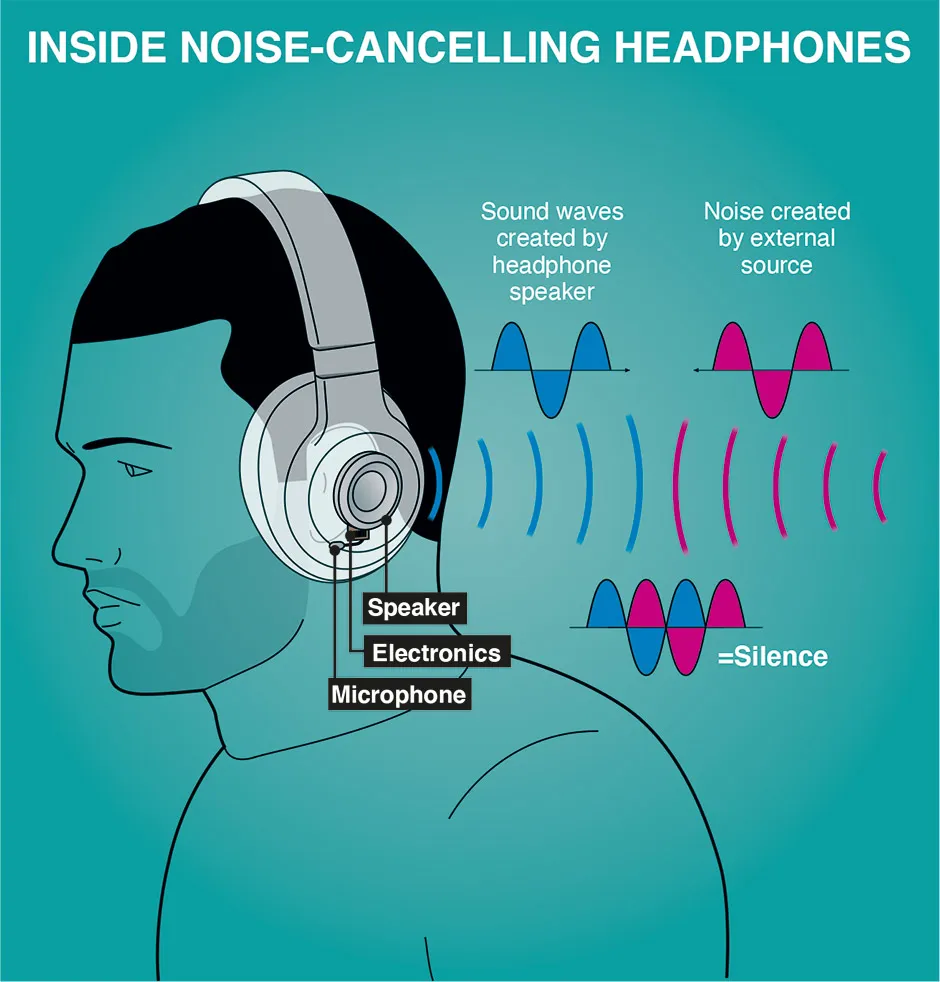
A noise canceling headphone is an audio device that lowers unwanted background noise. It uses microphones to listen to sounds around you. Then, built-in electronics create an opposite sound wave to reduce that noise before it reaches your ears.
Think of it like two water waves meeting. If one wave rises while the other falls, they can partly cancel each other. Noise canceling headphones use this same basic idea with sound waves.
A noise canceling headphone usually has these parts:
• External microphones that detect outside sound
• Internal microphones that check the sound inside the ear cup
• A digital signal processor that studies incoming noise
• Speakers that play music, calls, and the anti-noise signal
• A battery that powers the microphones and processing system
Most models also use physical ear-cup padding. This padding blocks some sound before electronic noise reduction begins.

How Does Noise Cancellation Work?
Active noise cancellation, often called ANC, is the main technology inside a noise canceling headphone. The system first measures nearby sound. It then produces an opposite sound wave with a similar frequency and level.
For example, imagine a low airplane engine hum. The headphone microphones detect that hum. The processor creates a matching anti-noise signal, which reduces the hum you hear.
This process happens very quickly. You do not hear the anti-noise as a separate sound because it blends with the outside noise. The result is a quieter listening space.
Passive noise isolation
Passive noise isolation comes from the physical design of the headphone. Thick ear pads and a tight seal help keep sound out.
Passive isolation works well for:
• High voices
• Keyboard clicks
• Sharp claps
• Some street sounds
• Sudden, short noises
A noise canceling headphone combines passive isolation with ANC. This combination is more effective than either method alone.
Feedforward, feedback, and hybrid ANC
Manufacturers use different microphone layouts.
• Feedforward ANC uses microphones on the outside of the ear cups. It reacts quickly to outside noise but may be less accurate in some conditions.
• Feedback ANC uses microphones inside the ear cups. It checks what reaches your ears and can improve accuracy.
• Hybrid ANC uses both systems. It often provides stronger and more balanced noise reduction.
In real use, the quality of the tuning matters as much as the number of microphones. A well-tuned pair with fewer microphones can sound better than a poorly tuned pair with many microphones.
What Sounds Can a Noise Canceling Headphone Reduce?
A noise canceling headphone works best with steady, low-frequency sounds. These sounds are easier for the processor to measure and counter.
Common examples include:
• Airplane engine noise
• Train and subway rumble
• Bus and car road noise
• Air conditioners
• Office fans
• Computer room noise
• Low voices in a nearby space
ANC is less effective against sudden or irregular sounds. A nearby person clapping, a dog barking, or a glass breaking may still come through clearly.
The fit also matters. If sound leaks around the ear pads, the headphone has less control over what reaches your ears. This is why a comfortable seal often matters more than a long list of technical features.
From hands-on listening, one lesson stands out: people often judge ANC by playing music in a quiet room. That test tells you very little. A better test is a steady fan, a busy street, or a long trip. Those settings reveal how well the headphone handles real background noise.

Active Noise Cancellation vs. Transparency Mode
Many modern headphones offer more than one listening mode. The most common are ANC mode, transparency mode, and normal mode.
ANC mode
ANC mode reduces outside sound. It is useful when you want to focus, sleep during travel, or enjoy music at a lower volume.
Transparency mode
Transparency mode uses the microphones to bring outside sound into the headphones. It can make conversations and announcements easier to hear without removing the headphones.
Some brands call this ambient mode or hear-through mode. The names differ, but the basic purpose is similar.
Normal mode
Normal mode turns off most electronic processing. You may still receive passive sound isolation from the ear cups, but the headphone uses less battery.
A good noise canceling headphone should switch between these modes easily. A physical button or clear touch control is often better than searching through a phone app.