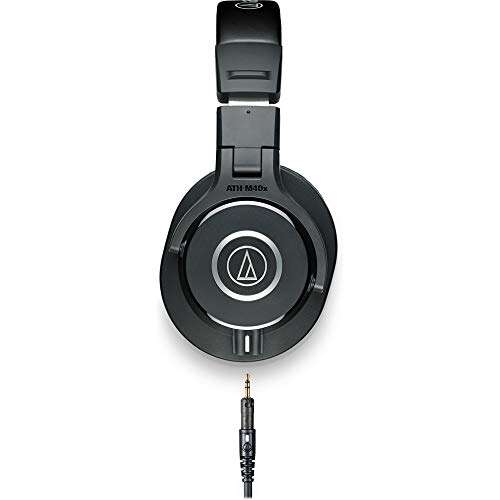
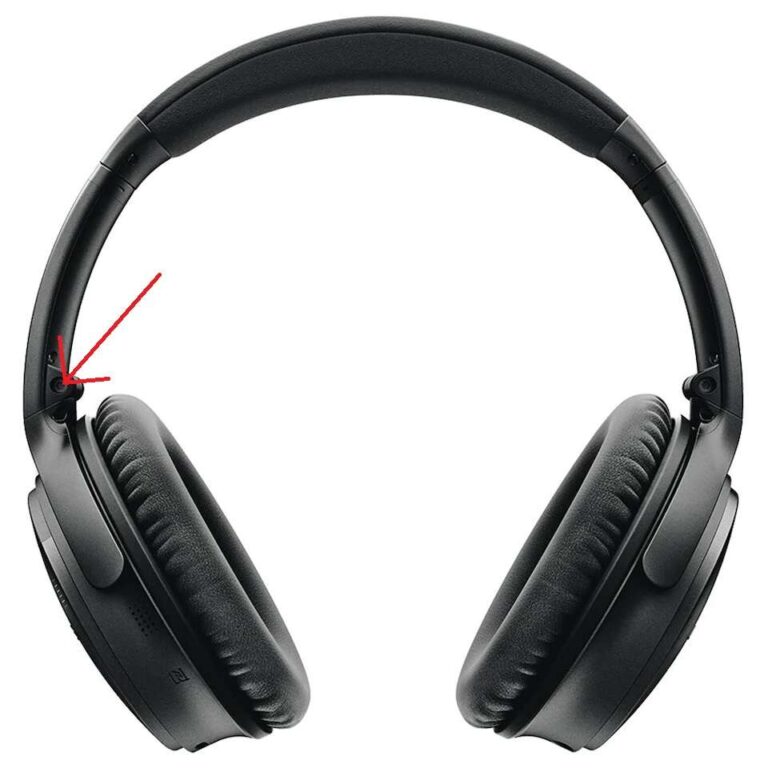
The best noise cancelling headphones combine strong ANC, clear sound, comfort, long battery life, and useful smart features.
Finding the best noise cancelling headphones is not only about blocking the most sound. After comparing flagship models, travel headphones, budget picks, and wireless earbuds, I have found that comfort, tuning, microphones, and daily ease often matter just as much as raw noise reduction. This guide explains what to look for and which type fits your needs, budget, and routine.
What are noise cancelling headphones?
Noise cancelling headphones use microphones and electronic processing to reduce outside sound. The microphones listen to nearby noise, such as an airplane engine or air conditioner. The headphones then create an opposite sound wave that helps cancel it.
This system is called active noise cancellation, or ANC. It works best with steady, low sounds. Engine hum, train noise, office fans, and road rumble are easy targets.
Most models also use passive noise isolation. This comes from the ear cups or ear tips forming a seal around your ears. Think of ANC as a smart sound shield and passive isolation as the wall behind it.
The best noise cancelling headphones usually combine both methods. They also let you adjust the level of cancellation through a mobile app or a control button.

How active noise cancellation works
Active noise cancellation sounds complex, but the basic idea is simple. A headphone microphone detects external sound. The headphone chip creates an inverse sound wave, which reduces the original noise when the two waves meet.
ANC is most useful for:
• Airplane engines
• Bus and subway noise
• Office air conditioning
• Household appliances
• Low road noise
ANC is less effective against sudden or sharp sounds. A baby crying, a dog barking, a nearby conversation, or a dropped object may still be heard. Newer headphones can reduce some voices, but no consumer headset removes every sound.
There are three common noise control modes:
• Noise cancellation reduces outside sound.
• Transparency or aware mode lets outside sound in.
• Off mode saves battery and uses no active processing.
During testing, I learned that good transparency mode is almost as important as strong ANC. It makes it easier to hear a flight announcement, talk to a coworker, or cross a street without removing your headphones.

What is the best noise cancelling headphones option overall?
For most people, the Sony WH-1000XM5 is one of the best noise cancelling headphones available. It offers strong noise reduction, warm and detailed sound, excellent app controls, good call quality, and a comfortable fit.
Its adaptive ANC changes based on your surroundings. The Sony Headphones Connect app also gives you control over equalizer settings, connection options, and ambient sound levels.
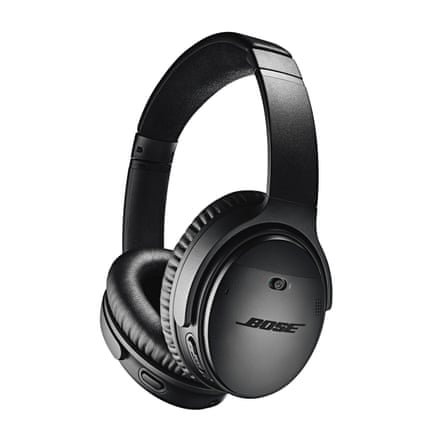
The Bose QuietComfort Ultra is another top choice. It often feels more comfortable for long sessions and delivers powerful ANC, especially for travel. Its sound is energetic, and its spatial audio feature can make music feel wider, although some listeners may not use that feature often.
The right choice depends on your priorities:
• Choose the Sony WH-1000XM5 for balanced features and strong all-around performance.
• Choose the Bose QuietComfort Ultra for comfort, travel, and excellent noise reduction.
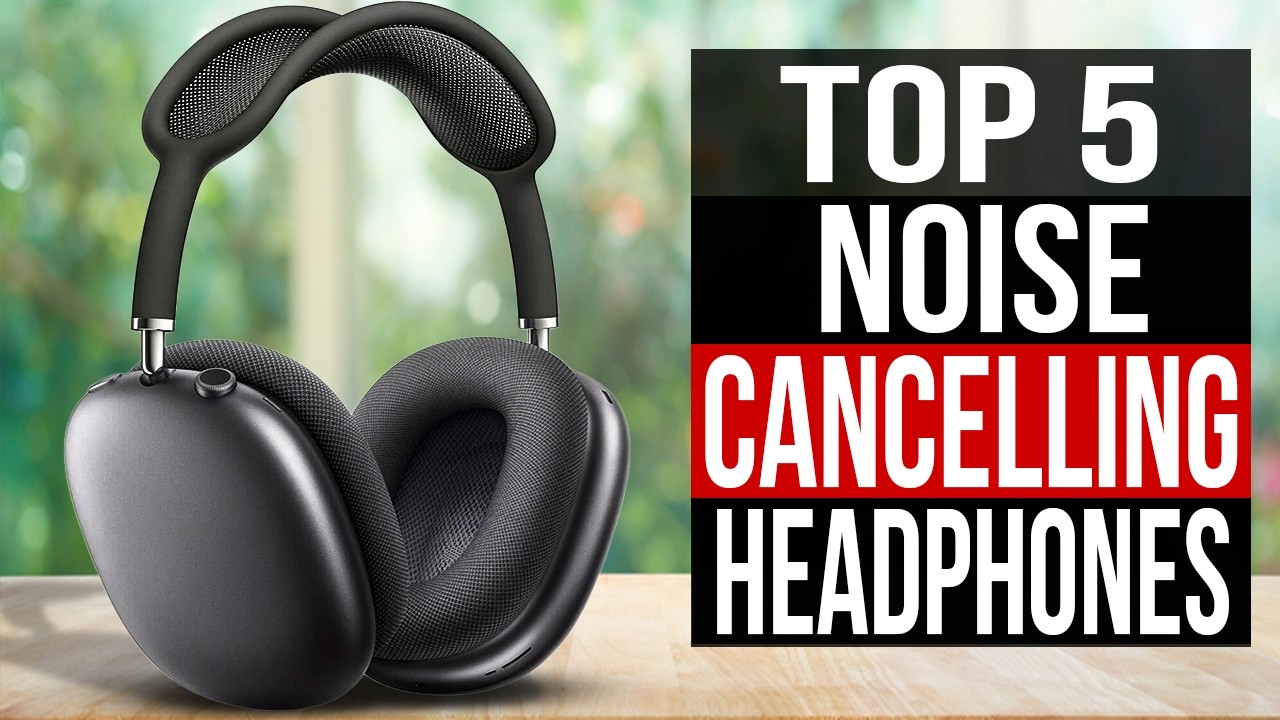
• Choose the Apple AirPods Max if you use Apple devices and value premium materials, easy pairing, and strong transparency mode.
• Choose the Sennheiser Momentum 4 Wireless for long battery life and rich sound.
• Choose the Anker Soundcore Space Q45 for strong value at a lower price.
There is no single winner for every listener. The best noise cancelling headphones for a frequent traveler may not be the best choice for a person who works at a desk or wears glasses all day.

Best noise cancelling headphones by use case
Best for airplane travel
The Bose QuietComfort Ultra and Sony WH-1000XM5 are excellent choices for flights. Both reduce low engine noise well and remain comfortable during long trips.
Look for a padded headband, soft ear cups, and controls that are easy to use without opening an app. A good travel case also matters. It protects the headset and keeps cables in one place.
Best for office work
The Sony WH-1000XM5 is a strong office choice because it reduces fan noise and general background sound without feeling too heavy. Its speak-to-chat function can pause audio when you talk, though some users may prefer to turn it off.
A good microphone is also important for video meetings. No wireless headphone microphone sounds exactly like a dedicated desk microphone, but premium models can deliver clear speech in a quiet or moderately busy office.
Best for music lovers
The Sennheiser Momentum 4 Wireless is a great pick for listeners who care about sound quality and battery life. It produces a full, smooth sound that works well with pop, rock, jazz, and podcasts.
The Bose QuietComfort Ultra also sounds impressive, especially if you enjoy a lively presentation. For the most natural sound, use the equalizer in the companion app and reduce heavy bass if vocals seem buried.
Best for Apple users
The AirPods Max pairs smoothly with iPhones, iPads, and Macs. Features such as automatic switching, spatial audio, and excellent transparency mode make it convenient inside the Apple ecosystem.
Its drawbacks include high weight, a large carrying case, and a higher price than many rivals. It also uses a Lightning connector on some versions, so check the model before buying.
Best budget option
The Anker Soundcore Space Q45 is often among the best noise cancelling headphones for shoppers on a budget. It provides useful ANC, long battery life, an equalizer, and a comfortable design for much less than flagship models.
Budget ANC may not remove as much airplane or subway noise as premium headphones. Still, the difference can be smaller than the price gap, especially for casual users.
How to choose the best noise cancelling headphones
1. Check comfort first
Comfort is easy to overlook when reading specifications. Yet a headphone can have amazing ANC and still be a poor choice if it hurts after 30 minutes.
Pay attention to:
• Ear cup depth
• Headband padding
• Clamping force
• Total weight
• Heat around the ears
• Fit with glasses
People with glasses may lose some passive isolation because the frames create small gaps around the ear pads. Try headphones for at least 20 minutes before making a final decision if possible.
2. Compare ANC performance
Manufacturers do not always measure ANC in the same way. A larger number or bold marketing claim does not guarantee better real-world results.
When comparing the best noise cancelling headphones, test them with steady sounds. Airplane cabin noise, traffic rumble, and office fans are useful examples. Also test transparency mode because natural outside sound can make a headset much safer and more practical.
3. Evaluate sound quality
Noise cancellation and sound quality are separate features. A headset can block noise well but still sound dull, harsh, or overly bass-heavy.
Look for a model with:
• Clear vocals
• Controlled bass
• Smooth treble
• A useful equalizer
• Support for your preferred music services
Do not assume that expensive headphones always sound better. Some lower-cost models offer excellent sound after a small equalizer adjustment.
4. Review battery life
Most over-ear wireless headphones provide roughly 20 to 60 hours of battery life, depending on the model and features. ANC, high volume, voice assistants, and spatial audio can reduce that number.
A practical target is at least 25 hours for regular travel. Fast charging is also helpful. A few minutes of charging may provide enough power for a commute or flight.
5. Consider wireless connections
Bluetooth multipoint allows headphones to connect to two devices at once. For example, you can listen to music from a laptop and answer a call from your phone.
This feature is valuable for office workers. However, multipoint support may work differently across phones, computers, and operating systems. Confirm compatibility before buying.
6. Inspect call quality
If you take meetings outdoors or in busy rooms, microphone quality matters. Some headphones use beamforming microphones and artificial intelligence to reduce background noise around your voice.
A microphone test is useful. Record yourself in a quiet room, then near a fan or street. A headset that sounds clear in both settings is more useful than one that only performs well in silence.

Over-ear headphones versus noise cancelling earbuds
Over-ear headphones usually provide stronger passive isolation and longer comfort for travel. Their larger batteries can also support longer playback.
Noise cancelling earbuds are smaller and easier to carry. They work well for workouts, commuting, and people who dislike a headband. Models such as the Bose QuietComfort Ultra Earbuds, Sony WF-1000XM5, and Apple AirPods Pro 2 offer impressive ANC for their size.
Earbuds depend heavily on ear tip fit. If the seal is poor, ANC performance and bass response will suffer. Try different tip sizes and consider foam tips if standard silicone does not stay secure.
Choose over-ear headphones when you want:
• Maximum comfort on long flights
• Strong passive isolation
• Long battery life
• A larger, more spacious sound
Choose earbuds when you want:
• A small case
• Easy portability
• Better use during exercise
• Less heat around your ears
The best noise cancelling headphones may actually be earbuds if portability is your main concern. Product category matters less than how and where you plan to use the device.

Are noise cancelling headphones safe?
Noise cancelling headphones are generally safe when used at a reasonable volume. ANC does not damage your ears by itself. The bigger risk is listening too loudly for too long.
Health agencies commonly recommend keeping personal audio at a moderate level and taking breaks. A simple rule is to lower the volume if someone standing nearby can hear your music.
ANC may help protect hearing in noisy places because you do not need to raise the volume to overpower the background. Still, noise cancellation does not make loud music harmless.
Use extra care outdoors. Transparency mode can improve awareness around traffic, cyclists, and announcements. Some headphones also offer adaptive modes that automatically adjust how much outside sound enters.

Common mistakes to avoid
Buying only by brand name is a common mistake. A famous model may fit poorly, sound wrong for your taste, or lack features you need.
Other mistakes include:
• Ignoring comfort and weight
• Assuming stronger ANC always means better sound
• Forgetting to check return policies
• Using the wrong ear tip size
• Overlooking microphone quality
• Buying a model without multipoint when you need it
• Ignoring repair, warranty, or replacement costs
I once recommended a premium headset to someone who worked in a warm office. The ANC was excellent, but the thick ear pads became uncomfortable within an hour. A lighter model with slightly weaker ANC would have been the better daily choice.
That experience taught me a simple lesson: the best noise cancelling headphones are the ones you will actually wear. A perfect specification sheet cannot fix an uncomfortable fit.

How to get better ANC performance
You can improve noise cancellation without buying a new headset. Start by making sure the ear cups sit evenly and fully cover your ears.
For earbuds, test every included tip. The correct tip should create a gentle seal without causing pain. Many companion apps include a fit test, which can help you choose the right size.
You can also improve daily performance by:
• Updating the headphone firmware
• Cleaning ear tips and ear cup surfaces
• Adjusting the equalizer
• Turning off unnecessary spatial audio
• Using the correct ANC mode
• Charging the headphones before travel
• Carrying a wired backup cable
Avoid blocking microphones with clothing, hair, or stickers. These microphones help the headset understand outside noise. If they are covered, ANC may become less effective or sound unnatural.
Wired, wireless, and high-resolution audio
Wireless headphones are convenient, but Bluetooth audio is compressed. The effect is often small, especially in a noisy place where ANC is active.
Some premium models support higher-quality Bluetooth codecs. Compatibility depends on both the headphones and the source device. A phone may support one codec while a laptop supports another.
Wired listening can help when the battery is empty or when you want to use an airplane entertainment system. However, many wireless headphones offer limited performance when used passively with a cable.
High-resolution audio is not a guarantee of better sound. Tuning, drivers, comfort, recording quality, and fit usually matter more. Spend money on a headphone that sounds good to you rather than chasing a logo or technical label.
How much should you spend?
The best noise cancelling headphones can cost anywhere from about $100 to more than $500. Price often improves ANC, materials, microphones, comfort, and software, but performance does not rise in a straight line.
A useful budget guide is:
• Under $150: Look for reliable ANC, basic app support, and good battery life.
• $150 to $300: Expect stronger ANC, better comfort, and improved call quality.
• $300 to $450: Find premium materials, advanced processing, and excellent transparency modes.
• Over $450: Pay mainly for specific features, luxury design, or ecosystem benefits.
Sales can make premium headphones much better value. Older flagship models often remain excellent after a newer version launches. Check software support, warranty coverage, and battery condition when buying refurbished products.
Frequently asked questions about what is best noise cancelling headphones
What is the best noise cancelling headphones for most people?
The Sony WH-1000XM5 is one of the best all-around choices because it combines strong ANC, good sound, long battery life, and useful app features. The Bose QuietComfort Ultra may be better for people who prioritize comfort and travel performance.
Are expensive noise cancelling headphones worth it?
They can be worth it if you travel often, work in noisy places, or wear headphones for many hours. For occasional use, a budget model may provide most of the benefit at a much lower cost.
Is Bose better than Sony for noise cancellation?
Both brands make excellent ANC headphones, and the best choice depends on fit and sound preference. Bose often wins for comfort, while Sony offers strong customization and a feature-rich app.
Can noise cancelling headphones block voices?
They can reduce voices, but ANC works best against steady low-frequency sounds. A tight ear cup seal and passive isolation are important for reducing conversations.
Are noise cancelling earbuds as good as over-ear headphones?
Premium earbuds can offer impressive ANC, but over-ear models usually provide stronger passive isolation and better long-session comfort. Earbuds are easier to carry and may be better for exercise or short commutes.
Do noise cancelling headphones work without music?
Yes. ANC can reduce outside sound even when no music is playing, although some models produce a faint processing sound. Battery use may continue while ANC is active.
Can I use noise cancelling headphones for phone calls?
Yes, but call quality varies widely. Premium models usually have better microphones and background noise control, while budget models may sound less clear in busy places.
How long do noise cancelling headphones last?
Many can last several years with careful use, but the built-in battery will eventually lose capacity. Look for a good warranty, durable hinges, replaceable ear pads, and an established support system.
Conclusion
The best noise cancelling headphones are not simply the ones with the strongest ANC rating. They should fit comfortably, sound good, last through your day, handle calls well, and match the devices and places you use most.
For a dependable all-around choice, start with the Sony WH-1000XM5 or Bose QuietComfort Ultra. Consider the AirPods Max for Apple integration, the Sennheiser Momentum 4 Wireless for battery life and sound, and the Soundcore Space Q45 for strong value.
Before buying, test comfort, check return policies, and think about your normal routine. Choose the model you will enjoy wearing every day, then explore more headphone guides or share your own experience in the comments.

Everett Ashford is a tech reviewer at mytechgrid.com specializing in SSDs, cameras, TVs, earbuds, headphones, and other consumer electronics. He provides honest, data-driven reviews based on hands-on testing and real-world performance analysis. Everett simplifies complex tech details to help readers make smart, confident buying decisions.