An SSD number for College Board is a unique identifier assigned when disability accommodations are approved.
I’ve worked with students and counselors helping them navigate College Board processes, and I’ll walk you through exactly what an SSD number for College Board is, how to get one, and why it matters for SAT, PSAT, and AP testing. This guide uses clear steps, real-world tips, and common pitfalls so you can act confidently and avoid delays when arranging accommodations.
What is SSD number for College Board?
An SSD number for College Board is the unique ID the College Board assigns to a student after approval for Services for Students with Disabilities. It links a student’s approved accommodations to their College Board account and testing records. The SSD number does not replace your College Board account username; it works as a permissions marker that lets test coordinators, schools, and College Board staff see which accommodations are allowed.
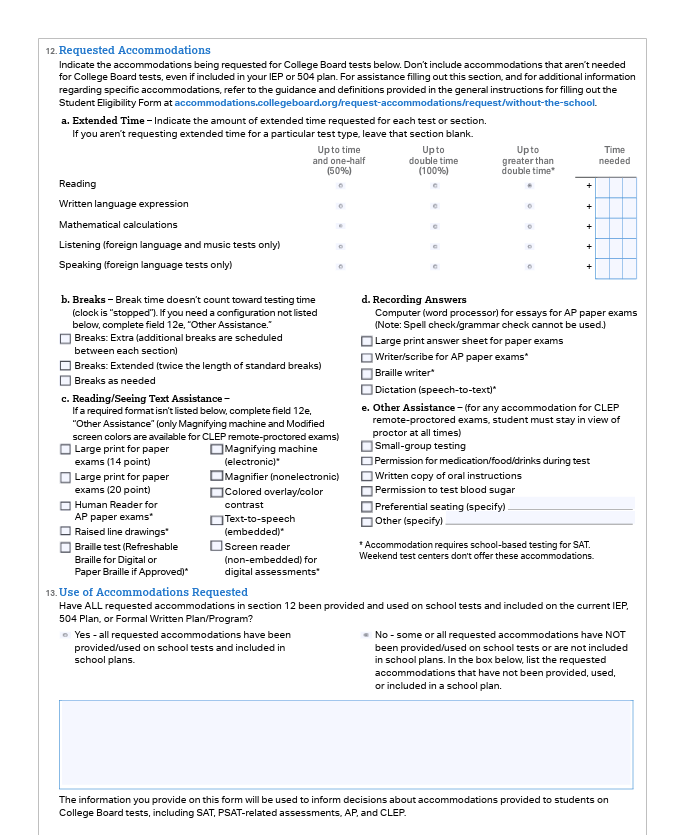
The SSD process verifies a student’s need and documents accommodations like extended time, large-print materials, or a scribe. Once approved, the SSD number speeds registration for future College Board tests and ensures exam centers and AP coordinators deliver the right supports.

How to apply and get an SSD number for College Board
Applying for accommodations takes coordinated steps. Follow these general steps to request an SSD number for College Board.
- Contact your school’s SSD or special education coordinator to start the request and collect documentation.
- Gather documentation that shows current need, such as recent evaluations, IEPs, 504 plans, or medical records.
- Submit the request through College Board’s SSD portal or via your school, following College Board’s documentation guidelines.
- Wait for a decision; College Board reviews files and, if approved, issues an SSD number and an accommodations letter.
Apply early. Decisions can take several weeks, and late requests can delay testing. If a request is denied, you can often provide more documentation or appeal. Keep copies of all records and submission receipts to speed follow-up.
Why the SSD number for College Board matters
The SSD number for College Board streamlines testing logistics and protects access. Here are the key reasons it matters.
- It ensures consistent accommodations across SAT, PSAT, AP, and other College Board programs.
- It helps test centers and AP coordinators prepare materials and staffing in advance.
- It acts as verification when you register for tests, so you don’t have to resubmit full documentation each time.
- It reduces errors or delays at test day by clearly listing approved supports.
Think of the SSD number as a tag on your file. Without it, your approved supports may not be applied smoothly, which can cause stress or test-day issues.

Common accommodations tied to an SSD number
An SSD number covers a range of accommodations approved by the College Board. Common examples include:
- Extended time for sections or the full test
- Extra breaks or flexible timing
- Large-print or braille test books
- Use of a scribe, reader, or sign language interpreter
- Separate testing room or reduced distraction environment
Each accommodation is listed with specifics in the approval notice connected to the SSD number. The approval may define exact timing, materials, or conditions for the support.
How to use your SSD number when registering and testing
Once you have an SSD number for College Board, use it proactively.
- Add the SSD number to your College Board profile or give it to your school test coordinator when registering for SAT, PSAT, or AP exams.
- Confirm with the test center or AP coordinator that your accommodations are scheduled and materials are ordered.
- Bring any required approval letters or school coordinator notes to the test center if requested.
- Check the student portal before test day to verify accommodations and test details.
Communication matters. A short call or email to confirm accommodations two weeks before the test prevents last-minute surprises.
Common problems and how to avoid them
Problems with the SSD number for College Board are usually avoidable. Here are frequent issues and fixes.
- Delay in approval — Start the request months ahead and check the portal regularly.
- Incomplete documentation — Use current, clear reports and follow College Board guidelines exactly.
- Test center doesn’t have materials — Confirm orders early and have a backup plan with your school.
- Not linking the SSD number to registration — Always provide the number when you sign up for a test or contact the coordinator.
If you run into trouble, stay calm and document every step. A friendly, detailed email to College Board or your school coordinator usually moves things forward.
Personal experience and practical tips
I’ve helped students plan testing with accommodations. From those experiences, a few practical tips stand out.
- Start early. One student waited too long and lost extended time for a key exam. Apply months ahead to avoid that stress.
- Keep copies of all documentation and submission confirmations in a single folder or cloud drive.
- Build a short checklist for each test: SSD number added, materials ordered, test center confirmed, approval letter on hand.
- Be clear but polite when you follow up. Test coordinators handle many tasks and a concise email or call gets results.
These steps saved time for students I worked with and made test day calm and predictable.
Frequently Asked Questions of what is ssd number for college board
What does SSD mean for College Board?
SSD stands for Services for Students with Disabilities and refers to the College Board area that handles testing accommodations and approvals.
How long does it take to get an SSD number for College Board?
Review times vary but often take several weeks; submit requests as early as possible to avoid delays.
Can I use the SSD number for SAT and AP exams?
Yes. An SSD number links approved accommodations across SAT, PSAT, AP, and other College Board offerings.
What documentation is needed for an SSD number?
Typical documentation includes recent evaluations, an IEP or 504 plan, and medical reports that clearly show need and current impact.
What if my SSD request is denied?
You can submit additional documentation or appeal the decision, and your school coordinator can help prepare a stronger packet.
Do I need the SSD number to register for a test?
It isn’t always required to register, but providing it ensures your approved accommodations are applied and materials are requested.
Conclusion
Knowing what is ssd number for College Board removes uncertainty and makes testing with accommodations smoother. Get documentation ready, start early, and work closely with your school coordinator to secure approvals and link your SSD number to each test. Take action now: organize your records, contact your SSD coordinator, and schedule your request so you’re prepared well before test day. If this guide helped, consider sharing your experience or asking a specific question below.

Jamie Lee is a seasoned tech analyst and writer at MyTechGrid.com, known for making the rapidly evolving world of technology accessible to all. Jamie’s work focuses on emerging technologies, product deep-dives, and industry trends—translating complex concepts into engaging, easy-to-understand content. When not researching the latest breakthroughs, Jamie enjoys exploring new tools, testing gadgets, and helping readers navigate the digital world with confidence.