The Sony RX100 VII is the best compact digital camera for travelling because it combines strong image quality, zoom, and pocket size.
Choosing the best compact digital camera for travelling depends on more than megapixels. You need a camera that is small enough to carry all day, quick enough for street scenes, and versatile enough for landscapes, food, portraits, and video. After comparing sensor size, lens range, autofocus, battery life, durability, and real travel use, the Sony RX100 VII is the best overall choice for most people. However, the best camera for you may be different if you value a long zoom, rugged build, or simple controls more than pocket size.

What is the best compact digital camera for travelling?
The best compact digital camera for travelling is the Sony RX100 VII. It has a one-inch sensor, a bright 24–200mm equivalent zoom lens, fast autofocus, a pop-up electronic viewfinder, and 4K video in a body that can fit in a jacket pocket.
Its main strength is balance. Many small cameras do one thing well, but the RX100 VII handles many travel tasks with little fuss. You can capture a wide city view, zoom in on a distant building, photograph a child running through a park, or record a smooth travel clip.
The camera is not perfect. Its grip is small, its menus can feel complex, and its lens becomes less bright at the long end of the zoom. It is also more expensive than basic point-and-shoot models. Still, its mix of image quality, speed, and portability makes it the strongest all-around answer to what is the best compact digital camera for travelling.
Best compact travel cameras at a glance
Different travelers have different needs. A street photographer may want a fixed lens and quiet operation, while a family traveler may need a useful zoom and simple controls.
| Camera | Best for | Main strength | Main limitation |
|---|---|---|---|
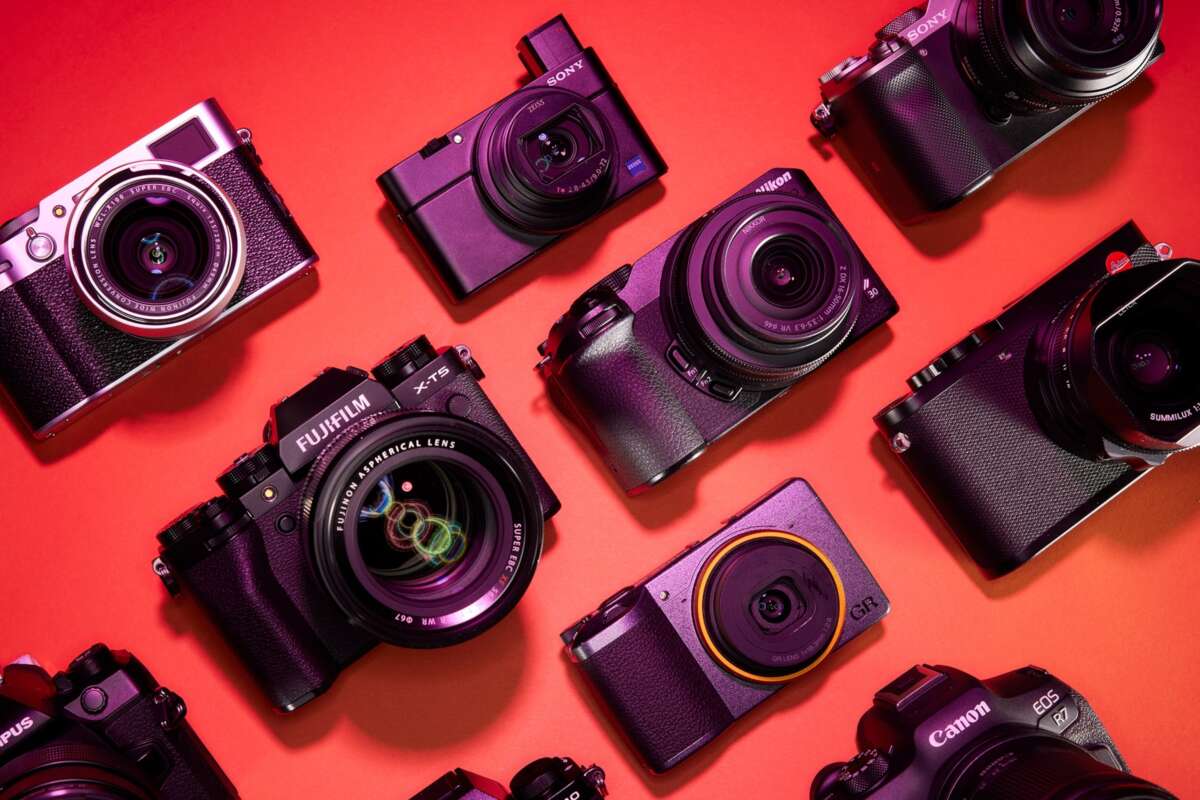
| Sony RX100 VII | Most travelers | Fast autofocus and 24–200mm zoom | High price and small grip |
| Ricoh GR IIIx | Street and everyday photography | Excellent image quality in a tiny body | Fixed lens and no built-in viewfinder |
| Canon PowerShot G7 X Mark III | Travel video and casual photos | Bright lens and easy controls | Autofocus is weaker than Sony’s |
| Panasonic Lumix ZS200 | Long zoom travel photography | 15x optical zoom | Lens is not very bright at full zoom |
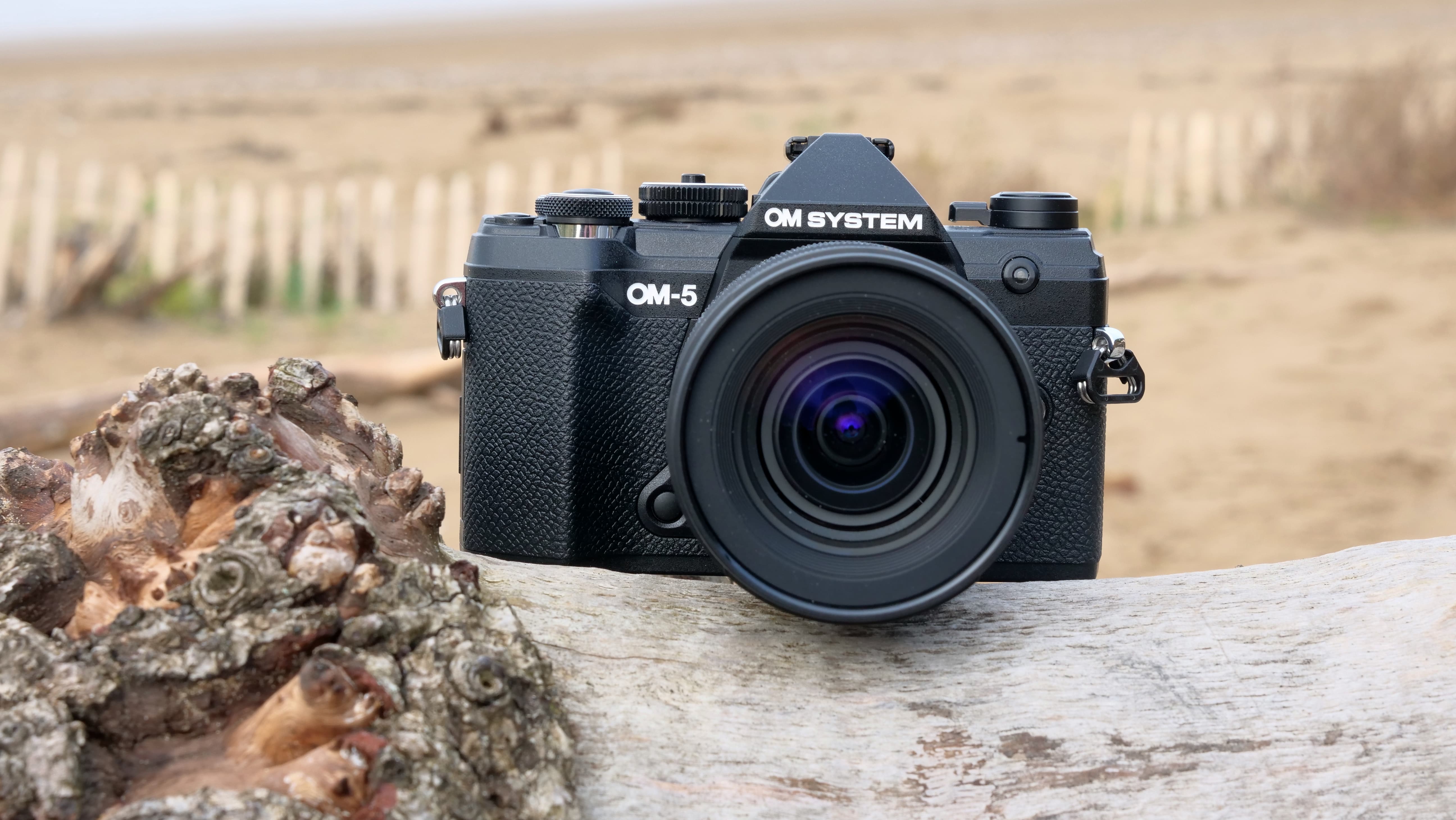
| OM System Tough TG-7 | Adventure travel | Waterproof and shockproof design | Smaller sensor and modest low-light quality |
| Fujifilm X100VI | Premium creative photography | Large sensor and excellent color profiles | Larger, costly, and fixed lens |
The Sony RX100 VII is the best compact digital camera for travelling for general use. The Ricoh GR IIIx may be better for someone who wants a small camera for streets and cafés. The OM System Tough TG-7 is the safer choice for snorkeling, hiking, skiing, and beach trips.

Why the Sony RX100 VII is the best overall choice
the Sony RX100 VII uses a 20.1-megapixel one-inch stacked CMOS sensor. This sensor is much larger than the sensors found in most phones and inexpensive compact cameras. It helps produce cleaner images in dim light and gives photos more detail and depth.
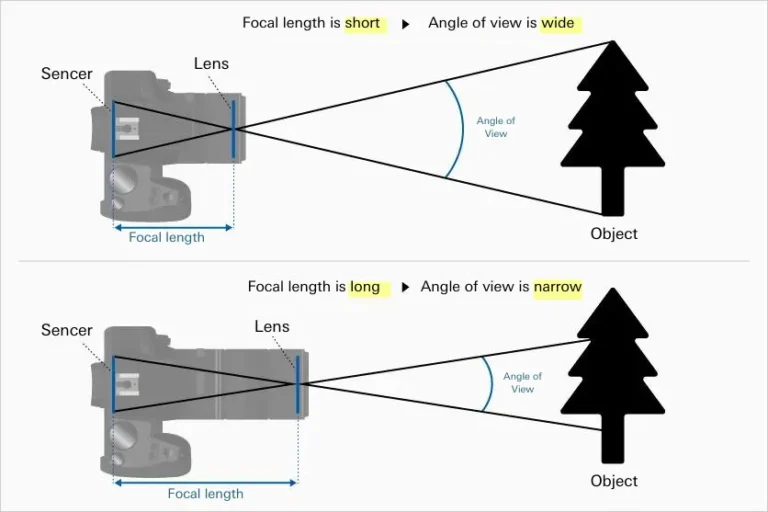
The 24–200mm equivalent lens is one of the camera’s biggest advantages. At 24mm, it works well for buildings, landscapes, and group photos. At 200mm, it can bring distant subjects closer without making you walk across a plaza or disturb wildlife.
Its autofocus system is also a major benefit. It can track people, faces, and eyes with strong accuracy. This matters during travel because important moments often happen quickly. A street performer does not wait while you adjust focus.
The RX100 VII also offers:
• 4K video recording
• A built-in electronic viewfinder
• A tilting screen for low and high angles
• A pop-up flash
• Wi-Fi and Bluetooth connectivity
• High-speed burst shooting
• A compact body weighing about 302 grams with battery and card
The small body is easy to carry, but it also creates a trade-off. The controls are close together, and the camera can feel slippery without an added grip. I recommend fitting a small grip or wrist strap before a long trip. It is a simple change that can make the camera feel much safer.
Image quality for real travel situations
A camera’s image quality is not only about its sensor. The lens, autofocus, stabilization, exposure system, and photographer’s skill all matter. The best compact digital camera for travelling should help you get a sharp photo when the light changes or the subject moves.
In bright daylight, the RX100 VII produces detailed images with pleasing color. It handles streets, monuments, beaches, and outdoor markets very well. Its built-in optical stabilization can also help reduce blur when you shoot at slower shutter speeds.
At night, the camera is capable but not magical. A one-inch sensor cannot match a modern interchangeable-lens camera with a large APS-C or full-frame sensor. The lens is bright at the wide end but slower when zoomed in. For evening scenes, stay near the wide end, hold the camera firmly, and use a small tripod when practical.
The camera performs best when you:
• Keep the lens near 24mm in low light
• Use the lowest practical ISO setting
• Turn on face or eye detection for people
• Check highlights in bright skies
• Shoot RAW when you plan to edit
• Use JPEG if you want fast sharing
RAW files give you more control over shadows and highlights. JPEG files are easier to share from a phone. Many travelers should use RAW and JPEG together until they learn which workflow feels best.
 choice”
style=”max-width: 100%; height: auto; border: 2px solid black; border-radius: 10px; display: block; margin: 0 auto;”
loading=”lazy”
/>
Best compact digital camera for street photography
The Ricoh GR IIIx is one of the best compact digital cameras for travelling if street photography is your main goal. It has a fixed 40mm equivalent lens, an APS-C sensor, and a very small body.
The 40mm view feels natural. It is wide enough for daily scenes but tight enough for portraits and details. The camera can slip into a small pocket, which makes it less noticeable than a larger camera with a long zoom.
The standard Ricoh GR III has a wider 28mm equivalent lens. It is better for architecture, interiors, and close street scenes. The GR IIIx is better for portraits and more focused compositions.
Important strengths include:
• Large APS-C sensor
• Excellent detail and dynamic range
• Very small body
• Fast startup
• Useful built-in stabilization
• Simple snapshot-style shooting
The main limitation is the fixed lens. You cannot zoom in or out. You must move your feet or accept a different composition. It also lacks a built-in viewfinder, and its battery life is not impressive. Carry at least one spare battery or a small USB power bank.
For a traveler who enjoys quiet observation, the Ricoh may be more rewarding than the Sony. For a traveler who wants one camera to cover almost every subject, the Sony remains more flexible.
Best compact camera for travel video
The Canon PowerShot G7 X Mark III is a strong option for travelers who care about video, selfies, and easy controls. Its one-inch sensor and bright 24–100mm equivalent lens work well for food, portraits, indoor scenes, and walk-and-talk clips.
The lens opens to a wide aperture at the wide end. This lets in more light than many travel zoom cameras. It can also create a softer background for portraits and close subjects.
The flip-up screen is useful for self-recording. The camera can record 4K video and offers a microphone input, which is helpful for creators who want better sound than the built-in microphone can provide.
However, the Canon’s autofocus is not as dependable for moving subjects as the Sony RX100 VII. This difference may not matter for buildings, meals, and slow-paced clips. It matters more when recording children, pets, sports, or walking scenes.
Choose the Canon if you want:
• A bright lens
• Simple controls
• A flip-up screen
• A small camera for video
• Good indoor performance
Choose the Sony instead if fast subject tracking and a longer zoom matter more.

Best compact camera with a long zoom
The Panasonic Lumix ZS200, also known as the TZ200 in some markets, is a good choice for travelers who want reach. Its 15x optical zoom covers roughly 24–360mm equivalent, so it can handle wide views and distant subjects.
That range is useful on sightseeing trips. You can photograph a cathedral from a narrow street, frame a mountain in the distance, or capture wildlife without carrying a large telephoto lens.
The camera also has:
• A one-inch sensor
• A built-in electronic viewfinder
• Optical image stabilization
• 4K video
• Manual exposure controls
Its weakness is the lens aperture. The lens becomes quite slow at the telephoto end. This means it needs more light or a higher ISO when you zoom in. Images can also look less crisp in very dim conditions.
The Panasonic is often a better value than the Sony RX100 VII. It is the best compact digital camera for travelling for people who prioritize zoom range over autofocus speed and low-light performance.
Best rugged compact camera for adventure travel
The OM System Tough TG-7 is the best compact travel camera for harsh conditions. It is waterproof, shockproof, crushproof, freezeproof, and designed for outdoor use.
The TG-7 is useful for:
• Snorkeling
• Kayaking
• Snow trips
• Beach holidays
• Mountain hikes
• Rainy city tours
• Family trips with young children
Its small sensor cannot match the image quality of the Sony RX100 VII or Ricoh GR IIIx. In bright light, however, it can produce attractive photos. Its macro modes are especially fun for flowers, shells, insects, and small objects.
The key lesson is simple: the best compact digital camera for travelling is not always the one with the best specifications. A rugged camera that survives water and drops may create more useful memories than a delicate camera that stays in your hotel room.
The TG-7 also includes useful outdoor features such as location data support, macro shooting modes, and simple controls. If your trip includes water or rough terrain, durability should come before sensor size.

Is a compact camera better than a smartphone for travel?
A modern smartphone is often the most convenient travel camera. Phones are light, easy to share, and excellent at computational photography. They also combine several cameras, automatic HDR, portrait modes, editing tools, maps, and cloud backup.
A compact camera still has important advantages:
• A real optical zoom
• Better control over shutter speed and aperture
• More comfortable physical controls
• Better handling for long shooting sessions
• Less dependence on phone battery
• More natural background blur on larger-sensor models
• Fewer distractions while taking photos
A phone may produce a brighter night photo with one tap. A dedicated camera may produce a more natural file with better control and less processing. Neither wins every situation.
My practical advice is to carry both when possible. Use your phone for quick snapshots and sharing. Use the compact camera when the moment matters, the subject is far away, or you want more control.
Features that matter most in a travel camera
Size and weight
The best compact digital camera for travelling must be easy to carry. If it is heavy or awkward, you will leave it in your room.
A camera under 400 grams is usually comfortable for daily sightseeing. A wrist strap, small pouch, and spare battery can make a bigger difference than a few extra megapixels.
Sensor size
Sensor size affects image quality, low-light performance, and background blur. Common compact camera sensor sizes include:
• One-third-inch sensors in basic models
• One-inch sensors in advanced travel compacts
• Micro Four Thirds sensors in small interchangeable-lens cameras
• APS-C sensors in premium compact cameras
• Full-frame sensors in larger premium models
A larger sensor usually performs better in low light. It can also make the camera larger and more expensive. One-inch sensors offer a useful middle ground for travel.
Lens range
A wide lens helps with landscapes, rooms, and groups. A telephoto lens helps with details, distant buildings, and animals.
A 24–70mm equivalent range is enough for many travelers. A 24–200mm range is more flexible. A 24–360mm range gives even more reach but often sacrifices low-light performance.
Autofocus
Fast autofocus matters when photographing people, animals, street scenes, and events. Look for face detection, eye detection, and subject tracking.
A camera with excellent autofocus can save a missed photo. This is one reason the Sony RX100 VII remains such a strong choice.
Stabilization
Optical stabilization helps reduce blur caused by hand movement. It is especially helpful for night scenes, indoor photos, and video.
Stabilization cannot freeze a moving person. It only helps with camera shake. To freeze motion, you still need a faster shutter speed.
Battery life
Compact cameras have small batteries. A full day of navigation, photos, video, and wireless transfers can drain one quickly.
Pack:
• One or two spare batteries
• A USB charger
• A power bank
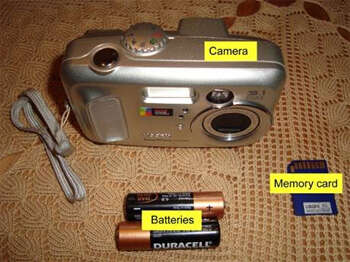
• A memory card with enough space
Turn off wireless features when you do not need them. Lowering screen brightness can also extend battery life.

What to avoid when buying a compact travel camera
Many buyers focus on megapixels and zoom numbers. Those specifications matter, but they do not tell the whole story.
Avoid choosing a camera only because it has:
• A very high megapixel count
• An extreme digital zoom
• A low advertised price
• Many complicated features
• A large body that you will not carry
Digital zoom crops the image and often reduces detail. Optical zoom is more useful. A 20-megapixel camera with a good lens can produce better photos than a 40-megapixel camera with a poor lens.
Also check whether the camera is still sold new in your country. Some popular compact models have limited stock because the market has shifted toward smartphones and mirrorless cameras. Prices may rise when retailers have only a few units left.
Before buying, read the full specifications and confirm:
• Battery type
• Charger included in the box
• Memory card format
• Weather protection
• Warranty coverage
• Availability of spare batteries
A camera may be small, but accessories can add cost. Include a card, battery, case, and charger in your budget.
How to choose the right camera for your trip
Use this simple process before you buy.
-
Decide what you photograph most. Choose a zoom camera for sightseeing and wildlife. Choose a fixed-lens camera for streets and daily life.
-
Think about where you will carry it. A camera that fits in a pocket is more likely to be used.
-
Set a realistic budget. Include batteries, a card, and a case.
-
Decide whether video matters. Look for a microphone input and a suitable screen if you plan to vlog.
-
Consider the weather. Choose a rugged camera for water, snow, dust, or rough activities.
-
Test the controls if possible. A camera should feel comfortable in your hand.
-
Buy a spare battery. Missing a great photo because the battery died is an avoidable mistake.
This process will help you identify what is the best compact digital camera for travelling based on your own trip, rather than someone else’s list.

Practical travel photography tips
The best compact digital camera for travelling still needs good technique. A few simple habits can improve your results at once.
Keep the lens clean. A fingerprint can make every photo look soft, especially at night. Use a microfiber cloth and avoid wiping the lens with clothing.
Shoot during soft light. Early morning and late afternoon create softer shadows and richer color. Bright midday sun can make faces look harsh.
Look for layers. Place a person, doorway, tree, or sign in the foreground. This gives a flat street scene more depth.
Do not always center your subject. Leave space in the direction a person is facing or moving. This often makes the image feel more natural.
Hold the camera with both hands. Tuck your elbows in and press the shutter gently. These small habits help reduce blur.
Review your photos at the end of each day. Delete obvious mistakes and back up the rest. Memory cards can fail, and phones can be lost.
One mistake many travelers make is carrying too much equipment. A compact camera, spare battery, small charger, and wrist strap are often enough. Extra gear can turn photography into a chore.
Best settings for common travel scenes
City streets
Use aperture priority mode with an aperture around f/4 to f/5.6. Keep auto ISO enabled and set a minimum shutter speed if your camera allows it.
Landscapes
Use a lower ISO and an aperture around f/5.6 to f/8. Focus about one-third into the scene. Watch bright skies so they do not become completely white.
Portraits
Use face or eye detection. Zoom to a medium focal length and keep some space between the camera and your subject. Avoid placing the person directly under strong overhead light.
Night scenes
Use the widest lens setting and optical stabilization. Brace the camera against a wall or railing. If the subject is moving, raise the shutter speed and accept some image noise.
Food photography
Move near a window when possible. Use a wider aperture to separate the food from the background. Avoid using the built-in flash directly on shiny plates.
Frequently Asked Questions
What is the best compact digital camera for travelling overall?
The Sony RX100 VII is the best overall choice for most travelers. It combines a one-inch sensor, a 24–200mm zoom, fast autofocus, image stabilization, and 4K video in a very small body.
Is a compact camera better than an iPhone for travel photos?
A compact camera can be better when you need optical zoom, physical controls, longer shooting comfort, or a larger sensor. A recent iPhone may be better for quick photos, night processing, editing, and instant sharing.
What is the best cheap compact digital camera for travelling?
The Panasonic Lumix ZS200 is often a sensible value choice when available at a good price. Used versions of the Sony RX100 series can also offer strong image quality, but check battery health, lens condition, and return policies.
Which compact camera is best for travel video?
The Canon PowerShot G7 X Mark III is a strong travel video option because it has a bright lens, a flip-up screen, 4K video, and a microphone input. The Sony RX100 VII is better for moving subjects because its autofocus is stronger.
What is the best compact digital camera for travelling in wet conditions?
The OM System Tough TG-7 is the best choice for wet or rough trips. It is built for water, drops, cold weather, and outdoor use, although its image quality is below that of larger-sensor compact cameras.
Is a 1-inch camera sensor good enough for travel photography?
Yes. A one-inch sensor offers a clear improvement over many basic compact cameras and can produce detailed images in good and moderate light. It is a practical balance between image quality, lens range, size, and cost.
How much should I spend on a compact travel camera?
Expect to spend more for a current premium model with a large sensor, strong autofocus, and a quality zoom. Set aside extra money for a memory card, spare battery, case, and charger.
Conclusion
The Sony RX100 VII is the best compact digital camera for travelling for most people because it offers the strongest balance of size, zoom, autofocus, image quality, and video. The Ricoh GR IIIx is better for street photography, the Panasonic ZS200 is better for long zoom reach, the Canon G7 X Mark III suits travel video, and the OM System Tough TG-7 is the safer choice for adventure trips.
The best compact digital camera for travelling is the one you will carry and use every day. Choose your camera based on your subjects, destination, budget, and comfort with its controls. Pack a spare battery, protect your files, and take time to enjoy the journey as well as the photographs.

Everett Ashford is a tech reviewer at mytechgrid.com specializing in SSDs, cameras, TVs, earbuds, headphones, and other consumer electronics. He provides honest, data-driven reviews based on hands-on testing and real-world performance analysis. Everett simplifies complex tech details to help readers make smart, confident buying decisions.