A good digital camera balances image quality, ease of use, reliable performance, and features that match your shooting needs.
Knowing what makes a good digital camera helps you spend money wisely instead of chasing the biggest sensor, highest megapixel count, or newest feature. After years of comparing cameras in real shooting conditions, I have found that the best choice is rarely the one with the longest spec sheet. It is the camera that feels natural in your hands and delivers the results you need.
What Makes a Good Digital Camera?
A good digital camera produces clear, detailed images in many types of light. It should also focus quickly, handle color well, offer useful controls, and feel comfortable during long sessions.
The right camera depends on your goals. A travel photographer may value a small body and strong battery life. A parent may want fast autofocus and simple controls. A wildlife shooter may need long reach, high-speed bursts, and subject tracking.
The main qualities that define what makes a good digital camera include:
• A capable image sensor
• Reliable autofocus
• Good lens quality
• Useful low-light performance
• Accurate exposure and color
• Comfortable handling
• Strong battery life
• Fast operation
• A durable body
• Features that fit your budget and style
A camera does not need to excel at everything. It needs to perform well where you use it most.

Image Sensor Size and Image Quality
The image sensor is one of the most important parts of a digital camera. It captures light and turns that light into a photo. In simple terms, a larger sensor is like a larger window: it can collect more light and often create cleaner images.
Common sensor sizes include:
• Full frame: Common in professional and high-end enthusiast cameras
• APS-C: Popular in mirrorless and DSLR cameras because it balances size, price, and quality
• Micro Four Thirds: Smaller than APS-C, but compact and capable
• One-inch: Common in premium compact cameras
• Smartphone-sized sensors: Convenient, but usually more limited in difficult light
A larger sensor can improve dynamic range, background blur, and low-light image quality. Dynamic range means the camera can preserve detail in both bright skies and dark shadows.
However, sensor size is not everything. Modern image processing can make a smaller sensor perform very well. Lens quality, exposure settings, noise reduction, and lighting also have a major effect.
This is a key part of what makes a good digital camera: the whole imaging system must work together. A large sensor with a poor lens may produce less pleasing results than a smaller sensor paired with excellent glass.
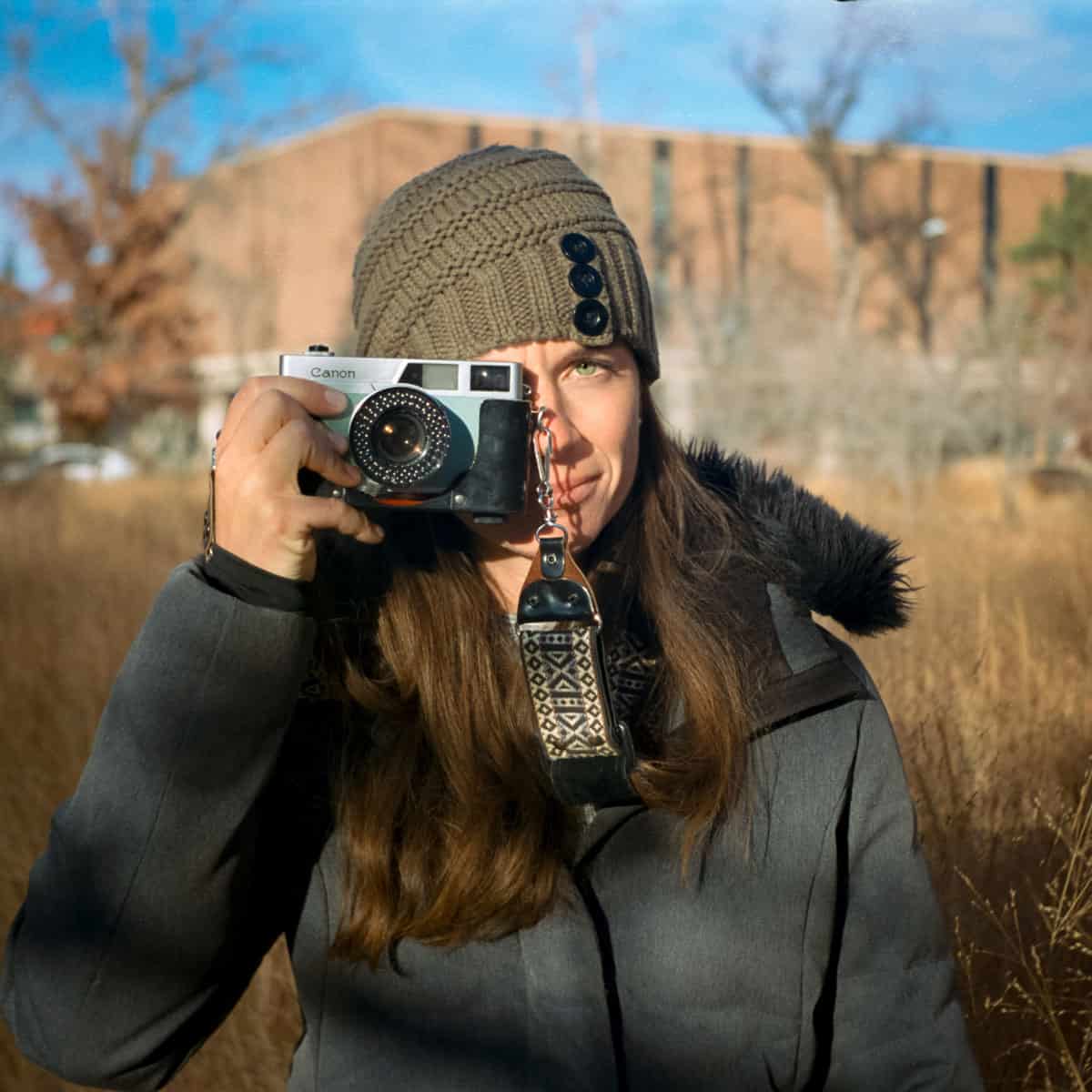
Megapixels: How Many Do You Really Need?
Megapixels describe the amount of detail in an image. A 24-megapixel camera creates an image with about 24 million pixels. More pixels can help with large prints and cropping, but they do not automatically create better photos.
For most people, 20 to 30 megapixels is more than enough. This range works well for:
• Social media and online sharing
• Family photos
• Travel photography
• Small and medium prints
• Basic cropping
• Everyday creative work
High-resolution cameras can help landscape, studio, fashion, and commercial photographers. They give you more room to crop while keeping fine detail.
There is a trade-off, though. More pixels can create larger files and demand sharper lenses. They may also reveal camera shake or focusing errors more clearly.
One common mistake I have seen is choosing a camera based only on its megapixel number. A well-designed 24-megapixel camera can produce better results than a poorly balanced 50-megapixel model. Resolution matters, but it is only one part of what makes a good digital camera.
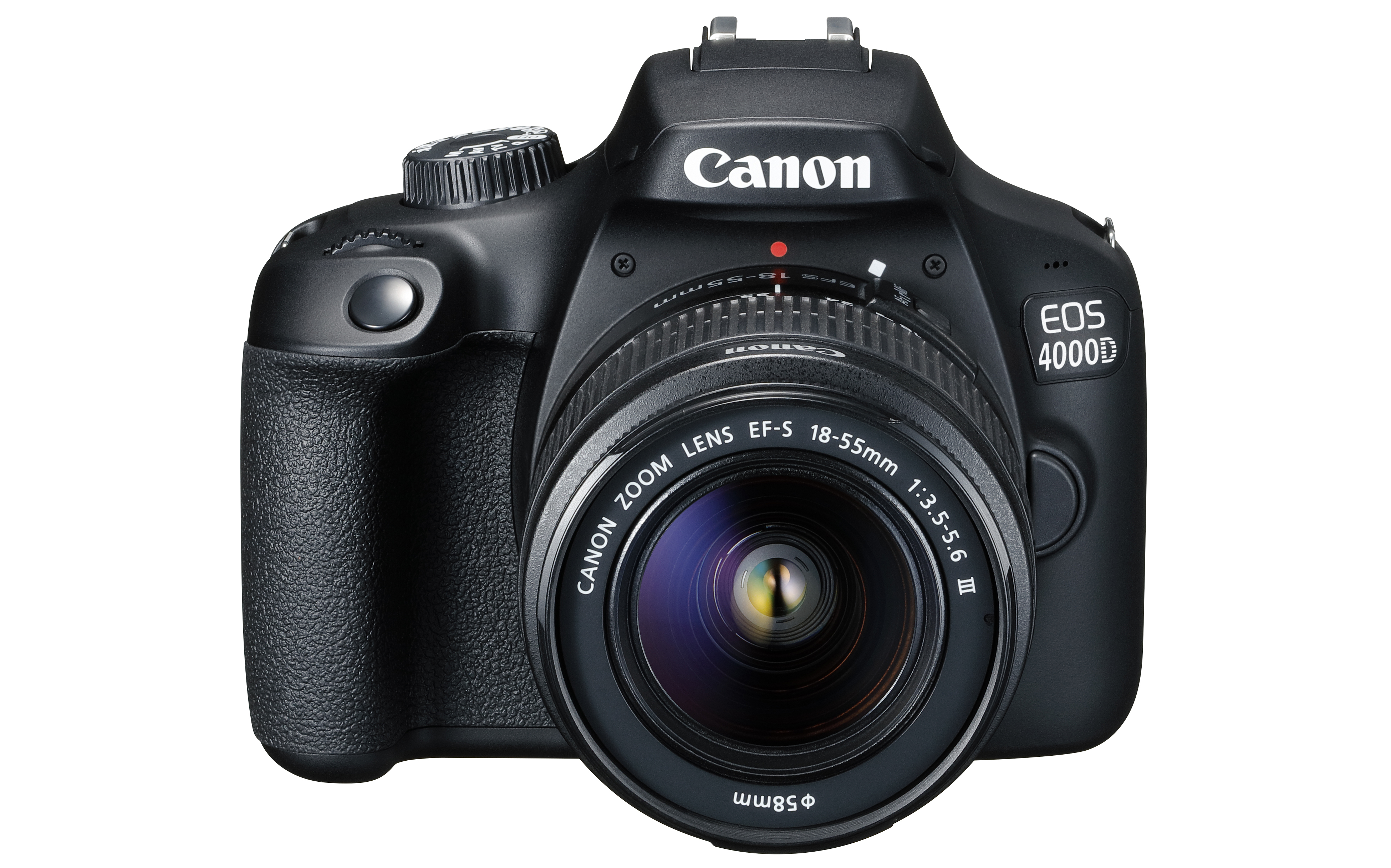
Lens Quality and Lens Choice
The lens controls how much detail, contrast, light, and background blur your camera can produce. For many photographers, the lens matters as much as the camera body.
A lens with a wide maximum aperture, such as f/1.8 or f/2.8, lets in more light. It can also create a soft background that helps your subject stand out. A smaller aperture, such as f/4 or f/5.6, may be better for landscapes or group photos where you want more of the scene in focus.
Important lens features include:
• Focal length: Controls the angle of view and magnification
• Maximum aperture: Affects low-light ability and background blur
• Optical image stabilization: Helps reduce blur from hand movement
• Autofocus motor: Influences focusing speed and noise
• Weather sealing: Adds protection in dust or light rain
• Build quality: Affects durability and long-term use
A 24mm lens is useful for landscapes and interiors. A 35mm or 50mm lens works well for street scenes, portraits, and everyday photos. A telephoto lens helps with sports, wildlife, and distant subjects.
When judging what makes a good digital camera, always include the cost of lenses. A low-cost body with expensive lenses may cost more over time than a complete camera kit that already meets your needs.
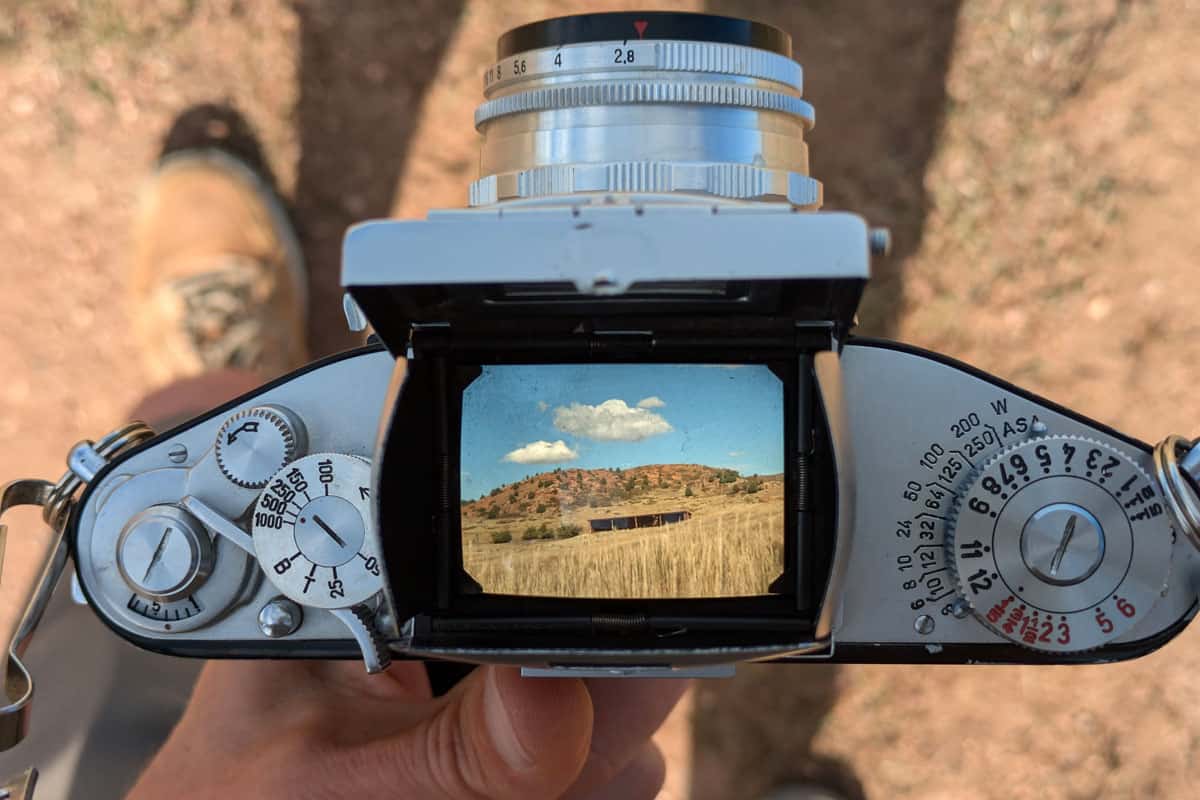
Autofocus Speed and Accuracy
Autofocus is the camera’s ability to find and maintain focus. It matters most when your subject moves or when you have little time to react.
Modern cameras may offer face detection, eye detection, animal tracking, vehicle tracking, and subject recognition. These tools can be very helpful, but they are not perfect. The camera may focus on the wrong eye, lose a fast subject, or struggle in poor light.
A good autofocus system should:
• Lock focus quickly
• Track moving subjects smoothly
• Recognize faces and eyes accurately
• Work in dim conditions
• Let you choose focus points
• Offer simple ways to override automatic focus
For still portraits, eye detection can save time. For sports, continuous autofocus and fast burst shooting are more important. For landscapes, manual focus or single-point autofocus may be enough.
In my own testing, autofocus reliability often matters more than a small difference in sensor resolution. A slightly lower-resolution photo that is sharp is far more useful than a high-resolution photo with missed focus.
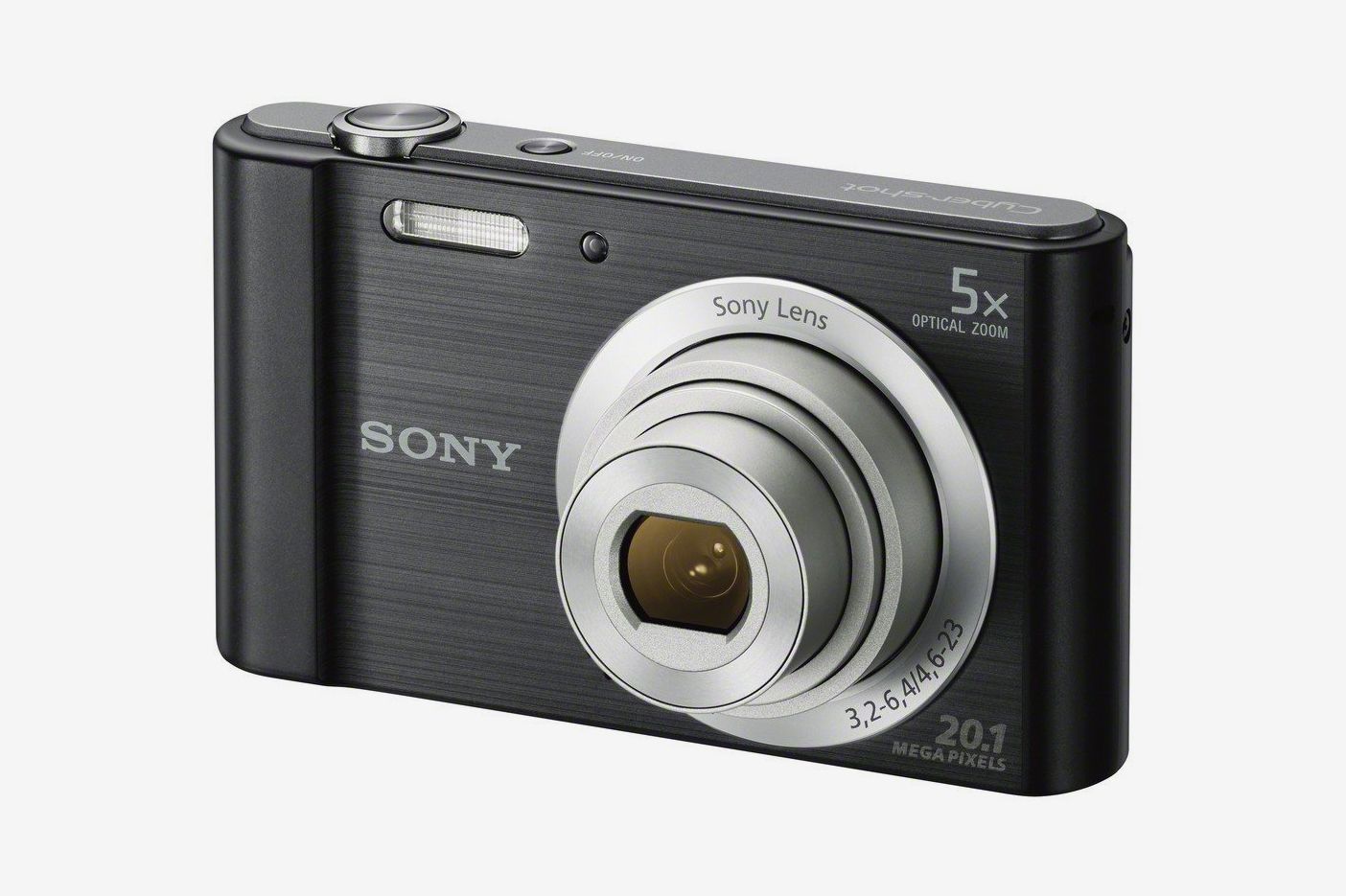
Low-Light Performance and Dynamic Range
Low-light performance shows how well a camera works indoors, at night, or in shaded areas. A capable camera should produce images with acceptable detail and manageable noise when the light drops.
Noise appears as grain or colored specks in an image. It becomes more noticeable when you raise the ISO setting. A larger sensor often controls noise better, but the lens and image processor also matter.
Dynamic range is equally important. A camera with strong dynamic range can record more detail in shadows and highlights. This helps when photographing:
• Sunsets
• Bright windows indoors
• Snowy scenes
• Dark forests
• Concerts
• Backlit portraits
Image stabilization can also improve low-light results. It lets you use slower shutter speeds while holding the camera by hand. It does not freeze a moving person, but it can reduce blur from your own movement.
Good technique still matters. I have learned that bracing the camera, choosing a faster lens, and exposing carefully can improve a night photo more than simply buying a newer camera.
Manual Controls and Ease of Use
A good camera should be easy to use when you want speed and flexible when you want control. Beginners may start with automatic modes, while experienced users often prefer aperture priority, shutter priority, or full manual mode.
Useful controls include:
• Exposure compensation
• ISO adjustment
• Shutter speed control
• Aperture control
• White balance settings
• Manual focus support
• Custom buttons
• A clear menu system
The camera should also have a comfortable grip and buttons that are easy to reach. A camera can have excellent specifications, but it will not help much if the controls feel confusing.
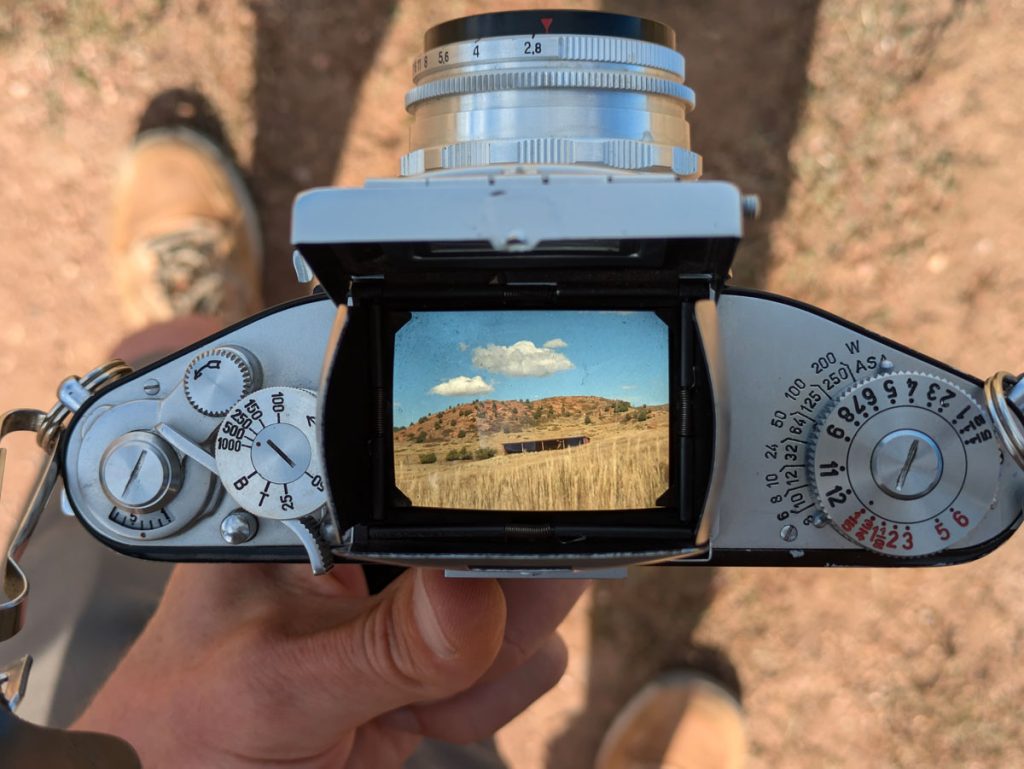
A tilting or fully articulating screen can help with low-angle, high-angle, and video shots. An electronic viewfinder is useful in bright sunlight because it shows the scene more clearly than a rear screen.
This balance between control and simplicity is central to what makes a good digital camera. The best camera should help you think about the photo, not fight you over basic settings.

Image Stabilization
Image stabilization reduces blur caused by camera movement. It is especially useful when you shoot indoors, at night, or with a telephoto lens.
There are several types:
• Optical stabilization: Built into some lenses
• In-body stabilization: Built into the camera body
• Electronic stabilization: Common in video modes and some compact cameras
In-body image stabilization can work with many lenses. Some systems combine body and lens stabilization for stronger results.
Stabilization does not stop a moving subject. If a child runs across a room, you still need a fast shutter speed. Stabilization mainly helps when the camera moves while the subject stays still.
When considering what makes a good digital camera, look at stabilization as a practical tool rather than a magic feature. It improves your chances of getting sharp images, but good technique and suitable settings remain important.
Shooting Speed, Buffer, and Responsiveness
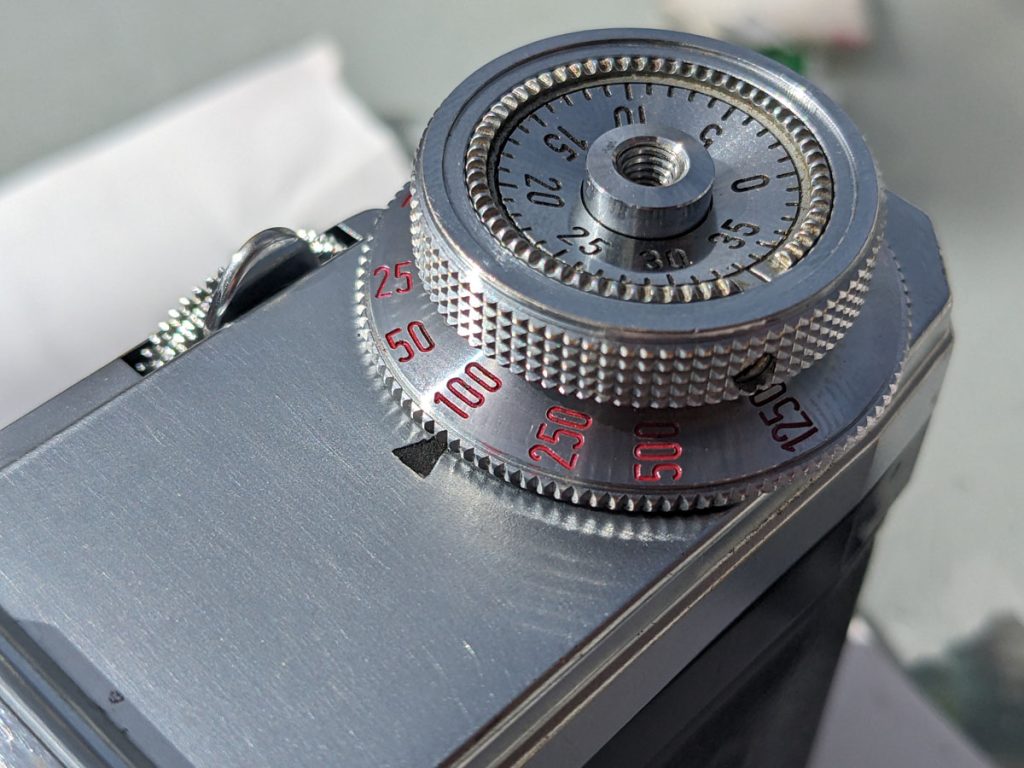
A responsive camera feels ready when you are ready. It should start quickly, focus without delay, capture images at a useful speed, and save files without slowing down.
Burst speed matters for sports, wildlife, pets, and children. But the advertised frame rate does not tell the whole story. You should also check:
• How many images the camera can capture before slowing
• Whether autofocus works during burst shooting
• Whether the viewfinder stays live between shots
• How fast the camera clears its buffer
• Whether it supports fast memory cards
A camera that shoots 20 frames per second may sound impressive, but it may not be useful if the viewfinder goes dark or the camera stops after a short burst.
For everyday photography, a moderate burst rate with reliable autofocus is often enough. A smooth, responsive camera can make timing easier and reduce frustration.
Battery Life, Storage, and Connectivity
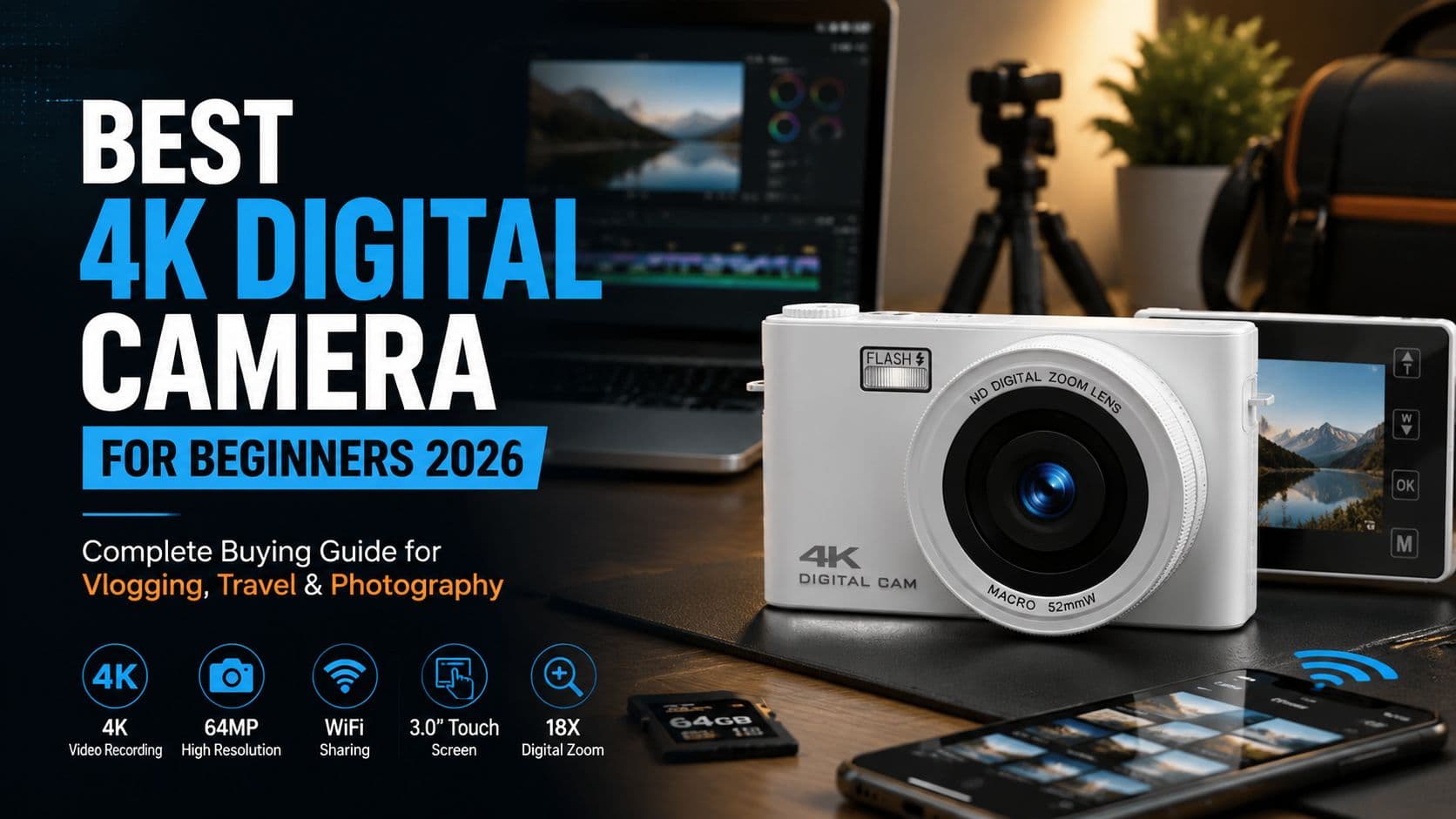
Battery life affects how confidently you can use a camera away from home. Mirrorless cameras often use more power because the electronic viewfinder and screen remain active. Carrying one spare battery is a simple solution for travel or long events.
Memory card support also matters. Check the camera’s card type, maximum capacity, and writing speed. High-resolution photos and high-quality video fill cards quickly.
Modern cameras often include:
• Wi-Fi for wireless transfers
• Bluetooth for low-power connections
• USB charging
• USB-C data transfer
• Smartphone control
• GPS through a phone connection
Wireless features are convenient, but they should not replace good basic operation. A camera with strong battery life, dependable storage, and simple file transfer is often more enjoyable than one with advanced features that feel unreliable.
Video Features
Many people now expect a digital camera to capture both photos and video. If video matters to you, check more than the maximum resolution.
Important video features include:
• 4K recording
• Frame rate choices
• Autofocus during video
• Microphone input
• Headphone monitoring
• Image stabilization
• Heat control
• File format options
• A fully articulating screen
A camera that records 4K video may still have poor autofocus or limited recording time. Some cameras crop the image when using certain video modes, which changes the field of view.
For casual clips, almost any modern interchangeable-lens camera may be suitable. For serious video work, microphone support, cooling, color profiles, and recording limits become much more important.
Build Quality and Weather Resistance
Build quality affects how well a camera handles travel, frequent use, and changing weather. A metal body may feel stronger than plastic, but it can also weigh more and cost more.
Weather resistance can protect against dust and light moisture. It does not mean the camera is waterproof. You must also use weather-sealed lenses and keep ports and battery doors closed.
Look for:
• A secure grip
• Strong card and battery doors
• Durable buttons and dials
• A scratch-resistant screen
• A body that feels balanced with your lens
• Protection against dust and light moisture
Comfort matters as much as strength. A heavy camera may be excellent for a short studio session but tiring during a full day of travel.
Choosing the Right Camera Type
Different camera designs suit different users. Understanding the main types makes the buying process easier.
Compact digital cameras
Compact cameras are small and simple. Many have fixed lenses, which means you cannot change the lens. Premium models can offer large sensors and bright lenses in a very portable body.
They suit travelers, casual photographers, and anyone who wants better control than a phone without carrying a large kit.
Mirrorless cameras
Mirrorless cameras use an electronic viewfinder or rear screen instead of a traditional optical mirror system. They are available in many sizes and price ranges.
They often provide strong autofocus, excellent video features, and access to interchangeable lenses. Their main limits can include battery use, menu complexity, and the cost of building a lens system.
DSLR cameras
DSLRs use an optical viewfinder and mirror system. They remain capable, reliable, and widely available on the used market.
A DSLR can be a great value, especially if you find compatible lenses at a fair price. However, newer mirrorless systems often receive more development and offer more advanced tracking features.
Bridge cameras
Bridge cameras have a fixed lens with a large zoom range. They offer the feel of a larger camera without the need to change lenses.
They are useful for travel, wildlife viewing, and general photography. Their small sensors may not perform as well in low light as larger-sensor interchangeable-lens cameras.
The best choice depends on what makes a good digital camera for your daily life, not on the camera category alone.
Common Mistakes to Avoid
Camera buyers often focus on specifications and overlook practical use. These mistakes can lead to wasted money.
Avoid these problems:
• Buying more megapixels than you need
• Ignoring the price of lenses and accessories
• Choosing a heavy camera you will not carry
• Assuming image stabilization freezes action
• Trusting burst speed without checking buffer performance
• Ignoring battery life
• Buying an advanced camera with controls you dislike
• Forgetting the cost of memory cards and spare batteries
• Choosing a camera without testing its grip
One mistake I made early on was buying a camera that looked perfect on paper but felt awkward in my hands. After a long day, the weight and poor grip mattered more than its extra features.
If possible, hold the camera before buying. Take a few photos. Change the battery. Look through the viewfinder. Small details become important after hundreds of shots.
How to Test a Digital Camera Before Buying
A short test can reveal more than a long product description. Use this simple process in a store or during a return period.
-
Hold the camera with the lens attached. Check whether your fingers sit naturally on the grip.
-
Look through the viewfinder and screen. Make sure the display is clear and comfortable for your eyes.
-
Photograph a person, a moving object, and a detailed surface. Review focus at full size.
-
Test the controls. Change shutter speed, aperture, ISO, and exposure compensation.
-
Try autofocus in low indoor light. Check whether it locks quickly and accurately.
-
Take a short burst of photos. Notice whether the camera slows down or becomes difficult to use.
-
Review menus and transfer options. Simple menus save time over the life of the camera.
-
Check the lens system. Make sure the lenses you want are available and affordable.
This process helps reveal what makes a good digital camera in real use. A camera should not only produce good images; it should make you want to keep photographing.
How Much Should You Spend?
There is no single best camera price. A beginner can create excellent photos with an entry-level camera, while a professional may need costly features for paid work.
Think about the full system cost:
• Camera body
• Lens or lenses
• Memory cards
• Extra batteries
• Camera bag
• Tripod
• Flash or lighting
• Editing software
A reasonable budget often goes further when you buy a slightly older model with a better lens. Camera technology improves quickly, but good lenses can remain useful for many years.
The best camera is the one that gives you the features you need without creating financial stress. Spending more does not guarantee better photos. Learning light, composition, and timing often creates a larger improvement.
Frequently Asked Questions About What Makes a Good Digital Camera
What makes a good digital camera for beginners?
A good beginner camera should have simple controls, reliable autofocus, a comfortable grip, and room to grow. An interchangeable-lens camera with a basic zoom lens is often a strong choice, but a premium compact camera may be better for travelers who value portability.
Is a higher megapixel count always better?
No. More megapixels can help with cropping and large prints, but they also create larger files and may require sharper lenses. Sensor quality, lens quality, autofocus, and lighting usually have a greater effect on everyday image quality.
Is mirrorless better than DSLR?
Neither design is automatically better for every photographer. Mirrorless cameras often offer newer autofocus and video features, while DSLRs can provide excellent value, long battery life, and affordable used lenses.
What sensor size should I choose?
APS-C is a strong balance of image quality, price, and size for many users. Full frame can improve low-light performance and background blur, while Micro Four Thirds and one-inch sensors can offer smaller, lighter systems.
Do I need image stabilization?
Image stabilization is useful for handheld photos in low light and when using telephoto lenses. It does not freeze moving subjects, so you still need a fast shutter speed for sports, pets, and active children.
How important is the camera lens?
The lens is extremely important because it affects sharpness, light gathering, perspective, and background blur. When comparing what makes a good digital camera, consider the available lenses and their prices, not just the camera body.
Conclusion
What makes a good digital camera is the right mix of image quality, autofocus, lens support, controls, comfort, speed, and reliability. Sensor size and megapixels matter, but they are only part of the picture. The best camera matches your subjects, your skill level, your budget, and the way you actually shoot.
Before buying, hold the camera, test its controls, review its lens options, and consider the full system cost. Choose a camera that encourages you to carry it, use it, and improve your photography. Explore more camera guides, compare real-world tests, and share your own experience in the comments.

Everett Ashford is a tech reviewer at mytechgrid.com specializing in SSDs, cameras, TVs, earbuds, headphones, and other consumer electronics. He provides honest, data-driven reviews based on hands-on testing and real-world performance analysis. Everett simplifies complex tech details to help readers make smart, confident buying decisions.