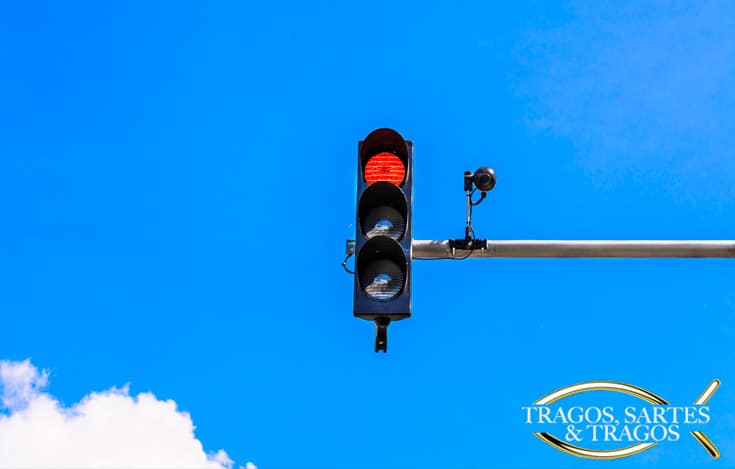
Red light cameras usually look like small rectangular boxes with lenses and a flash, mounted on poles near intersections.
I’ve worked with traffic systems and inspected intersection gear for years, so I can clearly explain what do red light cameras look like, how to spot them, and why they vary in shape and size. This guide covers real-world examples, technical parts, where they sit, legal notes, and hands-on tips so you can recognize these devices and understand how they work.

What do red light cameras look like?
Red light cameras come in a few common shapes. Most are rectangular metal or plastic boxes. They usually show:
- One or more round lenses behind clear glass.
- A flash unit, often a separate lamp or LED array.
- A control cabinet near the pole that holds electronics.
- Mounting brackets on traffic poles, mast arms, or overhead gantries.
You might also see compact housings that look like small white or gray domes or black boxes. Some are highly visible and marked with signs nearby. Others blend into their surroundings more, using color-matched housings or smaller footprints. Overall, what do red light cameras look like depends on the vendor, the intersection, and whether the system also reads plates or measures speed.
Key components and what each part looks like
Understanding the parts helps you identify red light cameras fast.
- Camera housing
- Looks like a weatherproof metal or plastic box.
- Has a clear window for lenses and flash.
- Lens assembly
- Circular glass pieces inside the box.
- Often two lenses: one for a wide view, one for plate detail.
- Flash unit
- Bright lamp or LED strip near the lens.
- May be internal or in a separate module.
- Sensors and triggers
- Invisible loops cut into the pavement or radar units near the pole.
- You won’t see them, but you’ll see the wiring to the cabinet.
- Controller cabinet
- A metal box at the pole base or mounted on a nearby post.
- Houses the recorder, communications gear, and power supply.
Knowing these parts helps answer what do red light cameras look like in close detail. The camera box is the most obvious sign.

Common mounting styles and locations
Red light cameras are placed to capture violations consistently. Common mounts include:
- Pole-mounted
- Camera attached to a side pole near the intersection.
- Mast-arm mounted
- Camera fixed on the horizontal arm above lanes.
- Overhead gantry
- Multiple cameras on a high bar above several lanes.
- Trailer or temporary units
- Portable trailers used for short-term enforcement.
- Building- or ceiling-mounted
- Less common, used where poles are not available.
Where they sit affects how they look. Cameras on mast arms appear higher and more visible. Pole-mounted units are easier to miss unless you look up. Remember this when asking what do red light cameras look like at different intersections.

How to identify them in real life
Spotting red light cameras takes a few simple checks.
- Look for a box with a glass window facing the road.
- Watch for a flash or red glow when lights turn red and a car runs it.
- Check for nearby signage that warns about camera enforcement.
- Scan for a metal cabinet at the pole base with cables to the camera.
- Note multiple lenses or a wide-angle lens plus a narrow plate lens.
If you see a camera-looking box but no flash, it might be inactive or used for traffic monitoring. Still, this answers the everyday question of what do red light cameras look like when you approach an intersection.
Legal, privacy, and accuracy notes
Red light cameras raise legal and privacy issues people ask about often.
- Privacy
- Cameras record vehicle images and plates, not private conversations.
- Local laws control data retention and access.
- Accuracy
- Systems use sensors or radar to detect violations; calibration is key.
- Regular testing is required to defend tickets and ensure accuracy.
- Ticketing and enforcement
* Many jurisdictions issue photo-evidence notices rather than immediate officer stops.- Laws vary: some states limit use, others require signage.
When you think about what do red light cameras look like, remember they are part of an evidence chain. That chain has rules meant to protect drivers and ensure fairness.

Benefits and limitations
Red light cameras can help safety but have limits.
Benefits
- Reduce right-angle collisions at enforced intersections.
- Deter running red lights by making enforcement predictable.
- Provide photo evidence that can speed up adjudication.
Limitations
- Can cause rear-end collisions when drivers brake suddenly.
- May record the wrong vehicle if lanes are crowded or sensors misfire.
- Some systems are controversial due to placement and profit motives.
These points show practical reasons why people often ask what do red light cameras look like before judging their role in traffic safety.

Personal experience and practical tips
From field inspections and tests, I’ve learned what works and what does not.
- I once checked a camera that faced slightly off-angle. Photos missed license plates in bright sun. Lesson learned: angle and sun shading matter for capture.
- I’ve seen temporary trailers that confused drivers because signs were missing. Always look for official signage and check the pole for a camera box.
- When I calibrate systems, small shifts in the housing cause big capture problems. If you plan to contest a ticket, ask for calibration logs and photos.
Practical tips
- Approach intersections at a safe speed and avoid last-second stops.
- If you want to know if a camera was active, request the evidence and calibration records.
- Use smartphone photos cautiously; they can help document location but not replace official evidence.
These on-the-ground notes explain what do red light cameras look like through real inspection work and offer hands-on advice.
Technical variations and additional features
Red light cameras are not all the same.
- Single-lens units
- Focus on the vehicle and the signal phase.
- Dual-lens units
- One lens for the vehicle, one for the plate.
- Combined speed and red-light systems
- Measure speed and signal violations with the same housing.
- Plate recognition and data links
- Some have automated license plate readers built-in.
- Weatherproof and vandal-resistant housings
- Designed for long outdoor life and tamper resistance.
When comparing models, ask what do red light cameras look like in terms of lenses and sensor types. That helps predict the quality of photographs and how evidence is gathered.
Maintenance, calibration, and evidence handling
Proper upkeep keeps systems reliable.
- Routine calibration
- Sensors and cameras need scheduled testing and records.
- Maintenance checks
- Clean lenses, check flash units, and verify mounts after storms.
- Evidence chain
- Images and logs must be stored securely and timestamped for legal use.
If records show poor maintenance, that can affect a ticket’s validity. Knowing this answers the practical part of what do red light cameras look like when treated as legal instruments.
Frequently Asked Questions of what do red light cameras look like
What visual signs indicate a red light camera is active?
Active cameras often have signs warning drivers nearby. You may also notice a flash when a violation occurs or a camera lens pointed at the lane.
Can red light cameras be hidden or disguised?
Some units are small or color-matched to poles, so they can look discreet. Fully hidden surveillance is rare because many laws require signage or visible placement.
Do all red light cameras take clear photos at night?
Most modern units have LED or xenon flash systems designed for night shots. Older or poorly maintained cameras may produce lower-quality night images.
How can I tell if a camera photographed my car?
You can request the citation evidence, which should include photos or video and a timestamp. Check the image for your car’s make, model, and license plate to confirm.
Are portable trailer units as reliable as fixed cameras?
Portable trailers are effective but can be less stable and need careful setup. Their temporary nature may increase the risk of misalignment if not properly installed.
Conclusion
You now have a clear picture of what do red light cameras look like, from box shape and lenses to mounting styles and technical parts. Knowing how they appear and work helps you stay safe, spot enforcement, and handle any ticket with more confidence. Take one simple action: the next time you approach an intersection, scan for the camera box, sign, and pole cabinet—then drive defensively and avoid sudden braking. If this guide helped, leave a comment, share your experience, or subscribe for more practical traffic-safety tips.

Jamie Lee is a seasoned tech analyst and writer at MyTechGrid.com, known for making the rapidly evolving world of technology accessible to all. Jamie’s work focuses on emerging technologies, product deep-dives, and industry trends—translating complex concepts into engaging, easy-to-understand content. When not researching the latest breakthroughs, Jamie enjoys exploring new tools, testing gadgets, and helping readers navigate the digital world with confidence.