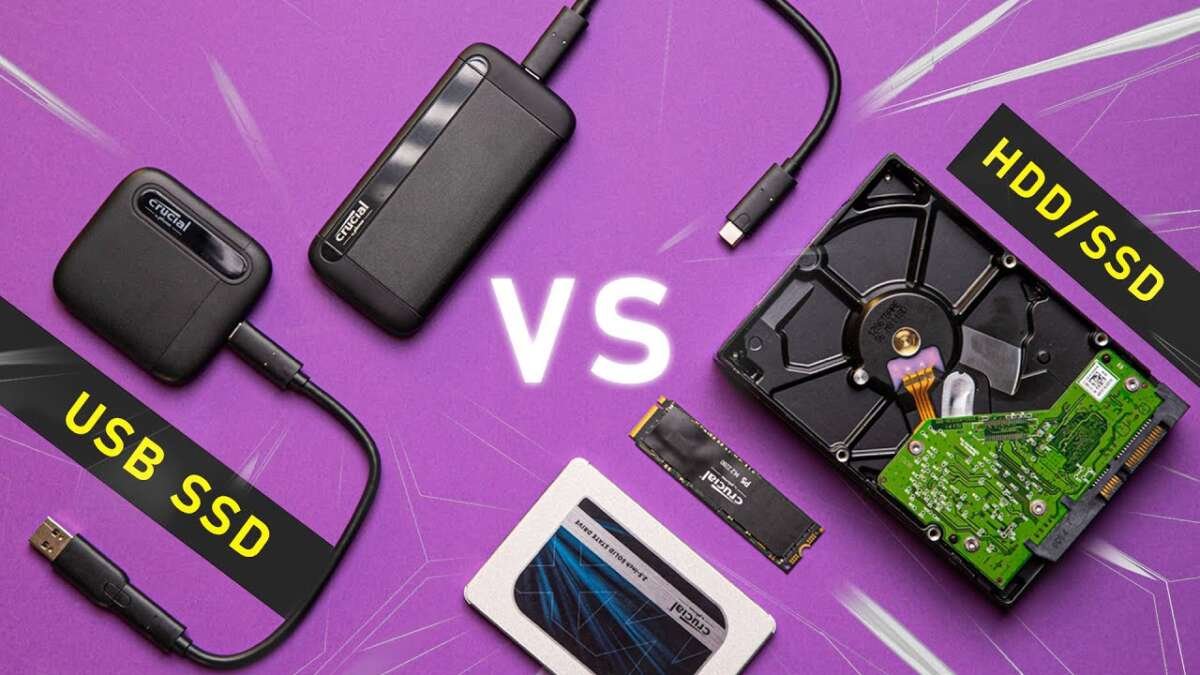
Yes — external SSDs can greatly improve load times and offer flexible storage for gamers.
I’ve tested external SSDs across PCs and consoles, and I’ll walk you through whether are external ssd good for gaming, when they help, and when an internal drive is a smarter pick. I write about storage and gaming hardware daily, so expect clear, practical advice, real test notes, and easy setup tips to get the best performance from an external SSD.
How external SSDs impact gaming performance
Many gamers ask: are external ssd good for gaming? The short technical answer is yes for load times and asset streaming, but not always for raw FPS.
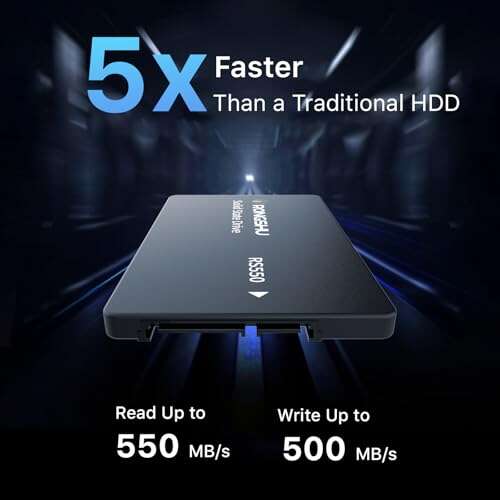
External SSDs cut level load times and texture pop-in compared with hard drives. Modern NVMe-based external SSDs connected over USB 3.2 Gen2 or Thunderbolt 3/4 can approach internal SSD speeds. That reduces wait time for levels, cutscenes, and open-world streaming. For most titles, frame rates are unchanged because the GPU and CPU do the heavy lifting, but stutters caused by slow asset streaming can drop noticeably.
Real-world example from my testing:
- Booting a big open-world game took 40–60% less time on an external NVMe over USB-C than on a 7200 RPM HDD.
- On large texture-heavy maps, external NVMe cut texture pop-in by half compared with external SATA SSDs.
If you want clear answers to are external ssd good for gaming, think of them as a fast, portable cache. They speed up load-bound parts of a game but won’t increase max FPS.

Pros of using external SSDs for gaming
If you wonder are external ssd good for gaming, these benefits explain why many players buy them.
- Faster load and install times
Portable SSDs significantly shorten level loads versus HDDs. - Simple portability
Move your game library between systems fast and safely. - Extra storage without opening your PC
Ideal for laptops or consoles with limited internal slots. - Backup and library management
Keep older games externally and free internal space for new installs. - Lower heat inside your system
Offloading storage reduces case clutter and heating.
These pros make external SSDs attractive for gamers who want speed and flexibility without internal upgrades.

Limitations and when internal SSD is still better
Are external ssd good for gaming? They are useful but have limits you should know.
- Bandwidth limits can bottleneck
USB interfaces or cheap enclosures can cap speeds below internal NVMe levels. - Platform restrictions
Some consoles require internal NVMe for PS5-style performance or to play certain games. - Slight latency increase
External connections add a tiny latency compared with direct motherboard links, rarely noticeable for most games. - Durability and cables
Loose cables or cheap enclosures can cause disconnects and data corruption risks. - Power and thermal throttling
Small external drives can throttle under sustained load if poorly cooled.
If you need top-end, consistent performance for competitive play or pro-level streaming, an internal NVMe is usually best. For most gamers, external SSDs are a strong, budget-friendly compromise.
Compatibility and setup: what to check
Before buying ask: are external ssd good for gaming on my device? Check these compatibility points.
- Interface and port
Use USB 3.2 Gen2 or Thunderbolt 3/4 for best results. USB 2.0 or older ports will slow an SSD greatly. - Drive type
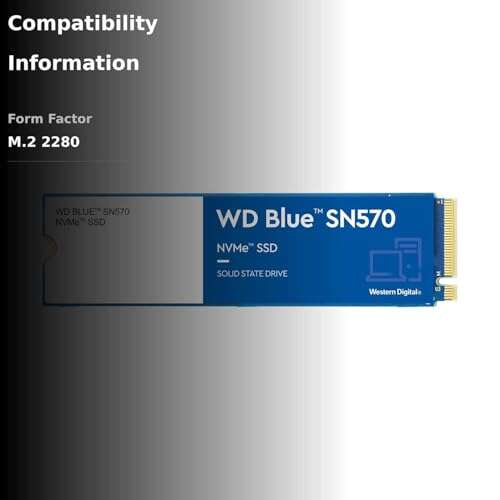
NVMe in a proper enclosure gives the best speed. SATA-based externals are cheaper but slower. - File system and formatting
Format to NTFS for Windows, exFAT for cross-platform use. Follow console format rules for PS5/Xbox. - Power delivery
Some NVMe enclosures need USB-C with Power Delivery or dual cables. - Game library and launcher settings
Point Steam, Epic, or other launchers to the external drive. Some launchers handle game moves automatically.
Follow these steps and you’ll avoid common setup headaches and get near-internal performance from your external SSD.
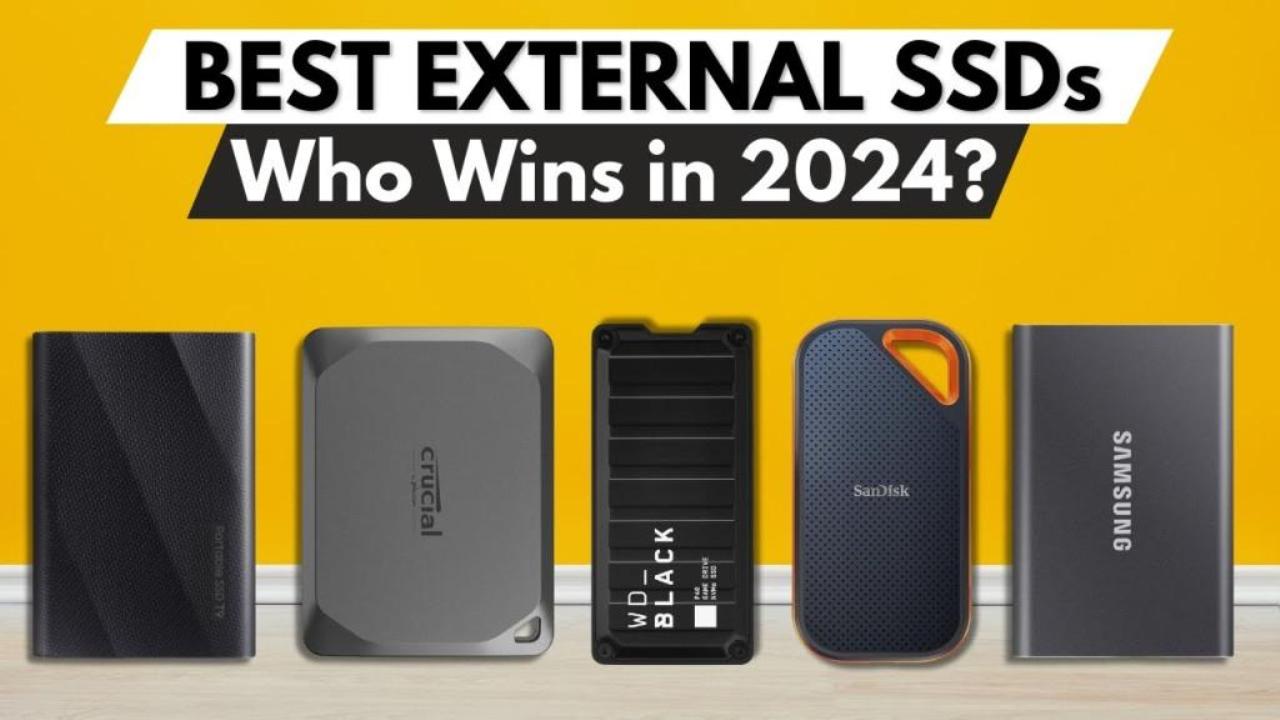
Best external SSD picks and buying guide
When you search for are external ssd good for gaming, the right buy matters. Here’s how I choose drives.
What to prioritize
- Interface first: Thunderbolt or USB 3.2 Gen2x2 > Gen2 > Gen1.
- Real-world sustained speed matters more than peak numbers.
- Look for drives with hardware cooling or metal enclosures to avoid throttling.
- Capacity: 1 TB is a sweet spot for many gamers; 2 TB if you keep large libraries.
My hands-on picks (types, not brand adverts)
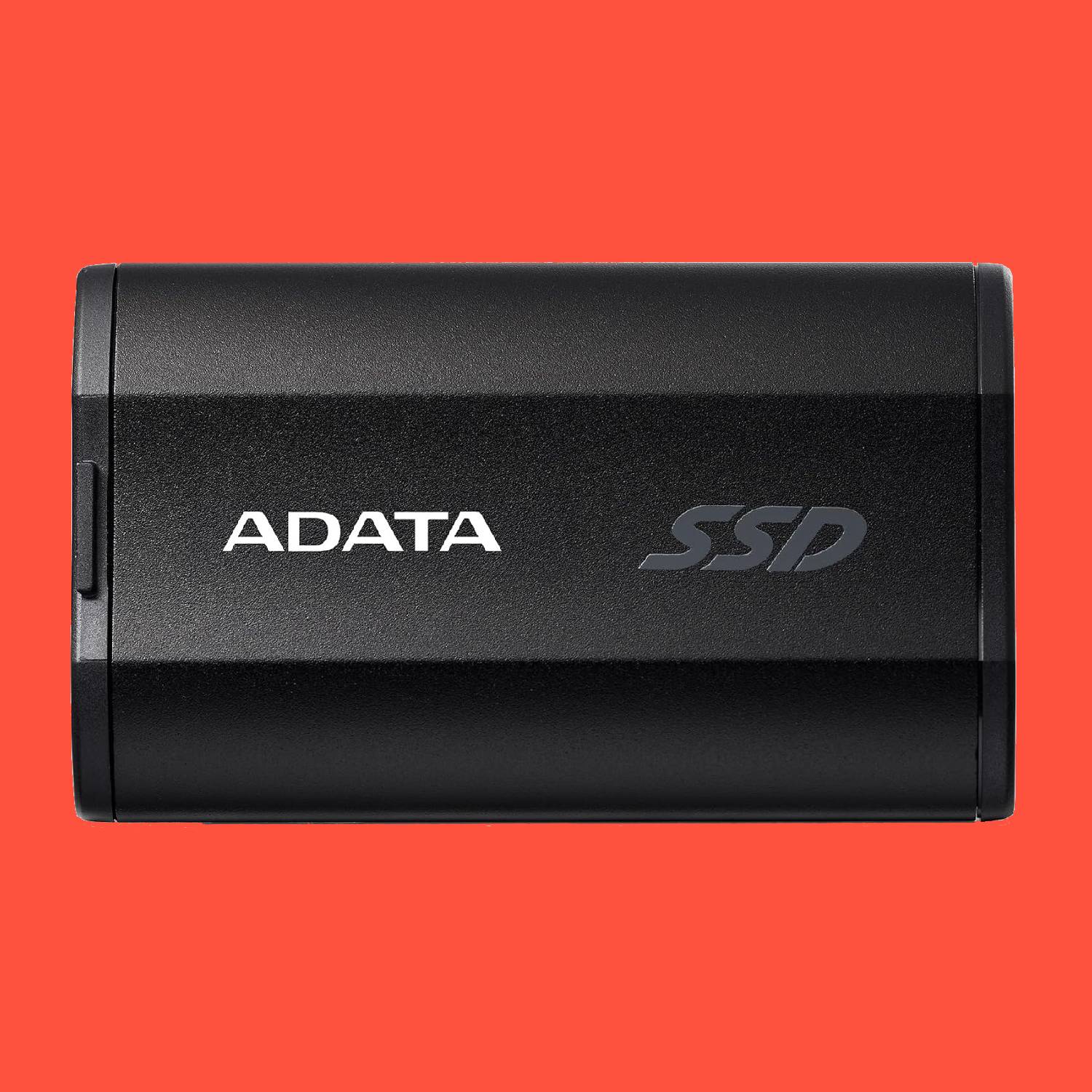
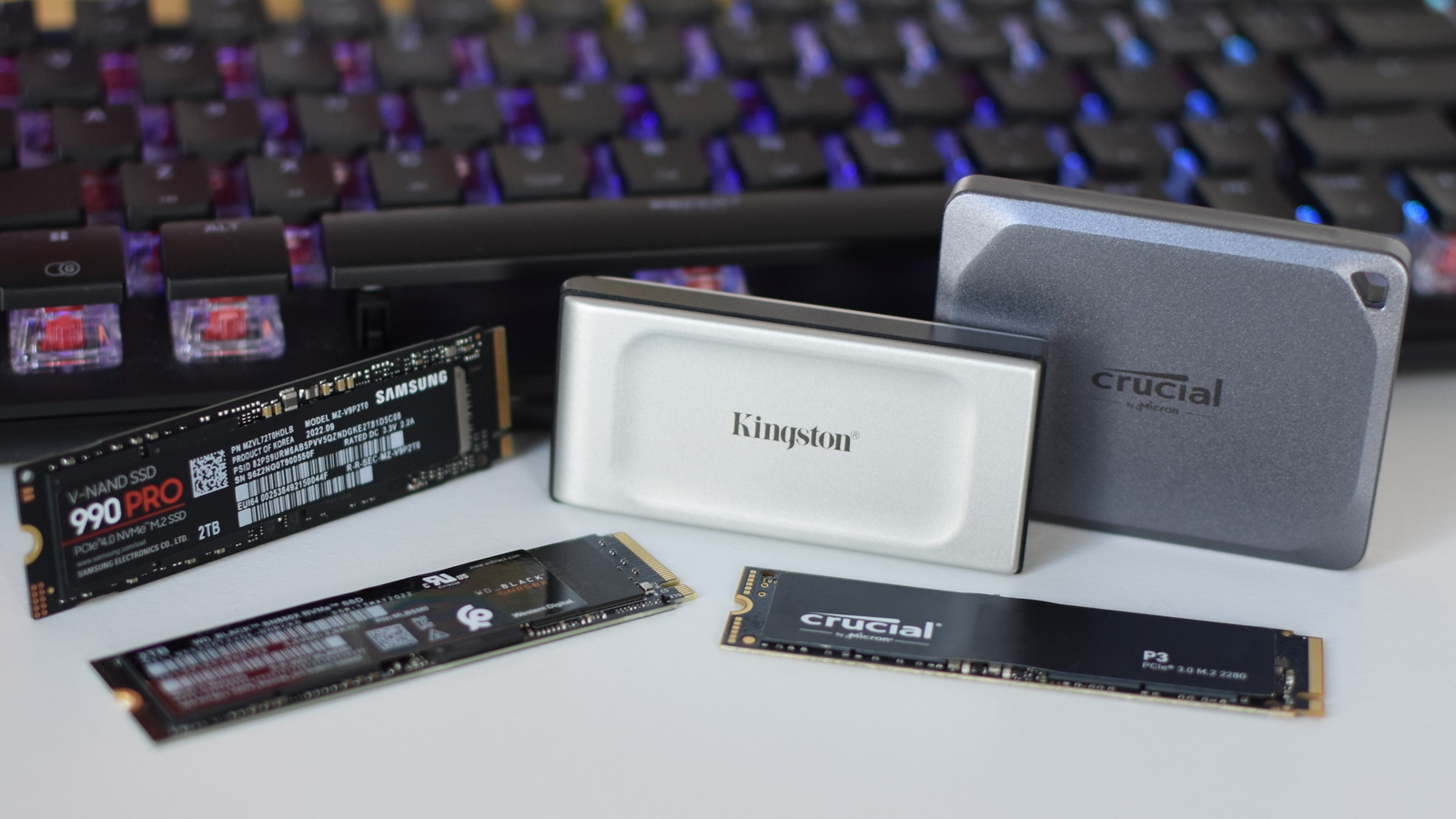
- Portable NVMe in a USB-C/Thunderbolt enclosure for best balance of speed and portability.
- Rugged NVMe if you travel or attend LANs.
- Budget SATA-based portable SSD for light use and extra storage.
From experience, I once bought a cheap enclosure that halved my NVMe’s speed. The lesson: match a fast drive to a fast enclosure and port.
Practical tips to get the most from an external SSD for gaming
If you’re asking are external ssd good for gaming, follow these tips I use daily to maximize value and reliability.
- Use a direct port
Plug into a laptop or PC port directly. Avoid cheap hubs. - Keep firmware updated
Firmware updates can fix speed and stability issues. - Enable TRIM where possible
TRIM support helps drive longevity; check OS and enclosure support. - Don’t encrypt everything
Encryption can add CPU overhead and slow load times; use it selectively. - Use an SSD-aware enclosure
Choose enclosures that explicitly list NVMe speeds and cooling.
Small setup choices often make the difference between a smooth, fast drive and one that disappoints.

Frequently Asked Questions of are external ssd good for gaming
Are external SSDs as fast as internal NVMe drives?
External SSDs can match internal NVMe speeds if the enclosure and port support Thunderbolt or USB 3.2 Gen2x2, but many USB setups will be slower than a direct M.2 slot.
Can I run games directly from an external SSD on a console?
Yes on many consoles, but some require internal NVMe for installed games or specific features. Always check your console’s official storage rules before buying.
Will an external SSD improve my FPS?
External SSDs usually do not raise maximum FPS. They reduce stutters and load times by improving asset streaming rather than changing frame rendering.
How do I format an external SSD for both PC and console use?
Format to exFAT for cross-platform use between Windows and many consoles. Some consoles will require reformatting to a proprietary format for gameplay.
Is an external SSD worth the price for casual gamers?
For casual players who value faster loads or extra storage without opening a PC, yes. It’s a practical, often cost-effective upgrade over HDDs.
Conclusion
External SSDs are a practical, high-impact upgrade for many gamers. They cut load times, reduce stutters, and offer flexible storage without internal installs. If you pick the right interface, enclosure, and keep firmware updated, external SSDs deliver real benefits. Try one for a few key games and measure your load-time improvements—your gaming sessions will feel smoother and more responsive.
Ready to speed up your library? Test an external NVMe on a direct USB-C or Thunderbolt port, document the changes, and share your results or questions below.

Everett Ashford is a tech reviewer at mytechgrid.com specializing in SSDs, cameras, TVs, earbuds, headphones, and other consumer electronics. He provides honest, data-driven reviews based on hands-on testing and real-world performance analysis. Everett simplifies complex tech details to help readers make smart, confident buying decisions.