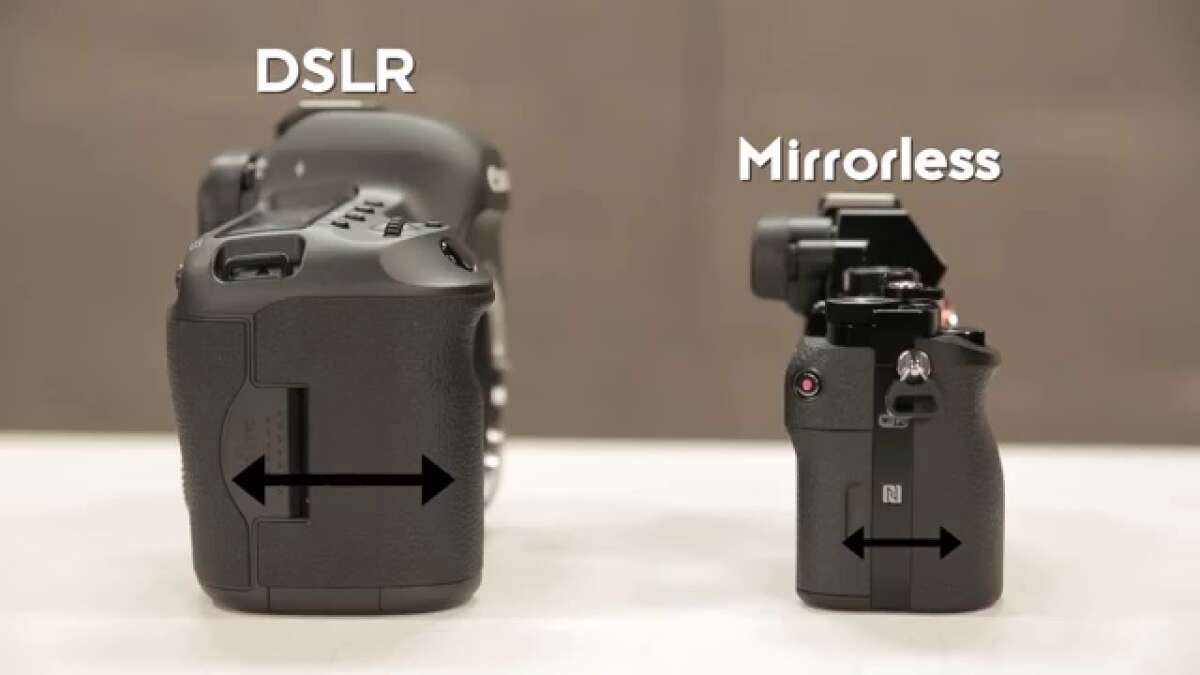
DSLR stands for Digital Single-Lens Reflex camera, a digital camera using a single lens and reflex mirror.
I’ve spent years shooting, testing, and teaching photography, so I know what does dslr camera stand for and why that phrase matters. In this article I’ll explain the meaning, how a DSLR works, its main benefits and limits, how it compares to mirrorless systems, and practical tips from hands-on experience. Expect clear, usable guidance you can apply whether you’re buying your first camera or upgrading gear.
What does DSLR camera stand for? Definition and meaning
The phrase what does dslr camera stand for breaks down to three core words: Digital, Single-Lens, Reflex. Digital tells you the camera records images electronically. Single-Lens means the same lens is used for viewing and taking the photo. Reflex refers to the mirror that reflects the scene up into an optical viewfinder.
When you ask what does dslr camera stand for, you’re also asking how that design shapes the shooting experience. The mirror-and-prism system gives a true optical view through the lens. That optical view is a major part of why many photographers still prefer DSLR handling and battery life.

How a DSLR works — simple steps
Explaining what does dslr camera stand for is easier when you see the parts in action.
- Light enters the lens and travels through glass. The lens focuses the light onto the sensor plane.
- A mirror sits behind the lens at a 45-degree angle. When you look through the viewfinder, the mirror reflects light up to a prism. You see a direct optical image.
- When you press the shutter, the mirror flips up. This lets light hit the digital sensor and record the photo.
- The mirror returns, and the image is saved to the memory card.
This mechanism explains the “reflex” part of what does dslr camera stand for. The flip action is fast, but it creates a brief blackout in the viewfinder when you fire the shutter. It also influences autofocus speed when using the optical viewfinder.

Key features and benefits of DSLR cameras
Knowing what does dslr camera stand for helps you understand why DSLR cameras offer these benefits.
- Optical viewfinder that shows a true, real-time view with zero electronic lag. This is useful in bright light and action shooting.
- Interchangeable lenses for flexible creative control. You can use wide, telephoto, macro, or prime lenses as needed.
- Strong battery life compared to mirrorless cameras, since the optical viewfinder uses no power.
- Robust autofocus systems, especially phase-detect AF that works through the optical path.
- Durable build and wide accessory ecosystems, like flashes and remote triggers.
I’ve used DSLRs on long photoshoots and appreciated how long they last on a single battery and how predictable the optical viewfinder feels. For many shooters, those strengths are decisive.

Limitations and trade-offs
Explaining what does dslr camera stand for isn’t complete without the downsides.
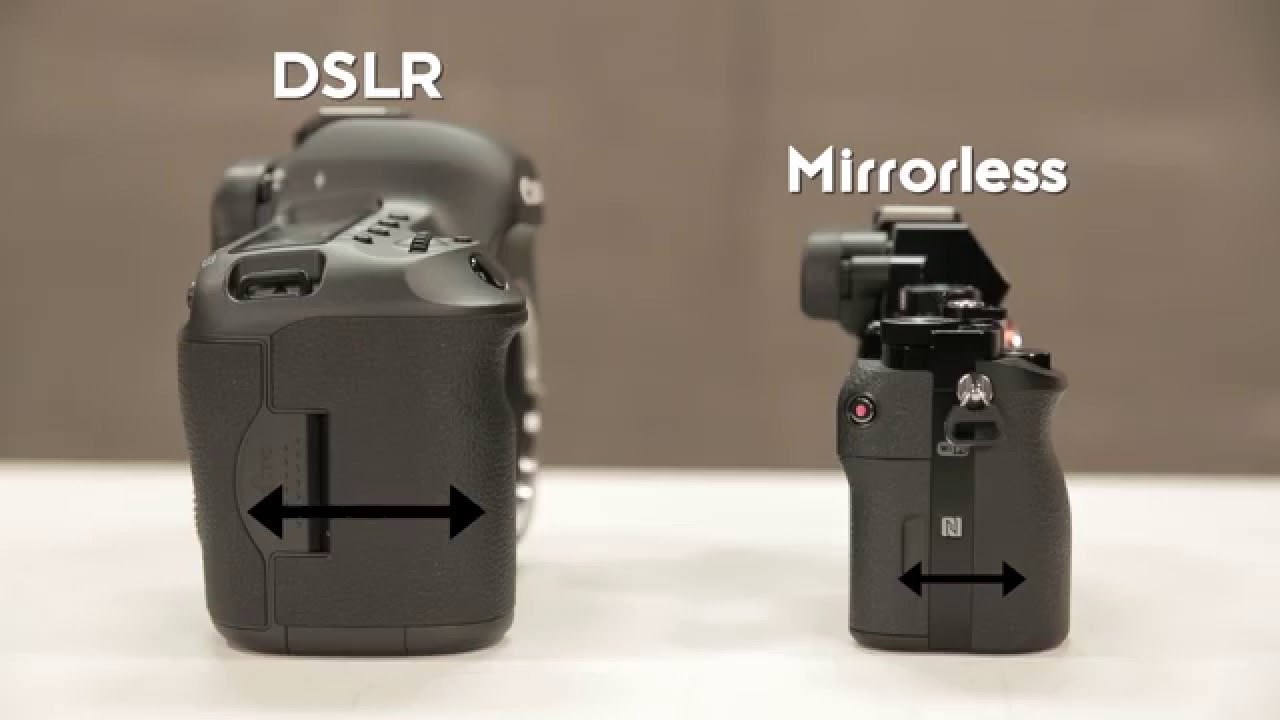
- Mirror mechanism adds size and weight compared to mirrorless options. DSLRs can be bulkier to carry all day.
- Viewfinder blackout during exposure. You lose the live view briefly when the mirror flips up.
- In live-view and video, DSLRs can be slower to focus than modern mirrorless cameras that use on-sensor AF.
- Fewer native innovations recently, since many manufacturers now prioritize mirrorless development.
I learned to accept the weight trade-off early on. The optical viewfinder comfort often outweighed the bulk, but if you value compactness, consider mirrorless alternatives.
DSLR vs mirrorless and related concepts
When readers ask what does dslr camera stand for, they often want to know how it compares to mirrorless systems and compact cameras.
- Mirrorless cameras lack a reflex mirror and prism. They use the sensor to show a live electronic viewfinder or the rear screen.
- DSLRs use phase-detect AF modules through the mirror for fast subject tracking in many cases.
- Mirrorless systems offer smaller bodies, real-time exposure preview, and fast on-sensor autofocus. DSLRs offer optical viewfinders, longer battery life, and mature accessory ecosystems.
If you’re wondering which to choose, assess priorities: size and cutting-edge AF favor mirrorless; viewfinder feel and battery life favor DSLR. I recommend testing both to judge handling, since what does dslr camera stand for tells only part of the story.

Practical tips, examples, and personal experience
I’ve carried DSLRs on travel shoots, weddings, and nature hikes. Here’s what I learned from hands-on use about what does dslr camera stand for in practice.
- Choose lenses first. The lens affects image quality more than the camera body. A good 50mm or 24-70mm will teach you more than changing bodies.
- Learn the optical viewfinder. It helps you anticipate action without electronic lag. Practice tracking moving subjects using the viewfinder to build skill.
- Use quiet mode when needed. Many DSLRs offer quieter shutter options to reduce sound from the reflex mirror.
- Keep spare batteries. DSLRs last long, but long shoots still need spares and extra cards.
- Buy used bodies to save money. DSLRs are durable and often available at a discount once newer models appear.
When I switched briefly to mirrorless, I missed the optical viewfinder. Later I used both systems together depending on the job. That balance is a practical way to leverage what does dslr camera stand for while embracing newer tech.
Common technical terms tied to the meaning
Understanding what does dslr camera stand for is easier when you know related terms.
- Sensor size: Full-frame, APS-C, Micro Four Thirds. Sensor size affects depth of field and low-light performance.
- Aperture: The lens opening that controls light and depth of field.
- Shutter speed: How long the sensor is exposed to light.
- ISO: Sensor sensitivity to light; higher ISO increases brightness but can add noise.
- Phase-detect AF: Autofocus system often used in DSLRs through the mirror for fast focus.
These basics help you make sense of camera specs when you compare models. Keep explanations short and test settings in the field to learn faster.

PAA-style quick questions
How fast can a DSLR shoot continuous frames?
- DSLR burst rates vary by model. Many midrange and pro DSLRs can shoot 5–12 frames per second in continuous mode.
Does a DSLR give better battery life than mirrorless?
- Generally yes. Optical viewfinders don’t use power, so DSLRs often last longer on a single battery.
Is a DSLR still good for video work?
- DSLRs can record high-quality video, but mirrorless cameras now offer faster autofocus in live view and more video-focused features.
Frequently Asked Questions of what does dslr camera stand for
What does DSLR camera stand for exactly?
DSLR stands for Digital Single-Lens Reflex. It describes a digital camera that uses one lens and a reflex mirror to show an optical viewfinder image.
How is a DSLR different from a mirrorless camera?
A DSLR uses a mirror and optical viewfinder; a mirrorless camera omits the mirror and uses an electronic viewfinder or screen.
Why do people still use DSLRs?
Many still use DSLRs for the optical viewfinder, reliable autofocus with the viewfinder, long battery life, and lens choices.
Can a DSLR take professional-quality photos?
Yes. DSLRs have been used for decades by pros. Image quality depends more on the sensor and lenses than on the DSLR label alone.
Are DSLRs good for beginners?
Yes. DSLRs offer manual controls, durable bodies, and a wide range of lenses, making them a solid choice for learning photography.
Will DSLRs become obsolete?
Not immediately. Mirrorless trends are strong, but many professionals and hobbyists still prefer DSLRs for specific strengths.
Conclusion
Knowing what does dslr camera stand for gives you a clear view of the camera’s design and why it behaves the way it does. DSLRs pack a proven mix of optical viewfinders, robust autofocus, long battery life, and a wide lens ecosystem. If you value handling, durability, and an optical shooting experience, a DSLR remains a strong option. Try cameras in hand, prioritize lenses, and pick the system that matches your shooting style. Share your experiences, ask questions below, or subscribe to keep learning about cameras and photography.

Everett Ashford is a tech reviewer at mytechgrid.com specializing in SSDs, cameras, TVs, earbuds, headphones, and other consumer electronics. He provides honest, data-driven reviews based on hands-on testing and real-world performance analysis. Everett simplifies complex tech details to help readers make smart, confident buying decisions.