Place the earcups fully over your ears, center the drivers, and adjust the headband for a snug seal.
I’ve spent years testing headphones and helping people get the best fit. This guide on how to wear over ear headphones walks you through fit, comfort, sound, and care. Read on for step-by-step advice, real-life tips, and simple fixes so your headphones sound better and feel great all day.

Why a proper fit matters for how to wear over ear headphones
A good fit changes what you hear and how you feel. If you wear over ear headphones wrong, bass can vanish and highs can sound harsh. Pressure spots can make you stop using them after a short time.
Proper fit gives a tight seal, better bass, and less sound leakage. It also reduces ear fatigue. Learning how to wear over ear headphones improves comfort and audio quality quickly.
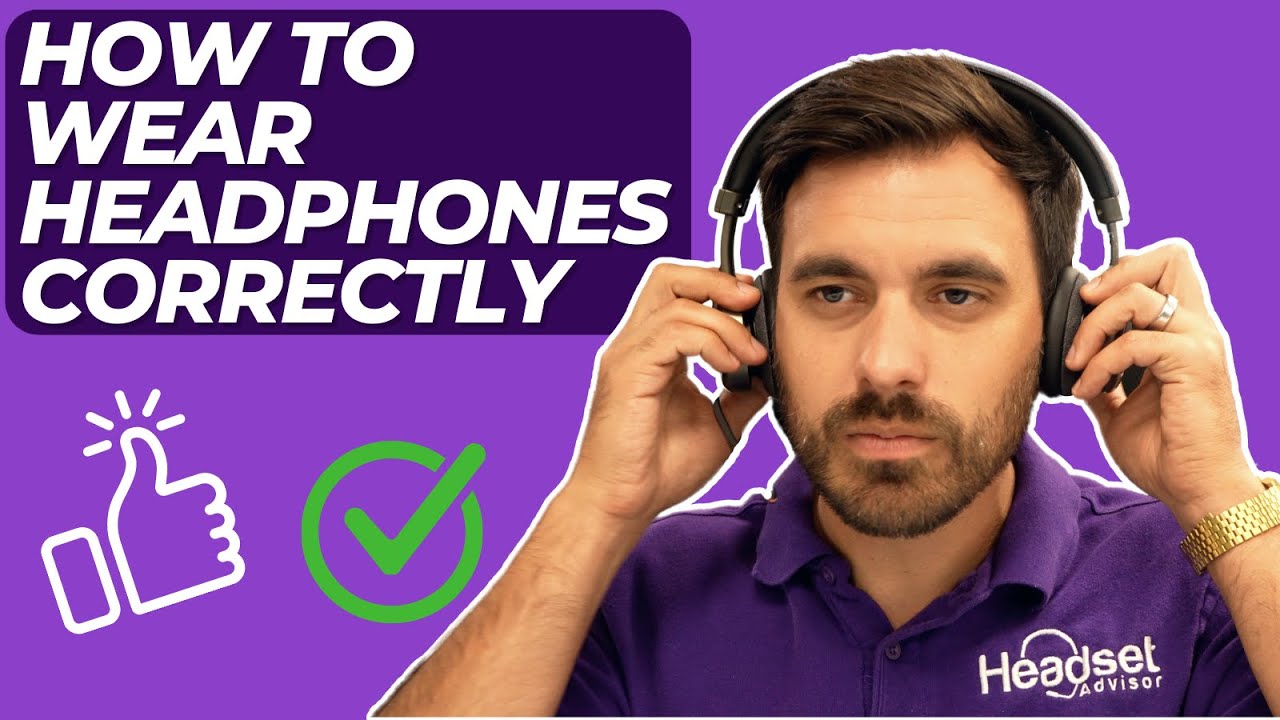
Step-by-step: How to wear over ear headphones
- Inspect the cups and padding.
- Check that padding is clean and not warped. Good pads sit flat against your head.
- Position the cups.
- Place earcups so they fully surround your ears. The driver should face the ear canal.
- Center the drivers.
- Slight moves left or right can change the soundstage. Center the drivers for balanced audio.
- Adjust the headband height.
- Slide the band until cups sit evenly. Both ears should feel the same pressure.
- Set clamping force.
- If they pinch, widen the band. If they fall, tighten slightly. Aim for firm but gentle pressure.
- Test with familiar music.
- Use a track you know. If bass feels weak, shift the cups slightly forward or back until it improves.
These steps show how to wear over ear headphones with simple checks. Follow them each time you put the headphones on for the best sound.

Adjusting for comfort and best sound when learning how to wear over ear headphones
Small tweaks make a big difference. Move the cups an inch up or down to match your ear center. Rotate the cups slightly to find the sweet spot for sound and comfort.
Manage clamping force with pad swaps or headband covers. Use memory foam pads if you have a high arch on the ear. If you wear glasses, lift the headband slightly to avoid pressure on the temples.
Try equalizer changes after fit tweaks. A better seal needs less bass boost. This keeps sound natural and reduces ear fatigue.

Common mistakes and fixes when practicing how to wear over ear headphones
- Wearing cups too high or too low: Slide them to fully cover the ear for correct driver alignment.
- Leaving gaps at the jawline: Tuck hair away or change pad angle to close gaps and improve bass.
- Over-tightening the band: Loosen a bit or buy a softer headband pad to stop pain.
- Ignoring left/right orientation: Some models swap channels with reversed placement. Check markings.
- Using wrong ear pads: Replace worn pads to restore seal and comfort.
Avoid these mistakes to master how to wear over ear headphones fast. Most fixes are simple and inexpensive.

Care, maintenance, and hygiene tips for how to wear over ear headphones
Clean pads weekly if you sweat. Use a damp cloth or a mild cleaner suitable for the material. For removable pads, wash or replace as recommended.
Store headphones in a case to keep shape. Heat and sun warp padding and headbands. Replace foam or pads every year if you use headphones daily.
Keep cables and connectors clean and dry. Poor contact can mimic fit issues. Regular care makes it easier to wear over ear headphones comfortably and keeps sound consistent.
Personal tips and real-life experiences about how to wear over ear headphones
I once used a pair with weak bass until I discovered the cups sat slightly forward. Moving them back a half inch changed everything. Lesson learned: small shifts matter.
When I tested long sessions, I swapped factory pads for thicker memory foam. That cut pressure on my temples and kept me focused. If you get headaches, try pad swaps or lighter models.
If you wear glasses, I recommend soft temple covers. They stop pressure and protect the frames. These practical fixes come from daily use and help you learn how to wear over ear headphones the right way.

Frequently Asked Questions of how to wear over ear headphones
How tight should over ear headphones fit?
They should be snug but not painful. Aim for a gentle seal that keeps cups in place without sore spots after an hour.
Can I wear headphones with glasses?
Yes. Lift the headband slightly and use softer pads to reduce pressure on the temples. Glasses-friendly pads help a lot.
Do over ear headphones need to cover the entire ear?
Yes. Over ear headphones should fully surround the ear to create a seal for better bass and isolation. Partial coverage reduces sound quality.
How often should I replace ear pads?
Replace pads every 6–18 months depending on use and sweat. Worn pads lower comfort and audio performance.
Will adjusting fit change sound quality?
Yes. Small shifts in cup position change bass and soundstage. Always test with a familiar track after adjustments.
Can poor fit cause ear pain?
Yes. Too much clamping force or hard edges can cause pain. Loosen the band, change pads, or try a lighter model to reduce pain.
Conclusion
Wearing your headphones the right way improves sound, comfort, and longevity. Follow the steps above to center drivers, seal earcups, and set the headband. Small tweaks and regular care make a big difference.
Try one change at a time, test with a favorite track, and note the difference. Share your wins or questions below, and consider subscribing for more practical audio tips.

Everett Ashford is a tech reviewer at mytechgrid.com specializing in SSDs, cameras, TVs, earbuds, headphones, and other consumer electronics. He provides honest, data-driven reviews based on hands-on testing and real-world performance analysis. Everett simplifies complex tech details to help readers make smart, confident buying decisions.