
You can find digital cameras at camera stores, major retailers, online marketplaces, used-gear shops, and local sellers.
Knowing where to find digital cameras is only the first step. The best place depends on your budget, camera type, warranty needs, and how much hands-on help you want. This guide explains the safest buying options, how to compare sellers, and how to avoid costly mistakes.
Where to Find Digital Cameras Online
Online stores offer the widest range of digital cameras. You can compare prices, read user reviews, check technical details, and find older models that may not be available locally.
Reliable online options include:
• Manufacturer websites, such as Canon, Nikon, Sony, Fujifilm, Panasonic, and OM System
• Large retailers, including Best Buy, Walmart, Target, and Amazon
• Specialty camera stores, such as B&H Photo, Adorama, and KEH
• Used-camera platforms, including MPB and other established resale dealers
• Local marketplaces, such as Facebook Marketplace, Craigslist, and eBay
When searching where to find digital cameras online, check the seller’s return policy before you pay. A low price means little if the camera arrives damaged or the seller refuses returns.
Look for clear product photos, a detailed condition report, verified ratings, and a warranty. On marketplaces, confirm that the seller—not just the platform—offers buyer protection.
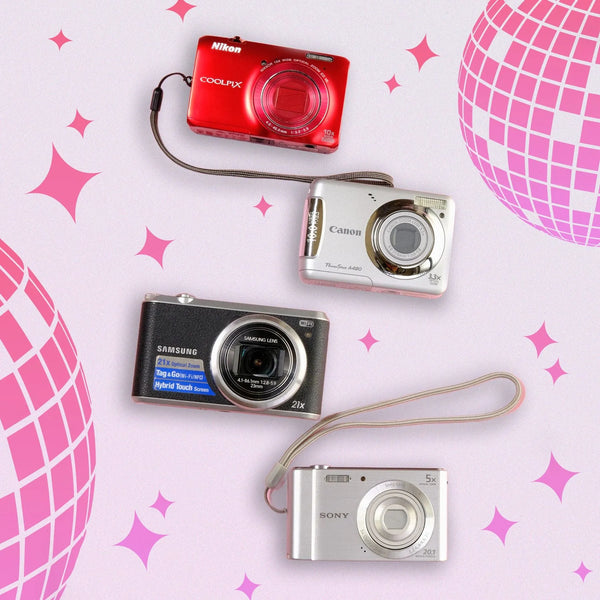
Camera Manufacturer Websites
Manufacturer websites are among the safest places to find new digital cameras. They usually sell current models, official accessories, replacement batteries, and compatible lenses.
Buying direct can also help when you need:
• A full manufacturer warranty
• Product registration
• Firmware updates
• Customer support
• Special bundles
The main drawback is price. Manufacturer websites may not always offer the lowest deal. However, they often run seasonal sales around holidays, product launches, and major shopping events.
Before buying, confirm that the camera is intended for the United States. A gray-market camera may look identical to a US model but lack valid US warranty support.
Local Camera Stores
A local camera store is one of the best answers to where to find digital cameras if you want expert help. You can hold the camera, test the controls, compare viewfinders, and ask questions from staff who use photography equipment every day.
A store visit helps you judge details that online photos cannot show. For example, a camera may feel too small for large hands, while another may have buttons that are hard to reach.
Local stores may also offer:
• Used cameras and lenses
• Trade-in programs
• Rental services
• Sensor cleaning
• Repair advice
• Photography classes
In my experience, testing a camera in person can prevent a poor purchase. A model may receive excellent reviews yet feel uncomfortable after ten minutes in your hands. Comfort matters because a camera that feels good is more likely to leave your camera bag.
The limitation is selection. Small shops may carry fewer brands and models than large online retailers. Their prices may also be slightly higher because they provide personal service and local support.
Big-Box Retailers
Major retailers are convenient places to find digital cameras, especially for beginners. Stores such as Best Buy and Walmart may carry point-and-shoot cameras, instant cameras, entry-level mirrorless models, action cameras, and accessories.
Their benefits include:
• Easy returns
• Local pickup
• Store financing
• Extended warranty plans
• Simple access for first-time buyers
However, product knowledge can vary from one store to another. Ask whether the camera is sold and shipped by the retailer or by a third-party seller. Third-party listings may have different return rules, warranties, and shipping standards.
Read the complete listing. Make sure the box includes the battery, charger, strap, and other items you expect. Some listings show a camera kit but sell the camera body alone.
Used Camera Dealers
Used camera dealers are excellent places to find digital cameras at lower prices. A good used camera can offer strong image quality without the cost of a new model.
Established dealers inspect equipment and grade its condition. Common grades include:
• Like new, with very few signs of use
• Excellent, with light wear and full function
• Good, with visible wear but normal operation
• Fair, with heavier wear or missing accessories
A trustworthy dealer should explain the camera’s condition and list any defects. Many also provide a short warranty or return period.
When buying used, check the shutter count for interchangeable-lens cameras. The shutter count is the number of photos taken with the camera’s mechanical shutter. It does not tell the entire story, but it can help you estimate use.
Also inspect:
• The image sensor for scratches or dust
• The lens mount
• The battery compartment
• The memory card slot
• The LCD screen and electronic viewfinder
• Buttons, dials, ports, and flash operation
Do not assume that a high shutter count means the camera is ready to fail. Shutter ratings are estimates, not guarantees. A well-kept camera with a higher count may be a better choice than a poorly stored camera with little use.

Online Marketplaces and Local Sellers
Online marketplaces can be good places to find digital cameras, but they require more care. Private sellers may offer excellent prices, especially when they are upgrading their gear.
Ask the seller for:
• The exact model number
• A recent photo of the camera powered on
• Sample photos taken with the camera
• The shutter count, if available
• Details about damage or repairs
• A list of included accessories
• The reason for selling
Avoid sellers who pressure you to pay outside the platform. Do not use wire transfers, gift cards, or cryptocurrency for a purchase with no protection.
For local sales, meet in a safe public place. If possible, bring a memory card and test the camera before paying. Take a photo of a plain wall or bright sky and inspect it for unusual marks. Some dust may be easy to clean, while deep sensor damage can be expensive.
One common mistake is focusing only on the camera body. A cheap camera may need a costly battery, charger, lens, or proprietary cable. Add the cost of these items before deciding whether the deal is truly good.
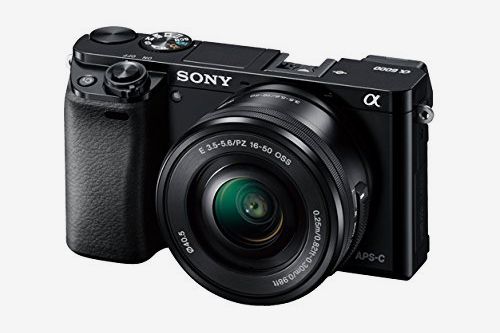
Where to Find Digital Cameras for Different Needs
The best place to shop depends on the type of photographer you are.
Beginners
Beginners can start with major retailers, local camera stores, or reputable used dealers. These sellers make it easier to compare simple models and ask basic questions.
A beginner-friendly camera should have:
• Automatic shooting modes
• A clear menu system
• Reliable autofocus
• Built-in wireless transfer
• Good battery availability
Do not buy the most advanced camera simply because it has more features. A simpler camera can help you learn faster.
Travel Photographers
Travel photographers may prefer compact cameras, lightweight mirrorless models, or rugged action cameras. Manufacturer websites and specialty retailers often provide the best technical details for comparing size, weight, weather sealing, and battery life.
Check the total travel kit, not just the camera. A larger lens can make a small camera difficult to carry. Extra batteries, memory cards, and a protective case also add weight.
Families and Casual Users
Families often need a camera that starts quickly, focuses well, and transfers photos easily. Big-box stores and online retailers are convenient choices.
A modern smartphone may meet casual needs, so compare the camera’s value with what you already own. A dedicated camera makes more sense when you want a real zoom lens, better low-light control, a larger sensor, or a more comfortable shooting experience.
Enthusiasts and Professionals
Enthusiasts and professionals should consider specialty retailers and used dealers. These sellers often provide a broader selection of lenses, flashes, grips, and professional accessories.
For serious work, also check repair access and backup options. A camera is not just a creative tool; it is part of a working system. Reliable support can matter more than saving a small amount upfront.

How to Choose a Safe Camera Seller
Finding a camera is easy. Finding a trustworthy seller takes more thought. Use this checklist before placing an order:
-
Confirm the exact model and regional version.
-
Check the seller’s return period.
-
Read the warranty terms.
-
Review shipping and insurance details.
-
Look for recent, verified reviews.
-
Confirm what accessories are included.
-
Compare the final price after tax and shipping.
-
Use a payment method with buyer protection.
-
Save the receipt and product listing.
-
Inspect the camera as soon as it arrives.
Test the camera during the return window. Check autofocus, image recording, flash, screen, viewfinder, battery charging, and memory card performance.
The Federal Trade Commission advises consumers to review seller information and payment protections when shopping online. The Consumer Product Safety Commission is also a useful reference for checking safety notices and recalls, particularly for batteries and chargers.
New Versus Used Digital Cameras
New cameras provide the most predictable buying experience. You receive current packaging, a full warranty, and fewer questions about previous use.
Used cameras can provide better value. Many photographers sell equipment that has seen light use, especially after upgrading to a newer model. Camera technology also changes slowly in some areas, so a model from a few years ago may still produce excellent photos.
Choose new equipment when:
• You need a full warranty
• You depend on the camera for paid work
• You want the latest autofocus or video features
• You prefer the lowest risk
Choose used equipment when:
• Your budget is limited
• You want a higher-level model
• You need extra money for lenses
• You are comfortable checking condition
A practical lesson is to protect your budget for the entire kit. A camera body with no useful lens is like buying a car without tires. The body matters, but the lens, battery, memory card, and support gear complete the system.
What to Check Before Buying a Digital Camera
Camera specifications can feel confusing, but a few features deserve close attention.
Sensor Size
Sensor size affects image quality, low-light performance, and camera size. Full-frame sensors are larger than APS-C and Micro Four Thirds sensors, while compact cameras often use smaller sensors.
A larger sensor can help create background blur and cleaner images in dim light. It may also increase the size and price of the camera and lenses.
Lens Options
A camera with interchangeable lenses gives you more creative control. Check the cost and availability of lenses before buying into a system.
A low-cost camera body can become expensive if every useful lens costs more than expected.
Autofocus
Modern autofocus systems can track faces, eyes, animals, and moving subjects. If you photograph children, sports, pets, or wildlife, autofocus performance deserves serious attention.
Video Features
If you plan to record video, check resolution, frame rates, microphone support, overheating limits, and stabilization. A camera that takes excellent photos may not be ideal for long video sessions.
Battery and Storage
Confirm the battery type, charging method, and memory card format. Some cameras charge through USB-C, while others require a separate charger.
Memory cards are not universal. Check the manufacturer’s recommended card speed and capacity before buying.
Common Mistakes to Avoid
Many buyers make the same errors when searching where to find digital cameras. Avoiding them can save money and frustration.
• Buying based only on megapixels: More megapixels do not automatically mean better photos.
• Ignoring lens cost: The lens often affects image quality more than small differences between camera bodies.
• Skipping the return policy: Even a new camera may not feel right in daily use.
• Trusting stock photos: Ask for real photos when buying used equipment.
• Buying an imported model without checking support: Warranty coverage may be limited.
• Forgetting accessories: Include batteries, cards, chargers, cases, and lenses in your budget.
• Choosing a camera that is too complex: Features help only when you understand and use them.
The safest choice is not always the cheapest listing. Think of your purchase as a long-term tool. A seller with clear terms and strong support may offer more value than a seller with the lowest headline price.
Frequently Asked Questions About Where to Find Digital Cameras
Where is the best place to find digital cameras?
The best place depends on your needs. Manufacturer websites and reputable camera stores are best for new gear, while established used dealers can offer strong value at lower prices.
Can I find good digital cameras at Walmart or Best Buy?
Yes, major retailers sell many reliable digital cameras and often provide easy returns or local pickup. Check whether the product is sold directly by the retailer or by a third-party marketplace seller.
Is it safe to buy a digital camera on eBay?
It can be safe when you choose a highly rated seller, review the listing carefully, and use protected payment. Ask questions about condition, shutter count, accessories, and returns before buying.
Should I buy a new or used digital camera?
Buy new if you want the latest features, full warranty, and the lowest risk. Buy used if you want more camera for your budget and can verify the seller, condition, and return policy.
How can I tell if a used digital camera is in good condition?
Test the camera’s sensor, screen, viewfinder, buttons, ports, autofocus, flash, battery, and memory card slot. Check for water damage, corrosion, deep scratches, and unclear repair history.
Are local camera stores more expensive?
Local stores may have slightly higher prices than some online sellers, but they often provide hands-on testing, expert advice, rentals, cleaning, and repair support. That service can be valuable, especially for beginners.
Where can I find older digital camera models?
Used camera dealers, eBay, local camera shops, and photography forums often carry older models. Confirm battery availability, software support, physical condition, and return rights before buying.
Conclusion
Knowing where to find digital cameras helps you shop with confidence, but the seller is only part of the decision. Compare new and used options, inspect condition, review warranty terms, and budget for lenses and accessories.
Start with a camera that matches your real needs, not just a long list of specifications. Visit a local store if you can, compare trusted online sellers, and test used equipment before the return period ends. Explore reputable camera retailers today, and share your own buying experience in the comments.

Everett Ashford is a tech reviewer at mytechgrid.com specializing in SSDs, cameras, TVs, earbuds, headphones, and other consumer electronics. He provides honest, data-driven reviews based on hands-on testing and real-world performance analysis. Everett simplifies complex tech details to help readers make smart, confident buying decisions.