Yes, compact cameras are worth it when you want better zoom, control, and image quality than a phone can provide.
The answer to “are compact cameras worth it” depends on how you shoot, what you carry, and what you expect from the camera. Modern smartphones are excellent for casual photos, but a good compact camera can still offer a larger sensor, real optical zoom, fast controls, and a more enjoyable way to create images.
This guide explains where compact cameras shine, where they fall short, and how to choose one without wasting money.

What is a compact camera?
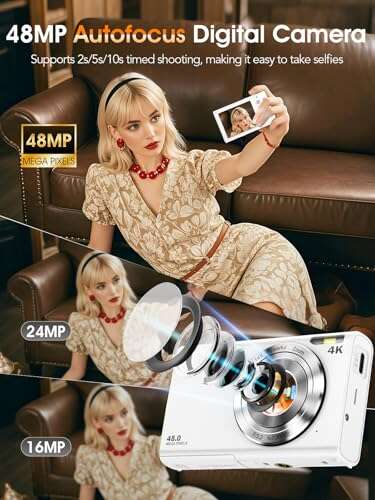
A compact camera is a small digital camera with a built-in lens. It is also called a point-and-shoot camera because it is designed to be simple to carry and quick to use.
Compact cameras come in several forms:
• Basic point-and-shoot cameras are small, simple, and often inexpensive.
• Travel zoom cameras offer a wide zoom range in a pocket-friendly body.
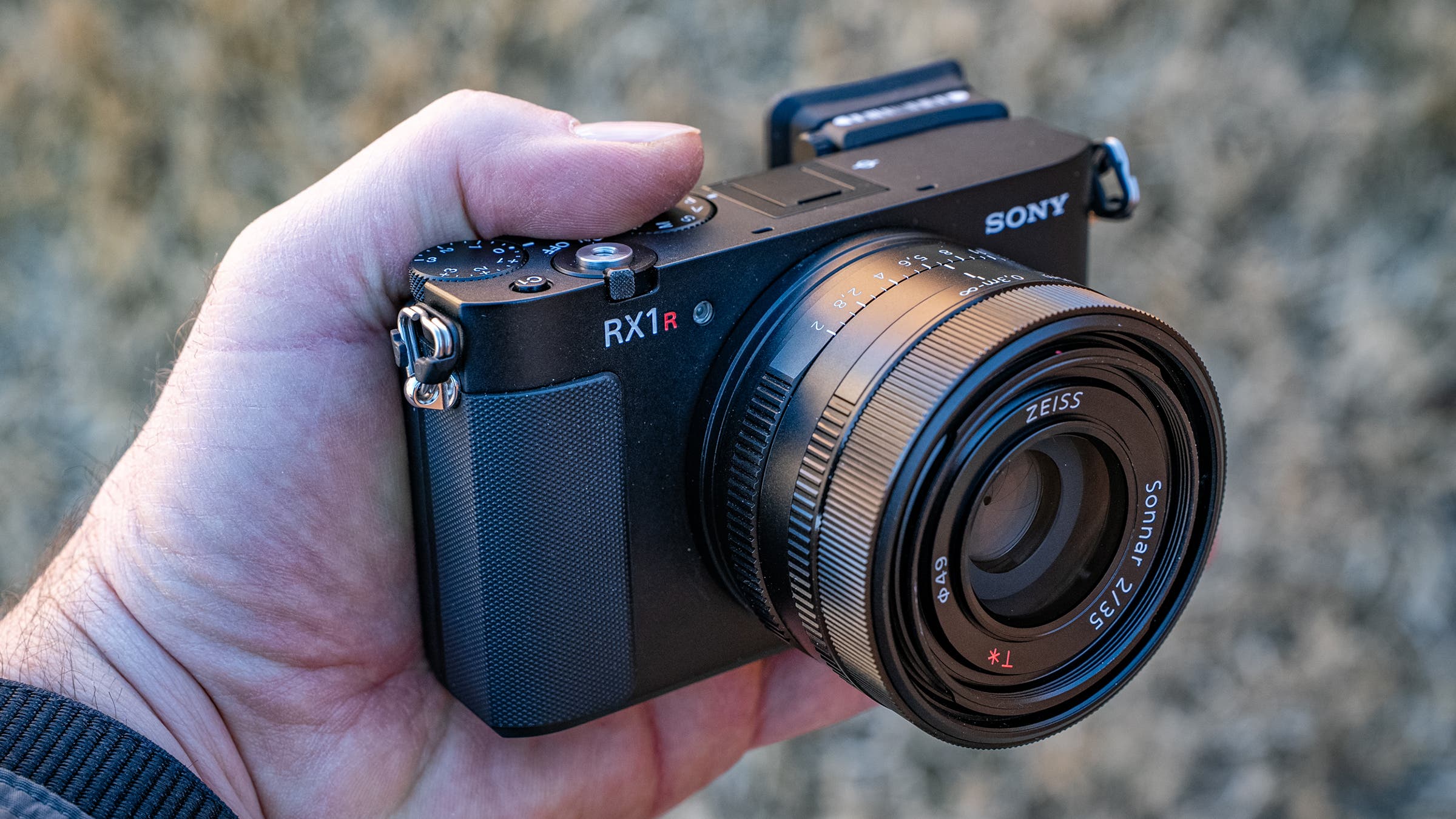
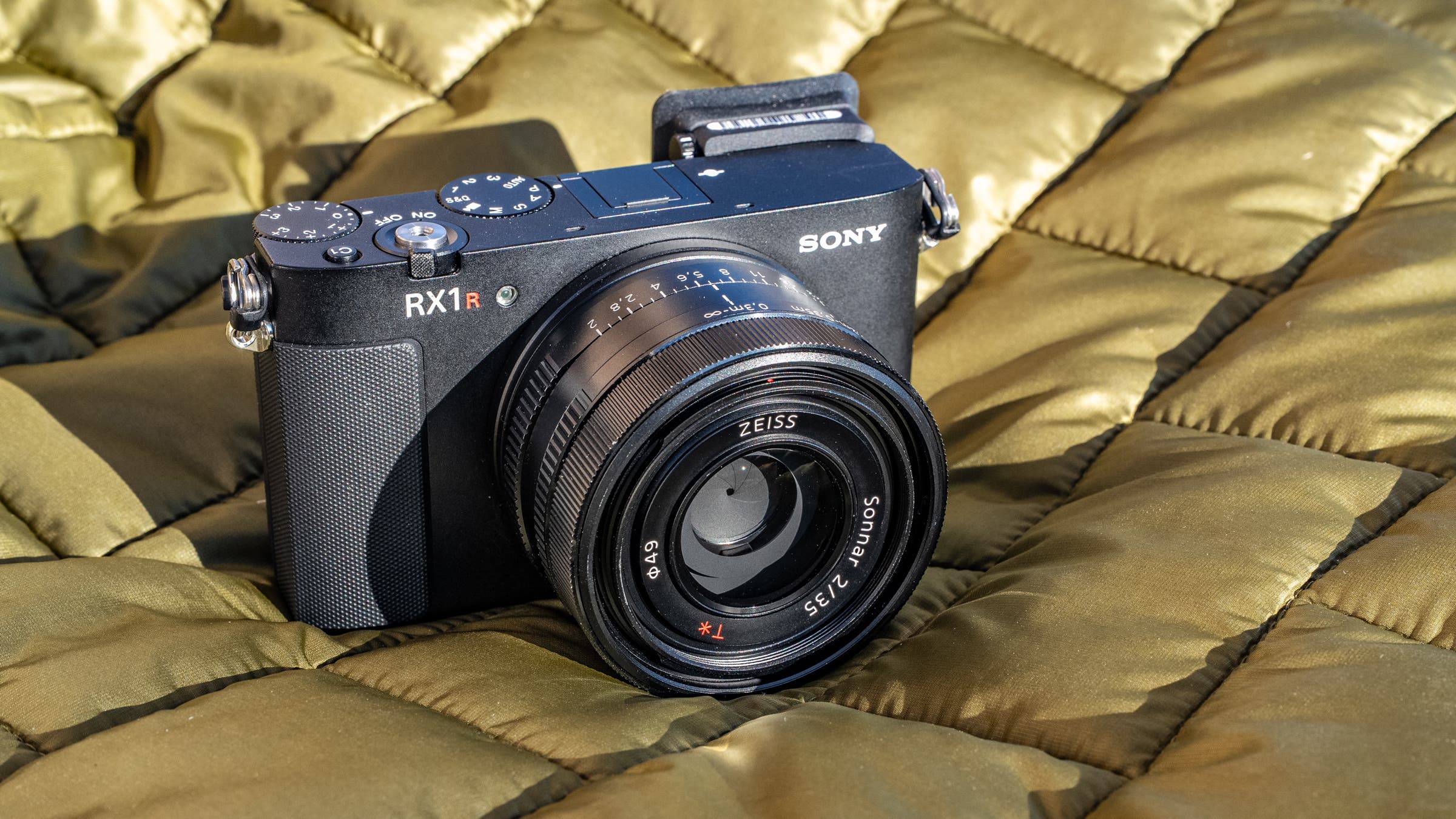
• Premium compact cameras use larger sensors, brighter lenses, and better controls.
• Rugged compact cameras are made for hiking, swimming, snow, and rough use.
• Bridge cameras look like small DSLRs but have a fixed lens and a long zoom range.
The key difference is that a compact camera does not let you change lenses. That limits flexibility, but it also keeps the camera light, simple, and ready to shoot.
When asking “are compact cameras worth it,” it helps to separate cheap basic models from premium models. A low-cost compact camera may not beat a modern phone. A premium compact camera with a one-inch sensor or larger can still produce a clear advantage in the right conditions.
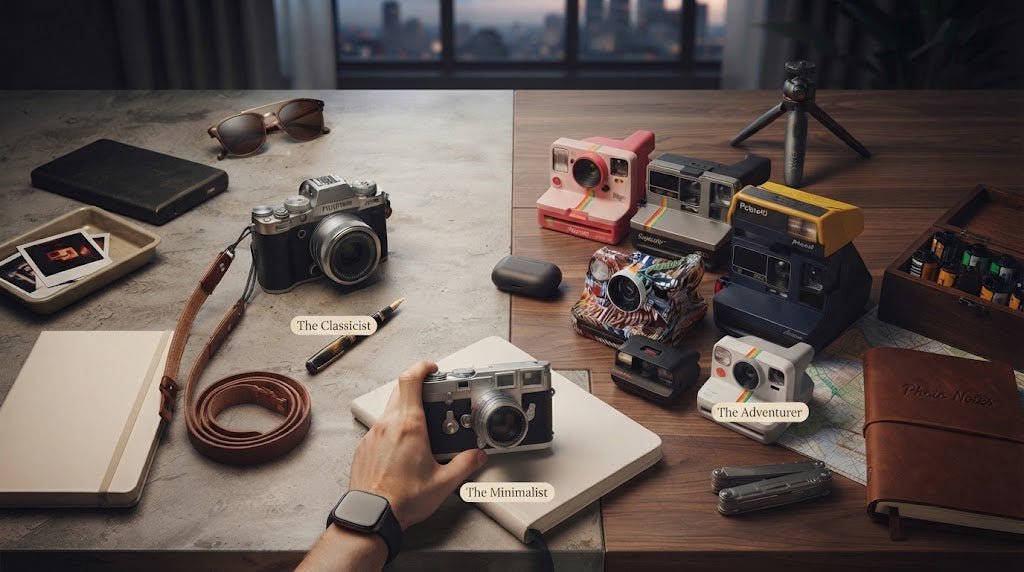
Are compact cameras worth it today?
Compact cameras are worth it for certain users, but they are not the best choice for everyone. Your phone may be enough if you mostly take photos in daylight, share images online, and prefer automatic editing.
A compact camera becomes more useful when you need:
• Optical zoom for travel, sports, wildlife, or concerts
• Better control over shutter speed, aperture, and ISO
• A larger grip and physical buttons
• RAW files for serious editing
• Longer battery life during photo-heavy trips
• Less dependence on touch controls
• A separate device that helps you focus on photography
Many compact cameras also create a different shooting experience. Taking out a dedicated camera can feel more intentional than quickly raising a phone. That small change can help you notice light, timing, and composition.
Still, the market has changed. Smartphone cameras now use computational photography, multiple lenses, and advanced image processing. As a result, cheap compact cameras often struggle to justify their price. The best value usually comes from a premium compact, a rugged camera, or a used model with a strong optical zoom.

Why compact cameras can be better than smartphones
Optical zoom
Zoom is one of the strongest reasons to buy a compact camera. Optical zoom uses the lens to bring a subject closer. Digital zoom enlarges pixels and often reduces detail.
For example, a 10x optical zoom camera can frame a distant building, performer, or animal far better than a phone that relies on digital cropping. Some phones have optical telephoto lenses, but a compact camera may offer a longer and more flexible range.
This matters during travel. You may want a wide view of a city street in one moment and a tight view of a statue or mountain in the next.
Larger sensors
Sensor size affects image quality, especially in low light. Many premium compact cameras use a one-inch sensor, while some high-end models use Micro Four Thirds or APS-C sensors.
A larger sensor can provide:
• Cleaner images at higher ISO settings
• Better detail in shadows
• More natural background blur
• Greater flexibility when editing RAW files
Sensor size is not the only factor. Lens quality, image processing, focus performance, and shooting technique also matter. However, a larger sensor gives the camera more room to work when light is poor.
Physical controls
A compact camera may have a mode dial, exposure compensation wheel, shutter button, and manual focus controls. These buttons make changes fast and precise.
I have found that physical controls reduce missed moments. With a phone, you may need to tap through menus. With a camera, your fingers can often adjust exposure without taking your eye away from the subject.
That makes a difference when photographing a child running, a street scene, or a changing sunset.
More natural photography
A phone is built to do many things. A camera is built mainly to take pictures. That focus can make the process calmer and more enjoyable.
Many people also prefer the look of photos from a real camera. The image may have softer highlights, more natural depth, or less aggressive sharpening. The result is not always technically better, but it can feel more personal.

The main disadvantages of compact cameras
Compact cameras are not a magic upgrade. They have clear limits, and these limits explain why many people stop using them.
Your smartphone may already be good enough
Modern phones often produce excellent daylight photos. They also combine multiple lenses, HDR processing, portrait effects, night modes, and instant sharing.
A basic compact camera may produce images that look flatter or less sharp than a phone straight out of the camera. Phones can also correct exposure and color automatically in ways that inexpensive cameras cannot.
If your main goal is to post quick photos to social media, a compact camera may add extra work without adding much value.
Fixed lenses limit flexibility
A compact camera has a built-in lens. You cannot replace it with a wide-angle, macro, or telephoto lens.
This is convenient for travel, but it can become restrictive. An interchangeable-lens camera is a better fit if you want to explore many types of photography.
Small cameras can have small controls
Compact bodies are easy to carry, but their buttons may feel cramped. Some models also have small screens, basic viewfinders, or menus that take time to learn.
This is especially important for people with larger hands or limited vision. Try holding a camera before buying it if possible.
Battery life may be limited
Small cameras often use small batteries. Heavy zoom use, flash, image stabilization, and video can drain power quickly.
Carry at least one spare battery on trips. A compact USB charger or power bank can also help, but check whether the camera supports charging through its USB port.
Prices can be surprisingly high
Premium compact cameras are often expensive because they combine a quality lens, a larger sensor, fast autofocus, and a small body.
At the same price, you may find an entry-level mirrorless camera with more flexibility. The compact model may still be smaller, but value depends on what you will actually carry and use.
Compact camera versus smartphone
The best choice depends on the type of image you want and how much control you need.
| Feature | Compact camera | Smartphone |
|---|---|---|
| Optical zoom | Often stronger and more flexible | Good on some premium phones |
| Low-light quality | Better with a larger sensor | Strong computational processing |
| Manual controls | Usually more complete | Available, but often through apps |
| Sharing | Requires transfer | Nearly instant |
| Battery use | Separate battery | Uses your main phone battery |
| Portability | Small, but still another device | Already in your pocket |
| File options | Often supports RAW and JPEG | RAW support varies |
| Handling | Dedicated buttons and grip | Touchscreen controls |
A phone usually wins for speed and convenience. A compact camera often wins for reach, handling, control, and a more focused shooting process.
In my experience, the biggest mistake is buying a compact camera to replace a phone for ordinary snapshots. Buy one because it solves a specific problem, such as poor zoom, weak low-light performance, or the need for manual control.

Compact camera versus mirrorless camera
A mirrorless camera usually offers better image quality and more flexibility than a compact camera. You can change lenses, use larger sensors, attach flashes, and build a system over time.
However, mirrorless cameras are often larger and more expensive once you add lenses. A compact camera may be the better travel tool because it gives you a useful zoom range in one small package.
Choose a compact camera when:
• You want a small all-in-one setup
• You dislike changing lenses
• You want to travel light
• You value quick access and simple handling
Choose a mirrorless camera when:
• You want to improve as a photographer
• You need specialized lenses
• You shoot portraits, wildlife, weddings, or commercial work
• You want the highest level of control
The question “are compact cameras worth it” has a different answer for a traveler than for a professional photographer. The right camera is the one you will carry and use.
Who should buy a compact camera?
A compact camera can be a smart purchase for several types of users.
Travelers
Travelers often benefit from a wide zoom range, strong battery planning, and a camera that fits in a jacket pocket. A compact camera also keeps your phone free for maps, tickets, translation, and communication.
Parents and family photographers
A camera with fast autofocus and a real zoom can help capture children at the park, school events, or family gatherings. It can also prevent your phone storage from filling with large video files.
Street photographers
Compact cameras are discreet and less intimidating than large camera systems. A quiet shutter, fast lens, and manual controls can make street photography easier.
Always respect privacy and local laws. Being discreet does not remove the need to act responsibly.
Outdoor photographers
Rugged compact cameras are useful for kayaking, hiking, snowboarding, and beach trips. Waterproofing and shock resistance can matter more than maximum image quality in these settings.
Check the exact depth and temperature limits. “Waterproof” does not mean the camera is safe in every situation.
People who want to learn photography
A compact camera can teach exposure, focal length, composition, and timing. It gives you more control than a phone without the cost and complexity of a full camera system.

Who should skip a compact camera?
You may not need one if:
• You already own a strong smartphone and rarely zoom
• You want professional background blur
• You plan to change lenses
• You shoot fast sports or serious wildlife
• You need advanced video features
• You dislike transferring and organizing files
• You want the best value for future upgrades
For these needs, a mirrorless camera may be a better long-term investment. An interchangeable-lens system can grow with you, while a compact camera stays within its built-in limits.
Be honest about your habits. A camera that stays in a drawer is not a good deal, even if its specifications look impressive.

What features matter most in a compact camera?
Sensor size
Look for at least a one-inch sensor if image quality is a priority. Larger sensors usually perform better in low light, but they may increase the camera’s price and size.
Lens range
Think about how you shoot. A 24–70mm equivalent lens suits street, family, and everyday photography. A 24–200mm or longer lens is more useful for travel and distant subjects.
A brighter lens, shown by a lower f-number, helps in dim light and can create more background blur.
Autofocus
Look for reliable face and eye detection if you photograph people. For action, check whether the camera offers continuous autofocus and a fast burst mode.
Do not judge autofocus only by marketing terms. Reviews and hands-on tests are more useful because real performance varies by light and subject.
Viewfinder
A built-in electronic viewfinder helps in bright sunlight. It can also make the camera feel more stable because you hold it against your face.
A screen-only model may be smaller, but it can be difficult to use outdoors.
RAW support
RAW files retain more editing information than JPEG files. They are useful if you want to adjust shadows, highlights, white balance, and color.
RAW files take more storage and require editing software. If you never edit photos, JPEG may be enough.
Stabilization
Optical or sensor-based stabilization helps reduce blur from hand movement. It does not freeze a moving subject, but it can improve photos in low light.
Video features
If video matters, check resolution, frame rates, microphone support, autofocus, overheating behavior, and stabilization. A camera that records 4K may still have weak sound or poor focus.
How to get the best value
The best compact camera is not always the newest model. Camera technology improves, but older premium models can remain very capable for years.
Use this buying process:
-
Set a real budget, including memory cards, batteries, and a case.
-
Decide whether you need zoom, low-light quality, rugged protection, or manual control.
-
Compare the camera with your current phone, not with a professional camera.
-
Read reviews that discuss real handling, battery life, autofocus, and image quality.
-
Check sample photos from independent reviewers.
-
Consider a reputable used dealer with a return policy.
-
Hold the camera if possible before buying it.
Used cameras can offer excellent value, but inspect the lens, screen, battery door, buttons, and zoom mechanism. Ask about shutter count when the model records it, although shutter count does not tell the whole story for compact cameras.
One lesson I learned early is that specifications do not show how a camera feels in daily use. A camera with fewer features may be the one you reach for most often.
Common mistakes to avoid
Buying the cheapest model
A very cheap compact camera may have a tiny sensor, weak low-light performance, slow focus, and limited zoom quality. It may not improve on your phone.
Chasing maximum zoom
A long zoom sounds exciting, but image quality can drop at the far end. Stabilization and good light become more important as the zoom increases.
Ignoring the lens aperture
A camera with a bright lens can outperform a camera with a longer but darker lens in real conditions. Check the maximum aperture across the zoom range.
Forgetting accessories
Budget for a spare battery, memory card, screen protector, and small case. These items make daily use easier.
Expecting automatic perfection
A compact camera may need basic setup. Learn exposure compensation, focus modes, and flash settings. Small changes can produce much better photos.
Are compact cameras worth it for travel?
Compact cameras are often worth it for travel because they provide more reach and control without the size of a full camera kit. They are especially useful for city trips, cruises, safaris, and outdoor tours.
A travel compact can capture a wide building, a distant landmark, and a close portrait with one lens. It also keeps your phone available for navigation and communication.
Before a trip, practice the camera at home. Learn how to change the battery, transfer files, lock focus, and use the main controls. Do not wait until you are standing in front of a famous landmark.
Pack the camera in a small protective case, carry spare power, and back up photos each night. Good preparation matters more than owning the newest model.
Are compact cameras worth it for beginners?
Compact cameras can be excellent for beginners because they offer simple automatic modes and room to learn. You can start with full auto, then explore exposure compensation, aperture priority, and manual focus.
They also make photography lessons easy to see. Changing the zoom shows how perspective changes. Adjusting the aperture shows how light and background blur work.
A beginner should not feel pressured to use every feature. Start with one goal, such as taking sharper indoor photos or learning to frame distant subjects.
The best learning camera is one that feels approachable. If the menu is confusing or the controls feel uncomfortable, choose a simpler model.
Frequently Asked Questions About Are Compact Cameras Worth It
Are compact cameras better than phone cameras?
They can be better for optical zoom, manual control, handling, and low-light performance when they use a larger sensor. Phones are often better for convenience, automatic processing, and instant sharing.
Do compact cameras take better pictures than smartphones?
Not always. A premium compact camera can produce more natural detail and stronger zoom results, while a modern phone may create a better-looking image in difficult light through computational photography.
Are compact cameras still popular?
They are less common than smartphones, but premium, rugged, and enthusiast compact cameras still have a clear audience. Their value comes from specialized features rather than basic convenience.
Can a compact camera replace a DSLR or mirrorless camera?
It can replace one for travel, family photos, and casual street photography. It usually cannot match an interchangeable-lens camera for professional work, fast action, specialized lenses, or system flexibility.
Is it worth buying a used compact camera?
A used compact camera can be a smart choice if it is in good condition and comes from a trusted seller. Check the lens, zoom, battery, screen, buttons, and return policy before paying.
What is the best compact camera for beginners?
The best model is one with a simple interface, dependable autofocus, useful zoom, good battery support, and comfortable controls. A premium older model may offer better value than a new basic camera.
Conclusion
Compact cameras are worth it when they solve a real problem that your phone does not. They offer optical zoom, physical controls, larger sensors, RAW files, and a focused photography experience.
They are less appealing if you only take casual daylight photos or want instant sharing. Before buying, compare the camera with your phone, consider a used premium model, and choose features that match your daily life.
The best camera is the one you will carry, understand, and use. Explore trusted reviews, test a few models in person, and share your own compact camera experience in the comments.

Everett Ashford is a tech reviewer at mytechgrid.com specializing in SSDs, cameras, TVs, earbuds, headphones, and other consumer electronics. He provides honest, data-driven reviews based on hands-on testing and real-world performance analysis. Everett simplifies complex tech details to help readers make smart, confident buying decisions.