Noise-canceling headphones reduce unwanted sound by using ear cups, microphones, and sound waves that counter outside noise.
Understanding what noise-canceling headphones do can help you choose the right pair and use them safely. These headphones do more than make music louder. They combine physical sound blocking with electronic noise control to reduce traffic, airplane engines, office chatter, and other steady sounds. In this guide, you will learn how the technology works, what it can and cannot remove, and how to get the best results in real life.
What noise-canceling headphones do
Noise-canceling headphones reduce outside sound before it reaches your ears. They use two main methods: passive noise isolation and active noise cancellation, often called ANC.
Passive noise isolation comes from the headphone’s physical design. Thick ear cushions create a seal around your ears, while in-ear tips block the ear canal. This seal works like closing a window. It reduces sound without using batteries or electronic processing.
Active noise cancellation uses microphones and a small computer chip. The microphones listen to sounds around you. The chip then creates a sound wave with the opposite pattern. When the outside sound and the opposite wave meet, they reduce each other.
This process is called destructive interference. It works best with steady, low sounds such as:
• Airplane engine hum
• Bus and train noise
• Air conditioners
• Office ventilation
• Road noise
• Computer fans
Noise-canceling headphones do not create perfect silence. They lower the volume of unwanted sound, which gives your music, podcast, or silence more space.
How active noise cancellation works
To understand what noise-canceling headphones do, picture a wave moving across a pond. If a second wave moves in the opposite pattern, the two waves can flatten each other. ANC applies this basic idea to sound.
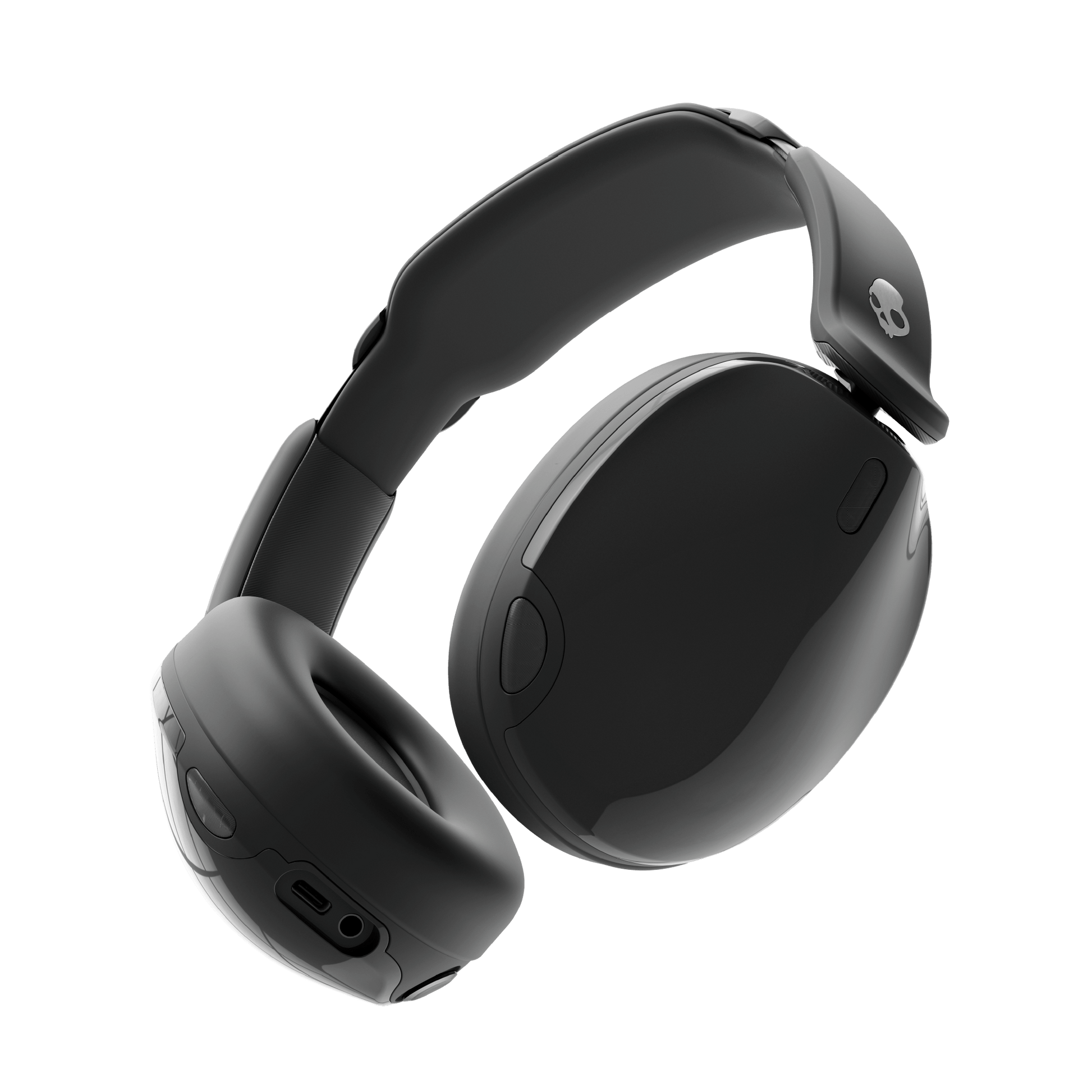
Most ANC headphones include these parts:
• External microphones that detect sound outside the ear cups
• Internal microphones that measure sound inside the ear cups
• A digital signal processor that analyzes the sound
• Speakers that produce the opposing sound wave
• A battery that powers the microphones and processor
There are three common ANC microphone designs.
Feedforward noise cancellation
Feedforward ANC places microphones on the outside of the ear cups. These microphones hear outside noise before it reaches your ears. The system can then produce an opposing signal in advance.
This design can react quickly, but wind may affect the outside microphones. It can also be less accurate if the headphones do not fit well.
Feedback noise cancellation
Feedback ANC places microphones inside the ear cups. These microphones listen to the sound that reaches your ears. The system uses this information to adjust the cancellation.
This approach can improve accuracy, but it may have a narrower range of control. Poor tuning can also affect music quality.
Hybrid noise cancellation
Hybrid ANC uses both outside and inside microphones. It can monitor the environment and the sound inside the ear cups at the same time.
Many premium headphones use hybrid ANC because it can provide stronger and more flexible noise control. However, more microphones and processing can increase cost, power use, and weight.
What sounds noise-canceling headphones remove best
Noise-canceling headphones work best against low-frequency sounds that stay fairly constant. These sounds have a predictable pattern, so the headphones can measure and counter them more easily.
For example, ANC is often effective on a long flight. The engine produces a steady rumble for much of the trip. The headphones can reduce that rumble, making music and spoken audio easier to hear at a lower volume.
Noise-canceling headphones may also reduce:
• Subway and train vibration
• Highway traffic
• Airplane cabin noise
• Loud fans
• Heating and cooling systems
• Some background hum in open offices
The result is not always complete silence. Instead, the background may sound softer, farther away, or less tiring.
This matters because constant noise can make it harder to focus. Research on environmental noise has linked long-term noise exposure with stress, sleep problems, and other health concerns. ANC is not a medical treatment, but reducing unwanted sound can make daily environments more comfortable.
What noise-canceling headphones do not remove well
ANC has limits. It is less effective against sudden, high-pitched, or irregular sounds. A short sound may end before the headphones can create a useful opposing signal.
You may still hear:
• Human voices near you
• A baby crying
• Dogs barking
• Clapping
• Doorbells
• Keyboard clicks
• Dishes and silverware
• Sudden construction sounds
• Wind hitting the microphones
The ear seal still helps with some of these sounds. Over-ear models with thick cushions often block more sound than loose earbuds. Still, no consumer headphone can remove every sound.
Fit also matters. A small gap around an ear cushion can let outside sound enter. With earbuds, the wrong tip size can reduce both comfort and noise control.
Active noise cancellation versus passive noise isolation
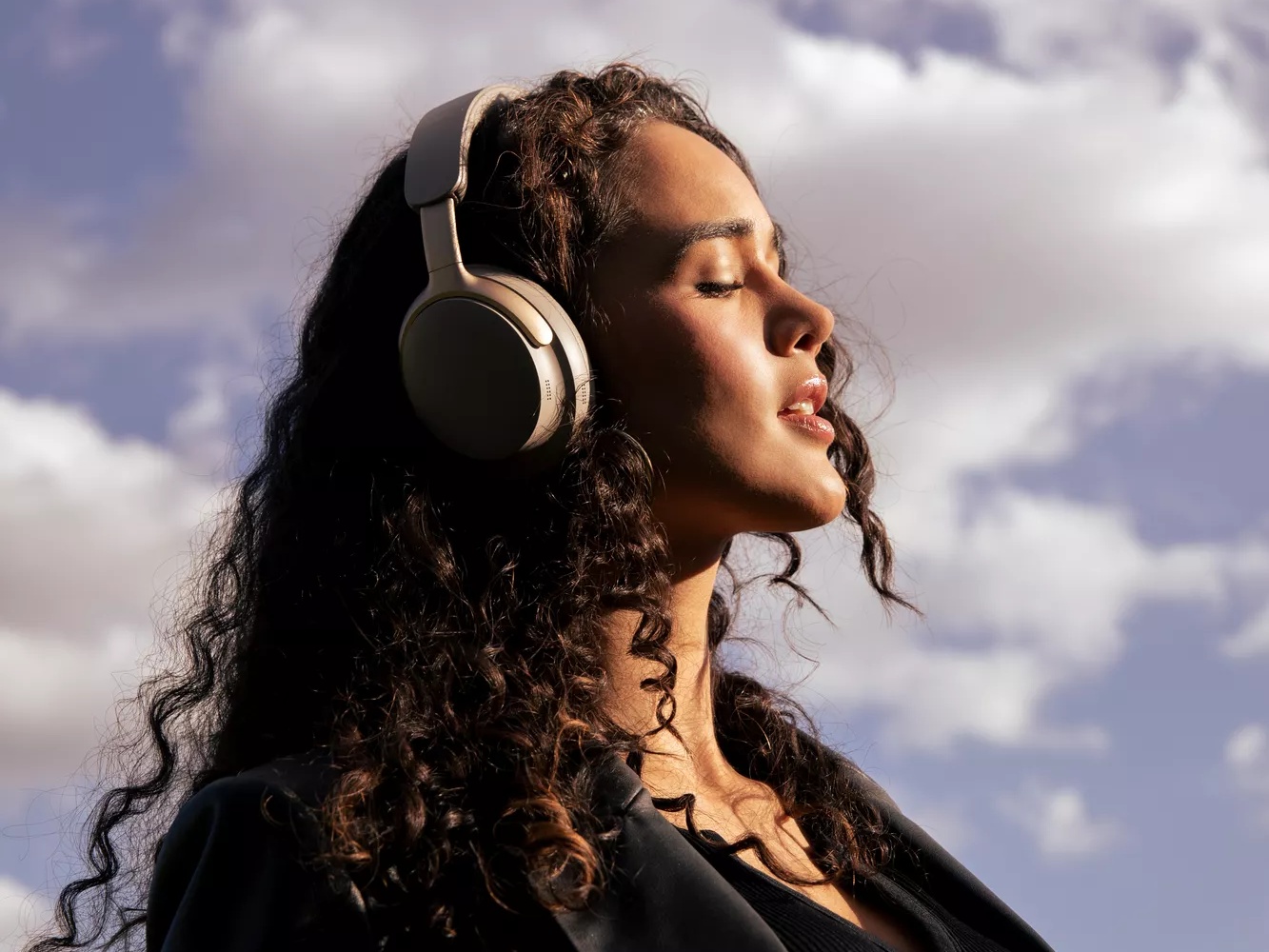
The terms sound similar, but they describe different technologies.
Passive isolation blocks sound through materials and fit. It works without power. Foam ear tips, sealed ear cups, and thick padding are all forms of passive isolation.
Active noise cancellation uses electronics to reduce sound. It needs power and relies on microphones, processing, and speakers.
Here is a simple comparison:
| Feature | Passive noise isolation | Active noise cancellation |
|---|---|---|
| Needs a battery | No | Yes |
| Uses microphones | No | Yes |
| Best for | Voices, high sounds, sudden noise | Steady low sounds |
| Works when powered off | Usually | Usually not |
| Depends on fit | Strongly | Strongly |
| May affect comfort | Through pressure or tightness | Through weight, warmth, or ear pressure |
The best headphones use both methods. ANC handles the low rumble, while the ear cups or ear tips block much of the remaining sound.
Do noise-canceling headphones make sound?
Yes. Active noise cancellation produces an opposing sound wave. You may not hear it as music or speech, but it is still a real audio signal.
The opposing wave does not simply “erase” sound everywhere. It reduces sound in a specific area, mainly near your ears. This is why ANC works better when the headphones sit in the correct position.
Some people notice a pressure-like feeling when ANC is on. This sensation does not usually mean that the headphones are increasing air pressure. It may come from the change in low-frequency sound, the ear cup seal, or sensitivity to the cancellation effect.
If ANC feels uncomfortable, try these steps:
• Adjust the headband and ear cup position
• Use a lower ANC setting
• Try another ear tip size
• Turn on transparency mode
• Take short breaks
• Choose a lighter model
Discomfort, pain, dizziness, or ringing in the ears is a reason to stop using the headphones and consider medical advice.
Transparency mode and ambient sound modes
Many noise-canceling headphones include transparency mode, also called ambient mode. It uses the microphones to bring outside sound into the headphones.
This mode is useful when you need to hear:
• A flight announcement
• A coworker
• Traffic near a crosswalk
• A train station message
• A doorbell or alarm
Transparency mode is not the same as turning ANC off. It actively mixes outside sound with your music or podcast. Good systems make voices sound natural, while basic systems may add hiss or make the environment sound artificial.
Some headphones include adaptive ANC. This feature changes the level of noise cancellation based on your surroundings. It may increase cancellation on a plane and lower it when you start speaking or enter a quieter room.

Benefits of noise-canceling headphones
The main benefit is better control over your listening environment. You can reduce background noise without raising the volume as much.
Other possible benefits include:
• Easier listening during travel
• Better focus in noisy workplaces
• More enjoyable podcasts and audiobooks
• Less distraction during study
• Improved comfort during long commutes
• Lower need to turn up music to overcome background noise
Noise-canceling headphones may also help some people relax in busy places. The effect varies from person to person. Someone who is sensitive to background noise may notice a large improvement, while another listener may prefer simple passive headphones.
ANC can improve sound quality in a practical sense. It does not always make the headphones sound more accurate. Instead, it reduces competing noise, so you can hear details more clearly.
For example, you may notice a quiet part of a podcast on a plane that would normally disappear under the engine rumble.
Limitations and drawbacks of ANC headphones
Noise-canceling headphones are useful, but they are not perfect. Understanding their drawbacks helps prevent disappointment.
Battery dependence
Wireless ANC headphones need battery power for active noise cancellation. Battery life may range from about 20 hours to more than 50 hours, depending on the model and features.
Some headphones still play audio with ANC turned off when the battery dies. Others need power for all functions. Check this before buying if you travel often.
Extra weight and heat
Microphones, chips, and batteries add weight. Over-ear headphones can also feel warm after several hours, especially in hot weather.
Sound changes
ANC processing can slightly change the sound signature. Some headphones may add a faint hiss or create a softer sound when cancellation is active.
Wind noise
Wind can strike external microphones and create a rushing sound. A wind reduction mode may help, but it cannot solve every outdoor problem.
Ear pressure or discomfort
Some listeners feel pressure, fullness, or mild discomfort. This response is personal and may depend on the headphone design.
Cost
Good ANC headphones often cost more than basic wired headphones because they include more hardware and software. A lower-cost model may still perform well, but its microphones, fit, or processing may be less refined.

How to use noise-canceling headphones safely
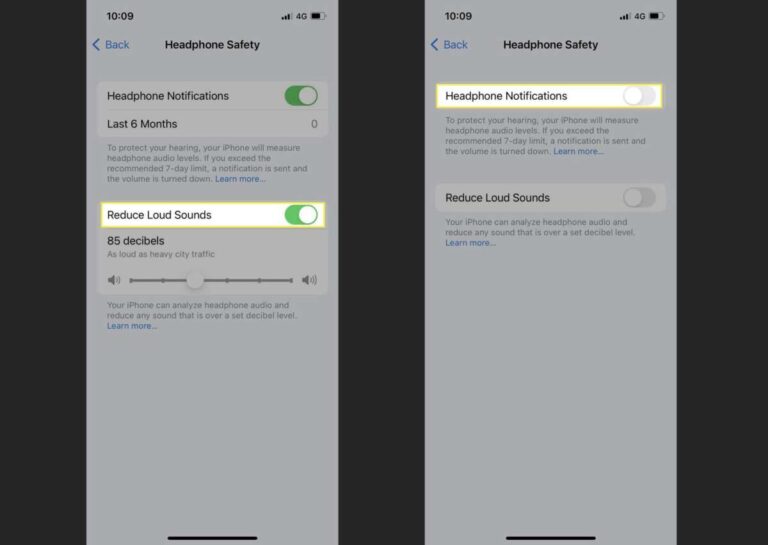
Noise-canceling headphones do not protect your ears from every loud sound. They are not a replacement for certified hearing protection in workplaces, shooting ranges, concerts, or other high-noise areas.
Follow these practical habits:
• Keep the volume at a comfortable level
• Take breaks during long listening sessions
• Use transparency mode near roads and public announcements
• Do not rely on ANC alone around vehicles or emergency signals
• Keep one ear free when your surroundings require awareness
• Use certified hearing protection for dangerous noise
• Stop listening if you notice pain, ringing, or muffled hearing
The World Health Organization recommends keeping personal listening devices at safe levels and limiting long exposure to loud sound. A simple rule is to use the lowest volume that lets you hear clearly.
A useful test is to ask someone nearby a question while your headphones play. If you need to shout or remove the headphones to hear the answer, the volume may be too high.
How to choose the right noise-canceling headphones
Start with your main use. The best travel headphones may not be the best choice for exercise or office work.
Consider these factors:
For air travel
Choose strong low-frequency ANC, comfortable ear cushions, long battery life, and a compact folding design. A wired listening option can be helpful on airplanes with seatback entertainment systems.
For office use
Look for clear microphone quality, natural transparency mode, and comfortable wear. Strong ANC can reduce air conditioning and keyboard noise, but voice control may matter just as much.
For commuting
Choose a secure fit, good wind handling, and awareness features. Earbuds are easy to carry, while over-ear headphones may block more outside sound.
For studying
Focus on comfort, steady ANC, and a useful ambient mode. A long battery life helps if you study for several hours at a time.
For exercise
Sweat resistance, stability, and a secure fit matter more than the strongest possible ANC. Be careful with noise cancellation outdoors because it can reduce awareness of traffic and other hazards.
Before buying, check independent measurements when possible. Manufacturer claims can use different test conditions, so battery life and noise reduction figures are not always directly comparable.
Common mistakes to avoid
Many problems come from expectations rather than defective headphones.
Avoid these mistakes:
• Expecting complete silence
• Buying without checking the fit
• Using small ear tips that leave gaps
• Wearing ANC headphones at unsafe volume levels
• Forgetting to charge the battery
• Using strong ANC near traffic without awareness
• Judging sound quality from a noisy store
• Assuming a higher price guarantees better comfort
One practical lesson is that fit often matters more than a long feature list. A well-sealed midrange headphone can outperform an expensive model that does not fit your ears.
Try several ear tip sizes with earbuds. For over-ear models, check whether the cushions fully surround your ears. If your glasses create a gap, passive isolation and ANC may both become weaker.
How to test noise-canceling headphones
You can test what noise-canceling headphones do in a few simple ways.
- Turn ANC off in a steady-noise environment, such as near a fan.
- Play the same audio at a comfortable volume.
- Turn ANC on and listen for the change in the background.
- Try the same test with music paused.
- Walk outside to check wind handling.
- Speak with transparency mode enabled.
- Wear the headphones for at least 30 minutes to test comfort.
Listen for reduced rumble rather than total silence. Good ANC may make a fan sound distant without removing every detail.
Also test the microphone. Make a short call in a quiet room and then in a noisy place. The headphones may reduce noise for you while doing less for the person on the other end.
Frequently asked questions about what noise-canceling headphones do
Do noise-canceling headphones block all outside noise?
No. They reduce many steady, low-frequency sounds but are less effective against voices, sudden noises, and high-pitched sounds. A strong ear seal improves the overall result.
Do noise-canceling headphones protect your hearing?
Not by themselves. ANC headphones can help you listen at a lower volume, but they are not certified hearing protection for dangerous noise.
Can noise-canceling headphones damage your ears?
The ANC feature itself is not generally considered harmful when used correctly. Loud volume and long listening sessions are the bigger risks, so keep the volume moderate and take regular breaks.
Do noise-canceling headphones work without music?
Yes. Many ANC headphones can reduce outside noise even when no music is playing. The battery must usually be charged for active noise cancellation to work.
Why do noise-canceling headphones feel like they create pressure?
The feeling may result from reduced low-frequency sound, the ear cup seal, or individual sensitivity. Lowering the ANC level, adjusting the fit, or using transparency mode may help.
Are earbuds or over-ear headphones better for noise cancellation?
Neither is always better. Over-ear models often provide stronger passive isolation, while well-fitted earbuds can offer excellent ANC in a smaller design. Comfort and fit are more important than the headphone type alone.
Can I use noise-canceling headphones while driving?
You should not use them while driving. They can reduce awareness of horns, sirens, traffic, and other important sounds, and local laws may restrict headphone use behind the wheel.
Conclusion
Noise-canceling headphones combine passive isolation with electronic sound control. Their microphones detect outside noise, a processor creates an opposing signal, and the speakers reduce much of the unwanted sound near your ears. They work best with steady noises such as airplane engines, traffic, and fans, but they cannot remove every voice or sudden sound.
The right fit, safe volume, comfort, battery life, and transparency mode matter as much as ANC strength. Use these features as tools, not as a reason to ignore your surroundings. Compare models carefully, test the fit, and choose headphones that match your daily routine. Explore more audio guides, share your experience, or leave a comment about which noise-canceling features matter most to you.

Everett Ashford is a tech reviewer at mytechgrid.com specializing in SSDs, cameras, TVs, earbuds, headphones, and other consumer electronics. He provides honest, data-driven reviews based on hands-on testing and real-world performance analysis. Everett simplifies complex tech details to help readers make smart, confident buying decisions.