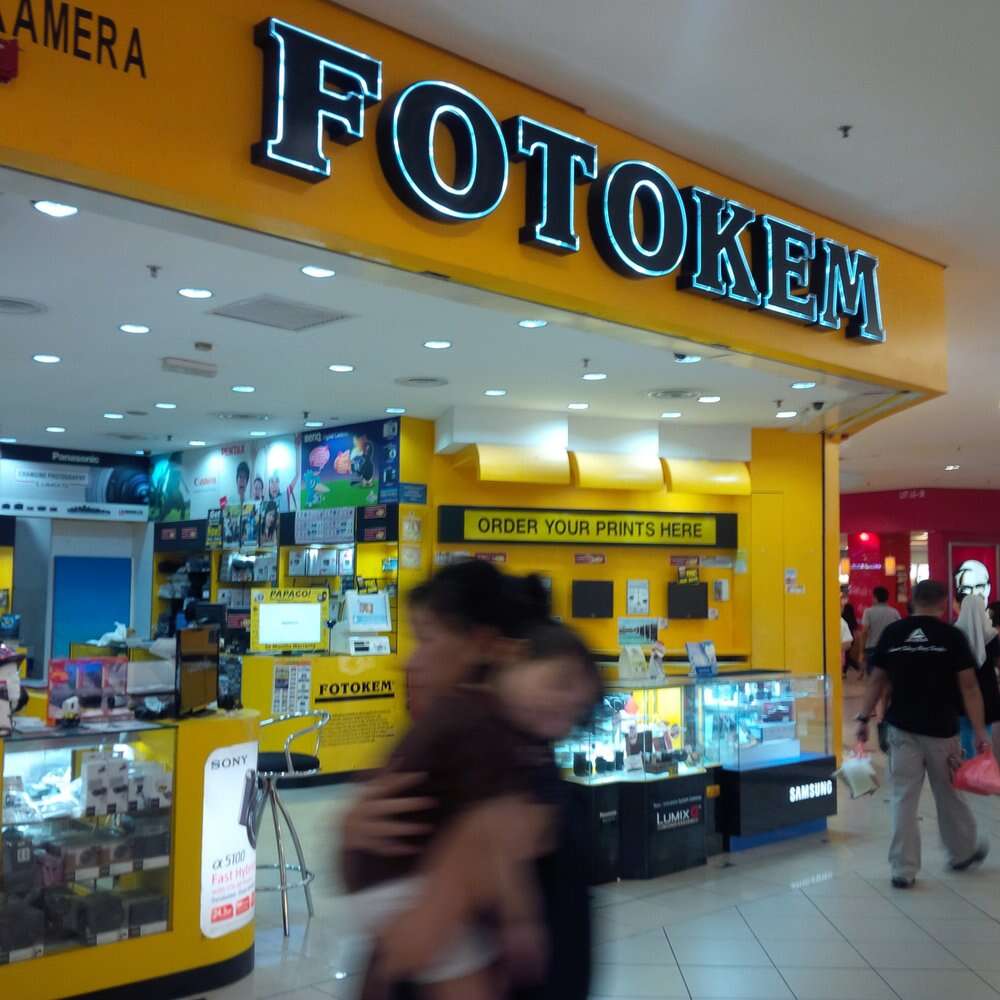
A nearby camera shop can help you compare gear, test products, and get expert advice before you buy.
Searching for “is there a camera shop near me” is often the best first step when you need a camera today or want hands-on help before spending money. Local stores can offer more than a shelf of products. They may provide lens testing, repairs, used gear, rentals, sensor cleaning, and advice based on your actual needs.
This guide explains how to find a reliable camera store, what services to expect, how to compare local options, and how to avoid common buying mistakes. Whether you need a professional DSLR, a mirrorless camera, a simple point-and-shoot model, or accessories for your phone, the right camera shop can make your search easier and safer.

How to Find a Camera Shop Near Me
The fastest way to find a camera shop near me is to search through Google Maps, Apple Maps, Yelp, or a local business directory. Use terms such as “camera store,” “camera shop near me,” “photography store,” or “used camera dealer.”
Search results can vary, so do not choose a store based only on distance. A shop five miles away may offer better service, stock, and prices than one located around the corner.
Use these steps:
- Open your preferred map app.
- Search for “camera shop near me.”
- Check the store’s hours and phone number.
- Read recent customer reviews.
- Visit the store’s website, if available.
- Call ahead to confirm that the item you need is in stock.
- Ask about returns, warranties, repairs, and used equipment.
A local camera store may not always appear first in search results. Some small stores have limited websites but strong reputations in the local photography community. Ask photography clubs, schools, wedding photographers, or social media groups for recommendations.
What Services Does a Local Camera Shop Offer?
A good camera shop near me may provide several services beyond selling cameras. The exact selection depends on the store’s size, staff, and connection with major brands.
Common services include:
• New camera sales for beginners, enthusiasts, and professionals
• Used camera and lens sales
• Camera and lens rentals
• Sensor cleaning and basic maintenance
• Camera repair and inspection
• Trade-in programs
• Memory cards, batteries, tripods, bags, and lighting gear
• Film processing and scanning
• Passport and identification photos
• Photography classes and workshops
• Printing, framing, and photo gifts
Many local stores also help customers build a complete system. A camera body is only one part of your setup. You may need a lens, spare battery, memory card, bag, charger, tripod, and cleaning kit.
Before visiting a camera shop near me, write down your main goal. A travel photographer may need a small body and flexible zoom lens. A portrait photographer may need a bright lens and an external flash. A parent taking family photos may prefer simple controls and reliable autofocus.
Why Shop Locally Instead of Buying Online?
Online stores often provide a wide selection and competitive prices. However, a local camera shop gives you something an online listing cannot: direct experience with the equipment.
You can hold the camera, test the grip, check the controls, and see how the viewfinder feels. Small differences in weight and button placement can matter after several hours of shooting.
Local shopping also gives you access to immediate advice. Staff can explain the difference between a full-frame camera, an APS-C camera, a Micro Four Thirds camera, and a compact model. They can also help you avoid paying for features you may never use.
Other benefits may include:
• Same-day purchases
• Local warranty support
• Easier returns or exchanges
• Product demonstrations
• Help setting up the camera
• Access to repair technicians
• Advice about compatible lenses
• Opportunities to buy tested used gear
In my experience with camera-buying research, one of the most common mistakes is choosing a product from a specification chart alone. A camera can have excellent ratings but still feel uncomfortable in your hands. A short visit to a camera shop near me can reveal that before you spend hundreds or thousands of dollars.

How to Choose the Best Camera Shop Near Me
Not every camera store offers the same level of service. Look for a shop that answers questions clearly and does not pressure you into buying the most expensive product.
A trustworthy store should ask about your photography goals before making a recommendation. Staff should explain both strengths and limits. For example, a high-resolution camera may produce detailed images but create larger files and require more storage.
Consider these factors when comparing a camera shop near me:
Product selection
Check whether the store carries the brands and product types you want. Some shops focus on professional mirrorless cameras, while others specialize in film cameras, used equipment, or entry-level products.
Staff knowledge
Good staff members can explain technical terms in plain language. They should know about lenses, sensor sizes, autofocus systems, exposure settings, flash systems, and file formats.
Used gear policy
Ask whether used cameras are inspected, tested, and graded. Find out whether the shop offers a return period or limited warranty. A clear policy is a strong sign of a responsible dealer.
Repair support
A camera store may handle repairs in-house or send them to an authorized service center. Ask how long repairs usually take and whether the store provides loan equipment.
Customer reviews
Look for repeated comments about honest advice, accurate product descriptions, fair prices, and helpful service. Pay more attention to patterns than to one very positive or negative review.
Store accessibility
A convenient location matters if you plan to visit often for rentals, cleaning, printing, or classes. Check parking, public transit, business hours, and appointment rules.
What Camera Should You Buy?
The right camera depends on your subject, budget, skill level, and willingness to carry equipment. There is no single best camera for everyone.
A beginner may do well with an entry-level mirrorless camera. These models often offer strong image quality, automatic modes, interchangeable lenses, and room to grow.
A smartphone may be enough for casual photos, travel memories, and social media. A dedicated camera becomes more useful when you want better control, stronger low-light performance, interchangeable lenses, or fast action tracking.
Here is a simple guide:
• Travel photography: Choose a light mirrorless camera with a compact zoom lens.
• Portrait photography: Look for reliable eye autofocus and a lens with a wide aperture.
• Sports photography: Prioritize fast autofocus, quick burst rates, and a suitable telephoto lens.
• Wildlife photography: Choose a camera with strong subject tracking and access to long lenses.
• Video creation: Check stabilization, microphone support, screen movement, and recording limits.
• Landscape photography: Consider dynamic range, weather sealing, and high-resolution sensors.
• Film photography: Ask a camera shop near me about tested bodies, light seals, film availability, and processing.
Do not spend your entire budget on the camera body. A good lens can have a greater effect on your photos than a small upgrade in camera resolution. Set aside money for basic accessories and future maintenance.

New Versus Used Camera Equipment
A used camera can be an excellent choice, especially when buying from a reputable camera shop near me. Professional photographers often sell equipment that still works well because they are upgrading systems or changing specialties.
Before buying used equipment, inspect the following:
• Shutter count, when available
• Scratches, dents, or cracks
• Sensor condition
• Lens glass for dust, fungus, or haze
• Autofocus performance
• Battery health
• Memory card slots
• Buttons, dials, and ports
• Included charger and accessories
• Proof of ownership and serial number
A few marks on the outside do not always matter. Cosmetic wear can be harmless. Internal damage, moisture exposure, sensor problems, and faulty card slots are more serious.
Ask the seller to let you test the camera. Take photos at different shutter speeds. Try autofocus, flash communication, video recording, and image playback. Test each lens at several focus distances.
One lesson worth remembering is that a low price is not automatically a good deal. A slightly more expensive used camera with a return period may be safer than a cheaper item sold without support.

Questions to Ask Before Buying
A short list of questions can help you compare stores and products with less stress. Take notes or save the answers on your phone.
Ask the camera shop:
- Is this model new, used, refurbished, or open-box?
- Does it include a manufacturer warranty?
- What is the return or exchange period?
- Has the used equipment been tested?
- What lens would you recommend for my main subject?
- Are replacement batteries and chargers available?
- Can I rent this camera before buying it?
- Does the store provide cleaning or repair services?
- Are there hidden fees for special orders?
- Is the product compatible with my current lenses or accessories?
Ask yourself:
• Will I carry this camera often?
• Do I understand the basic controls?
• Can I afford the lenses and accessories?
• Does the camera fit my real photography goals?
• Am I buying because I need the feature or because it sounds impressive?
A helpful salesperson should welcome these questions. If someone dismisses your concerns or pushes you toward a product without learning about your needs, consider another camera shop near me.

How Much Does Camera Equipment Cost?
Camera prices vary widely. A basic compact camera may cost a few hundred dollars, while professional camera bodies and lenses can cost several thousand dollars.
Your total cost may include:
• Camera body
• Lens or lenses
• Memory card
• Spare battery
• Camera bag
• Tripod
• Cleaning supplies
• External flash
• Microphone
• Extra storage
• Insurance or extended protection
Prices also change based on product availability, seasonal sales, new model releases, and local demand. A camera shop near me may match a major online price, but this is not guaranteed. Some stores include extra value through setup help, training, testing, or local support.
Compare the full package, not only the body price. A camera that seems cheap may become expensive if it requires costly lenses or special accessories.
When comparing prices, confirm whether sales tax, shipping, return fees, and warranty coverage are included. For expensive purchases, keep the receipt and record the serial number.
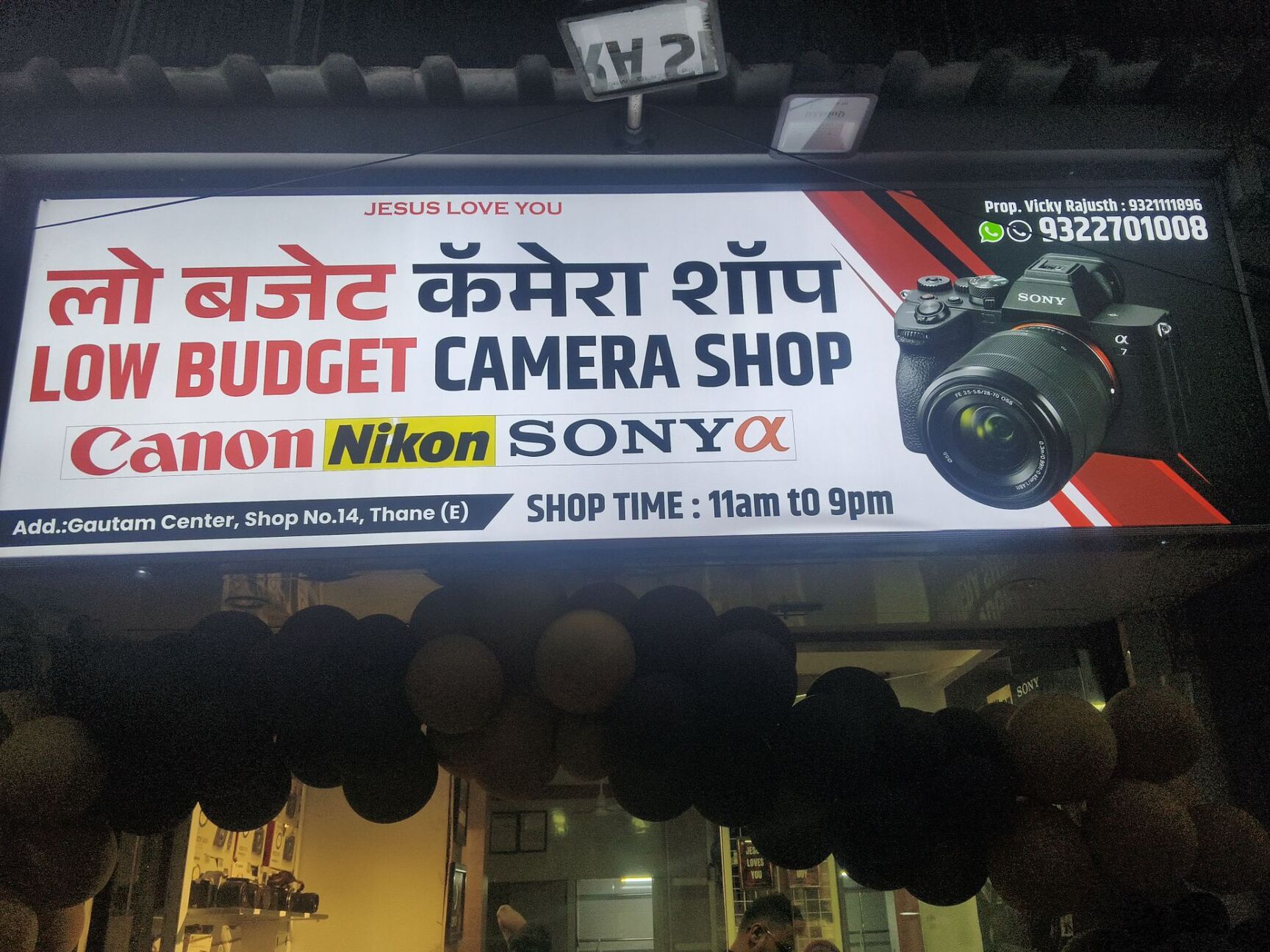
Camera Shop Services That Save Time and Money
Some services are easy to overlook until you need them. A local camera shop can often solve small problems before they become expensive.
Sensor cleaning is one example. Dust on the sensor can appear as dark spots in photos, especially when using a narrow aperture. A trained technician can clean the sensor safely and explain how to reduce future dust.
Rentals are also useful. If you are planning a wedding, vacation, sports event, or wildlife trip, renting a lens can be cheaper than buying one for a single project.
Trade-ins can reduce the cost of an upgrade. However, compare the trade-in value with the amount you might receive from a private sale. A shop offers convenience and lower risk, but private sales may produce more money.
Classes and workshops can improve your results faster than new equipment. Learning exposure, focus, composition, and light often matters more than moving from one recent camera model to another.
Common Mistakes to Avoid
Many camera buyers make the same errors. Knowing them can help you make a better choice.
• Buying too much camera: Advanced features can make learning harder.
• Ignoring lens prices: A camera system may become costly over time.
• Choosing based only on megapixels: Resolution is only one part of image quality.
• Skipping a hands-on test: Comfort and control layout matter.
• Forgetting the return policy: Your needs may change after using the camera.
• Buying untested used gear: Hidden faults can cost more than expected.
• Using a slow memory card: Some cameras need faster cards for high-resolution video or burst shooting.
• Neglecting storage: Large photo and video files need a reliable backup plan.
• Expecting equipment to fix every problem: Better technique often creates a bigger improvement than a newer body.
A visit to a camera shop near me is most useful when you arrive with realistic expectations. Tell the staff what you photograph, how often you shoot, and what frustrates you about your current setup.
How to Prepare for Your Store Visit
Preparation helps you use your time well. Bring your current camera, lenses, memory cards, or accessories if you are shopping for an upgrade.
Make a short list of your needs:
• Maximum budget
• Main subjects
• Preferred camera size
• Need for video
• Current brand system
• Desired lens range
• Interest in used equipment
• Need for repair or cleaning
If possible, bring a sample photo that shows the problem you want to solve. For example, you may struggle with blurry indoor photos, slow autofocus, or poor background separation. A knowledgeable salesperson can respond to a real problem better than a general request for “the best camera.”
Call before visiting a camera shop near me. Store inventory can change quickly, especially for popular lenses, film, batteries, and used equipment. A phone call may save you a long trip.
Is Online Ordering Better Than Local Shopping?
Online shopping is useful when you know exactly what you want. It can provide more product choices and make price comparison simple. It is also convenient when no camera store operates nearby.
However, online listings may not show the true condition of used equipment. Product pages may also leave out important details about fit, comfort, compatibility, and support.
A balanced approach often works best:
- Research models online.
- Visit a camera shop near me to test them.
- Ask questions about lenses and accessories.
- Compare the complete price.
- Review warranty and return terms.
- Buy from the seller that offers the best overall value.
The lowest price is not always the lowest cost. A reliable local store may prevent an expensive mistake by helping you choose the right system from the start.
Frequently Asked Questions About Is There a Camera Shop Near Me
How do I search for a camera shop near me?
Use Google Maps, Apple Maps, Yelp, or another trusted local directory. Search for “camera shop near me,” “camera store,” or “photography equipment store,” then check reviews, hours, services, and current inventory.
Can I buy used equipment from a camera shop near me?
Yes, many local stores sell used cameras, lenses, flashes, and accessories. Ask whether the item was tested, how it was graded, and whether the store offers a return period or warranty.
Do local camera stores repair cameras?
Some stores provide basic repairs and cleaning, while others send equipment to an authorized repair center. Contact the store before visiting and ask about turnaround times, estimates, and loan equipment.
Can I rent a camera from a camera shop near me?
Many specialty stores offer camera and lens rentals. Rental policies vary, so ask about identification, deposits, insurance, rental periods, damage fees, and reservation requirements.
Is a local camera shop more expensive than an online store?
Not always. Online sellers may have lower listed prices, but local stores may offer product testing, setup help, warranty support, and easier service. Compare the total value rather than the price alone.
What should I bring when testing a camera?
Bring your current lenses, memory card, and any accessories you plan to use. Also bring sample photos that show your needs, such as low-light images, portraits, or action shots.
Conclusion
Finding a camera shop near me can turn a confusing purchase into a confident one. Local stores let you test equipment, compare lenses, inspect used gear, ask practical questions, and access services such as cleaning, repairs, rentals, and classes.
Start by searching local maps, checking recent reviews, calling about inventory, and visiting with a clear budget. Focus on the camera system that suits your real needs, not just the newest model or the highest number of megapixels.
Take time to handle the equipment before you buy. Then explore a trusted camera shop near me, ask informed questions, and choose gear that helps you enjoy photography for years.

Everett Ashford is a tech reviewer at mytechgrid.com specializing in SSDs, cameras, TVs, earbuds, headphones, and other consumer electronics. He provides honest, data-driven reviews based on hands-on testing and real-world performance analysis. Everett simplifies complex tech details to help readers make smart, confident buying decisions.