Canon’s highest-resolution camera is the 50.6-megapixel EOS 5DS R, while current models reach 45 megapixels.
If you are searching for what canon camera has the highest megapixels, the answer depends on whether you want the highest number ever made or the best current camera. Canon’s EOS 5DS R still leads with 50.6 megapixels, but the newer EOS R5 Mark II offers 45 megapixels with far better speed, autofocus, and video features. This guide explains the differences so you can choose with confidence.

What Canon camera has the highest megapixels?
The Canon EOS 5DS R has the highest resolution of any Canon camera made for general still photography. It uses a full-frame sensor with 50.6 megapixels.
Canon also released the closely related EOS 5DS, which has the same 50.6-megapixel resolution. The 5DS R is the sharper version because it removes the low-pass filter effect. This can reveal a little more fine detail when the lens, focus, and shooting conditions are strong.
Here is the simple breakdown:
• Highest resolution ever: Canon EOS 5DS R with 50.6 megapixels
• Matching model: Canon EOS 5DS with 50.6 megapixels
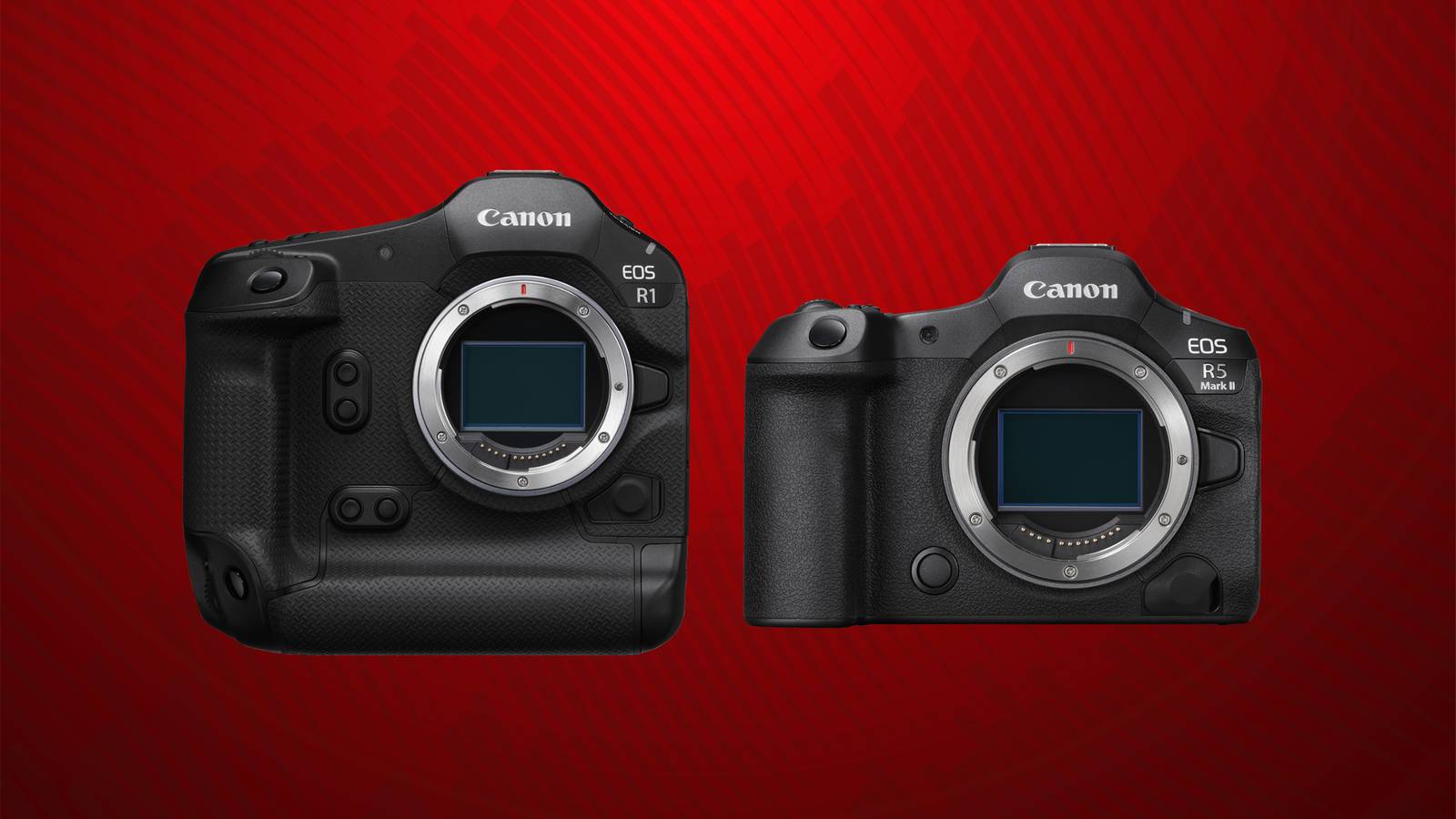
• Highest resolution in Canon’s current mirrorless range: Canon EOS R5 Mark II with 45 megapixels
• Highest resolution in Canon’s current flagship range: Canon EOS R1 with 24.2 megapixels
So, what canon camera has the highest megapixels? The EOS 5DS R is the clear answer. However, the best camera for most people today may be the EOS R5 Mark II.

Canon EOS 5DS R: The highest-megapixel Canon camera
The Canon EOS 5DS R was designed for photographers who need large, detailed files. Its 50.6-megapixel sensor produces images with a resolution of 8,688 by 5,792 pixels.
That is enough detail for large prints, tight crops, studio work, and commercial images. A landscape photographer can crop into a distant mountain or tree line and still keep useful detail.
The camera uses a full-frame DSLR sensor. It does not have the latest mirrorless autofocus system, but it remains powerful for careful, controlled photography.
Key Canon EOS 5DS R specifications
• Resolution: 50.6 megapixels
• Sensor type: Full-frame CMOS
• Camera type: DSLR
• Lens mount: Canon EF
• Maximum standard ISO: 6400, expandable to 12,800
• Continuous shooting: Up to 5 frames per second
• Video: Full HD
• Storage: Dual CompactFlash and SD card slots
• Body style: Weather-sealed professional DSLR
The 5DS R works best when the subject is still or moves slowly. It is not the ideal tool for fast sports, birds in flight, or demanding video work.
A tripod can make a major difference. At 50.6 megapixels, small movements are easier to see. A slight shake that looks fine in a 20-megapixel file may look soft when you inspect a 5DS R image at full size.
Why the EOS 5DS R produces so much detail
Megapixels describe the number of pixels in an image. More pixels can show more detail, but resolution alone does not create a sharp photo.
The EOS 5DS R gains its extra detail from several parts working together:
• A high-resolution full-frame sensor
• A low-pass filter cancellation effect
• Strong Canon EF lenses
• Accurate focus
• Good light
• A steady camera position
the “R” in EOS 5DS R refers to the cancellation of the low-pass filter effect. Most cameras use this filter to reduce moiré, which can appear as false patterns on fabric, screens, or fine lines. Removing its effect can improve fine detail, but it may increase the risk of moiré in some subjects.
This trade-off matters in real photography. The 5DS R can produce beautifully crisp images of buildings, artwork, landscapes, and products. It may need more care when photographing patterned clothing, screens, or tightly woven materials.
A high-megapixel sensor is like a larger canvas with more tiny brush marks. It gives you more room to crop and print, but it also shows every mistake.
Is the EOS 5DS R still worth buying?
The EOS 5DS R can still make excellent images, especially when bought used at a sensible price. Its main strength is resolution, not speed or modern convenience.
It may be a good choice for:
• Landscape photography
• Architecture
• Studio portraits
• Product photography
• Reproduction of artwork
• Large commercial prints
• Detailed nature scenes
It is less suitable for:
• Sports photography
• Wildlife with fast movement
• Low-light events
• Handheld video
• Action autofocus
• Travelers who want a small kit
The camera was introduced in 2015, so its technology is older than that of current mirrorless cameras. Its autofocus system, live-view performance, screen design, connectivity, and video tools are all behind newer models.
Used condition also matters. Check the shutter count, sensor condition, battery health, card slots, and included accessories. A low purchase price can become less attractive if the camera needs a new battery, charger, or repair.

What is the highest-megapixel Canon camera available today?
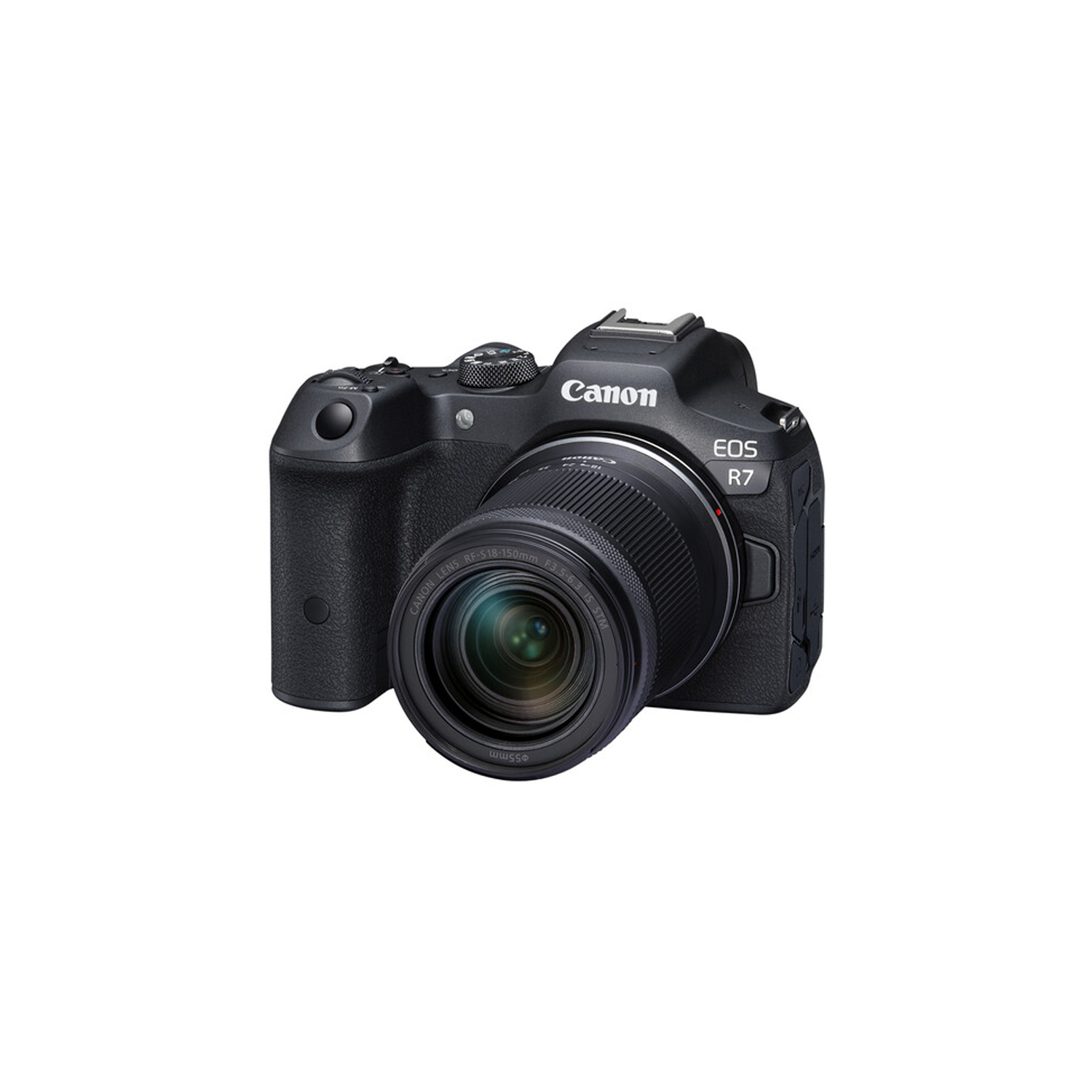
For current Canon mirrorless cameras, the EOS R5 Mark II has the highest resolution at 45 megapixels. It is the modern answer for photographers who want a high-megapixel Canon camera with advanced autofocus and strong video features.
The EOS R5 Mark II uses a full-frame stacked CMOS sensor. Its stacked design helps the camera read image data faster than a traditional sensor. This supports high-speed shooting, improved subject tracking, and reduced rolling shutter in many situations.
The camera is a much more flexible tool than the EOS 5DS R. It can handle landscapes in the morning, wildlife in the afternoon, and high-quality video at night.
Main EOS R5 Mark II strengths
• 45-megapixel full-frame sensor
• RF lens mount
• Advanced subject detection autofocus
• High-speed continuous shooting
• 8K video recording
• Electronic and mechanical shutter options
• In-body image stabilization
• Modern electronic viewfinder
• Strong wireless connectivity
The EOS R5 Mark II does not technically beat the EOS 5DS R in megapixel count. Still, it may produce better real-world results because it focuses faster, stabilizes the image, handles moving subjects better, and supports newer RF lenses.
This is an important lesson when comparing cameras. The highest megapixel number is not always the same as the best image-making experience.

EOS R5 Mark II versus EOS 5DS R
The choice between these cameras depends on your work. The EOS 5DS R offers more pixels, while the EOS R5 Mark II offers more modern performance.
| Feature | Canon EOS 5DS R | Canon EOS R5 Mark II |
|---|---|---|
| Resolution | 50.6 megapixels | 45 megapixels |
| Camera type | DSLR | Mirrorless |
| Lens mount | Canon EF | Canon RF |
| Autofocus | Older phase-detection system | Modern subject-detection autofocus |
| Stabilization | Lens-based only | In-body stabilization |
| Video | Full HD | 8K and advanced 4K options |
| Best use | Carefully controlled stills | Stills, action, travel, and video |
| Typical file size | Very large | Very large |
The difference between 50.6 and 45 megapixels is smaller than many buyers expect. Both cameras produce files with excellent detail.
The EOS 5DS R may win in a studio with a tripod and a carefully focused EF lens. The EOS R5 Mark II may win outdoors, where subjects move, light changes, and handheld shooting is common.
For most new buyers, the R5 Mark II is the more practical long-term choice. For photographers who want the absolute highest Canon resolution at a lower used price, the 5DS R remains worth considering.
How many megapixels do you really need?
Many photographers buy more megapixels than they use. A 50.6-megapixel image is impressive, but not every project needs it.
A high-resolution camera is useful when you need to:
• Make large prints
• Crop heavily
• Photograph artwork or products
• Preserve fine texture
• Capture distant subjects with a sharp lens
• Create images for magazines or advertising
For online photos, social media, and small prints, a 24-megapixel camera is often more than enough. A 45-megapixel file may need to be reduced before you upload it.
More pixels also create practical costs:
• Larger memory cards
• Faster computer storage
• More backup space
• Longer file transfers
• More demanding editing
• Greater visibility of camera shake
• Greater need for sharp lenses
When I assess high-resolution cameras, I pay close attention to the entire workflow. The best result comes from the camera, lens, light, technique, and editing process together. A sharp 24-megapixel image can look better than a soft 50-megapixel image.
Does more megapixels mean better image quality?
More megapixels can improve detail, but they do not automatically improve every part of image quality.
Megapixels mainly affect resolution. Other factors affect the overall look of a photograph:
• Sensor design affects dynamic range and noise
• Lens quality affects sharpness
• Autofocus affects focus accuracy
• Image stabilization affects handheld detail
• Processing affects color and noise
• Lighting affects texture and contrast
A high-resolution sensor can also expose weaknesses in a lens. Older or lower-quality glass may not resolve enough detail to use all the camera’s pixels.
The photographer matters, too. Poor focus, subject movement, heat shimmer, and atmospheric haze can reduce detail. A tripod helps, but it cannot fix a moving subject or soft lens.
For this reason, do not buy a camera based only on its megapixel rating. Look at the type of work you do and the conditions in which you shoot.
Best Canon lenses for high-megapixel photography
High-resolution cameras need good lenses. You do not always need the most expensive lens, but you should choose glass known for strong sharpness.
For the EOS 5DS R, useful EF lenses include:
• Canon EF 24-70mm f/2.8L II USM for general work
• Canon EF 24-70mm f/4L IS USM for travel and landscapes
• Canon EF 16-35mm f/4L IS USM for architecture and wide scenes
• Canon EF 100mm f/2.8L Macro IS USM for close detail
• Canon EF 70-200mm f/2.8L IS III USM for portraits and distant subjects
For the EOS R5 Mark II, strong RF options include:
• Canon RF 24-70mm f/2.8L IS USM
• Canon RF 15-35mm f/2.8L IS USM
• Canon RF 100mm f/2.8L Macro IS USM
• Canon RF 70-200mm f/2.8L IS USM
• Canon RF 100-500mm f/4.5-7.1L IS USM
A good lens does not need to be extremely expensive for every subject. For landscapes, a sharp prime lens can be an excellent choice. For travel, a flexible zoom may create more useful photos because you can frame the scene quickly.
Practical tips for shooting with a high-megapixel Canon camera
High-resolution photography rewards care. These simple habits can help you get sharper images.
-
Use a sturdy tripod for landscapes, architecture, and studio work.
-
Use a fast shutter speed when shooting handheld.
-
Turn on image stabilization when appropriate.
-
Use electronic front-curtain shutter or an electronic shutter to reduce vibration.
-
Focus on the most important detail in the frame.
-
Check focus at 100 percent before a major shoot.
-
Use a remote release or a self-timer on a tripod.
-
Stop down the lens when depth of field matters.
-
Avoid very small apertures when diffraction becomes visible.
-
Keep your sensor and lenses clean.
Diffraction can reduce sharpness at very small apertures such as f/16 or f/22. For many full-frame scenes, a middle aperture such as f/8 gives a useful balance between depth of field and sharpness.
Also watch your shutter speed. The old idea of using a shutter speed equal to the lens focal length may not be enough with a very high-resolution sensor. When possible, use a faster speed, especially with a telephoto lens.
A practical mistake is zooming into every image and judging it only at 100 percent. View the photo at its final size, too. A file that looks slightly soft on a large monitor may look excellent in a print or online gallery.
Canon’s other high-resolution camera options
The EOS 5DS R and EOS R5 Mark II are not the only Canon cameras worth considering.
Canon EOS R5
The original EOS R5 has 45 megapixels. It remains a strong option for still photographers who want detailed files, in-body stabilization, and advanced autofocus at a lower used price.
Canon EOS R5 C
The EOS R5 C also has a 45-megapixel sensor. It is designed with a stronger focus on video production, though it does not offer the same in-body stabilization approach as the standard R5.
Canon EOS R6 Mark II
The EOS R6 Mark II has about 24 megapixels. It produces smaller files but offers excellent autofocus, strong low-light performance, and fast operation. It can be a better choice for weddings, events, and action.
Canon EOS R1
The EOS R1 uses a 24.2-megapixel full-frame sensor. It is built for speed, reliability, and professional action work rather than maximum resolution.
Canon EOS 90D
The EOS 90D has about 32.5 megapixels on an APS-C sensor. Its smaller sensor gives extra reach with telephoto lenses, although its total image area is not equal to that of the full-frame 5DS R or R5 Mark II.
The right choice depends on your priority. Resolution favors the 5DS R and R5 Mark II. Speed and low-light work may favor the R6 Mark II or R1.
How to choose the right high-megapixel Canon camera
Before buying, answer these questions:
• Do you need the highest possible resolution?
• Do you photograph moving subjects?
• Do you need modern video features?
• Do you already own Canon EF or RF lenses?
• Is a used DSLR acceptable?
• Can your computer handle large raw files?
• Do you often crop your images?
Choose the EOS 5DS R if maximum Canon resolution is your only major goal and your subjects are mostly still.
Choose the EOS R5 Mark II if you want high resolution plus modern autofocus, stabilization, video, and a current mirrorless system.
Choose the EOS R5 if you want a capable used mirrorless camera with 45 megapixels.
Choose the EOS R6 Mark II or EOS R1 if speed, low light, and autofocus matter more than extreme resolution.
The most expensive or highest-resolution option is not always the best fit. A camera should make your work easier, not turn every photo into a technical project.
Frequently asked questions about what canon camera has the highest megapixels
What Canon camera has the highest megapixels ever?
The Canon EOS 5DS R has the highest resolution, with 50.6 megapixels. The EOS 5DS has the same resolution, but the 5DS R is designed to provide slightly more fine detail by canceling the low-pass filter effect.
What current Canon camera has the highest megapixels?
The Canon EOS R5 Mark II is Canon’s current high-resolution mirrorless option, with 45 megapixels. The original EOS R5 and EOS R5 C also use 45-megapixel sensors.
Is the Canon EOS 5DS R better than the EOS R5 Mark II?
The 5DS R has more pixels, but the R5 Mark II is faster and more advanced. The R5 Mark II is usually better for moving subjects, video, autofocus, stabilization, and general everyday use.
Is 50 megapixels enough for professional photography?
Yes. Fifty megapixels is enough for large prints, commercial work, landscapes, architecture, and detailed product images. It creates large files, so you need strong storage, backup, and computer performance.
Does the EOS 5DS R record 4K video?
No. The EOS 5DS R records Full HD video rather than 4K. If high-quality video is important, the EOS R5 Mark II, EOS R5, or EOS R5 C is a much better choice.
Do high-megapixel cameras need expensive lenses?
They benefit from sharp lenses, but you do not need the most expensive lens for every subject. A quality prime or professional zoom can help you use the sensor’s detail, while good focus and steady technique remain just as important.
Should a beginner buy the highest-megapixel Canon camera?
Not always. Beginners may find a 24-megapixel camera easier to manage because the files are smaller and the camera may be faster or less expensive. Choose a high-resolution model when you know you need large prints or heavy cropping.
Conclusion
The Canon EOS 5DS R is the answer to what canon camera has the highest megapixels, thanks to its 50.6-megapixel full-frame sensor. The EOS 5DS matches its resolution, while the EOS R5 Mark II is the strongest current mirrorless choice at 45 megapixels.
Choose the 5DS R for maximum detail in controlled still photography. Choose the R5 Mark II for a faster, more flexible system with modern autofocus, stabilization, and video. Before buying, think about your subjects, lenses, computer, storage, and shooting style.
The best camera is not simply the one with the biggest number. It is the one that helps you create sharper, more useful images with less effort. Explore Canon’s current lineup, compare real-world features, and choose the model that fits the way you actually photograph.

Everett Ashford is a tech reviewer at mytechgrid.com specializing in SSDs, cameras, TVs, earbuds, headphones, and other consumer electronics. He provides honest, data-driven reviews based on hands-on testing and real-world performance analysis. Everett simplifies complex tech details to help readers make smart, confident buying decisions.