There are eight main types of earbuds, grouped by fit, design, connection, and features.
Knowing how many types of earbuds are there helps you choose a pair that matches your ears, habits, budget, and daily needs. Earbuds may look similar, but their fit, sound, battery life, comfort, and controls can differ greatly. This guide explains the main earbud categories, their strengths, limits, and the best use for each one.
How many types of earbuds are there?
There is no single official number because earbuds can be classified in several ways. For example, one model may be wireless, in-ear, noise-canceling, and sport-focused at the same time.
For practical buying advice, there are eight main types of earbuds:
- Wired earbuds
- True wireless earbuds
- Wireless neckband earbuds
- In-ear earbuds
- Half-in-ear earbuds
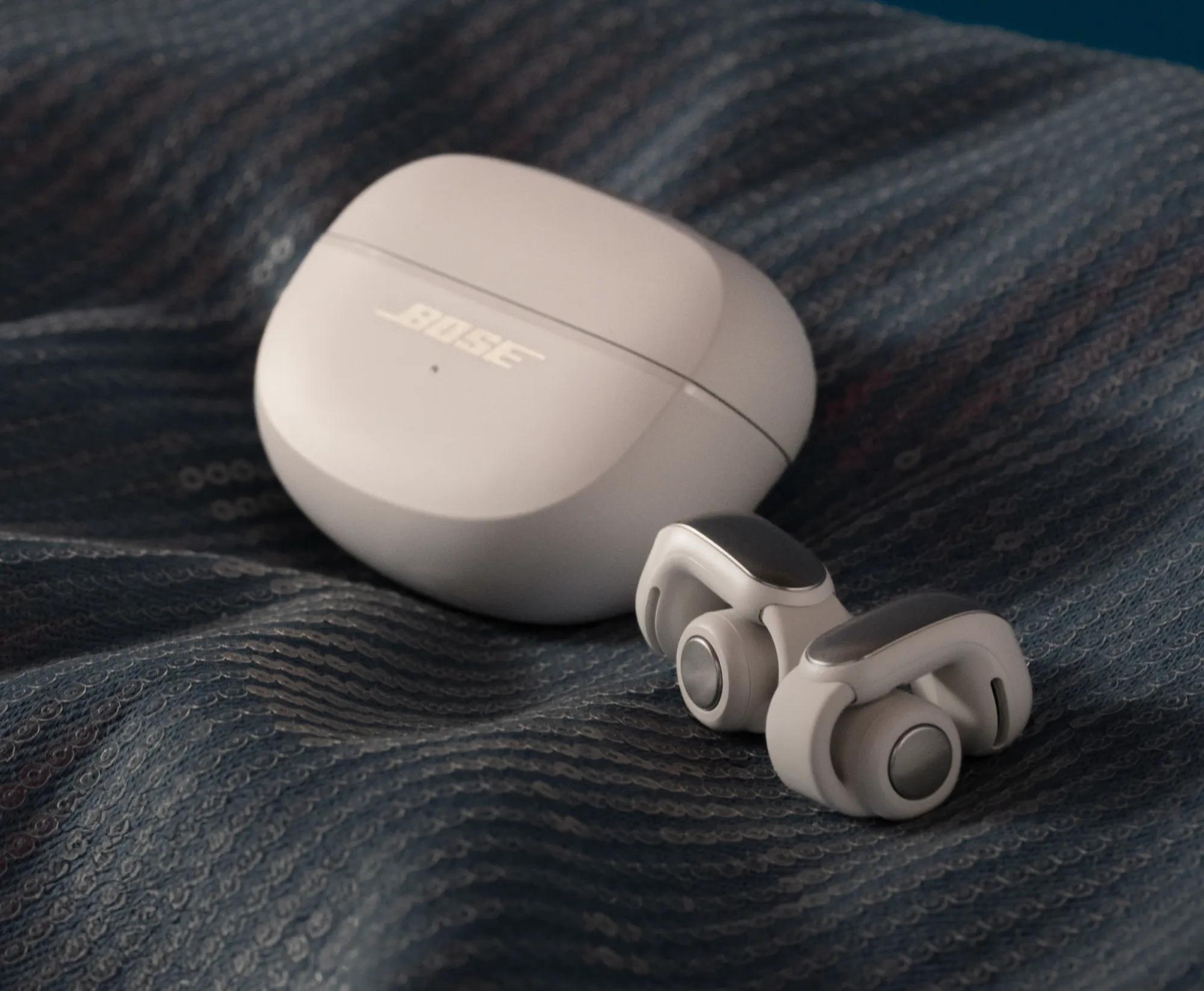
- Open-ear earbuds
- Noise-canceling earbuds
- Sports and waterproof earbuds
These categories can overlap. A pair of true wireless earbuds may also be in-ear, noise-canceling, and water-resistant. That is why the answer to how many types of earbuds are there depends on the features being measured.
1. Wired earbuds
Wired earbuds connect to a phone, tablet, computer, or music player with a cable. They may use a 3.5-millimeter audio jack or a USB-C connector.
Wired earbuds remain useful because they do not need charging. They also have very low sound delay, which helps when watching videos, playing games, or recording audio.
Benefits of wired earbuds
• No battery charging is needed.
• They usually cost less than wireless models.
• They offer a stable connection.
• Audio delay is often very low.
• They work well with laptops, gaming devices, and audio equipment.
Limitations of wired earbuds
• The cable can tangle in a pocket or bag.
• Some newer phones do not include a headphone jack.
• The wire may catch on clothing during exercise.
• Cable damage can make the earbuds unusable.
Wired earbuds are a smart choice for students, office workers, and anyone who wants simple, reliable audio. They are also useful as a backup pair when wireless earbuds run out of power.

2. True wireless earbuds
True wireless earbuds, often called TWS earbuds, have no cable between the left and right earpieces. Each earbud connects to your phone through Bluetooth.
Most true wireless earbuds come with a charging case. The case stores extra power and protects the earbuds when they are not in use.
Benefits of true wireless earbuds
• They offer complete freedom from cables.
• Small charging cases make them easy to carry.
• Many include touch controls and voice assistant support.
• Premium models may include active noise cancellation.
• They are convenient for calls, travel, and daily use.
Limitations of true wireless earbuds
• They need regular charging.
• Small earbuds can be easy to lose.
• Bluetooth connections may sometimes drop.
• Cheap models may have weak microphones or poor battery life.
• Some people find small earbuds uncomfortable for long periods.
In my experience, the charging case matters almost as much as the earbuds. A case with a strong hinge, clear battery lights, and USB-C charging is easier to live with than a flashy model with a weak case.
When asking how many types of earbuds are there, true wireless models are often the first category shoppers mean. They are now among the most common earbuds sold in the United States.

3. Wireless neckband earbuds
Wireless neckband earbuds have a cable that connects the two earbuds. The cable rests around your neck, while the earbuds connect to your device through Bluetooth.
This design sits between wired and true wireless earbuds. You get wireless freedom from your phone, but the earbuds remain connected to each other.
Why choose neckband earbuds?
• They are harder to lose than true wireless earbuds.
• Many offer longer battery life.
• The neckband can hold physical controls and a larger battery.
• They are easy to remove without placing them in a case.
• Some models provide a secure fit for exercise.
Drawbacks to consider
• The neckband may feel warm or noticeable.
• They are less compact than true wireless earbuds.
• The design is not ideal for sleeping.
• Many newer models have fewer options than TWS earbuds.
Neckband earbuds can work well for commuters and runners who often remove their earbuds. They are also helpful for people who dislike handling very small earbuds.

4. In-ear earbuds
In-ear earbuds sit partly inside the ear canal. Most use silicone ear tips in several sizes to create a snug seal.
This design often produces strong bass because the ear tip blocks some outside sound. A good seal can also improve passive noise isolation, which means the earbud reduces outside noise without electronic processing.
Benefits of in-ear earbuds
• They often provide clear bass and a full sound.
• Multiple ear tips allow a more personal fit.
• They can stay secure during movement.
• They may reduce outside noise.
• They are common in premium wireless and wired models.
Possible problems
• The seal may feel uncomfortable for some users.
• Poorly fitted tips can cause pressure or ear fatigue.
• Earwax can collect on the speaker mesh.
• Sharing in-ear earbuds is not very hygienic.
Try each ear tip size before judging the sound. A tip that is too small may create weak bass and allow the earbud to slip. A tip that is too large may feel tight after only a short time.
Among the types of earbuds available today, in-ear models offer one of the best balances of sound quality, portability, and noise control.
5. Half-in-ear earbuds
Half-in-ear earbuds rest in the outer ear instead of sealing inside the ear canal. Classic EarPods are a familiar example of this design.
They are often more comfortable for people who dislike the pressure of silicone ear tips. However, the loose fit may allow more outside sound to enter.
Advantages of half-in-ear earbuds
• They feel light and open.
• They do not create as much pressure inside the ear canal.
• They are easy to put on and remove.
• Voices and traffic may remain easier to hear.
• They can be comfortable for office work.
Disadvantages of half-in-ear earbuds
• They may fall out during running or fast movement.
• Bass can sound weaker without a tight seal.
• Outside noise can cover quiet parts of music.
• Fit varies widely from person to person.
Half-in-ear earbuds are a good match for casual listening, phone calls, and relaxed work. They may not be the best option for loud gyms, airplanes, or busy train rides.

6. Open-ear earbuds
Open-ear earbuds let you hear music while keeping your ear canals open. Some sit near the ear, while others use bone or air conduction to send sound toward the inner ear.
This design is popular with runners, cyclists, and workers who need awareness of their surroundings. It can help you hear traffic, announcements, or a coworker speaking nearby.
Benefits of open-ear earbuds
• They keep the ear canal open.
• They improve awareness of nearby sounds.
• They can feel comfortable during long use.
• They are useful for outdoor activities.
• They reduce the plugged-up feeling some users dislike.
Limitations of open-ear earbuds
• Bass may not feel as strong as it does with sealed earbuds.
• Loud environments can overpower the music.
• Sound may leak, depending on the design and volume.
• They are not ideal for private listening in quiet places.
Open-ear earbuds should not be treated as a guarantee of safety. A runner still needs to watch traffic and stay aware. Also, listening at a high volume can harm hearing even when the ear canal is open.

7. Noise-canceling earbuds
Noise-canceling earbuds use microphones and electronic processing to reduce outside sound. There are two main forms: passive noise isolation and active noise cancellation.
Passive isolation comes from the physical seal of the ear tip. Active noise cancellation, or ANC, creates a sound signal that helps reduce steady background noise such as airplane engines, air conditioners, and bus traffic.
Advantages of noise-canceling earbuds
• They can make travel more comfortable.
• You may hear details at a lower listening volume.
• They help reduce steady background sounds.
• Many include transparency mode for hearing outside audio.
Limitations of ANC earbuds
• ANC uses extra battery power.
• Performance varies between brands and ear shapes.
• Wind can affect microphone-based noise control.
• They usually cost more than basic earbuds.
Noise cancellation does not remove every sound. Sudden voices, alarms, and sharp noises may still be heard. For safety, use transparency mode or remove the earbuds when you need full awareness.
When people ask how many types of earbuds are there, noise-canceling earbuds deserve a separate mention because ANC is a major feature category, not only a physical shape.

8. Sports and waterproof earbuds
Sports earbuds are designed for movement. They may include ear hooks, stabilizing fins, textured surfaces, or a more secure shape.
Many sports models also have an IP rating. This rating shows resistance to dust or water under specific test conditions. For example, an IPX4 rating generally means protection from water splashes, while higher ratings may offer stronger water resistance.
Features to look for
• A secure fit that does not loosen during movement.
• Sweat or water resistance suited to your activity.
• Simple controls that work during exercise.
• A microphone that performs well outdoors.
• A case that is easy to carry.
Do not assume that waterproof means safe for swimming. Most earbuds are built for sweat, rain, or splashes, not deep water. Always check the manufacturer’s instructions before using earbuds in a pool.
In my testing experience, comfort is more important than extra bass during exercise. A slightly less powerful pair that stays in place is far better than a premium pair that needs constant adjustment.
How to choose the right type of earbuds
The best earbuds depend on how and where you plan to use them. Start with your daily routine instead of choosing based only on brand or appearance.
Use these questions as a simple guide:
- Do you need a cable-free design?
Choose true wireless earbuds if you want maximum freedom. Choose neckband earbuds if you want the earbuds to remain connected to each other.
- Do you need to hear your surroundings?
Choose open-ear or half-in-ear earbuds. They may be better for outdoor walks, office use, and situations where awareness matters.
- Do you travel often?
Look for in-ear earbuds with effective ANC, a comfortable seal, and a long-lasting charging case.
- Do you exercise?
Choose sports earbuds with a secure fit and a suitable IP rating. Ear hooks can help if standard earbuds keep falling out.
- Do you dislike charging?
Wired earbuds are the simplest choice. They are also useful for devices that support USB-C or a traditional headphone jack.
- Do you make many calls?
Check microphone tests, wind handling, and voice pickup. A good music rating does not always mean excellent call quality.
Comfort should be your first filter. Even the best-sounding earbuds are a poor choice if your ears hurt after 20 minutes.
Earbud features that matter most
The number of features can make shopping confusing. Focus on the options that affect your real use.
Bluetooth version
Newer Bluetooth versions can improve efficiency, connection stability, and device support. However, the Bluetooth version alone does not guarantee better sound. Codec support, antenna design, software, and phone compatibility also matter.
Battery life
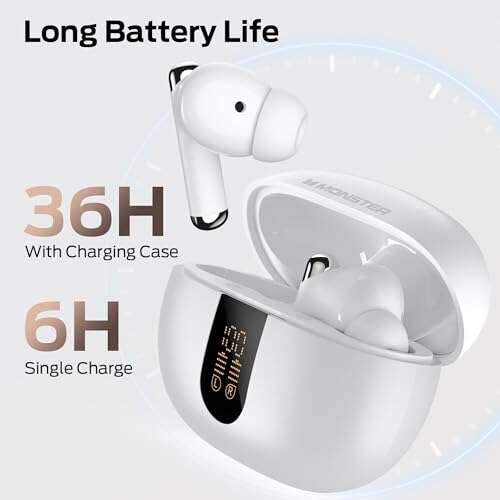
Check both earbud battery life and total battery life with the case. A pair that lasts six hours per charge may provide 24 hours when the case is included.
Audio codecs
Codecs control how audio travels over Bluetooth. Common examples include SBC, AAC, and aptX. Compatibility depends on both the earbuds and the source device.
Transparency mode
Transparency mode uses microphones to bring outside sound into the earbuds. It is useful for announcements, conversations, and walking near traffic.
Controls
Touch controls look modern, but physical buttons may be easier to use when your hands are wet or cold. Check whether you can control volume, playback, calls, and listening modes.
Hearing safety
The World Health Organization advises keeping personal listening devices at a safe volume and taking breaks. A simple habit is to lower the volume in quiet places and avoid wearing earbuds for many hours without rest.
Common mistakes when buying earbuds
People often focus on brand names and overlook fit. That can lead to wasted money and poor daily comfort.
Avoid these mistakes:
• Buying earbuds without checking the return policy.
• Assuming expensive earbuds fit every ear.
• Choosing ANC without checking battery life.
• Ignoring the IP rating for sports use.
• Judging sound quality from specifications alone.
• Using the largest ear tip because it seems more secure.
• Forgetting to clean the speaker mesh and charging contacts.
• Wearing earbuds at high volume to overcome outside noise.
One useful lesson is to test earbuds during the activity where you will use them. Walk with them, make a call, adjust the controls, and wear them for at least 30 minutes if possible.
Frequently asked questions about how many types of earbuds are there
How many types of earbuds are there based on design?
There are several design types, including wired, true wireless, neckband, in-ear, half-in-ear, open-ear, noise-canceling, and sports earbuds. These groups can overlap because one pair may belong to several categories.
What is the most popular type of earbuds?
True wireless earbuds are among the most popular because they are compact, easy to carry, and free from cables. Their popularity also comes from features such as ANC, touch controls, and charging cases.
Are wired earbuds better than wireless earbuds?
Wired earbuds offer a stable connection and do not need charging. Wireless earbuds provide greater freedom and convenience, so the better choice depends on your device, routine, and priorities.
Which type of earbuds is best for running?
Sports earbuds or open-ear earbuds are usually best for running. Choose a secure fit, sweat resistance, and a design that lets you stay aware of nearby traffic.
What type of earbuds is best for traveling?
In-ear noise-canceling earbuds are a strong choice for travel because they can reduce steady sounds from airplanes, trains, and buses. A comfortable fit and long battery life are also important.
Are open-ear earbuds safer?
Open-ear earbuds can make it easier to hear your surroundings, but they do not remove all listening risks. Keep the volume moderate and remain alert near roads, bicycles, and other hazards.
Do all earbuds fit the same way?
No. Ear shapes vary, so the same earbuds may feel secure for one person and loose for another. Different ear tips, hooks, and open designs can help you find a better fit.
Conclusion
There are eight practical types of earbuds, but the categories often overlap. Wired, true wireless, neckband, in-ear, half-in-ear, open-ear, noise-canceling, and sports earbuds each serve a different purpose.
The right choice depends on comfort, connection, sound, battery life, durability, and your daily routine. Start with fit and use case, then compare features and price. Try the style that matches your needs, and explore more audio guides to make your next purchase with confidence.

Everett Ashford is a tech reviewer at mytechgrid.com specializing in SSDs, cameras, TVs, earbuds, headphones, and other consumer electronics. He provides honest, data-driven reviews based on hands-on testing and real-world performance analysis. Everett simplifies complex tech details to help readers make smart, confident buying decisions.