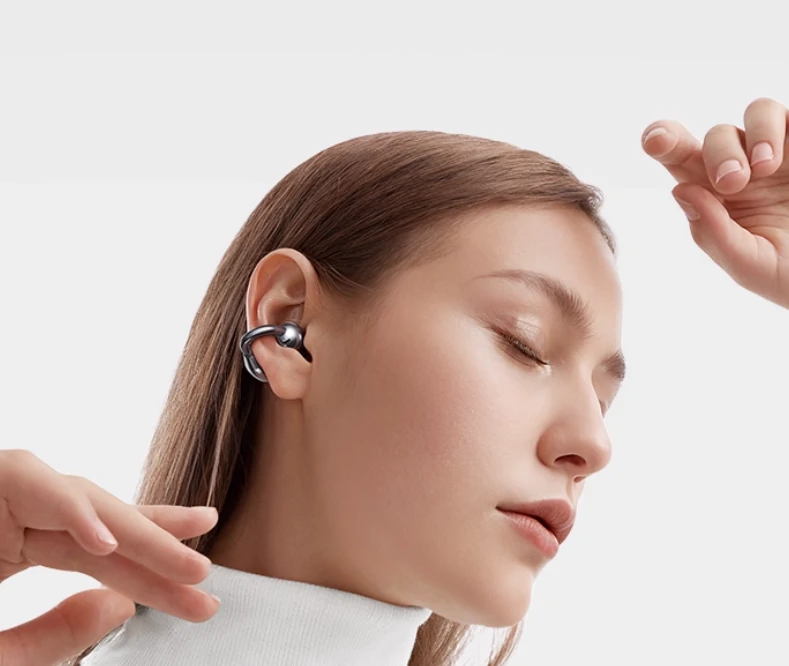
Clip-on earbuds sit securely when the clip follows your ear’s natural curve and the speaker rests near your ear canal.
Learning how to wear clip-on earbuds is simple, but small adjustments make a big difference. The right position improves comfort, sound, stability, and awareness of your surroundings. This guide explains the process clearly, including fit tips, common mistakes, cleaning, and safety advice.

What Are Clip-On Earbuds?
Clip-on earbuds use a small hook or clip that rests around the outer ear. Unlike standard in-ear earbuds, they do not always rely on a silicone tip inside the ear canal. Some models sit just outside the ear, while others use a soft ear hook for added support.
There are three common types:
• Ear-clip earbuds attach to the outer edge of the ear.
• Ear-hook earbuds loop behind the ear and hold the speaker in place.
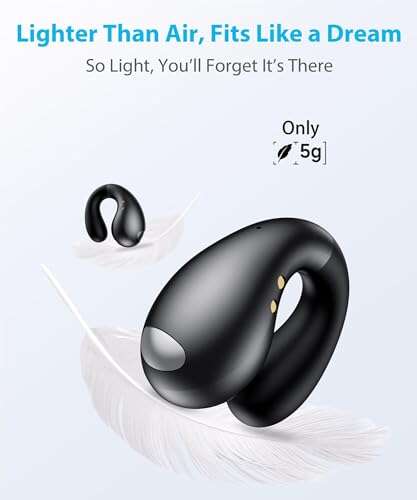
• Open-ear clip earbuds sit near the ear canal without blocking it fully.
The design affects how you wear clip-on earbuds. A clip model needs careful alignment with the ear’s outer curve. An ear-hook model needs a smooth fit behind the ear. Open-ear models need the speaker placed close enough for clear sound but not pressed against the ear.

How to Wear Clip-On Earbuds Correctly
Follow these steps before you start moving, exercising, or making calls.
1. Check the Left and Right Sides
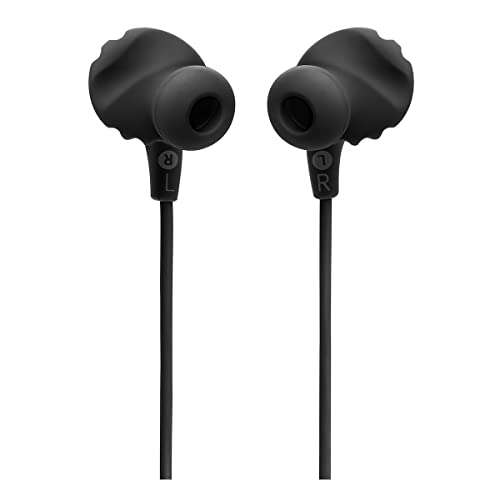
Look for the letters “L” and “R” on the earbuds. The left earbud belongs on your left ear, and the right earbud belongs on your right ear.
This may seem obvious, but reversing them can make the clips feel awkward. It can also place the speaker at the wrong angle, which may reduce sound quality.
2. Open the Clip Gently
If the earbuds have spring-loaded clips, open each clip with light pressure. Do not force it wide. A clip should hold the ear without pinching it.
For earbuds with flexible hooks, guide the hook around the top or back of your ear. Let the material bend naturally instead of twisting it sharply.
3. Position the Clip on the Outer Ear
Place the clip on the firm outer part of your ear. The clip should rest securely without pressing hard on the soft earlobe.
The ideal position varies from person to person. In most cases, the clip sits near the upper or middle part of the outer ear. Avoid placing it on a thin edge that may fold or slip during movement.
4. Aim the Speaker Toward the Ear Canal
Turn the speaker toward the opening of your ear. It should point toward the ear canal, but it should not be pushed deep inside.
Think of the speaker like a small flashlight. It does not need to touch the target. It only needs to point in the right direction. This angle often matters more than tight pressure.
5. Adjust for a Light, Stable Fit
Move the earbud a few millimeters at a time. Check whether the clip stays in place when you turn your head, smile, or walk.
A good fit should feel stable but not painful. If the earbud leaves deep marks, causes throbbing, or creates numbness, loosen it or try another position.
6. Test Both Sound and Comfort
Play spoken audio at a low volume. Speech makes it easier to notice muffled or uneven sound.
Then walk around for a few minutes. If the audio cuts out, the speaker may be too far from your ear. If your ear becomes sore, the clip may be too tight or placed on a sensitive area.
How Should Clip-On Earbuds Feel?
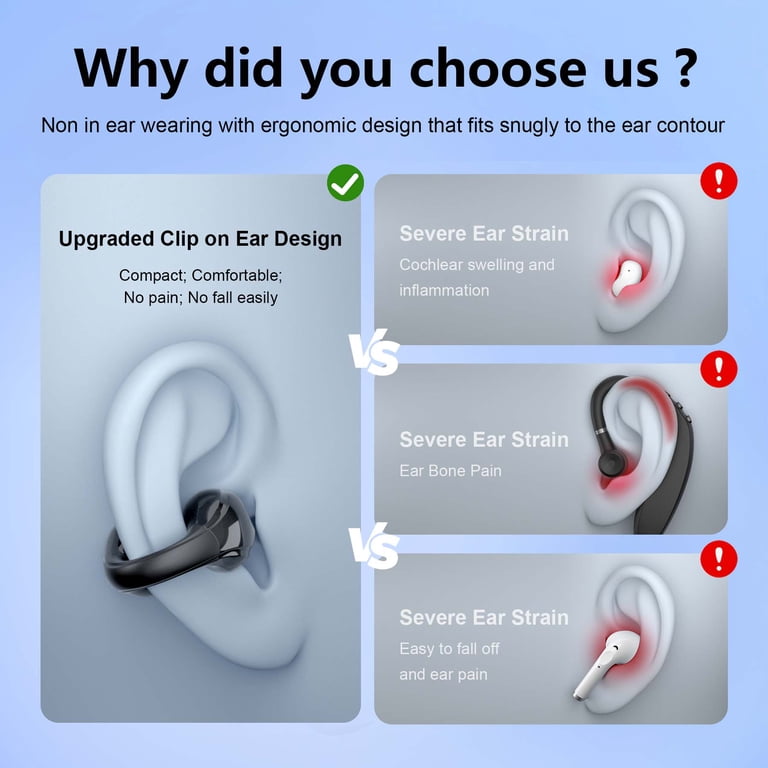
Clip-on earbuds should feel secure, light, and easy to forget. You may notice gentle contact from the clip, but you should not feel sharp pressure or ongoing pain.
Use these signs to judge the fit:
• The earbuds stay in place when you move your head.
• The speaker points toward the ear canal.
• Your ear does not feel pinched.
• Sound stays clear at a moderate volume.
• You can remove the earbuds without discomfort.
A little movement is normal. Ear shape, hair, glasses, and skin moisture can all affect the fit. The goal is not to make the earbuds immovable. The goal is to keep them stable during normal use.
In my practical testing of ear-worn audio devices, the most common mistake is wearing the clip too tightly. Many people assume a tighter fit is safer, but excess pressure often causes soreness and does not always improve stability.
How to Wear Clip-On Earbuds With Glasses
Glasses and clip-on earbuds can work well together, but the order matters. Put on your glasses first, then attach the earbuds around the ear.
This helps you find a position that does not press the clip against the frame. If the earbud hook and glasses arm occupy the same space, move the earbud slightly higher or lower.
Try these adjustments:
• Place the glasses arm between the ear and the outside of the ear hook only if it feels comfortable.
• Move the earbud toward the upper ear if the frame presses on it.
• Choose a thinner ear hook when possible.
• Avoid forcing both devices into the same narrow area.
If you wear hearing aids, cochlear devices, or other hearing equipment, check the manufacturer’s guidance. Clip-on earbuds may create contact, feedback, or interference in some cases.

How to Wear Clip-On Earbuds During Exercise
Clip-on earbuds can be useful for walking, gym workouts, and light running because the clip adds support. Still, no earbud is completely slip-proof. Sweat, movement, and hair can change the fit.
Before exercising, secure the clip and test it with a few movements. Turn your head, bend forward, and lightly jog in place. If the earbud shifts during this test, adjust it before starting your workout.
For better stability:
• Dry your ears before putting on the earbuds.
• Keep hair from covering the clip.
• Use a model with a soft, flexible grip.
• Avoid placing the clip over thick hair.
• Check the fit after heavy sweating.
Do not use noise-isolating earbuds at a volume that blocks important sounds outdoors. The World Health Organization recommends keeping personal audio at a safe level and taking listening breaks. You should still hear traffic, alarms, and nearby people when walking or exercising in public areas.

How to Improve Sound Quality
Correct placement is the first step to better sound. If the speaker points away from the ear canal, music may sound thin and distant. If it sits too far away, voices may lose detail.
Try this simple method:
-
Play a familiar song or spoken recording.
-
Rotate the speaker slightly toward the ear canal.
-
Move it closer without pressing it against the ear.
-
Compare the sound at a low or moderate volume.
-
Stop adjusting when the sound becomes clear and balanced.
Open-ear and clip-on earbuds usually produce a different sound from sealed in-ear models. They may offer less bass because they do not create the same seal. That is a design limitation, not always a defect.
Equalizer settings can help, but software cannot fully correct poor physical placement. Position the earbuds first, then adjust the sound in the companion app if needed.

Common Mistakes to Avoid
Knowing how to wear clip-on earbuds also means knowing what not to do. These errors can cause discomfort, weak sound, or repeated slipping.
Wearing the Earbuds Too Low
A clip placed only on the earlobe may move easily. Try the outer ear instead, where the clip has more structure to grip.
Pointing the Speakers Away
A speaker angled toward the cheek or side of the head may sound quiet. Rotate it toward the ear canal.
Forcing the Clip Open
Stretching a spring clip too far can weaken the hinge or make the fit loose. Open it only enough to place it on your ear.
Ignoring Early Pain
Do not treat pain as something you must “break in.” Some materials soften with use, but sharp pressure usually means the fit or design is wrong.
Wearing Them Over Wet Skin
Sweat and moisture can reduce grip. Dry your ears and the earbuds before putting them on.
Turning Up the Volume Too High
A poor fit often tempts people to raise the volume. This can increase hearing risk. Improve the position first and keep the volume as low as practical.

How to Wear Clip-On Earbuds for Long Periods
Long listening sessions require more than a secure fit. Your ears also need time to rest.
Start with short sessions of 20 to 30 minutes. Notice whether the clip causes redness, tenderness, pressure, or warmth. If your ears feel normal, you can gradually use the earbuds for longer periods.
Take regular breaks, especially when listening to music, podcasts, or online meetings. Remove the earbuds for a few minutes and let your ears rest.
Replace or reposition the earbuds if you notice:
• Persistent soreness
• Skin irritation
• Tenderness behind the ear
• A blocked or pressured feeling
• Ringing after listening
Ringing, muffled hearing, or pain that continues after removing the earbuds deserves attention from a qualified health professional. Earbud comfort varies, so advice that works for one person may not work for another.
Cleaning and Caring for Clip-On Earbuds
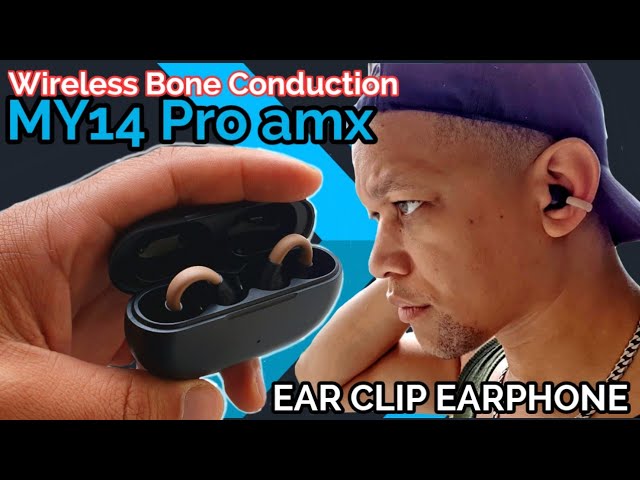
Clean earbuds stay more comfortable and may last longer. Oil, sweat, dust, and skin residue can collect on the clip and speaker grille.
Use this care routine:
-
Remove the earbuds from the charging case.
-
Wipe the clip and outer surface with a soft, dry cloth.
-
Use a dry, soft brush to clear dust from the speaker grille.
-
Follow the manufacturer’s instructions for any disinfecting wipe.
-
Let the earbuds dry fully before charging them.
Do not pour water onto the earbuds or push sharp objects into the speaker opening. Avoid household cleaners unless the product instructions allow them.
Clean the charging contacts as well. Dirt on the contacts can prevent charging, which may look like a battery problem.
How to Wear Clip-On Earbuds Safely
Safe use begins with both fit and awareness. Clip-on earbuds may allow more outside sound than sealed in-ear earbuds, but they can still distract you.
Keep the volume moderate in busy places. Never depend on earbuds to block loud workplace noise or protect your hearing. Use approved hearing protection when working around machinery, concerts, construction equipment, or other strong sound.
For driving, cycling, and walking:
• Follow local laws and safety rules.
• Keep one ear free when appropriate.
• Stay alert to vehicles and warning sounds.
• Do not adjust the earbuds while crossing a street.
• Pause audio when speaking with someone nearby.
The Centers for Disease Control and Prevention notes that repeated exposure to loud sound can harm hearing. Safe listening habits matter more than the earbud style.
How to Choose Better Clip-On Earbuds
The best clip-on earbuds match your ear shape, daily routine, and listening needs. Comfort should come before appearance or extra features.
Consider these points:
• Clip design: Look for a flexible clip with smooth edges.
• Weight: Lightweight earbuds create less pressure during long use.
• Speaker position: Choose a design that can angle toward your ear.
• Water resistance: This helps with sweat, but it does not make every model safe for swimming.
• Battery life: Match the battery to your workday, commute, or workout.
• Controls: Large, simple buttons are easier to use while moving.
• Microphone quality: Important for calls, meetings, and voice notes.
• Stability: Read reviews from people with similar activities and ear shapes.
If you wear glasses, have small ears, or need a secure fit for running, focus on the physical design before choosing features such as spatial audio or app controls.
A Simple Fit Test
Use this five-minute test when learning how to wear clip-on earbuds or trying a new model.
• Minute one: Put the earbuds on and check for pressure.
• Minute two: Play speech and adjust the speaker angle.
• Minute three: Walk and turn your head.
• Minute four: Bend forward and move your jaw.
• Minute five: Remove the earbuds and check for redness or soreness.
The earbuds pass the test when they stay secure, sound clear, and leave no painful pressure. If they fail, adjust the position or try a different clip size.
This test is useful because a fit that feels fine while sitting may fail during movement. Small changes in ear position can become obvious after several minutes.
Frequently Asked Questions About How to Wear Clip-On Earbuds
Should clip-on earbuds go over or behind the ear?
Most clip-on earbuds attach to the outer edge of the ear, while ear-hook models rest behind it. Follow the shape of the clip and place the speaker near the ear canal without forcing it inward.
Why do my clip-on earbuds keep falling off?
They may be placed too low, fitted too loosely, or affected by sweat and hair. Move the clip to a firmer part of the outer ear and check whether the speaker points toward your ear.
Can I wear clip-on earbuds with glasses?
Yes, many people can wear both comfortably. Put on your glasses first, then position the earbuds so the clip and frame do not press against the same area.
Are clip-on earbuds safer than in-ear earbuds?
Clip-on earbuds may help you stay more aware of outside sounds, especially when they use an open-ear design. They can still damage hearing if played loudly for long periods, so moderate volume and listening breaks remain important.
How tight should clip-on earbuds be?
They should be secure but gentle. If the clip causes pain, numbness, deep marks, or lasting redness, it is too tight or poorly positioned.
Can I wear clip-on earbuds while running?
Many clip-on earbuds work well for running when they fit securely and resist sweat. Test them with head movements and light jogging before using them on a longer run.
How do I stop clip-on earbuds from hurting my ears?
Loosen the clip, move it to a different part of the outer ear, and check the speaker angle. If pain continues, choose a lighter model or stop using the earbuds.
Should the speaker touch my ear canal?
No. The speaker should sit near the ear canal and point toward it, but it should not be pushed deep inside. This usually provides a safer and more comfortable fit.
Conclusion
The best way to wear clip-on earbuds is to place the clip on a firm part of the outer ear, aim the speaker toward the ear canal, and adjust until the fit feels stable but gentle. Test the earbuds while moving, keep them clean, and use a moderate volume.
Your ears are not identical, so the perfect position may take a few small adjustments. Try the fit test today, and share your favorite comfort tip or explore more guides on safe listening and earbud care.

Everett Ashford is a tech reviewer at mytechgrid.com specializing in SSDs, cameras, TVs, earbuds, headphones, and other consumer electronics. He provides honest, data-driven reviews based on hands-on testing and real-world performance analysis. Everett simplifies complex tech details to help readers make smart, confident buying decisions.