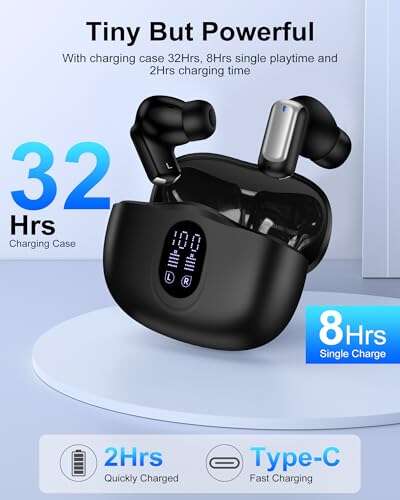
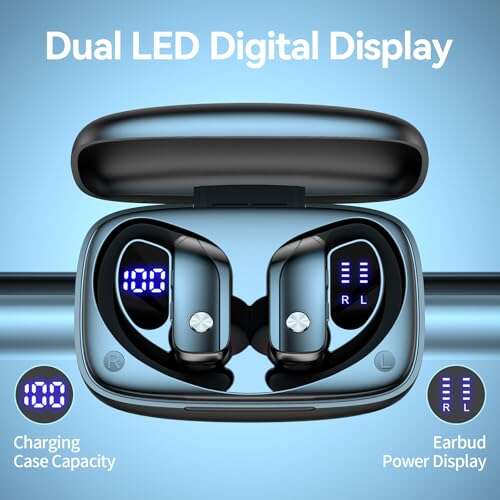
Choose the earbud tip that seals your ear canal gently without pain, pressure, slipping, or muffled sound.
Learning how to tell what size earbuds you need is less about measuring your ears with a ruler and more about finding the right seal. Ear canal shape, tip material, earbud design, and how you use your earbuds all affect the best fit. This guide explains how to test earbud sizes, spot a poor fit, and choose comfortable tips for music, calls, workouts, and travel.
Why earbud size matters
Earbuds sit inside or near the opening of your ear canal. Their size affects comfort, sound quality, noise isolation, and stability. A good fit should feel secure but almost disappear after a few minutes.
The wrong size can create several problems:
• Small tips may loosen, leak sound, and fall out.
• Large tips may feel tight, sore, or blocked.
• A poor seal can weaken bass and reduce active noise cancellation.
• Uneven tips can make one ear sound louder than the other.
• Loose earbuds may require higher volume, which can increase hearing risk over time.
Your ear canals are not always the same size. It is normal to need a small tip in one ear and a medium tip in the other. Many people assume both ears need matching tips, but comfort and seal matter more than symmetry.

How to tell what size earbuds you need
The best method is to test each included ear tip size. Most in-ear earbuds come with small, medium, and large silicone tips. Some sets also include extra-small, extra-large, foam, or double-flange options.
Follow these steps:
-
Start with the medium tips if they are included. Medium is a useful starting point, not a guaranteed answer.
-
Insert the earbuds gently. Do not push them deep into your ears.
-
Twist each earbud slightly until it sits in a stable position.
-
Play music with vocals, bass, and quiet parts.
-
Walk, talk, and move your jaw to test stability.
-
Try the same process with the small and large tips.
-
Keep the size that stays secure and feels comfortable for at least 10 to 15 minutes.
The correct tip should create a light seal. You may notice a small change in outside sound, but you should not feel sharp pressure or pain. If the earbud feels like it is slowly pushing outward, the tip may be too large or the earbud body may not match your ear shape.
A useful rule is simple: choose the smallest tip that seals well. The smallest option is not always best, but oversized tips often cause more pressure and fatigue.

Signs your earbud tips are too small
Small earbud tips do not fill enough of the ear canal. This can make the earbuds unstable and reduce the quality of your listening experience.
Your tips may be too small if:
• The earbuds slip out when you walk or speak.
• Bass sounds weak or thin.
• Outside noise remains clear during playback.
• Active noise cancellation seems less effective.
• You need to push the earbuds back in often.
• The earbuds feel loose when you open your mouth.
• One earbud sounds quieter because the seal breaks.
Weak bass is one of the clearest signs of a poor seal. Low frequencies need an enclosed space to sound full. If air escapes around the tip, bass can disappear even when the earbuds are working correctly.
Do not solve this problem by turning up the volume right away. First, try a larger tip or adjust the insertion angle. If the earbud still slips, the issue may be the shape of the earbud housing rather than the tip size.

Signs your earbud tips are too large
Large tips can create a tight seal, but tight does not always mean correct. Pressure against the ear canal can become uncomfortable after only a few minutes.
Your tips may be too large if:
• Your ears feel sore during or after use.
• You feel pressure when inserting the earbuds.
• The tips make your ears feel plugged.
• You notice itching or irritation.
• The earbuds cause a dull ache near the ear opening.
• You remove them because your ears feel tired.
• The sound becomes overly closed or boomy.
A large tip can also prevent the earbud from sitting at the correct angle. Instead of resting naturally, it may push the earbud outward. This can lead to slipping, even though the tip feels tight.
If you feel pain, remove the earbuds and try a smaller size. Never force an earbud into your ear canal. Pain is not a normal part of getting a good seal.

Use the seal test to find the right size
A seal test helps you compare earbud tip sizes in a controlled way. It is especially useful for earbuds with noise cancellation or a companion app.
Start by playing a familiar song at a low or moderate volume. Choose a track with clear vocals and steady bass. Then compare the sound with each ear tip size.
Check for these changes:
• Bass should sound present but not muddy.
• Voices should sound clear and centered.
• Outside noise should become softer.
• The earbud should stay in place when you move your head.
• Both ears should sound balanced.
Some earbuds offer an ear tip fit test in their mobile app. These tests use the microphones to estimate whether the seal is good. They can be helpful, but they are not perfect. A result marked “good” does not mean the tips will feel comfortable for a long listening session.
Your own comfort still matters most. If an app recommends a size that causes pain, choose a more comfortable option and adjust the earbud position.

Test earbuds with movement, speech, and daily tasks
A tip that feels perfect while sitting still may fail during daily use. Ear movement changes when you chew, smile, talk, exercise, or turn your head.
Try your earbuds in several situations:
• Walk around your home for five minutes.
• Turn your head from side to side.
• Open and close your mouth.
• Speak in a normal voice.
• Bend down to pick something up.
• Take a short walk outdoors.
• Use them during a light workout if they are designed for exercise.
If an earbud loosens when you talk, the tip may be too small. However, movement can also come from the earbud’s shape, weight, or wing design. In that case, a different tip may help, but a different earbud model could be the better answer.
A practical lesson from fitting many types of earbuds is that people often test only for sound. Comfort and movement matter just as much. The best earbud size is the one that works after 30 minutes, not just during the first 30 seconds.
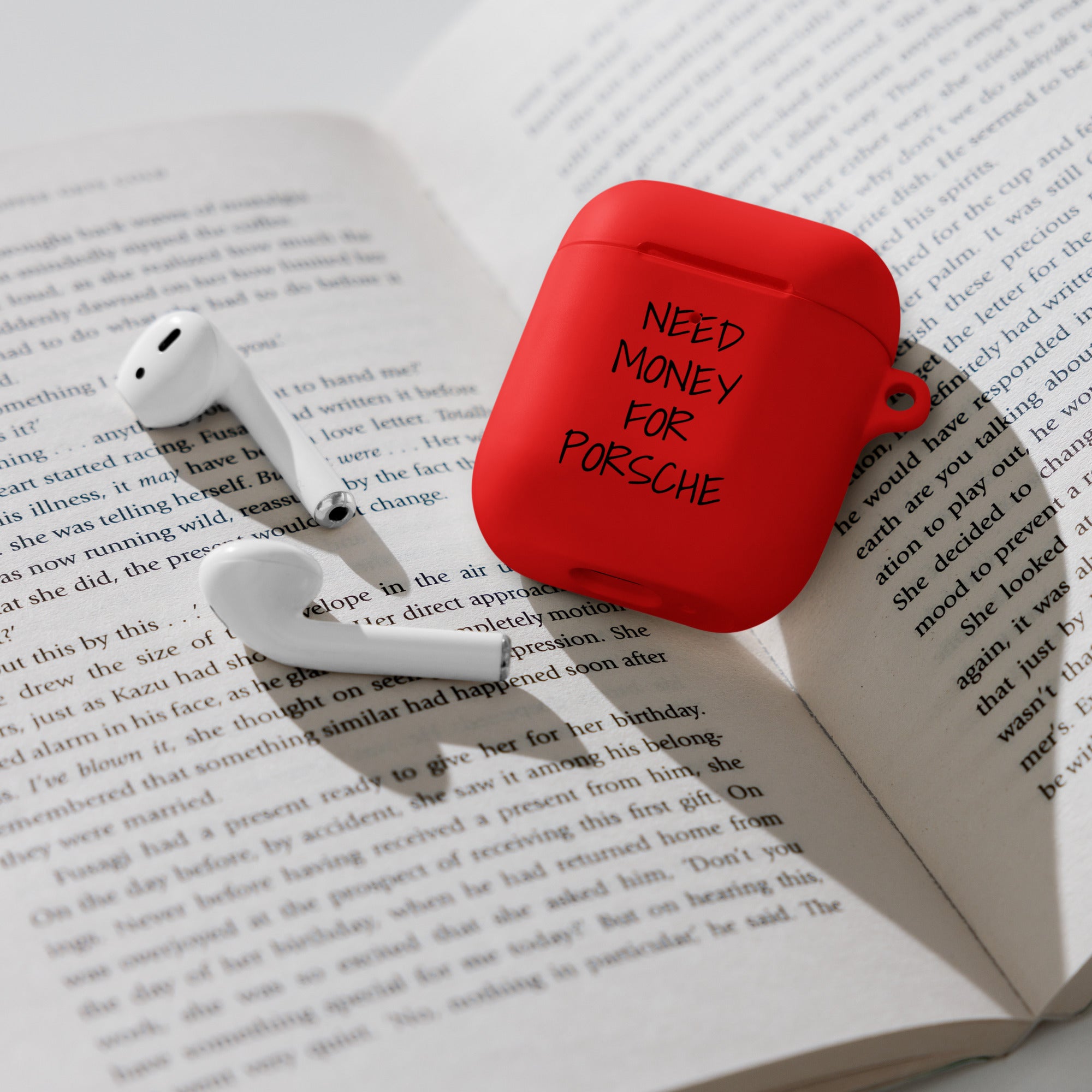
How ear tip material changes the fit
Most earbud tips use silicone. Silicone tips are easy to clean, durable, and available in many sizes. Their smooth surface works well for daily listening and exercise.
Foam tips compress when inserted and expand inside the ear canal. They can provide strong isolation and a secure fit, but they may feel warmer and need more frequent replacement. Foam also requires careful insertion because pushing too hard can cause discomfort.
Common ear tip materials include:
• Silicone: A good general choice for comfort, cleaning, and long-term use.
• Memory foam: Useful for stronger isolation and a more customized seal.
• Hybrid tips: Combine a foam core with a silicone outer layer.
• Double-flange tips: Extend farther into the ear and may improve stability, but they can feel intrusive.
If silicone tips slide out, foam may help. If foam feels hot or irritating, silicone may be better. Material can change the fit as much as size, so do not judge all ear tips by one style.
What to do when your ears need different sizes
Many people have slightly different ear canals. This may happen because of natural anatomy, past ear infections, sleeping position, or simple differences between the left and right side.
Test each ear separately. You might find that the left ear needs a medium tip while the right ear needs a small tip. Some manufacturers sell replacement tip packs, and third-party tips may offer more size choices.
Mark the left and right tips if you often remove them. This small step saves time and helps you maintain a consistent fit.
Do not switch to a larger tip on both sides just because one earbud feels loose. Treat each ear as its own fitting problem. The correct earbud size can differ from one side to the other.
Earbud size is different from earbud shape
Tip size is only one part of fit. The shape and weight of the earbud housing also matter. A large, heavy earbud may fall out even with a well-sealed tip.
Consider these design features:
• Nozzle length: A longer nozzle may sit deeper, while a short nozzle may rest near the ear opening.
• Earbud angle: The angle determines how the tip meets your ear canal.
• Housing size: A bulky body may press against the outer ear.
• Ear wings or hooks: These can improve stability during exercise.
• Stem length: A long stem may change balance and affect how the earbud sits.
If you try every tip size and none feels right, the model may not match your ears. This is not a personal failure or a problem you can always fix with a different tip. Earbuds have different shapes, and some simply fit certain ears better.
How to choose earbud size for exercise
Exercise creates extra movement, sweat, and pressure on the earbuds. A secure fit matters more during running or training than during quiet desk work.
For workouts, look for:
• A tip that stays sealed while you move.
• Sweat or water resistance suitable for your activity.
• Ear wings or ear hooks if standard tips slip.
• A surface that does not become too slippery with sweat.
• Comfortable pressure around the ear opening.
Try your earbuds during a short walk before using them for a long run. If they slip after several minutes, test a different tip or use a model made for sports.
Do not insert earbuds deeper to make them more secure. That can increase pressure and may irritate the ear canal. A stable fit should come from the right size and design.
How to choose earbud size for glasses and hearing aids
Glasses, hearing aids, and other devices can affect how earbuds sit. Traditional over-ear hooks may compete for space with eyeglass arms. In-ear models without hooks may be more comfortable for some users.
If you wear hearing aids, ask an audiologist before using in-ear earbuds. The earbud may interfere with the device, create feedback, or cause irritation. Some people may do better with open-ear headphones or specially designed accessories.
For glasses wearers, test the earbuds while wearing your normal frames. A fit that works without glasses may shift when the frames are in place. Small changes in pressure can become noticeable over a long listening session.
Common mistakes when choosing earbud tips
Finding the right earbud size is easier when you avoid a few common errors.
• Using the same size in both ears without testing.
• Choosing the largest tip because it blocks the most noise.
• Choosing the smallest tip because it feels less noticeable at first.
• Testing only while sitting still.
• Pushing the earbuds deep into the ear.
• Judging fit after only one minute.
• Ignoring pain, itching, or pressure.
• Cleaning tips with harsh chemicals that damage the material.
• Turning up the volume to compensate for a poor seal.
One mistake I often see is changing the earbud position again and again instead of testing another tip. Small adjustments help, but they cannot fix a size mismatch. Change one factor at a time so you know what improves the fit.
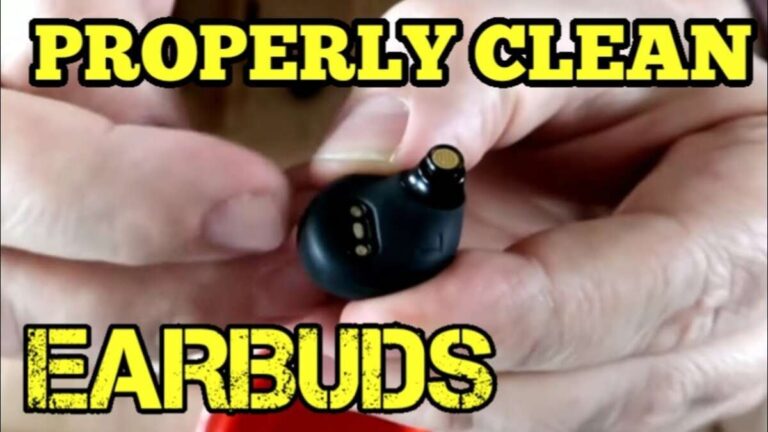
Clean your ear tips regularly with a soft, dry cloth. Remove silicone tips before cleaning them, and let them dry fully before reattaching them. Wax and skin oil can make tips slippery and reduce the seal.
How to know when to replace earbud tips
Ear tips wear out over time. Silicone can become loose, cloudy, cracked, or less flexible. Foam loses its ability to expand and may no longer create a reliable seal.
Replace your tips when:
• They no longer stay attached to the nozzle.
• The silicone feels stiff or damaged.
• The tips have cracks or tears.
• The earbuds keep slipping despite correct insertion.
• Cleaning no longer removes buildup.
• Foam tips do not expand as they once did.
Replacement timing depends on use, cleaning, sweat, and material. People who use earbuds daily may need replacements more often than occasional listeners. Always choose tips that match the nozzle size and locking design of your earbuds.
Earbud safety and comfort tips
The right earbud size can improve comfort, but it does not remove all hearing risks. Listening too loudly for too long can contribute to hearing damage. Many hearing specialists recommend keeping volume moderate, taking listening breaks, and reducing exposure to loud environments.
Use these habits:
• Keep the volume low enough to hear nearby sounds when safe.
• Take regular breaks during long listening sessions.
• Avoid wearing earbuds through ear pain or irritation.
• Keep ear tips clean and dry.
• Do not share earbuds without cleaning them.
• Stop using earbuds if you notice lasting ringing, pain, drainage, or reduced hearing.
A well-sealed earbud may make music sound louder and fuller. This can help you avoid raising the volume, but it can also make high volume feel less obvious. Use your device’s volume limits when available.
Frequently asked questions about how to tell what size earbuds you need
How do I know if my earbud tips are too small?
Your tips may be too small if the earbuds slip, lose bass, or let in too much outside noise. Try the next larger size and compare comfort, seal, and stability.
Should both ears use the same earbud size?
Not always. Your left and right ear canals can have different shapes, so one ear may need a small tip while the other needs a medium or large tip.
Are bigger earbud tips better for noise cancellation?
Bigger tips are not automatically better. The best noise cancellation usually comes from a comfortable seal, and an oversized tip can cause pain or push the earbud out of position.
Why do my earbuds hurt after a few minutes?
The tips may be too large, the earbuds may be inserted too deeply, or the housing may not match your ear shape. Try a smaller tip, adjust the angle, and stop using the earbuds if pain continues.
Can I use foam tips instead of silicone tips?
Yes, if the foam tips fit your earbud nozzle and are designed for that model. Foam tips may improve isolation and stability, but they can feel warmer and may wear out faster.
Why do my earbuds keep falling out even with the right size?
The earbud housing, nozzle angle, weight, sweat, or ear shape may be causing the problem. Try a different tip material or a sport model with wings or hooks.
Conclusion
Knowing how to tell what size earbuds you need comes down to testing the seal, comfort, and stability in each ear. Start with medium tips, compare smaller and larger options, and test the earbuds while walking, talking, and moving. Remember that different ears may need different sizes, and the best tip is the smallest one that seals without pain.
Take a few minutes to test your current earbuds today. A better fit can improve sound, reduce the need for high volume, and make long listening sessions much more comfortable. Share your fitting experience or explore more headphone guides to make your next audio purchase with confidence.

Everett Ashford is a tech reviewer at mytechgrid.com specializing in SSDs, cameras, TVs, earbuds, headphones, and other consumer electronics. He provides honest, data-driven reviews based on hands-on testing and real-world performance analysis. Everett simplifies complex tech details to help readers make smart, confident buying decisions.