For most listeners, Sony WH-1000XM5 headphones offer the best mix of sound, comfort, noise canceling, and battery life.
The answer to which wireless headphones are best depends on your ears, phone, budget, and daily routine. A frequent traveler may need strong active noise cancellation, while an iPhone user may value seamless pairing more than studio-level sound. This guide compares the leading models by sound quality, comfort, battery life, microphone performance, features, and value, so you can choose with confidence.
Which wireless headphones are best overall?
For most people, the Sony WH-1000XM5 remains the safest all-around choice. It has rich sound, excellent active noise cancellation, a light fit, and a battery that lasts up to 30 hours with noise canceling enabled.
Sony’s headphones also offer useful controls through the Sony Headphones Connect app. You can adjust the equalizer, change noise control settings, and enable features such as speak-to-chat. The XM5 folds less compactly than the older WH-1000XM4, but its comfort and call quality are strong.
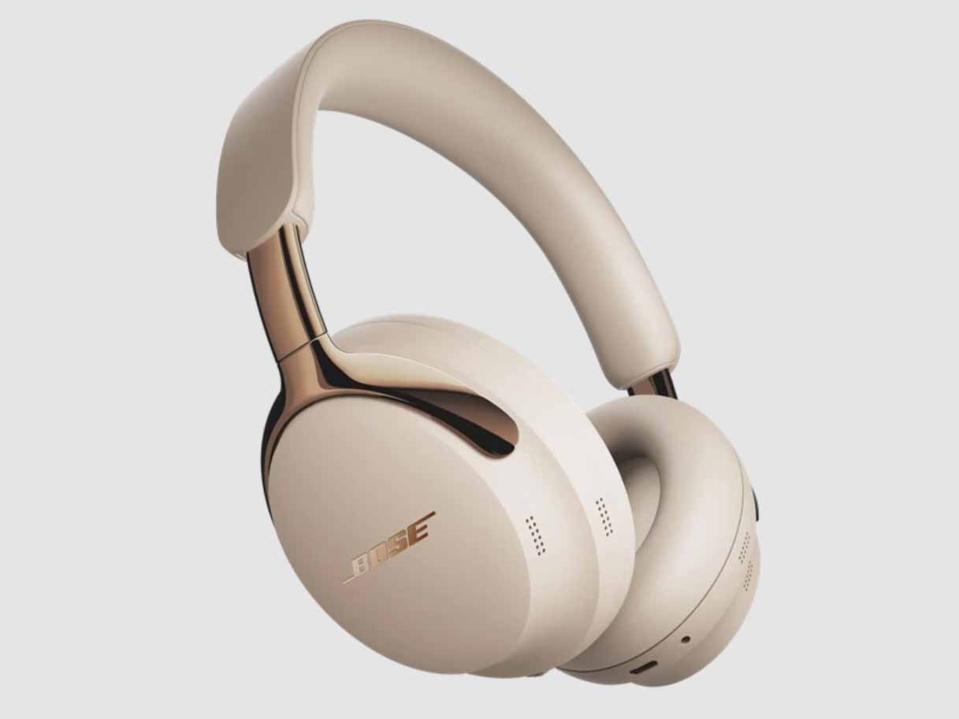
The Bose QuietComfort Ultra is a close rival. It may be better for listeners who want a very comfortable fit and powerful noise blocking. Its immersive audio mode can create a wider sound field, though it can reduce battery life.
Here are the top picks at a glance:
| Best for | Recommended model | Main strength |
|---|---|---|
| Most people | Sony WH-1000XM5 | Balanced performance |
| Best noise canceling | Bose QuietComfort Ultra | Strong noise reduction |
| iPhone users | AirPods Max | Apple device integration |
| Long battery life | Sennheiser Momentum 4 | Up to about 60 hours |
| Best budget choice | Anker Soundcore Space Q45 | Features for the price |
| Best sound-focused choice | Sennheiser Momentum 4 | Detailed, energetic sound |
| Best for calls and work | Bose QuietComfort Ultra or Sony WH-1000XM5 | Clear voice pickup |

The best wireless headphones by use case
The best wireless headphones are not the same for everyone. Your ideal pair should match the places where you listen most.
Best wireless headphones for travel
The Bose QuietComfort Ultra and Sony WH-1000XM5 are excellent travel choices. Both reduce the low rumble of airplanes, trains, buses, and air conditioners.
Bose has a long history of making comfortable noise-canceling headphones. The QuietComfort Ultra feels secure without pressing too hard, which matters during a six-hour flight. Sony offers more sound controls and strong automatic noise adjustment.
Choose Bose if comfort and noise blocking come first. Choose Sony if you want more app features and a more playful sound.
Best wireless headphones for music
The Sennheiser Momentum 4 is one of the strongest choices for music lovers. Its sound is full and clear, with strong bass and good detail in vocals and instruments.
The Momentum 4 also supports high-quality Bluetooth codecs on compatible devices. Keep in mind that codec support depends on your phone, computer, and music service. A premium codec cannot improve a poor recording, but it can help preserve detail in a high-quality source.
Sony’s WH-1000XM5 is also a good music choice. Its default sound is warm, but the app equalizer lets you tune the headphones to your taste.
Best wireless headphones for iPhone users
AirPods Max is the most seamless choice for people who live inside the Apple ecosystem. Pairing is simple, and features such as automatic device switching and spatial audio work smoothly across Apple products.
The main drawbacks are weight, price, and battery life. AirPods Max lasts up to about 20 hours with noise canceling enabled, which is less than many rivals. It also uses a distinctive case that protects the ear cups but does not fully cover the headband.
For many iPhone users, AirPods Pro 2 may be a better daily choice if small earbuds are acceptable. They are not over-ear headphones, but they offer excellent portability and strong noise control.
Best wireless headphones for work
The Sony WH-1000XM5 and Bose QuietComfort Ultra both work well in offices and home workspaces. Their microphones can reduce some background noise, and both support multipoint connections on compatible devices.
Multipoint lets you connect to two devices at once. For example, you can listen to music from a laptop and answer a call from your phone without manually pairing again.
For busy offices, Bose often provides a calmer fit. For people who switch between many settings, Sony offers more customization.
Best wireless headphones for gaming
Wireless headphones made for music can work for gaming, but they may have audio delay. This is most noticeable in fast games, where a tiny delay can affect footsteps or gunshots.
For serious gaming, consider a dedicated wireless gaming headset with a USB transmitter. These models often offer lower latency and a better boom microphone than standard Bluetooth headphones.
The Sony INZONE H9, SteelSeries Arctis Nova 7, and similar gaming headsets are worth considering. However, they are usually larger and less suitable for travel than regular Bluetooth headphones.
Best budget wireless headphones
The Anker Soundcore Space Q45 offers a strong feature list for its price. It includes active noise cancellation, long battery life, an equalizer, and a comfortable design.
It may not sound as refined as Sony, Bose, or Sennheiser models. Its microphone performance can also vary in busy places. Still, it is a smart pick for students, commuters, and buyers who want useful features without spending several hundred dollars.

Which wireless headphones are best for sound quality?
Sound quality depends on more than brand names. A good fit, well-tuned drivers, and a strong Bluetooth connection all affect what you hear.
Look for these sound traits:
• Clear vocals that do not sound buried
• Controlled bass that adds weight without covering detail
• Smooth treble without sharp or tiring highs
• A balanced sound that works with many music styles
• An equalizer for personal tuning
The Sennheiser Momentum 4 often suits listeners who enjoy a lively and detailed sound. Sony offers a warmer presentation with more bass energy. Bose focuses on a smooth, relaxed sound that works well for podcasts, pop, and everyday listening.
A useful tip is to test headphones with familiar songs. Use tracks you know well, including a vocal song, an acoustic recording, and a bass-heavy track. If the headphones make every song sound exciting but hide vocals or cymbals, the tuning may be too strong for long listening.
Bluetooth audio is not the same as wired studio audio. Wireless headphones use compression, even when they support higher-quality codecs. Still, modern Bluetooth headphones can sound excellent for streaming, travel, work, and home use.

Noise cancellation, transparency mode, and sound leakage
Active noise cancellation, or ANC, uses microphones to detect outside sound. The headphones then create an opposing signal to reduce that noise.
ANC works best with steady, low sounds. It is very effective against:
• Airplane engine noise
• Train and bus noise
• Office air conditioners
• Household fans
• Road sounds during a commute
ANC is less reliable with sudden voices, clapping, barking dogs, and sharp high-pitched sounds. No headphones can remove every sound, so be careful when walking near traffic.
Transparency mode does the opposite. It uses microphones to bring outside sound into the ear cups. This helps when you need to hear an announcement, speak with a coworker, or listen for traffic.
Sound leakage is another factor. Over-ear headphones usually leak less sound than open-back models, but loud volume can still bother people nearby. Keep the volume at a safe level, especially during long listening sessions. The World Health Organization warns that loud or extended headphone use can increase the risk of hearing damage.

Battery life and charging
Battery life is one of the clearest differences between wireless headphones.
The Sennheiser Momentum 4 stands out with battery life of up to about 60 hours under stated conditions. Sony WH-1000XM5 and Bose QuietComfort Ultra offer about 24 to 30 hours, depending on settings. AirPods Max offers up to about 20 hours.
Real-world battery life can be lower. Noise canceling, high volume, calls, spatial audio, and Bluetooth features all use more power.
Before buying, check these charging details:
• USB-C charging is now the most convenient standard
• A quick-charge feature can provide hours of playback after a short charge
• Some headphones can play through a cable when the battery is empty
• Wired listening may disable noise cancellation on certain models
• A replaceable battery can extend the product’s useful life
A simple habit helps: charge your headphones while you work or sleep, but avoid leaving them at zero for long periods. If you travel often, carry a short USB-C cable and a small power bank.

Comfort, fit, and build quality
Comfort is personal, so the best wireless headphones should feel good after at least an hour of use. A pair that sounds amazing but causes pressure or heat will stay in a drawer.
Check the following areas:
• Ear cup size and depth
• Headband pressure
• Total weight
• Clamp force
• Padding softness
• Adjustment range
Sony WH-1000XM5 is light and comfortable for many users. Bose QuietComfort Ultra also feels comfortable, especially during long trips. AirPods Max has excellent materials but weighs more than many competing models.
People with glasses should pay close attention to clamp pressure. Tight ear cups can press the arms of glasses against your head. People with larger ears may need deeper ear cushions to avoid contact with the driver housing.
Build quality also matters. Metal can feel premium, but it adds weight. Plastic can feel less luxurious, yet it may make headphones lighter and more comfortable. The best design balances strength, weight, and repairability.
A common mistake is buying based only on appearance. Headphones are furniture for your ears. Comfort should be treated as a core feature, not a small detail.
Wireless features that matter
Modern headphones offer many features, but not all of them improve daily use. Focus on the tools you will actually use.
Multipoint Bluetooth
Multipoint allows two active connections. It is useful for work because you can move from a laptop meeting to a phone call.
App support
A good companion app should let you adjust the equalizer, update firmware, and control noise modes. Sony’s app is especially flexible, while Bose keeps its controls simpler.
Wear detection
Wear sensors pause audio when you remove the headphones. This is convenient, but the feature can sometimes pause music by mistake. Most apps let you turn it off.
Spatial audio
Spatial audio can create a wider, more cinematic sound. It works best with supported movies, games, and music. Some listeners love the effect, while others prefer normal stereo.
Wired listening
A wired option can save battery during flights or long work sessions. Check whether the headphones need power for full sound or noise cancellation when used with a cable.
Voice assistant support
Voice controls can be helpful, but they are not a reason to choose a pair by themselves. Microphone quality and device compatibility matter more.

How to choose the right pair for your budget
Price does not always predict satisfaction. A $400 pair may offer better materials and noise cancellation, but a $150 pair may meet your needs perfectly.
Use this simple process:
-
Decide whether you want over-ear or in-ear headphones.
-
Set a realistic budget before looking at premium features.
-
Choose your top priority, such as comfort, sound, battery life, or ANC.
-
Check compatibility with your phone and computer.
-
Read return rules before buying.
-
Test the headphones for comfort during the return period.
-
Compare the total value, not just the discount price.
Premium headphones are often discounted during holiday sales and major shopping events. However, do not buy an older model only because it has a large discount. Check its battery health, app support, charging port, and replacement ear pad availability.
Refurbished headphones can offer good value when sold by a trusted retailer with a clear warranty. Avoid used pairs with damaged ear cushions, loose hinges, or unknown battery condition.
Which wireless headphones are best: a practical comparison
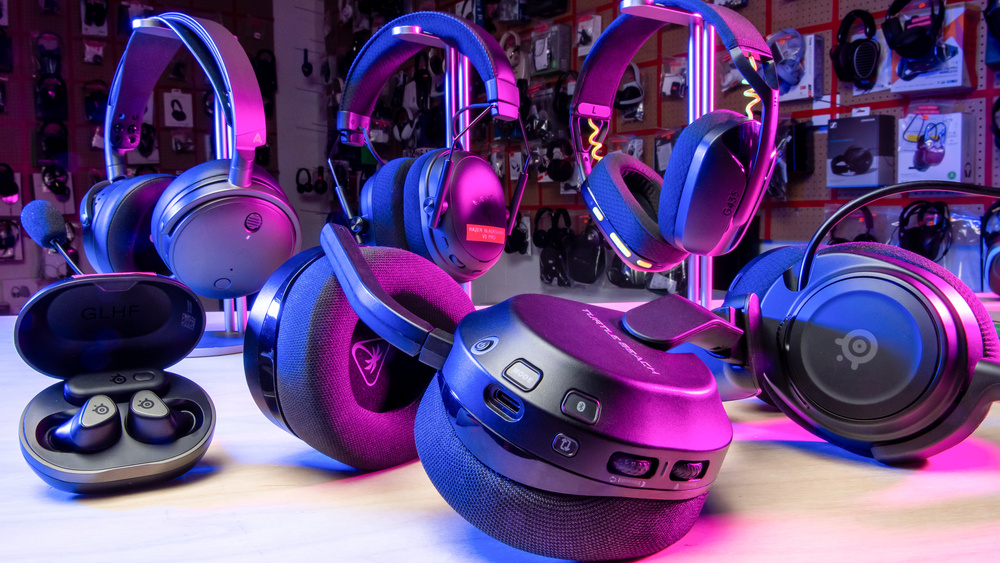
This comparison makes it easier to see which wireless headphones are best for different listeners.
| Model | Best feature | Main limitation |
|---|---|---|
| Sony WH-1000XM5 | Strong all-around performance | Does not fold as small as some older models |
| Bose QuietComfort Ultra | Comfort and noise cancellation | Shorter battery than Momentum 4 |
| Sennheiser Momentum 4 | Sound and battery life | Noise cancellation is not class-leading |
| AirPods Max | Apple integration and spatial audio | Heavy and expensive |
| Anker Soundcore Space Q45 | Low price and useful features | Less refined sound and calls |
| Beats Studio Pro | Easy Apple and Android use | Comfort and ANC vary by listener |
These models are not identical, and personal fit can change the result. Reviews are helpful, but your own ears and head shape matter more than a small score difference.
For most buyers, I would start with Sony WH-1000XM5. For the best long battery life, choose Sennheiser Momentum 4. For comfort and travel, consider Bose QuietComfort Ultra. For Apple users who want automatic device features, AirPods Max is the natural premium option.
Mistakes to avoid when buying wireless headphones
Many headphone problems come from choosing the wrong feature, not from buying a bad product.
Avoid these common mistakes:
• Buying based only on brand reputation
• Ignoring comfort and weight
• Assuming the highest price means the best sound
• Forgetting to check microphone quality
• Overlooking battery replacement options
• Expecting ANC to remove every sound
• Buying headphones that lack multipoint when you need it
• Using a poor fit and then blaming the sound quality
• Listening at unsafe volume levels
One lesson applies to almost every purchase: the right headphones are the ones you will wear often. A slightly less expensive pair that feels comfortable may deliver more value than a premium model that causes pressure after 30 minutes.
Also remember that ear cushions wear out. Sweat, skin oils, and daily use can flatten the padding over time. Replaceable cushions can restore comfort and improve the life of your headphones.
Frequently asked questions about which wireless headphones are best
Which wireless headphones are best for most people?
The Sony WH-1000XM5 is one of the best choices for most listeners because it combines strong sound, effective noise cancellation, comfort, and long battery life. The Bose QuietComfort Ultra is a close alternative for people who value comfort and noise blocking most.
Are wireless headphones better than wired headphones?
Wireless headphones are more convenient because they remove cable clutter and work well with phones, tablets, and laptops. Wired headphones can still offer lower latency, simpler reliability, and better value for serious music work.
Which wireless headphones have the best battery life?
The Sennheiser Momentum 4 offers up to about 60 hours of battery life under stated conditions. Actual battery time changes with volume, noise cancellation, calls, and other features.
Are noise-canceling headphones safe?
Noise-canceling headphones are generally safe when used at a moderate volume. ANC does not replace safe listening habits, so take breaks and avoid turning up the volume to extreme levels.
Which wireless headphones are best for phone calls?
The Sony WH-1000XM5 and Bose QuietComfort Ultra are strong choices for calls in quiet and moderately noisy spaces. For very loud workplaces, a dedicated headset with a boom microphone may perform better.
Do wireless headphones work with every phone?
Most Bluetooth headphones work with both iPhone and Android phones. Some features, such as advanced codecs, automatic switching, and spatial audio, may work only with certain devices.
How long should wireless headphones last?
A well-cared-for pair can last several years, but the battery will slowly lose capacity. Durable hinges, replaceable ear cushions, firmware support, and a useful warranty can extend the product’s life.
Conclusion
The answer to which wireless headphones are best depends on what you value most. Sony WH-1000XM5 is the best all-around pick for many people, Bose QuietComfort Ultra is excellent for comfort and noise cancellation, Sennheiser Momentum 4 leads in battery life and sound, and AirPods Max fits Apple users who want deep ecosystem integration.
Start with your main need, then check comfort, battery life, call quality, device support, and return policies. Choose a pair that fits your real routine, not just a product that looks impressive on a specification sheet. Explore trusted reviews, compare current prices, and share your favorite headphones in the comments.

Everett Ashford is a tech reviewer at mytechgrid.com specializing in SSDs, cameras, TVs, earbuds, headphones, and other consumer electronics. He provides honest, data-driven reviews based on hands-on testing and real-world performance analysis. Everett simplifies complex tech details to help readers make smart, confident buying decisions.