An on-ear headphone rests on your ears, offering a light, compact way to enjoy personal audio.
If you have ever wondered what is an on ear headphone and how it differs from other designs, you are in the right place. After comparing comfort, sound, fit, and daily use across many headphone types, I can explain the design in simple terms and help you decide if it matches your needs.
What Is an On-Ear Headphone?
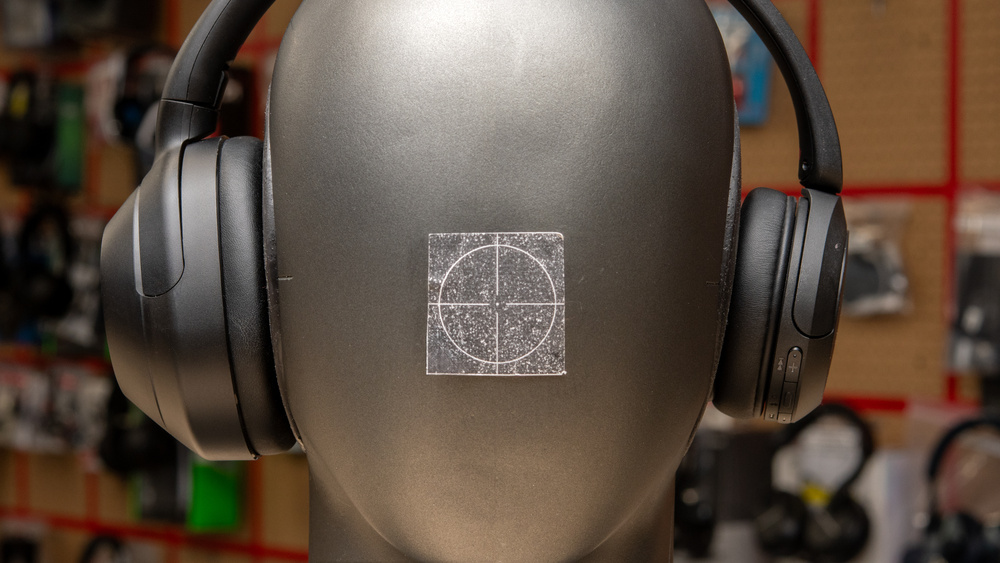
An on-ear headphone is a pair of headphones with small earcups that sit directly on the outer part of your ears. The earcups do not fully surround your ears. Instead, they press gently against them while a headband holds the headphones in place.
This design sits between earbuds and over-ear headphones. It offers more physical space and often better sound than basic earbuds, but it is usually smaller and lighter than over-ear models.
The main features of an on-ear headphone include:
• Compact earcups that rest on the ears
• A padded headband for support
• Wired or wireless connection options
• Open-back, closed-back, or semi-open designs
• Foldable models for travel
• Built-in microphones for calls on many modern models
The answer to what is an on ear headphone is simple, but the listening experience can vary greatly. Padding, clamp force, driver quality, earcup shape, and ventilation all affect comfort and sound.

How Do On-Ear Headphones Work?
An on-ear headphone uses small speaker drivers to turn an electrical audio signal into sound. The drivers sit inside the earcups and send sound toward your ears. The earcups help direct that sound, while the headband keeps the drivers in the right position.
Most models use dynamic drivers. These drivers contain a diaphragm, voice coil, and magnet. When the audio signal reaches the voice coil, it moves the diaphragm back and forth. That motion creates the sound waves you hear.
The earcup design also matters:
• Closed-back earcups block some outside noise and keep more sound inside.
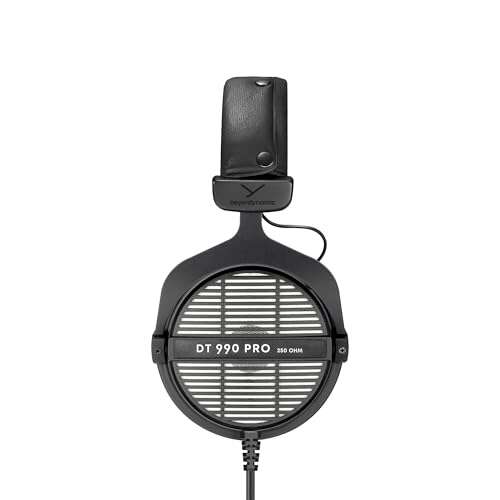
• Open-back earcups allow air to pass through, creating a more natural sound but less isolation.
• Semi-open earcups balance airflow and isolation.
Unlike active noise-canceling headphones, a standard on-ear headphone does not electronically remove background noise. It mainly relies on the earcup fit and its physical materials to reduce outside sound.
This is one reason an on-ear headphone can feel more open than a sealed over-ear model. You may hear more of your surroundings, which can be useful when walking, working in an office, or traveling in a familiar area.

On-Ear vs. Over-Ear Headphones
The biggest difference is how the earcups fit. On-ear models rest on your ears, while over-ear models surround them completely.
An over-ear headphone usually has larger earcups. The cushions form a seal around the ears instead of pressing on them. This can improve bass response and passive noise isolation, but it also adds size, weight, and heat.
| Feature | On-ear headphones | Over-ear headphones |
|---|---|---|
| Earcup position | Rests on the ears | Surrounds the ears |
| Size | Usually smaller | Usually larger |
| Weight | Often lighter | Often heavier |
| Heat buildup | Usually lower | Can be higher |
| Noise isolation | Moderate or limited | Often stronger |
| Portability | Commonly easy to fold | May take more space |
| Ear pressure | Presses on the outer ear | Presses around the ear |
When people ask what is an on ear headphone, they often want to know whether it is better than an over-ear model. Neither design is always better. An on-ear headphone may suit commuting and casual use, while an over-ear headphone may work better for long listening and quiet home use.
In my own testing, the lighter on-ear design felt easier to carry during a full day outside. However, after several hours, some models caused pressure on my ears. That small detail matters more than many shoppers expect.

Benefits of On-Ear Headphones
An on-ear headphone has several useful advantages. Its smaller design makes it a practical choice for people who want more than earbuds without carrying a large headset.
Lightweight and Portable
Most on-ear headphones weigh less than over-ear models. Many fold inward, so they fit inside a backpack, work bag, or small travel case.
This makes them useful for:
• Daily commuting
• School and college use
• Office work
• Air travel
• Walking and light outdoor activity
• Listening with a laptop or tablet
More Comfortable in Warm Weather
Because the earcups do not fully surround your ears, they often allow more airflow. They may feel less warm during summer or during long work sessions.
Still, comfort depends on the cushion and headband. A poorly designed model can create ear pressure even if it stays cool.
Good Awareness of Your Surroundings
Many on-ear models let some outside sound reach your ears. This can help you hear a conversation, a doorbell, or nearby traffic.
That benefit comes with a safety reminder. You should keep the volume low enough to hear important sounds, especially near roads or in busy public places.
Often More Affordable
On-ear headphones are available across many price levels. A basic pair may cost less than a premium over-ear model while still offering clear sound, wireless controls, and a useful microphone.
Price alone does not guarantee quality. Check the fit, battery life, return policy, and independent reviews before buying.

Limitations of On-Ear Headphones
The answer to what is an on ear headphone should include its drawbacks. The design is convenient, but it is not perfect for every listener.
Ear Pressure
The earcups press directly against the outer ear. Some people adjust quickly, while others find the pressure uncomfortable after an hour or two.
You can reduce this issue by choosing:
• Soft memory foam cushions
• A lighter headband
• Adjustable earcups
• Lower clamp force
• A returnable model you can test at home
Avoid stretching the headband too far. It may weaken the frame or reduce the fit.
Limited Noise Isolation
Because on-ear cushions do not surround the ear, they usually block less noise than closed-back over-ear headphones. You may hear engines, voices, and air conditioners more clearly.
Some models include active noise cancellation. However, ANC performance may be less consistent when the earcups do not form a full seal.
Possible Sound Leakage
People nearby may hear a little of your music, especially at high volume. This can be distracting in a quiet library, office, or airplane cabin.
Closed-back designs usually reduce leakage. Lowering the volume also helps protect your hearing and keeps your audio private.
Less Powerful Bass in Some Models
A strong seal often helps produce deep bass. Since on-ear headphones may not seal fully, some models sound lighter in the low frequencies.
This is not always a flaw. Many listeners prefer a balanced sound that keeps vocals and instruments clear. The tuning of the driver matters more than the design alone.
On-Ear Sound Quality and Audio Performance
An on-ear headphone can sound excellent when its drivers and tuning are well designed. The fit affects the result, but it does not decide everything.
Good models can provide:
• Clear speech for podcasts and calls
• Detailed vocals
• Strong instrument separation
• Controlled bass
• Wide enough sound for films and games
• Low distortion at normal listening levels
A loose fit may reduce bass because sound escapes around the ear. A tight fit may increase bass but create discomfort. This is why the same headphone can sound different on two people.
When I compare headphones, I listen to several types of audio. Spoken voice reveals harsh treble and weak mids. Acoustic music shows detail and balance. Electronic music tests bass control. Films reveal whether dialogue remains clear during loud scenes.
Do not judge a headphone only by its bass. Excessive bass can hide vocals and make music tiring. A balanced on-ear headphone often works better for podcasts, music, video calls, and general daily use.

Wired and Wireless On-Ear Headphones
Both wired and wireless on-ear headphones can be good choices. The right option depends on how you listen.
Wired Models
Wired headphones receive audio through a cable. They do not need a battery, and many offer steady sound with very low delay.
They may suit:
• Music production
• Gaming where timing matters
• Long study sessions
• Use with audio equipment
• People who dislike charging devices
The main drawback is cable clutter. Some modern phones also lack a standard headphone jack, so you may need an adapter.
Wireless Models
Wireless headphones connect through Bluetooth. They offer freedom from cables and often include controls for volume, calls, and playback.
Look for features such as:
• Bluetooth 5 or newer
• At least 20 hours of battery life for regular travel
• USB-C charging
• A comfortable microphone
• Multipoint pairing for two devices
• A wired backup mode
Wireless sound quality depends on the Bluetooth codec, device support, and headphone tuning. For everyday listening, a well-tuned model matters more than codec labels alone.
How to Choose an On-Ear Headphone
Before buying, think about where and how you will use the headphones. The best on-ear headphone for a quiet bedroom may not work well on a noisy bus.
Use this checklist:
- Check the fit. The cushions should rest evenly on both ears without sharp pressure.
- Consider weight. Lighter headphones are often easier to wear for long periods.
- Review the battery life. Wireless users should choose a model that covers a normal day.
- Test the controls. Buttons should be easy to find without looking.
- Check microphone quality. This matters for work calls and online classes.
- Decide how much isolation you need. Choose a closed design for more privacy.
- Read return terms. Comfort is personal, so a return option is valuable.
- Check replacement parts. Removable ear pads can extend the life of the headphones.
- Look for volume limits or safe listening controls when buying for children.
- Consider water resistance for light outdoor use, but do not assume every model can handle rain.
A common mistake is buying a headphone based only on appearance. The most attractive model may have a strong clamp, poor padding, or weak call quality. Comfort should be treated as a core feature, not a bonus.
Are On-Ear Headphones Safe for Your Hearing?
An on-ear headphone is not automatically safer or more dangerous than another headphone type. Hearing risk mainly depends on volume, listening time, and personal sensitivity.
The World Health Organization recommends keeping personal audio at a safe level and taking regular breaks. A simple habit is to use the lowest volume that lets you hear clearly. If someone standing nearby can hear your music, the volume may be too high.
You should also watch for warning signs:
• Ringing in the ears after listening
• Muffled hearing
• Ear pain or pressure
• Needing to raise the volume often
• Trouble hearing normal conversation
If these symptoms continue, stop listening and speak with a health professional. Noise-canceling features may help in loud places because they reduce the need to increase volume, but they do not make unlimited listening safe.
Best Uses for On-Ear Headphones
An on-ear headphone works well in situations where portability and awareness matter more than maximum isolation.
Good uses include:
• Listening to music at home
• Watching videos on a laptop
• Taking work calls
• Studying in a quiet place
• Traveling with a small bag
• Listening to podcasts while doing household tasks
• Using a lightweight headset at school
They may be less suitable for loud airplane cabins, noisy construction areas, professional studio monitoring, or people who dislike pressure on the outer ear.
For running, choose carefully. Some on-ear models stay secure, while others slide during movement. Sweat resistance and a stable headband are important, but no headphone should distract you from traffic or other hazards.
Common Mistakes to Avoid
Knowing what is an on ear headphone helps, but shopping mistakes are still easy to make.
• Buying without checking the earcup size
Small cushions may press on the most sensitive part of your ears.
• Ignoring clamp force
A strong clamp can cause discomfort even when the padding feels soft.
• Choosing maximum bass without testing vocals
Heavy bass may sound exciting for a few minutes but tiring over time.
• Forgetting battery aging
Wireless batteries lose capacity as they age. A wired backup can make the headphones more useful.
• Cleaning too rarely
Oil and sweat can damage cushions and create odor. Wipe them with a soft, slightly damp cloth and follow the maker’s care instructions.
• Listening too loudly to overcome outside noise
This can increase hearing risk. A better solution may be a quieter listening space or a model with effective noise cancellation.
Frequently Asked Questions About What Is an On-Ear Headphone
What is an on-ear headphone used for?
An on-ear headphone is used for music, podcasts, movies, gaming, calls, and general personal listening. Its light design makes it especially useful for travel, school, office work, and casual daily use.
Are on-ear headphones better than earbuds?
Neither is always better. On-ear headphones may offer a larger soundstage and easier controls, while earbuds are often smaller and more secure for some activities.
Are on-ear headphones comfortable?
They can be comfortable when the padding is soft and the clamp force is moderate. However, the earcups press on the outer ears, so some people prefer over-ear models for long listening.
Do on-ear headphones block noise?
They provide some passive noise reduction, but usually less than closed-back over-ear headphones. Models with active noise cancellation can block more background sound, although performance varies by design and fit.
Can you sleep while wearing on-ear headphones?
Most on-ear headphones are not ideal for sleeping because the earcups and headband can create pressure. Small earbuds or purpose-built sleep headphones may be more suitable, but safe volume remains important.
Are wireless on-ear headphones worth it?
Wireless models are worth considering if you value freedom from cables and easy device control. Check battery life, Bluetooth stability, microphone quality, comfort, and whether the headphones support wired listening.
How long do on-ear headphones last?
A well-made pair can last for several years with careful use. Battery failure, broken hinges, worn cushions, and damaged cables are common reasons headphones need replacement.
Conclusion
An on-ear headphone rests on the outer ear instead of surrounding it. This creates a compact, lightweight design that can deliver clear sound, easy portability, and useful awareness of your surroundings. Its main limits are ear pressure, modest noise isolation, and possible sound leakage.
Choose a model based on comfort, fit, sound balance, battery life, microphone quality, and your usual listening environment. Keep the volume moderate, take breaks, and use return policies when available. Now that you know what is an on ear headphone, compare a few models with these points in mind and choose the one that fits your ears and your daily routine best.

Everett Ashford is a tech reviewer at mytechgrid.com specializing in SSDs, cameras, TVs, earbuds, headphones, and other consumer electronics. He provides honest, data-driven reviews based on hands-on testing and real-world performance analysis. Everett simplifies complex tech details to help readers make smart, confident buying decisions.