Open-back headphones use vented ear cups that let air and sound move freely through the rear of each driver.
Understanding what makes headphones open back helps you choose the right sound for music, gaming, mixing, or quiet home listening. The design is simple, but its effect is important: you hear a more open presentation, while people nearby can hear your audio too. This guide explains the parts, sound changes, benefits, limits, and best uses in clear, practical terms.
What Makes Headphones Open Back?
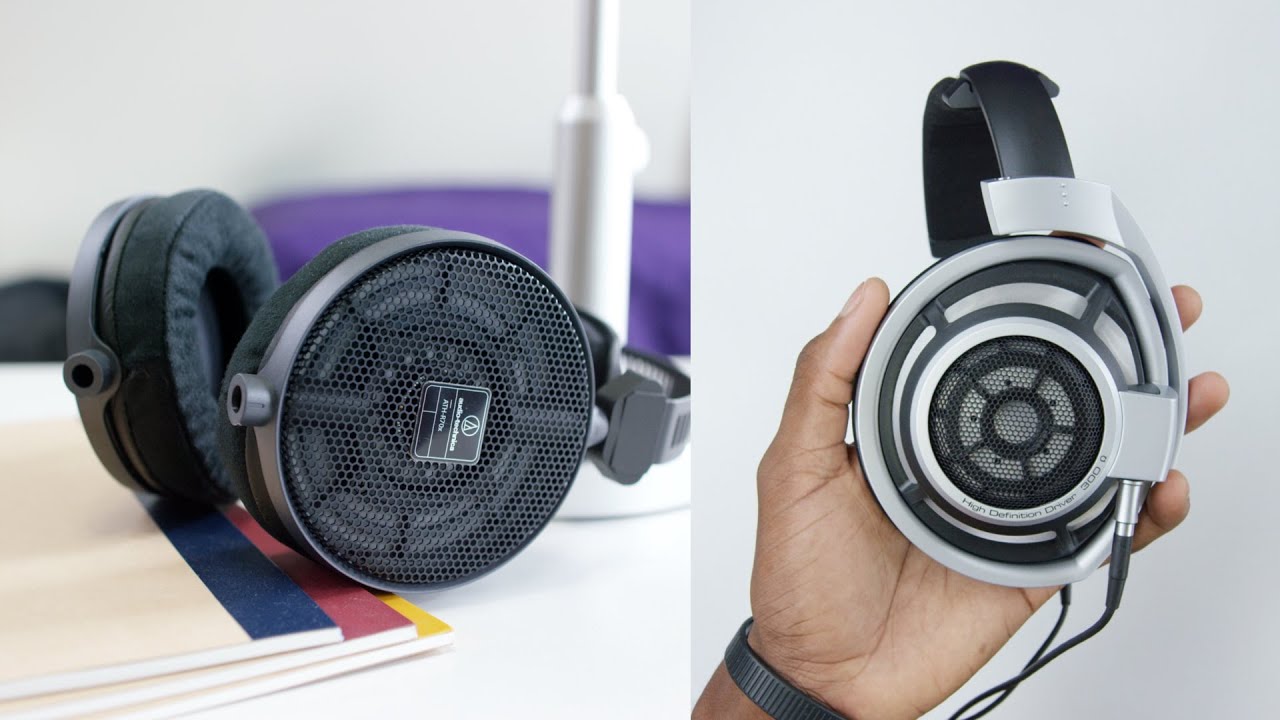
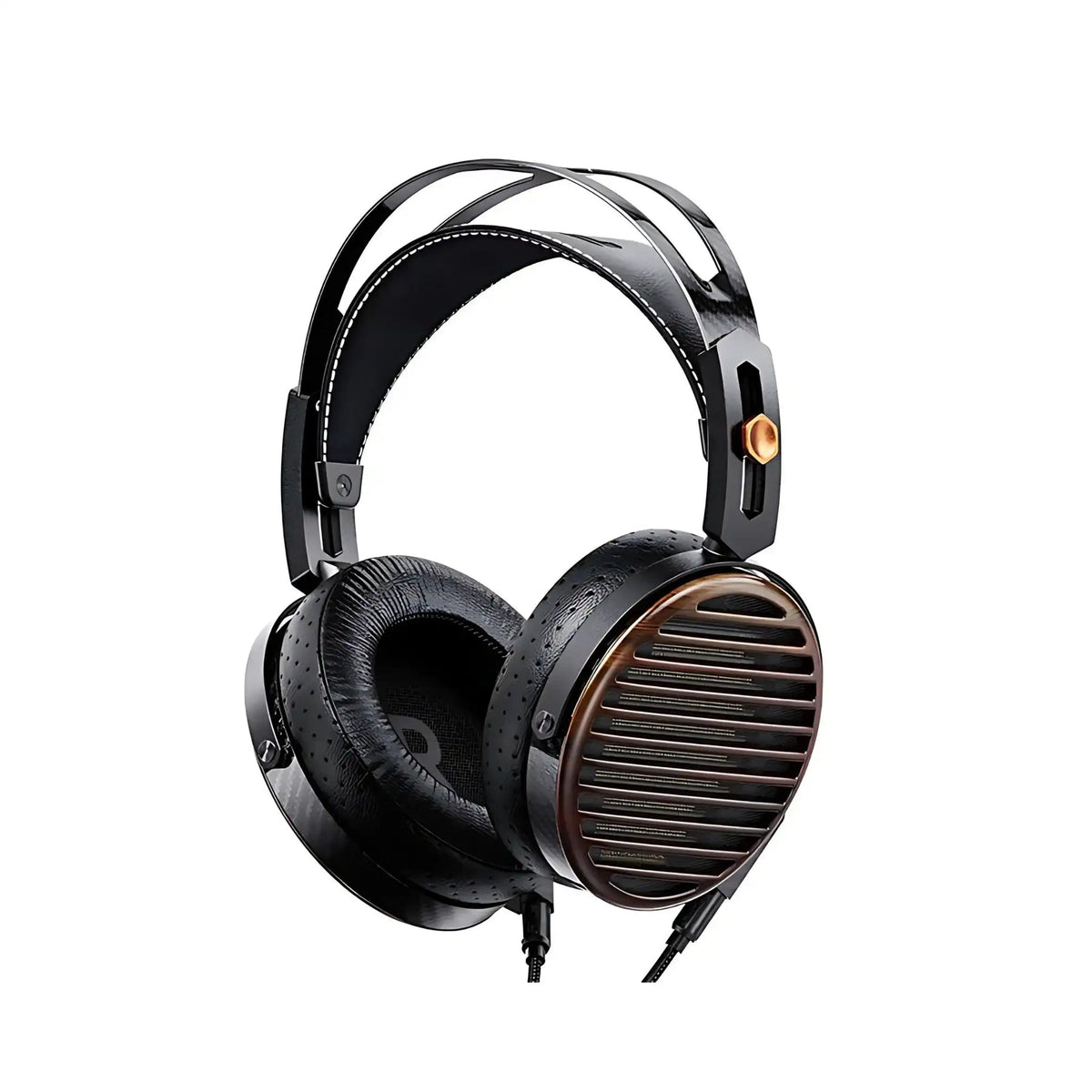
What makes headphones open back is the vented design behind the speaker driver. Instead of sealing the back of each driver inside a closed cup, the ear cup uses a grille, mesh, or series of openings.
The driver is the small speaker that creates sound. In an open-back model, air can move behind the driver with less resistance. Sound also escapes through the rear of the ear cup.
This design does not mean the headphone has no ear cups. It means the back of those cups is acoustically open or highly ventilated.
Common parts that create an open-back design include:
• A perforated outer grille
• Mesh or fabric covering the rear of the cup
• Open vents around the driver housing
• Little or no solid enclosure behind the driver
• Ear pads that focus sound toward the ear without fully sealing the rear
A solid grille alone does not always make a headphone open back. Some closed headphones use decorative vents that do not allow meaningful airflow. The key factor is whether the rear of the driver can exchange air and sound with the room.
How Open-Back Headphones Work
To understand what makes headphones open back, picture a small speaker placed near your ears. A speaker driver moves back and forth to create changes in air pressure. Those changes become the music you hear.
A closed-back headphone traps the rear sound wave inside its cup. An open-back headphone lets that rear wave move out through the grille. This reduces the sense that the sound is trapped inside a small chamber.
The result can feel more natural and spacious. It is similar to listening to speakers in a room rather than placing your head inside a sealed box.
Open-back headphones may also reduce pressure buildup inside the ear cup. Some listeners describe this as a lighter or less “boxed-in” feeling. However, comfort still depends on the headband, ear pads, clamp force, weight, and heat buildup.
The design does not automatically make every headphone sound better. It changes the balance of space, bass behavior, isolation, and sound leakage. A well-tuned closed-back headphone can still sound excellent.

Open-Back vs. Closed-Back Headphones
The clearest way to understand what makes headphones open back is to compare them with closed-back models.
| Feature | Open-back headphones | Closed-back headphones |
|---|---|---|
| Rear cup design | Vented or perforated | Solid and sealed |
| Sound leakage | High | Low |
| Outside noise blocking | Very limited | Moderate to strong |
| Soundstage | Often wider and more airy | Often closer and more direct |
| Bass behavior | Usually loose and natural | Often stronger and more enclosed |
| Best setting | Quiet rooms | Travel, offices, and public spaces |
| Microphone use | Can cause audio bleed | Usually easier to manage |
Open-back headphones are usually best for quiet rooms. Closed-back headphones are more practical when you need privacy or noise control.
For example, an open-back model may be great at a desk while you listen to classical music. It may be a poor choice on a train because outside noise will cover detail, and nearby passengers may hear your playlist.
Neither style wins in every situation. The right choice depends on your room, listening habits, and need for isolation.

Why Open-Back Headphones Often Sound More Spacious
One major reason people ask what makes headphones open back is the wide, natural sound often linked to this design.
With less enclosure around the driver, reflections inside the cup may be reduced. This can help instruments sound less crowded. Vocals may feel more separate from guitars, drums, or orchestral sections.
The effect is often called soundstage. Soundstage describes the perceived width, depth, and placement of sounds. Open-back headphones can make a recording feel more like it is happening in front of you instead of directly inside your head.
This does not mean open-back headphones create true surround sound. They still use left and right channels. The sense of space comes from the headphone’s tuning, driver design, ear pad shape, and the recording itself.
Some recordings show the benefit more clearly than others:
• Classical music can gain a wider sense of hall space.
• Jazz can sound more open around drums and horns.
• Acoustic music may feel less compressed.
• Live recordings can offer a stronger sense of room air.
• Competitive games may provide useful positional detail.
In my own listening comparisons, the biggest mistake is expecting every open-back model to sound wide. Some have a modest stage, while others sound very expansive. Always judge the individual headphone, not just the label.

The Main Benefits of Open-Back Headphones
Knowing what makes headphones open back also helps explain their main advantages.
Natural sound presentation
The open rear can create a relaxed and speaker-like presentation. Many listeners find this useful for long music sessions because the sound does not feel as sealed in.
Strong instrument separation
A spacious design may help you notice small details. You might hear a quiet guitar layer, room reverb, or the texture of a cymbal more clearly.
Less heat and pressure
Open ear cups allow more air movement. They can feel cooler than fully sealed headphones, especially during long sessions. This depends on the ear pads and room temperature.
Useful for mixing and editing
Many audio professionals use open-back headphones for critical listening in quiet rooms. The design can reveal stereo placement, background noise, clicks, and tonal balance.
Open-back headphones are not a complete replacement for studio monitors. The room, headphone frequency response, and individual hearing all affect accuracy. Still, they can be a valuable monitoring tool.
Comfortable long-session listening
A gentle, open presentation may reduce listening fatigue for some people. This is personal, though. Bright treble, heavy clamp, or poor pads can still cause discomfort.

The Limitations of Open-Back Headphones
The same features that explain what makes headphones open back also create several drawbacks.
They leak sound
People near you may hear your music, podcasts, or game audio. At a moderate volume, the leakage can still be noticeable in a quiet room.
They provide little isolation
Open-back headphones do not block outside noise well. A fan, television, conversation, or air conditioner may cover quiet details in your music.
They are unsuitable for many public places
Avoid using them in libraries, offices with shared desks, airplanes, buses, and other spaces where sound leakage may disturb people.
Bass can feel different
Open-back headphones often have less pressure and impact in the low end. Some models still produce deep bass, but the bass may feel less sealed and less physical than it does on a closed-back model.
They may not work well with microphones
A sensitive microphone can pick up sound leaking from open-back headphones. This may create echo or cause the other person to hear your game or music.
Open-back headphones can work for calls when the volume is low and the microphone has good noise rejection. For streaming, test the setup before going live.

Are Open-Back Headphones Better for Gaming?
Open-back headphones can be excellent for gaming, especially in a quiet room. Their spacious presentation may help you locate footsteps, reload sounds, voices, and environmental effects.
The benefit comes from imaging, not simply from the open-back structure. Imaging is the ability to place sounds in a specific direction. A closed-back headphone with strong imaging can outperform a poorly tuned open-back model.
Open-back gaming headphones may suit:
• Single-player adventure games
• Competitive games in quiet rooms
• Flight and driving simulators
• Games with rich environmental sound
• Players who dislike a sealed ear-cup feeling
They are less suitable when a fan, roommate, family member, or street noise is present. In those cases, outside sound can hide subtle game cues.
A practical lesson from testing headphones for gaming is to avoid buying based only on claims of a “huge soundstage.” Check imaging, comfort, microphone needs, and your room conditions too.

Are Open-Back Headphones Good for Music Production?
Open-back headphones can help with editing, mixing, and critical listening, but they have limits.
During editing, they can make clicks, breaths, background noise, and timing issues easier to notice. During mixing, they may help you judge stereo width and reverb tails.
However, no headphone is perfectly neutral. Each model has its own frequency response. Some open-back headphones boost treble, while others have a warm midrange or reduced sub-bass.
For more reliable work:
-
Learn the frequency response of your headphones.
-
Compare your mix with trusted reference tracks.
-
Check the mix on speakers, earbuds, and closed-back headphones.
-
Use a quiet room with little background noise.
-
Take regular breaks to reduce ear fatigue.
Open-back headphones can support good decisions, but they should not be treated as an unquestionable truth. Your ears, room, fit, and listening level all matter.

What Makes Headphones Open Back Suitable for Different Users?
Different listeners value the open-back design for different reasons.
Music lovers
Listeners who enjoy detail, room sound, and instrument separation may prefer an open presentation. This is especially common with classical, acoustic, jazz, folk, and live recordings.
Gamers
Gamers may enjoy a broad soundstage and clear positional cues. The best results usually come in quiet spaces.
Audio editors
Editors can benefit from hearing small noises and changes in a recording. A comfortable fit is important because editing sessions can last for hours.
Office and remote workers
Open-back headphones may work in a private home office. They are usually a poor choice in a shared office because sound can leak into nearby conversations and meetings.
Commuters
Commuters usually need isolation. Closed-back headphones or noise-canceling models are often a better fit than open-back headphones.
How to Choose Open-Back Headphones
Once you understand what makes headphones open back, use these factors to choose a model.
Check the fit
The ear pads should surround your ears without pressing hard against them. A poor seal is less important than it is with closed-back headphones, but comfort still affects the experience.
Consider the sound signature
Look for a tuning that matches your taste. Neutral models may suit editing. Warm models may make vocals and bass feel fuller. Bright models may reveal detail but can sound sharp to sensitive listeners.
Review the power needs
Some open-back headphones have high impedance or low sensitivity. They may need a headphone amplifier to reach a useful volume. Others work easily from a laptop, phone, or game controller.
Do not assume that high impedance always means better sound. It mainly affects how much voltage the headphone needs.
Check the cable
Many open-back headphones use detachable cables. This can make replacement easier. Check the connector type and cable length before buying.
Think about leakage
Ask where you will use the headphones. If another person is sitting nearby, assume they may hear what you hear.
Test with familiar tracks
Use music you know well. Listen for vocals, bass texture, cymbal sharpness, and instrument placement. A familiar song gives you a better reference than an unfamiliar audio sample.
Common Mistakes to Avoid
People often misunderstand what makes headphones open back. These mistakes can lead to disappointment.
• Buying open-back headphones for airplane travel
• Expecting complete privacy
• Assuming a wide soundstage means accurate sound
• Ignoring the need for an amplifier
• Choosing a model without checking comfort
• Listening at high volume to overcome outside noise
• Mixing audio without checking on other systems
• Treating online frequency graphs as a full prediction of sound
One mistake I often see is using open-back headphones in a noisy room and then blaming the headphones for weak detail. The problem is often environmental noise. Open-back models work best when the room supports their design.
Care and Safe Listening Tips
Open-back headphones need basic care, just like any other audio device.
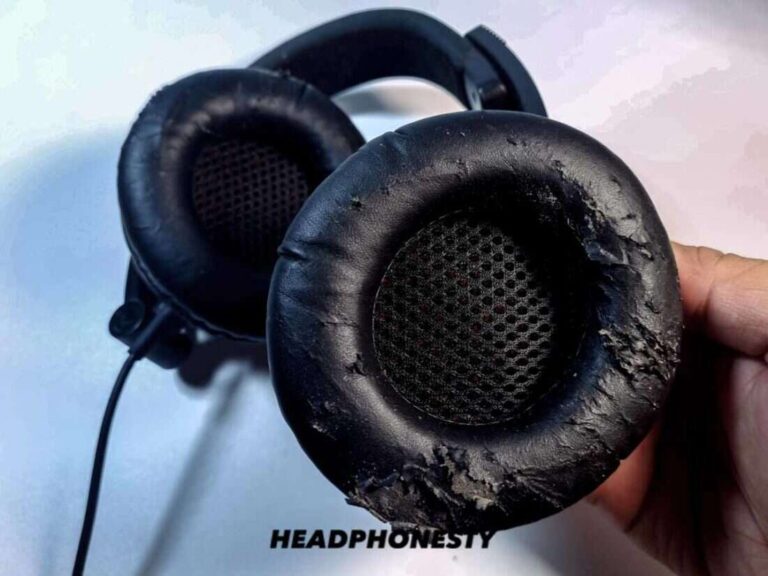
Keep the grille free from dust. Do not press objects into the mesh or spray cleaner near the driver. If the ear pads become worn, replace them with compatible pads because pad shape can change the sound.
Use a safe listening level. A useful habit is to lower the volume during quiet parts instead of raising it to overpower background noise. If your ears ring or feel tired, stop and rest.
Open-back headphones are not hearing protection. They do not block loud sounds from the room. In a noisy place, use suitable hearing protection or a headphone design with proper isolation.
Frequently Asked Questions About What Makes Headphones Open Back
What makes headphones open back instead of closed back?
Vents, grilles, or perforations behind the driver allow air and sound to pass through the rear of the ear cup. Closed-back headphones use a solid enclosure that limits this airflow and sound leakage.
Do open-back headphones leak sound?
Yes, open-back headphones leak a noticeable amount of sound because the rear of the driver is exposed to the room. The amount varies with volume, grille design, ear pad shape, and the distance of nearby listeners.
Are open-back headphones better for sound quality?
They can sound more spacious and natural, but they are not automatically better. Sound quality also depends on driver tuning, distortion, comfort, source equipment, and the quality of the recording.
Can you use open-back headphones for gaming?
Yes, open-back headphones can work very well for gaming in a quiet room. They may provide a broad presentation and clear imaging, but outside noise and sound leakage can make them unsuitable for shared spaces.
Are open-back headphones good for mixing music?
They can be useful for editing and mixing because they may reveal stereo placement and small details. You should still check a mix on speakers and other headphones because every model has its own frequency response.
Do open-back headphones need an amplifier?
Not always. Some models work well from a computer or phone, while high-impedance or low-sensitivity models may need more power for comfortable listening.
Can people hear what I am listening to with open-back headphones?
Usually, yes. At normal listening levels, people nearby may hear parts of the music, especially in a quiet room.
Conclusion
What makes headphones open back is the vented rear enclosure that allows air and sound to move through the ear cups. This can create a spacious, natural presentation with useful detail, but it also causes sound leakage and offers little isolation.
Choose open-back headphones for quiet rooms, music listening, gaming, and audio work. Choose closed-back headphones when you need privacy, strong isolation, or dependable use in public spaces. Consider your room, comfort, source device, and listening habits before you buy.
Try to hear both designs with familiar music, then choose the one that fits your real daily use. Explore more headphone guides, compare trusted models, and share your listening experience in the comments.

Everett Ashford is a tech reviewer at mytechgrid.com specializing in SSDs, cameras, TVs, earbuds, headphones, and other consumer electronics. He provides honest, data-driven reviews based on hands-on testing and real-world performance analysis. Everett simplifies complex tech details to help readers make smart, confident buying decisions.