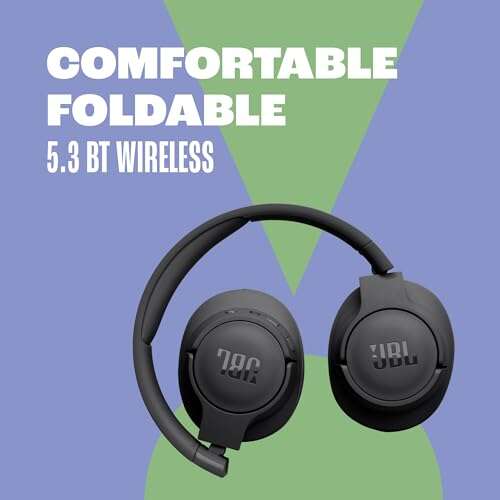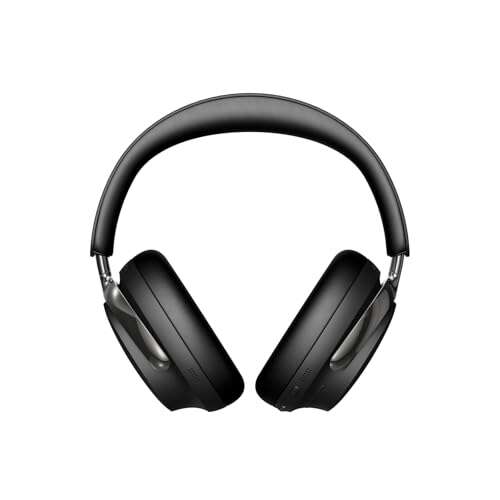
A headset usually costs $20 to $350, while premium models can cost $500 or more.
Wondering how much is a headset depends on what you need it to do. A basic wired model can handle calls and music, while a gaming, wireless, or professional headset may cost much more. This guide breaks down headset prices, features, hidden costs, and smart buying tips so you can choose with confidence.
How Much Is a Headset on Average?
The average headset costs between $30 and $150. This range includes many wired, wireless, office, and entry-level gaming models.
However, prices vary based on sound quality, microphone performance, comfort, battery life, brand, and connection type. A headset for casual calls may cost far less than one built for competitive gaming or studio work.
Here is a simple price guide:
| Headset type | Typical price range | Best for |
|---|---|---|
| Basic wired headset | $10 to $30 | Calls, school, light music |
| Mid-range wired headset | $30 to $80 | Gaming, work, daily use |
| Basic wireless headset | $25 to $70 | Casual use and mobile devices |
| Mid-range wireless headset | $70 to $180 | Work, gaming, travel |
| Premium gaming headset | $150 to $350 | Serious gaming and streaming |
| Noise-canceling headset | $100 to $450 | Travel, work, and focus |
| Studio headset | $100 to $500 or more | Music production and editing |
| Professional broadcast headset | $250 to $700 or more | Radio, film, and live production |
So, how much is a headset for most people? A good everyday model usually costs about $50 to $150. Spending more can improve comfort and sound, but it does not always guarantee better value.
Headset Prices by Type
Different headset types serve different needs. Comparing them by use is often more helpful than comparing brands alone.
Wired headsets
Wired headsets are often the best value. They connect through a 3.5-millimeter plug, USB, or USB-C port.
Many wired models cost $15 to $100. Professional wired headsets can cost more, especially when they use strong microphones, replaceable parts, or high-quality drivers.
Wired headsets have a few clear benefits:
• No battery charging is needed
• Audio delay is usually very low
• They often cost less than wireless models
• They work well for computers, consoles, and phones with the right port
Their main limits are cable clutter and reduced movement. Some newer phones and laptops also lack a 3.5-millimeter audio port.
Wireless headsets
Wireless headsets usually cost $40 to $300. They may use Bluetooth, a USB wireless receiver, or both.
Bluetooth models are common for phones, tablets, and laptops. USB receiver models often provide a stronger connection for gaming and desktop use.
When judging how much is a headset, wireless convenience can add $20 to $100 to the price. You are paying for a battery, wireless chip, charging system, and software support.
Gaming headsets
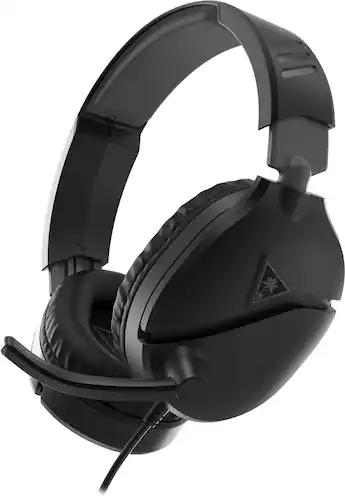
Gaming headsets range from about $25 to $350. Some premium models cost more than $400.
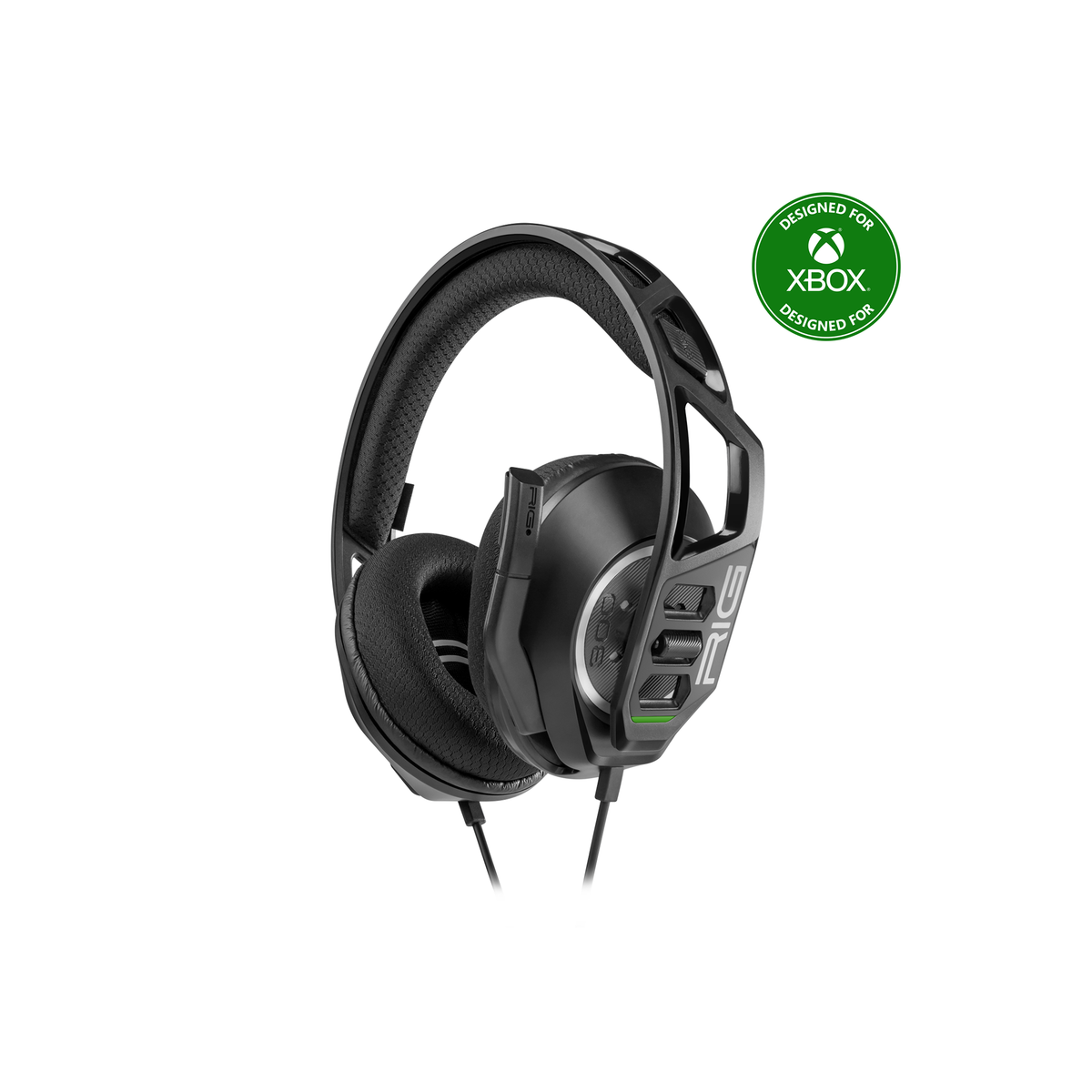
Low-cost gaming headsets often include basic stereo sound and a simple boom microphone. Mid-range models may add surround sound, better ear cushions, wireless support, and software controls.
Premium gaming headsets may offer:
• Low-latency wireless audio
• Clearer microphones
• Custom sound profiles
• Memory foam cushions
• Stronger hinges and frames
• Support for several devices
• Replaceable ear pads and cables
A higher price can help, but skill does not come from a headset alone. In my experience testing gaming gear, a comfortable $100 headset is often more useful than an expensive model that feels heavy after one hour.
Noise-canceling headsets
Noise-canceling headsets generally cost $80 to $450. They use microphones to detect outside sound and create a signal that reduces steady noise.
They are useful on airplanes, trains, busy streets, and shared workspaces. The best results usually come with low, steady sounds such as engine hum or air conditioner noise.
Noise canceling does not block every sound. Voices, sudden noises, and high-pitched sounds may still be heard. If you only work in a quiet room, a cheaper headset may offer better value.
Studio headphones
Studio headphones can cost $80 to $500 or more. They are designed for accurate sound rather than extra bass or a wide range of consumer features.
Many studio models use a wired connection. Some have a closed-back design to block sound, while open-back models create a more natural and spacious sound.
Studio headphones are a smart choice for:
• Music recording
• Audio editing
• Podcast production
• Film work
• Instrument practice
• Critical listening
They may not include a microphone. You may need to buy a separate microphone, audio interface, or adapter.

What Makes a Headset More Expensive?
The answer to how much is a headset depends on the parts inside it and the quality of its design.
Sound quality
Sound quality is shaped by the drivers, tuning, digital processing, and fit around your ears. Larger drivers do not automatically mean better sound.
A well-tuned $70 headset can sound better than a poorly tuned $200 model. Reviews, listening tests, and return policies matter more than a single technical number.
Microphone quality
A basic microphone may sound fine for casual calls. A better microphone gives your voice more detail and reduces background noise.
Streamers, teachers, remote workers, and podcasters should pay close attention to microphone tests. A headset with excellent speakers but a weak microphone may not suit meetings or live content.
Comfort and materials
Comfort is one of the most important parts of headset value. Soft ear cushions, balanced weight, flexible hinges, and a padded headband can make a major difference.
A headset that causes pressure after 20 minutes is expensive at any price. During long workdays, I have found that comfort often matters more than small changes in sound quality.
Wireless battery life
Wireless headsets cost more because they include a battery and charging hardware. Battery life can range from around 10 hours to more than 80 hours.
Look for the full battery estimate, not just a quick-charge claim. Also check whether the headset works while charging. That feature can prevent frustration when the battery runs low during a call or game.
Noise control
Active noise cancellation adds cost. Passive isolation, which comes from the ear cup seal, may be enough for many users.
Some models also include transparency mode. This feature lets outside sound in, which helps when you need to hear a coworker, doorbell, or traffic.
Build quality and repair options
Premium headsets may use metal parts, stronger plastic, better cables, and replaceable ear pads. These features can extend the product’s useful life.
Before buying, check whether the company sells replacement cushions, cables, batteries, or headbands. A headset that lasts four years offers better value than one that must be replaced every year.
How Much Is a Headset for Different Uses?
Your use case should guide your budget. You do not need to pay for features you will never use.
For school and basic calls
A $15 to $50 wired headset is usually enough for online classes, simple video calls, and light listening.
Choose a model with:
• A clear microphone
• Comfortable ear pads
• Simple volume controls
• A cable that is long enough for your desk
For occasional use, wireless features may not justify the extra cost.
For remote work
A work headset often costs $40 to $180. Focus on voice clarity, comfort, mute controls, and connection reliability.
A USB headset can be easy to set up on a computer. A Bluetooth model is more flexible if you switch between a laptop and phone.
If you spend six or more hours in meetings, paying more for comfort is sensible. A soft headband can be worth more than a flashy lighting system.
For gaming
A gaming headset usually costs $50 to $250. Competitive players may value low delay, positional sound, and a clear microphone.
Console users should check compatibility before buying. Some wireless headsets work only with certain consoles or require a special adapter.
Do not assume virtual surround sound is always better. Stereo sound can be more natural, and some players prefer it for hearing footsteps and direction.
For travel
Travel headsets often cost $100 to $400. Strong noise cancellation, long battery life, folding hinges, and a comfortable fit are useful on long trips.
A travel headset should also have a wired backup option. Wireless connections can fail, batteries can run out, and some airplane systems still rely on a cable.
For music production
A music production headset may cost $100 to $500 or more. Choose a model with accurate sound, a reliable cable, and a design suited to your work.
Do not select a studio headset only because it has a high price. Accuracy, comfort, and durability matter more than luxury branding.

Hidden Costs to Consider
The purchase price is not always the full cost. Small extras can raise how much is a headset over time.
Possible added costs include:
• A USB or console adapter
• Replacement ear cushions
• A carrying case
• A separate microphone
• A headphone amplifier
• A longer or stronger cable
• Extended warranty coverage
• Replacement batteries for some models
Wireless headsets may also lose value when the battery becomes weak. Some batteries can be replaced, but many cannot be changed easily.
I once saw a buyer choose a cheaper wireless headset, only to spend more later on an adapter and replacement cushions. The lesson was simple: compare the complete setup, not just the box price.
How to Choose the Right Headset Budget
A practical budget starts with your most important need.
Use these steps:
-
Decide where you will use the headset. Choose between a computer, phone, console, airplane, or studio setup.
-
Pick wired or wireless. Wired models offer value and reliability. Wireless models offer freedom and convenience.
-
Set your comfort standard. If you wear the headset for hours, prioritize weight, padding, and fit.
-
Check microphone needs. Casual users need less microphone quality than streamers or remote workers.
-
Confirm compatibility. Check the ports, operating systems, console support, and wireless method.
-
Read independent testing. Look for long-term comfort, microphone samples, battery tests, and failure reports.
-
Check the return policy. Fit and sound are personal, so a return option protects your purchase.
A simple budget guide looks like this:
• Under $30: Basic calls and casual use
• $30 to $80: Good everyday wired or entry-level wireless use
• $80 to $150: Strong comfort, better sound, and useful extra features
• $150 to $300: Premium wireless, gaming, or noise-canceling performance
• Over $300: Specialized work, luxury design, or professional production
The best answer to how much is a headset is the amount that solves your real problem without adding features you do not need.

Common Headset Buying Mistakes
A few mistakes appear again and again when people shop for headphones and headsets.
Buying by brand alone
A famous brand can make excellent products, but every model is different. Read reviews for the exact model, not just the company name.
Ignoring fit
Head sizes and ear shapes vary. A headset that feels perfect to one person may feel tight or loose to another.
Paying for features you will not use
RGB lights, advanced software, and multiple connection modes can raise the price. These features are useful only if they match your habits.
Forgetting device support
Some headsets work well on a computer but have limited features on a phone or console. Always check platform support before ordering.
Trusting large technical numbers
A wide frequency range or large driver size does not guarantee better sound. Real performance depends on tuning, design, and proper testing.
Skipping warranty details
Read the warranty terms. Check how long coverage lasts and whether it includes the battery, microphone, cable, or wireless receiver.
Is an Expensive Headset Worth It?
An expensive headset can be worth the money when you use it often and benefit from its features.
For example, a remote worker may gain real value from clear voice pickup, comfort, and reliable wireless switching. A frequent traveler may value strong noise cancellation and long battery life.
A casual listener may not notice enough improvement to justify a $300 purchase. In that case, a $50 to $100 model may provide nearly everything they need.
The law of diminishing returns applies here. Moving from a $20 headset to a $70 headset can bring a clear improvement. Moving from $200 to $400 may bring smaller gains that only some users can hear or feel.

How to Save Money on a Headset
You can lower the cost without choosing a poor product.
• Buy last year’s model after a new version launches
• Compare refurbished products with a warranty
• Watch for holiday and back-to-school sales
• Choose wired audio when wireless is not necessary
• Look for replaceable cushions and cables
• Read long-term reviews before buying
• Avoid paying extra for features you will not use
Be careful with very cheap marketplace listings. A low price may indicate an older product, missing accessories, weak warranty support, or a counterfeit item.
Use an authorized seller when possible. Keep your receipt and check the return window before opening the package.

Frequently Asked Questions About How Much Is a Headset
How much is a good headset?
A good headset usually costs $50 to $150 for most everyday users. At this price, you can often find solid comfort, clear sound, and a usable microphone.
Is a $20 headset worth buying?
A $20 headset can be worth buying for occasional calls, schoolwork, or basic gaming. It may have simpler materials, weaker noise control, and less comfort than a mid-range model.
How much is a wireless headset?
A wireless headset commonly costs $40 to $300. Bluetooth models may cost less, while premium gaming and noise-canceling models often cost more.
How much is a gaming headset?
A gaming headset can cost $25 to $350. Most players can find a strong balance of sound, comfort, and microphone quality between $70 and $180.
Are expensive headsets better?
Expensive headsets often provide better comfort, microphones, materials, battery life, or noise control. They are not always better for every listener, so choose features that match your actual use.
How long should a headset last?
A headset may last two to five years with careful use, although batteries, cables, and ear cushions can wear sooner. Models with replaceable parts are usually easier to maintain.
Should I buy a wired or wireless headset?
Buy wired if you want the lowest cost, simple setup, and no battery concerns. Choose wireless if freedom of movement and device switching matter more to you.
Conclusion
So, how much is a headset? Most people can find a reliable option for $50 to $150, while basic models may cost less and premium or professional models may cost several hundred dollars.
Focus on comfort, sound, microphone quality, connection type, battery life, and device compatibility. The right headset is not always the most expensive one; it is the one that fits your daily needs and lasts.
Set your budget, compare the full cost, and check the return policy before you buy. Explore trusted reviews, share your headset experience in the comments, and choose with confidence.

Everett Ashford is a tech reviewer at mytechgrid.com specializing in SSDs, cameras, TVs, earbuds, headphones, and other consumer electronics. He provides honest, data-driven reviews based on hands-on testing and real-world performance analysis. Everett simplifies complex tech details to help readers make smart, confident buying decisions.