ENC and ANC in earbuds are noise-control technologies that improve call clarity and listening comfort in different ways.
If you have ever wondered what is ENC and ANC in earbuds, the simple answer is that ENC mainly helps the person on the other end of your call, while ANC mainly helps you hear your music or podcast. The terms sound similar, but they use different microphones, signal processing methods, and goals. This guide explains how each technology works, where it performs best, and what to check before buying earbuds.
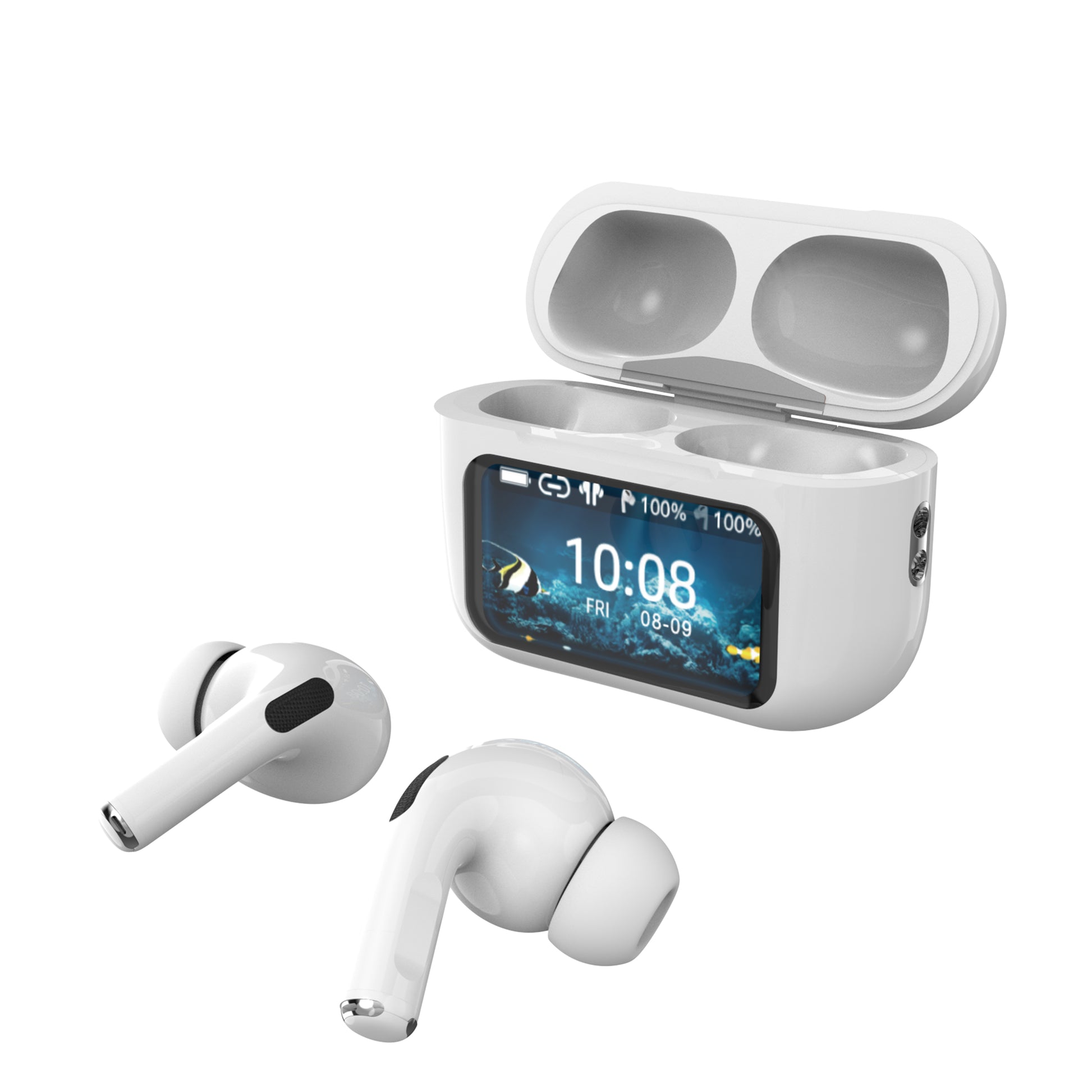
What Is ENC and ANC in Earbuds?
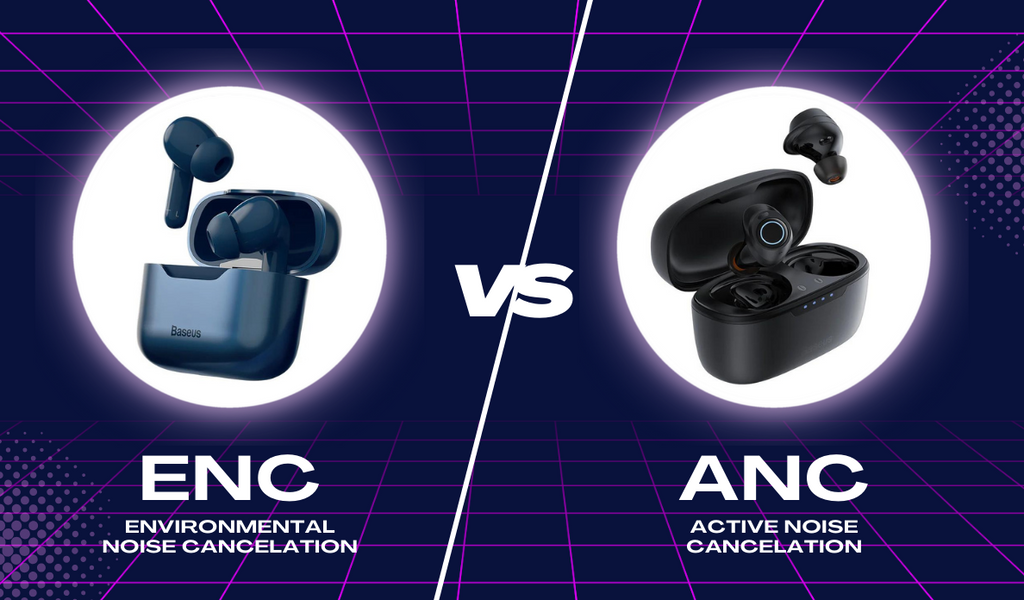
Understanding what is ENC and ANC in earbuds starts with their purpose. ENC usually means Environmental Noise cancellation. It reduces background noise picked up by the earbuds’ microphones during phone calls.
ANC means Active Noise Cancellation. It reduces outside noise that reaches your ears while you listen to music, watch videos, or travel.
Here is the clearest difference:
• ENC improves the voice that other people hear from you.
• ANC improves the sound that you hear through the earbuds.
The two systems can work together. Many modern wireless earbuds use ENC for calls and ANC for music. Some models also include a transparency mode, which lets outside sounds pass through when you need to hear traffic, announcements, or nearby people.

How Environmental Noise Cancellation, or ENC, Works
ENC uses one or more microphones on each earbud to detect unwanted sounds around you. A digital signal processor then separates your voice from background sounds such as traffic, wind, keyboard clicks, or people talking nearby.
During a call, the earbuds try to keep your voice clear and reduce the rest. The person on the other end may hear less noise, even though you are sitting in a busy place.
A common ENC system works in these steps:
- External microphones capture nearby sounds.
- An internal processor studies the sound pattern.
- The earbuds identify your speech through timing and frequency changes.
- Software lowers unwanted background noise.
- Your voice is sent to the caller with improved clarity.
ENC does not usually remove noise from the sound you hear. If you are listening to music in a noisy café, ENC may do almost nothing for your own listening experience. Its main job is microphone noise reduction during calls.
This is one reason people often misunderstand what is ENC and ANC in earbuds. Both involve noise control, but ENC focuses on the outgoing microphone signal, while ANC focuses on the incoming listening signal.
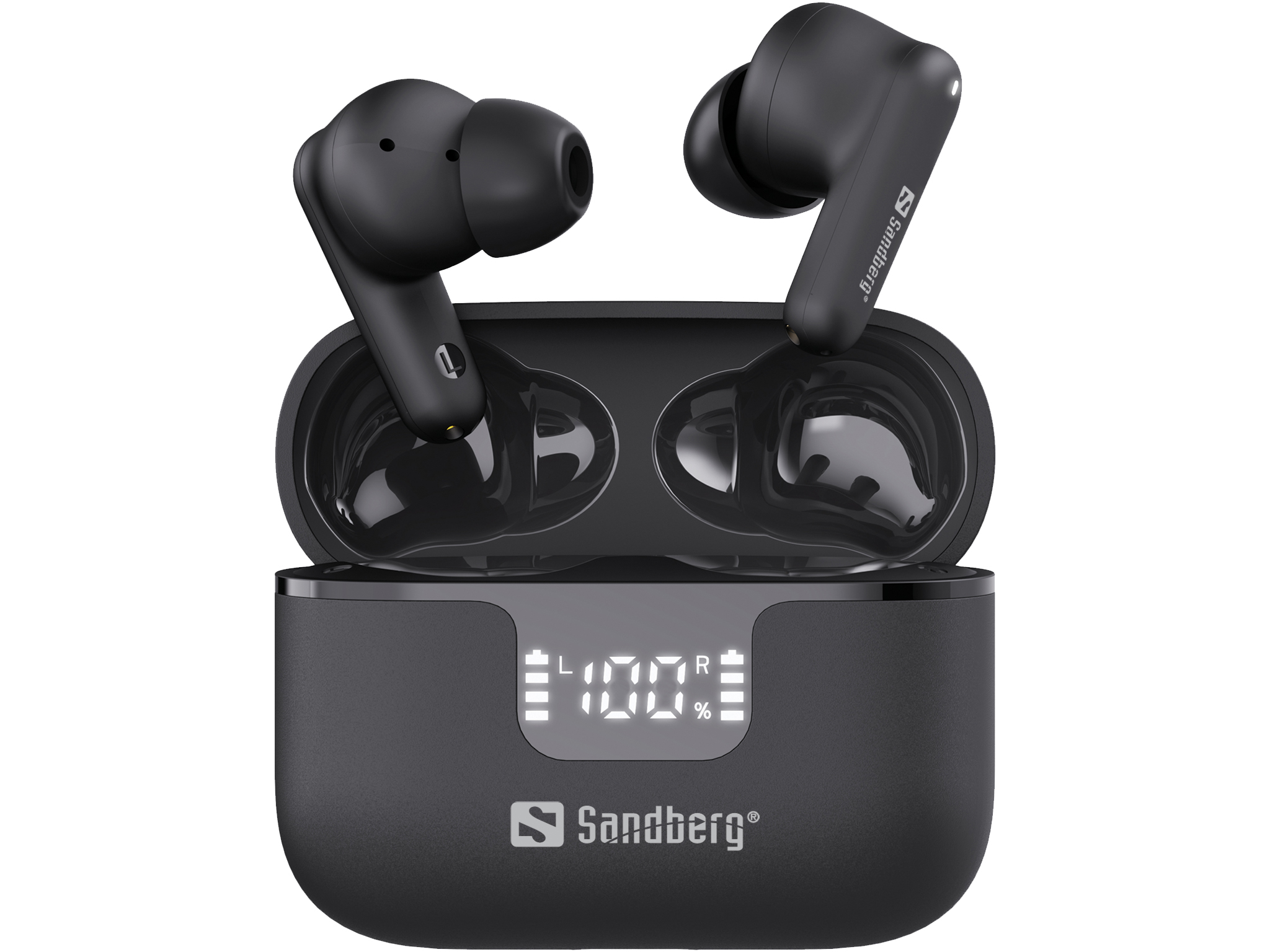
How Active Noise Cancellation, or ANC, Works
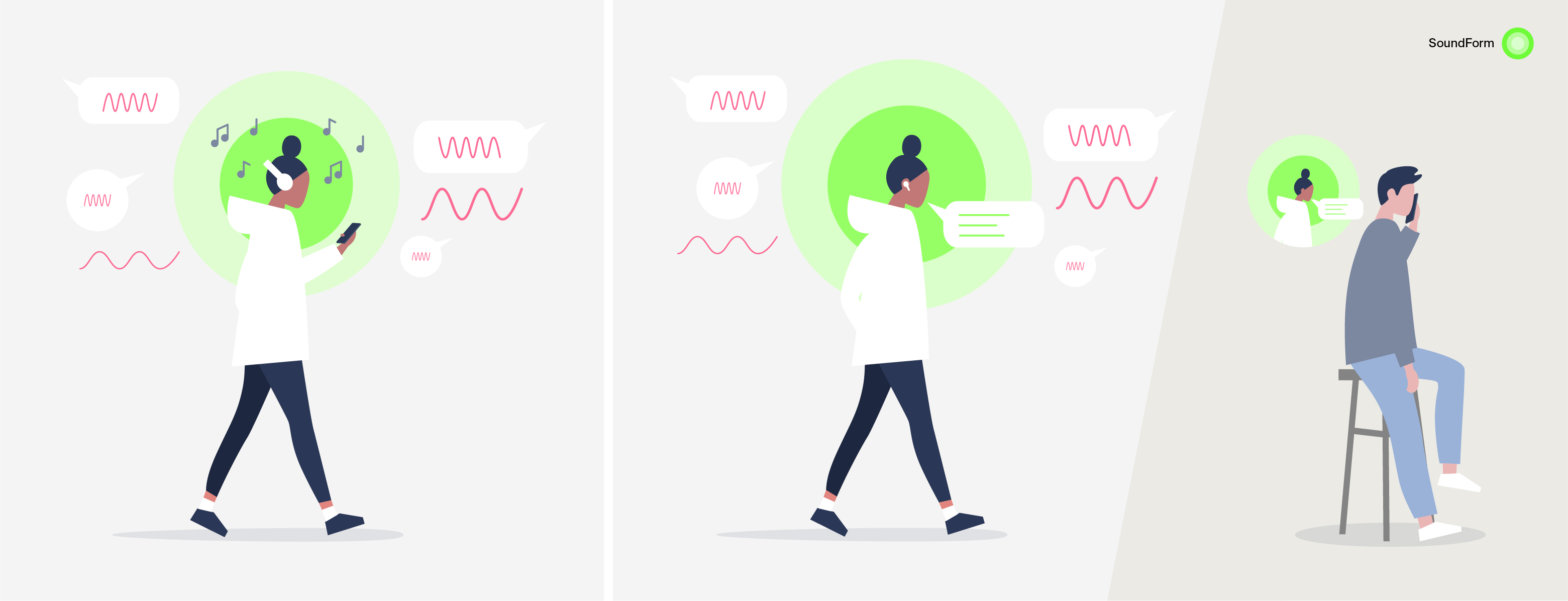
ANC creates a sound wave that is the opposite of unwanted outside noise. When the two waves meet, they reduce each other. This process is called destructive interference.
Think of ANC as two waves pushing against each other. If the earbuds measure a steady low sound, such as an airplane engine, they can create an opposing signal that makes the noise seem much quieter.
ANC usually uses these parts:
• External microphones to hear outside noise.
• Internal microphones to check what reaches your ear.
• A processor to create an opposite sound wave.
• Speakers to play the cancellation signal.
ANC works best with steady, low-pitched sounds. It can reduce airplane engines, bus noise, air conditioners, fans, and road rumble very well. It is less effective against sudden sounds, high voices, clapping, or a baby crying because those sounds change too quickly.
Earbud fit also matters. A good silicone seal blocks noise before ANC even starts. This passive noise isolation works with ANC and often makes a bigger difference than shoppers expect.
ENC vs. ANC: The Main Differences
The easiest way to compare what is ENC and ANC in earbuds is to look at who benefits and when the feature works.
| Feature | ENC | ANC |
|---|---|---|
| Full name | Environmental Noise Cancellation | Active Noise Cancellation |
| Main purpose | Improve your voice during calls | Reduce noise for your listening |
| Helps whom? | The person listening to you | You |
| Main hardware | Call microphones and software | Microphones, processor, and speaker |
| Best for | Calls in busy places | Travel, work, study, and music |
| Works during music? | Usually not in a meaningful way | Yes |
| Handles wind? | Often struggles without wind filtering | May struggle with strong wind |
ENC and ANC can appear in the same product, but they are not interchangeable. A pair of earbuds with excellent ANC may still have poor call quality. Likewise, earbuds with strong ENC may make your voice clear on calls but offer no real reduction in outside noise for music.
When comparing what is ENC and ANC in earbuds, do not assume that a higher number of microphones guarantees better performance. Microphone placement, software tuning, wind control, earbud fit, and speaker quality all matter.
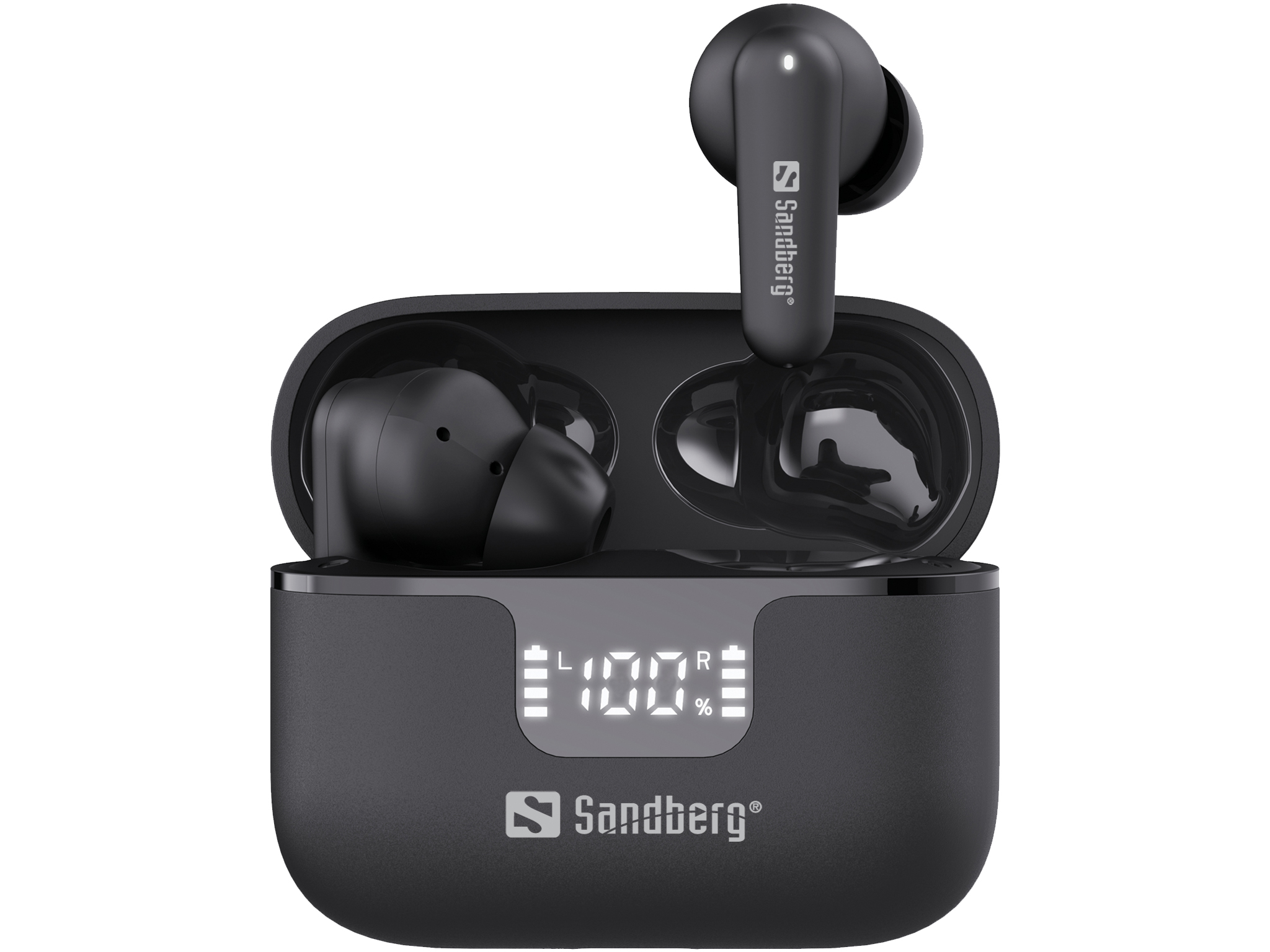
What Is Hybrid ANC?
Hybrid ANC uses both external and internal microphones. This design is often more accurate than a basic system because it measures noise outside the earbud and noise that remains inside the ear canal.
There are three common ANC designs:
Feedforward ANC
Feedforward ANC uses microphones on the outside of the earbuds. It hears outside noise before it reaches your ear and creates a response.
This design can react quickly, but wind may affect the outside microphones. It also depends heavily on software tuning.
Feedback ANC
Feedback ANC uses microphones inside the earbud. It checks the sound that reaches your ear and adjusts the cancellation signal.
This can improve accuracy, but the system must be tuned carefully to avoid affecting music quality.
Hybrid ANC
Hybrid ANC combines outside and inside microphones. It usually offers stronger control across a wider range of sounds, but it can increase cost, power use, and processing demands.
The word “hybrid” sounds impressive, but it is not a guarantee of perfect performance. Real results still depend on the earbud design and your ear shape.
What Is ENC and ANC in Earbuds During Phone Calls?
During a phone call, ENC is usually the more important feature for the person speaking. It helps the earbuds send a cleaner version of your voice to the other caller.
ANC may still help you hear the other person. By lowering nearby noise, ANC can make the incoming voice easier to understand. However, ANC does not automatically make your microphone sound better.
Some earbuds use a separate call mode. This mode may combine ENC, beamforming, wind reduction, and voice detection. Beamforming uses several microphones to focus on the direction of your voice.
For the best call performance, look for reviews that test earbuds outdoors. Indoor tests may hide problems with wind and traffic. A microphone can sound excellent in a quiet room but become harsh or distant on a busy street.
From practical testing, one lesson is clear: call quality depends on more than the label “ENC.” The number of microphones, their position, the Bluetooth connection, and the company’s voice processing all affect the final result.

Benefits of ENC in Earbuds
ENC can be useful in many everyday situations. It is especially helpful if you often take calls away from a quiet office.
Key benefits include:
• Clearer speech in cafés, offices, and public spaces.
• Less background noise for the person receiving your call.
• Better voice pickup when several microphones work together.
• More natural calls when combined with beamforming.
• Improved sound for online meetings and voice messages.
ENC is helpful for remote workers, students, travelers, and anyone who takes calls outdoors. It can also improve voice assistant commands in noisy places.
Still, ENC has limits. Strong wind can overload the microphones. Loud music near you may remain audible. Some low-cost earbuds use the term ENC for basic microphone filtering, so product descriptions should not be treated as proof of high performance.

Benefits of ANC in Earbuds
ANC improves your personal listening experience. It can make music, podcasts, and audiobooks easier to hear without raising the volume as much.
Common benefits include:
• Less engine noise during flights and train rides.
• A calmer listening experience in busy offices.
• Better focus while studying or working.
• Reduced need to turn up music in noisy places.
• More detail in quiet parts of songs and podcasts.
ANC can also reduce listening fatigue. When there is less outside noise competing with your music, you may not feel the need to play audio as loudly. However, ANC is not hearing protection. Loud environments can still harm your hearing, even when they seem quieter.
The World Health Organization recommends keeping personal audio at safe levels and taking listening breaks. Good ANC should help you listen comfortably, not encourage unsafe volume.
What Is Transparency Mode?
Transparency mode is almost the opposite of ANC. Instead of blocking outside sound, the earbuds use microphones to bring some external sound into your ears.
This feature is useful when you need awareness but do not want to remove your earbuds. You can hear a coworker, train announcement, doorbell, or traffic signal without taking them out.
Transparency mode may also be called ambient mode or hear-through mode. The quality varies widely. Good systems make outside voices sound natural. Poor systems may add a hiss or make voices sound metallic.
Some premium earbuds offer adaptive transparency. This mode lowers sudden loud sounds while allowing normal speech and important environmental sounds through. It is useful, but it should not replace careful attention in dangerous areas.
Limitations and Common Misunderstandings
The answer to what is ENC and ANC in earbuds is not complete without discussing their limits.
First, neither technology removes every sound. ANC works best with steady low-frequency noise. ENC works best when the earbuds can clearly separate your voice from the background.
Second, a poor fit can weaken ANC. If the ear tips do not seal well, outside noise enters around the earbuds. Try different tip sizes before judging the feature.
Third, ANC can affect battery life. Earbuds may play fewer hours with ANC enabled because microphones and processors must remain active.
Other points to remember include:
• ANC may create a mild pressure-like feeling for some users.
• Wind can cause noise or rumbling in ANC microphones.
• ENC cannot guarantee clear calls in very loud locations.
• Noise cancellation does not equal sound isolation or hearing protection.
• Strong ANC does not always mean strong audio quality.
• Some people prefer ANC off because they notice less processing or pressure.
If ANC feels uncomfortable, try transparency mode or disable noise cancellation. Comfort matters more than a feature list.
How to Choose Earbuds With Good ENC and ANC
When shopping, decide whether calls or listening matter more. This makes it easier to compare the right features.
Use these checks:
- Read independent call tests, especially outdoor tests.
- Check whether the earbuds have two or more microphones per side.
- Look for hybrid ANC if travel noise is a major concern.
- Confirm that the package includes several ear tip sizes.
- Check battery life with ANC turned on.
- Look for a transparency mode.
- Test the companion app and noise-control settings.
- Review return policies because ear shape affects performance.
- Avoid judging quality from microphone count alone.
- Consider comfort, weight, and stability for long use.
For frequent calls, prioritize microphone quality, wind reduction, and voice clarity. For travel, prioritize a good seal, strong ANC, comfort, and battery life. For workouts, fit and sweat resistance may matter more than advanced ANC.
A simple buying rule works well: choose earbuds based on the problem you want to solve. If callers struggle to hear you, focus on ENC and microphone reviews. If you struggle to hear your music, focus on ANC, ear tips, and sound isolation.
How to Test ENC and ANC at Home
You can perform a simple test before keeping your new earbuds.
For ENC, record short voice messages in three places:
• A quiet room.
• A room with a fan or air conditioner.
• An outdoor area with light traffic.
Listen to the recordings on another device. Pay attention to whether your voice stays natural and whether background sounds overpower it.
For ANC, play the same music near a steady noise source. A fan, air conditioner, or low-volume travel recording can work. Turn ANC on and off without changing the music volume. Notice how much the low rumble changes and whether vocals remain clear.
Do not rely on one quick test. Try different ear tips and wear the earbuds for at least 20 minutes. Seal, comfort, glasses, hair, and movement can all change the result.
Frequently Asked Questions About What Is ENC and ANC in Earbuds
Is ENC better than ANC?
Neither is simply better because they solve different problems. ENC improves your voice during calls, while ANC reduces outside noise for your own listening.
Do all earbuds with ANC have ENC?
No. Some earbuds have ANC but use basic microphones for calls. Check the manufacturer’s specifications and independent call tests before buying.
Does ENC reduce noise for me?
Usually, no. ENC mainly processes the microphone signal sent to the other person, so it does not normally make your music or surroundings quieter.
Is ANC safe for your ears?
ANC is generally safe when used at a comfortable volume. It is not hearing protection, so avoid loud audio and take regular listening breaks.
Does ANC work without music?
Yes. ANC can reduce outside noise even when no music is playing. Some earbuds may produce a faint hiss or low sound when ANC is active.
Why does ANC sometimes feel strange?
ANC may create a pressure-like sensation because low-frequency sound is reduced. A different ear tip, lower ANC setting, transparency mode, or ANC-off mode may feel more comfortable.
Does ENC work for wind noise?
ENC can reduce some wind noise, but strong wind may still affect call quality. Earbud shape, microphone covers, and wind-reduction software all influence performance.
Conclusion
ENC and ANC are related but distinct technologies. ENC mainly cleans up your microphone signal for clearer calls, while ANC reduces outside noise for your personal listening. The best earbuds may include both, plus a useful transparency mode and a comfortable seal.
When you understand what is ENC and ANC in earbuds, you can avoid misleading feature labels and choose a product that fits your daily needs. Compare real call tests, ANC performance, battery life, fit, and comfort before buying. Explore more audio guides, share your experience, or leave a comment about which earbuds work best for you.

Everett Ashford is a tech reviewer at mytechgrid.com specializing in SSDs, cameras, TVs, earbuds, headphones, and other consumer electronics. He provides honest, data-driven reviews based on hands-on testing and real-world performance analysis. Everett simplifies complex tech details to help readers make smart, confident buying decisions.