Good bass comes from deep, controlled low frequencies, a proper ear seal, low distortion, and a balanced sound—not just extra boom.
Learning how to tell if earbuds have good bass takes more than checking the driver size or reading a product label. After testing many types of earbuds, I have found that the best bass feels deep and clean, supports the music, and never covers vocals or detail. This guide shows you what to hear, what to measure, and what mistakes to avoid before you buy.

What Good Bass Sounds Like in Earbuds
Bass is the lowest part of the audio range. It gives music weight, rhythm, and impact. Sub-bass usually covers the deepest tones, while mid-bass creates the punch you hear in kick drums, bass guitars, and many electronic tracks.
Good bass should feel strong but controlled. It should not sound like a loose speaker shaking inside a box.
When learning how to tell if earbuds have good bass, listen for these traits:
• Depth: The earbuds can reproduce low notes without making them sound thin.
• Punch: Kick drums have a clear and quick impact.
• Control: Bass stops when the note stops.
• Detail: You can hear the shape and texture of a bass guitar or synth.
• Balance: Bass does not hide vocals, guitars, cymbals, or other sounds.
Poor bass often sounds loud at first. However, loudness is not the same as quality. Excess bass can create a muddy sound that feels exciting for a few minutes but becomes tiring during longer listening sessions.
A useful comparison is food seasoning. Good bass is like the right amount of salt. It brings out the flavor. Too much can cover everything else.
Check the Earbud Seal First
A proper fit is one of the most important parts of learning how to tell if earbuds have good bass. In-ear earbuds rely on a seal inside the ear canal. If air escapes, low frequencies lose power quickly.
This is why the same earbuds can sound bass-heavy for one person and weak for another. Ear shape, ear tip size, insertion depth, and earbud design all affect the seal.
Try these steps:
-
Start with the ear tips that come installed.
-
Play a song with a steady bass line.
-
Gently press the earbuds farther into your ears.
-
Switch to smaller or larger tips.
-
Compare the bass after each change.
If bass improves when you press the earbuds inward, the fit may be the problem rather than the earbuds. A larger tip may seal better, but a tip that feels painful or too tight is not a good long-term solution.
Foam tips can improve isolation and bass for some listeners. Silicone tips may feel cleaner and more comfortable for others. There is no single best material for every ear.
When deciding how to tell if earbuds have good bass, always test the fit before judging the sound. A poor seal can make excellent earbuds seem broken.

Use Familiar Songs to Test Bass
The best bass test is music you know well. Familiar tracks help you notice changes in depth, punch, and balance.
Choose songs with different types of low-frequency sound:
• A track with a deep electronic bass line tests sub-bass.
• A song with live drums tests kick-drum impact.
• A track with bass guitar tests texture and natural tone.
• A hip-hop song tests bass weight and control.
• A vocal recording tests whether bass covers the singer.
Avoid using only one bass test song. Some tracks are mixed with very strong low end, so they may make almost any earbuds sound powerful.
Listen at a moderate volume first. Then raise the volume slightly, but stay below a level that feels uncomfortable. Very loud playback can make weak bass seem stronger while also hiding distortion and causing hearing damage.
As you listen, ask yourself:
• Can I hear the lowest notes clearly?
• Does the kick drum sound tight or bloated?
• Can I still understand every word?
• Does the bass remain clean when the song becomes busy?
• Does the sound stay comfortable after 20 to 30 minutes?
These questions make how to tell if earbuds have good bass much easier. You are not only checking how much bass you hear. You are checking how well the earbuds manage it.

Test Sub-Bass and Mid-Bass Separately
Bass is not one single sound. Understanding its main areas can help you judge earbuds more accurately.
Sub-bass
Sub-bass is the deepest region, often below about 60 hertz. You may feel it as a soft vibration rather than hear a clear musical note.
Good sub-bass should sound deep and smooth. It should not buzz, crackle, or disappear when the music reaches its lowest point.
A simple test is to play a clean bass sweep or a song with a sustained deep tone. If the sound drops out early, the earbuds may have limited low-frequency extension.
Mid-bass
Mid-bass often sits around 60 to 250 hertz. It gives kick drums, bass guitars, and many pop recordings their main body.
Good mid-bass sounds full and controlled. Too much mid-bass can make the sound cloudy. Too little can make music feel weak and empty.
A common mistake is to judge earbuds only by sub-bass. Earbuds may reach deep tones but still have poor mid-bass control. Strong overall performance requires both areas to work together.
When learning how to tell if earbuds have good bass, listen for a smooth transition between sub-bass and mid-bass. The low end should sound like one connected range, not separate lumps.

Listen for Distortion at Higher Volume
Distortion happens when an earbud cannot reproduce a signal cleanly. It may sound like buzzing, crackling, rattling, or a rough edge around bass notes.
Bass can expose distortion because low-frequency movement demands more from the driver. Poorly designed earbuds may sound acceptable at low volume but become harsh when you raise the level.
To test for distortion:
• Use a clean recording with steady bass.
• Start at a comfortable volume.
• Increase the volume in small steps.
• Listen for buzzing or rattling.
• Lower the volume if the sound becomes uncomfortable.
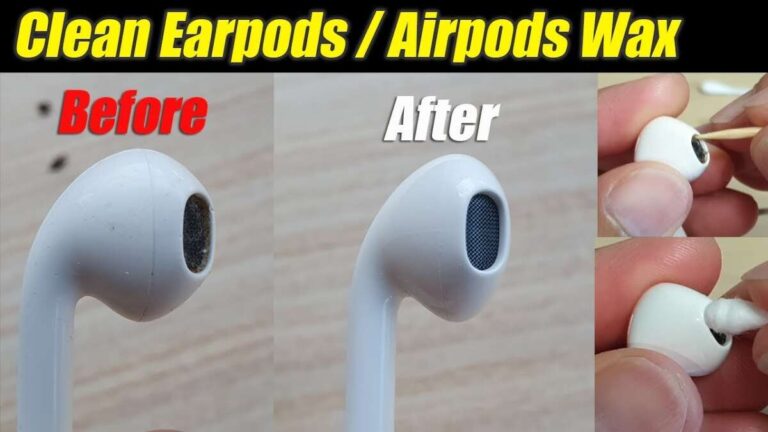
Some distortion may come from dirt, earwax, a damaged driver, or a poor connection. Clean the earbuds and test them with another device before deciding they have a hardware problem.
Bluetooth compression can also affect sound, although modern codecs often perform well. A weak source file, low-quality streaming setting, or aggressive equalizer boost may create problems that are not caused by the earbuds.
A bass boost can make distortion more obvious. If you use an equalizer, increase low frequencies slowly. Large boosts can push the driver beyond its comfortable range.
Distortion is one of the clearest signs to watch for when deciding how to tell if earbuds have good bass. Strong bass should remain smooth, even when the music becomes demanding.
Do Not Judge Bass by Driver Size Alone
Many shoppers assume that larger drivers always create better bass. This is not reliable.
A larger driver may move more air, but tuning, enclosure design, materials, power, and software also matter. A well-tuned 8-millimeter driver can sound better than a poorly tuned 12-millimeter driver.
Earbud specifications can help, but they do not tell the whole story. Look at the complete product design instead:
• Driver type and quality
• Frequency response tuning
• Ear tip design
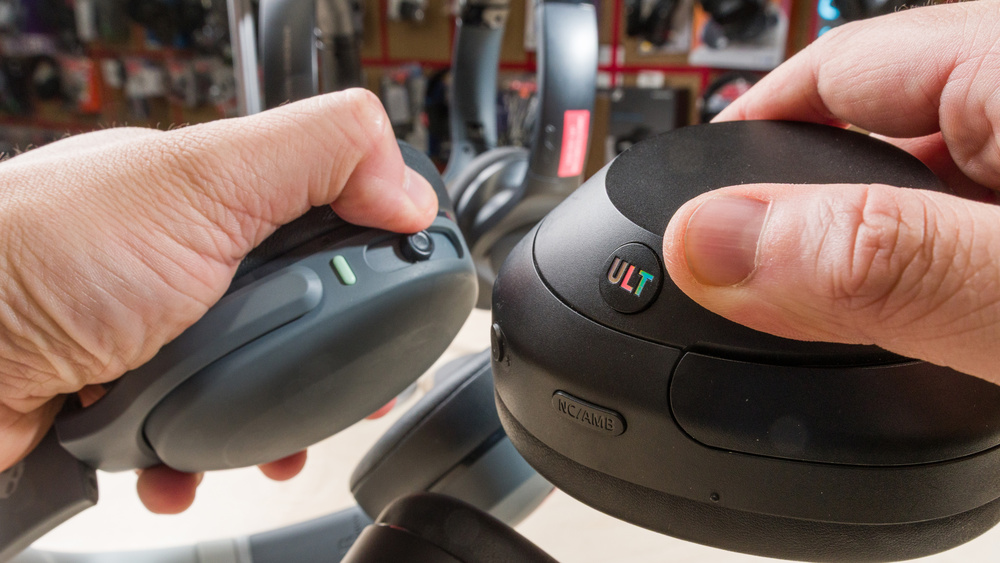
• Passive or active noise cancellation
• Equalizer support
• Fit and comfort
• Independent listening tests
Frequency response charts can show whether bass is boosted or reduced. However, measurements do not perfectly predict how earbuds will sound in your ears. Real-world fit changes the result, especially in the low end.
This is why how to tell if earbuds have good bass should never depend on one number. Driver diameter, frequency range, and marketing terms are clues, not proof.
Compare Earbuds at the Same Volume
A louder product often sounds more exciting during a quick comparison. This can create a false impression that it has better bass.
Try to match the volume as closely as possible when comparing earbuds. Even a small volume difference can make one pair seem fuller, clearer, and more powerful.
Use the same:
• Phone or music player
• Music app
• Audio file or streaming quality
• Equalizer setting
• Ear tip style
• Listening position
Switch between earbuds several times. Listen to the same short section of a song instead of playing different songs on each pair.
In my testing experience, the first few seconds can be misleading. One pair may deliver a large bass hit, but another may sound better after the track becomes busy. Give each model at least a few minutes.
Volume matching is a simple but often ignored part of how to tell if earbuds have good bass. It helps you judge sound quality instead of loudness.

Check Whether Bass Covers Other Sounds
Bass should support a song, not take it over. If vocals sound distant or guitars lose their edge, the earbuds may have too much low-end energy.
Play a song with a clear singer and a full arrangement. Listen to the words during the loudest bass sections. If the voice becomes hard to understand, the earbuds may have a muddy tuning.
This problem often comes from too much mid-bass. Sub-bass can add depth without causing much muddiness, but a strong mid-bass boost can cover the lower parts of vocals and instruments.
Good earbuds create separation. You should be able to follow the bass line while still hearing the snare, vocal, guitar, and background sounds.
A warm sound is not automatically bad. Some listeners enjoy a rich, relaxed presentation. The key is control. When asking how to tell if earbuds have good bass, consider whether the sound fits your taste and your usual music.
Test Bass With and Without Noise Cancellation
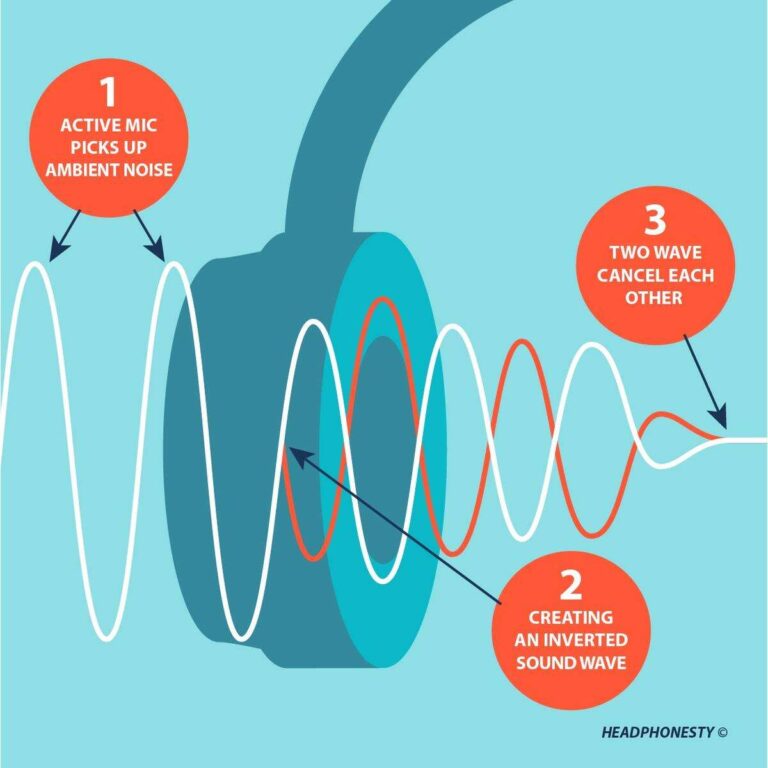
Active noise cancellation can change how bass feels. By reducing outside noise, it may make low frequencies seem clearer and more powerful.
Some earbuds also change their sound when you switch between noise cancellation, transparency mode, and normal mode. This may happen because the earbuds use different processing profiles.
Test each mode if the earbuds include it. Use the same song and keep the volume steady.
Also test them in a quiet room and in a normal public setting. Engine noise, voices, and street sounds can hide bass detail. Earbuds with strong passive isolation may perform better in noisy places even without active noise cancellation.
Be careful with bass claims in noisy environments. A crowded bus or airplane is not a fair place to judge fine audio detail. Noise can mask weak bass and make heavy bass seem more useful than it really is.
Use Frequency Response Measurements Carefully
Frequency response graphs show how loudly earbuds reproduce different frequencies. A raised line in the bass region usually means the earbuds emphasize low frequencies.
These graphs can help you spot broad trends:
• A smooth rise in the low end may create a warm sound.
• A sharp peak may produce boomy bass.
• A steep drop at very low frequencies may indicate weak sub-bass.
• Uneven dips and peaks may make bass sound unnatural.
Independent measurements are often more useful than brand descriptions. Product pages may use phrases such as “extra bass” or “deep sound” without explaining how the tuning was measured.
Still, measurements have limits. Different test fixtures, ear shapes, insertion depths, and measurement methods can produce different results. A graph is a map, not the entire journey.
Use measurements with listening tests, comfort checks, and fit tests. This combined method is the most accurate way to understand how to tell if earbuds have good bass before buying.

Common Mistakes When Testing Earbud Bass
Avoid these mistakes when comparing earbuds:
• Judging bass with only one song: A single mix may favor one tuning.
• Ignoring the ear seal: A loose fit can remove most low-end energy.
• Choosing the loudest pair: Loudness can hide poor control.
• Using extreme equalizer boosts: Large boosts can cause distortion.
• Testing for only one minute: Some problems appear after longer listening.
• Trusting driver size alone: Bigger does not always mean better.
• Testing with low-quality audio: Poor recordings can blur the comparison.
• Wearing the wrong tips: Tip size affects both bass and isolation.
One mistake I often see is choosing earbuds that sound thrilling in a store but tiring at home. Heavy bass can feel impressive at first, yet it may become distracting during podcasts, calls, or long playlists.
A better test includes several music styles and at least one familiar vocal track. This gives you a more complete picture.
How to Improve Weak Earbud Bass
If your earbuds sound thin, try simple changes before replacing them.
-
Clean the speaker mesh carefully.
-
Try a different ear tip size.
-
Reseat the earbuds for a better seal.
-
Turn off any sound mode that reduces low frequencies.
-
Check the equalizer for a flat or bass-reduced setting.
-
Use high-quality audio when possible.
-
Test the earbuds with another phone or music player.
If you use an equalizer, make small changes. A gentle increase around the lower bass range may add warmth. Avoid pushing every bass slider to the maximum.
Weak bass can also come from a damaged cable, blocked mesh, poor Bluetooth connection, or a bad recording. Troubleshoot these causes before assuming the earbud design is poor.
These steps can improve how to tell if earbuds have good bass because they separate fit and setup problems from true sound-quality problems.

What Bass Style Is Best for You?
There is no single bass tuning that suits everyone.
Choose a balanced or neutral bass response if you enjoy acoustic music, classical recordings, jazz, podcasts, and detailed vocals. This style usually sounds natural and works well across many types of content.
Choose a bass-enhanced tuning if you mainly listen to hip-hop, pop, EDM, reggae, or action-heavy video content. Look for bass that remains clean and controlled rather than simply loud.
Consider comfort and hearing safety as well. The best-sounding earbuds are not useful if they hurt your ears or make you raise the volume too much.
Personal preference matters, but quality still has clear signs. Deep extension, low distortion, good timing, and clean separation are useful goals for almost every listener.
Frequently Asked Questions About How to Tell if Earbuds Have Good Bass
How can I tell if earbuds have good bass without special equipment?
Play familiar songs with deep bass, kick drums, and vocals at a comfortable volume. Good bass should sound deep, clean, controlled, and balanced without covering other instruments.
Does a bigger earbud driver mean better bass?
Not always. Driver size can affect how much air the earbud moves, but tuning, fit, design, and distortion control are just as important.
Why do my earbuds have weak bass?
The most common causes are a poor ear seal, incorrect ear tips, blocked speaker mesh, low volume, or an equalizer setting that reduces bass. Try a better fit and clean the earbuds before replacing them.
Can equalizer settings improve earbud bass?
Yes, a gentle bass increase can improve the sound when the earbuds have enough driver capacity. A large boost may cause distortion, reduce battery life, or make vocals sound muddy.
Is bass boost the same as good bass?
No. Bass boost only increases the amount of low-frequency sound. Good bass also requires depth, control, low distortion, and a balanced presentation.
Should bass be felt or heard?
Deep sub-bass may be felt as a light vibration, while mid-bass is easier to hear. Earbuds should not need extreme volume to create either effect.
Do noise-canceling earbuds have better bass?
Not automatically. Noise cancellation can make bass seem clearer by reducing outside noise, but bass quality still depends on the driver, tuning, fit, and processing.
Conclusion
Knowing how to tell if earbuds have good bass means listening beyond simple volume. Check the ear seal, test sub-bass and mid-bass with familiar music, compare earbuds at the same volume, and watch for distortion or muddy vocals.
Do not rely only on driver size, marketing terms, or a quick first impression. A good pair gives you deep, controlled bass while keeping the rest of the music clear.
Try these tests with your current earbuds, then use the same method when shopping for your next pair. Share your favorite bass test song or explore more audio guides to make your next listening upgrade a smarter one.

Everett Ashford is a tech reviewer at mytechgrid.com specializing in SSDs, cameras, TVs, earbuds, headphones, and other consumer electronics. He provides honest, data-driven reviews based on hands-on testing and real-world performance analysis. Everett simplifies complex tech details to help readers make smart, confident buying decisions.