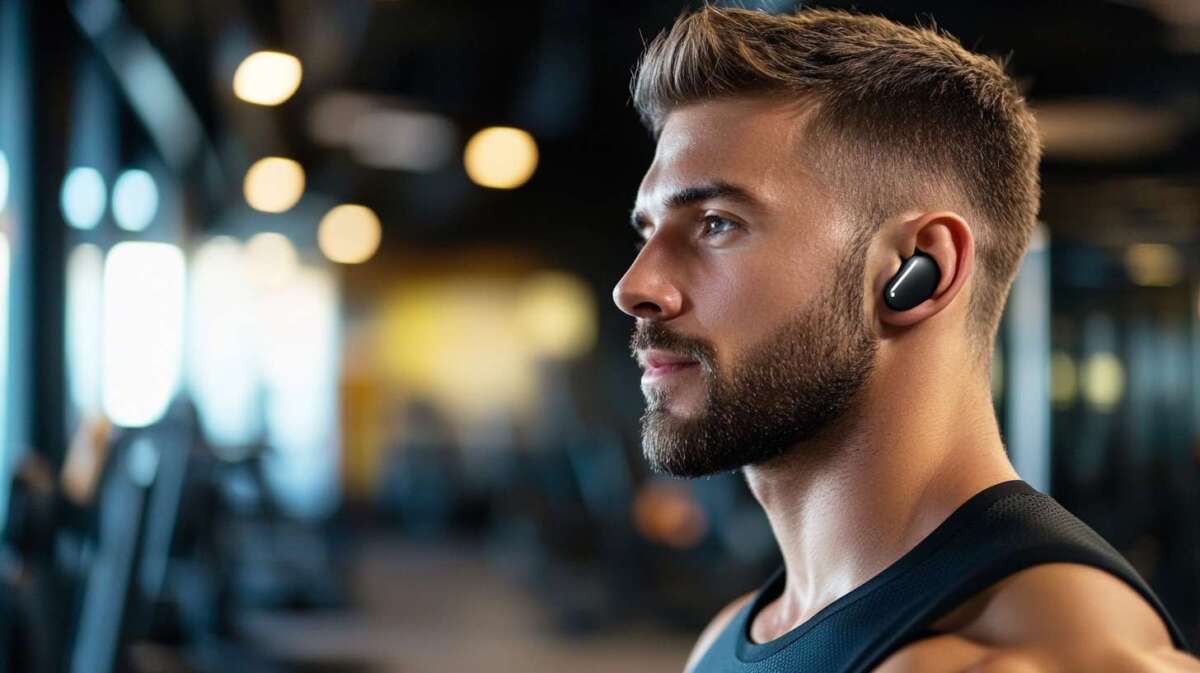
Good workout earbuds should fit securely, resist sweat, sound clear, and stay comfortable during hard exercise.
Finding what are good earbuds for working out depends on your training style, ear shape, phone, and need for safety awareness. After comparing fit systems, water ratings, sound quality, battery life, and real gym use, this guide will help you choose with confidence instead of chasing flashy features.

What are good earbuds for working out?
The best workout earbuds stay in place when you run, lift, cycle, or stretch. They should also handle sweat, offer simple controls, and feel light enough for long sessions.
For most people, good workout earbuds include:
• Secure ear tips, wings, or hooks that prevent slipping
• An IPX4 rating or higher for sweat resistance
• Clear sound with strong but controlled bass
• At least six hours of battery life per charge
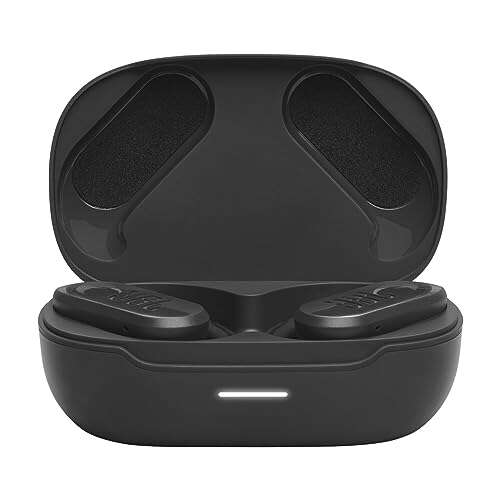
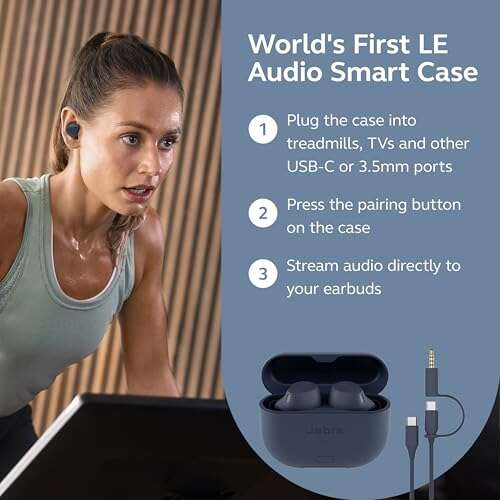
• A charging case that adds several full charges
• Easy controls that work with sweaty fingers
• A comfortable fit for your ear shape
• A transparency mode for outdoor awareness
There is no single best pair for every athlete. A runner may need open-ear audio and wind control. A weightlifter may prefer strong noise cancellation. A swimmer needs a special waterproof design because most standard wireless earbuds are not made for submersion.
When asking what are good earbuds for working out, start with fit and protection. Sound quality matters, but an amazing pair is not useful if it falls out during your first sprint.

The best workout earbuds by user type
Different workouts create different demands. These picks are strong starting points based on design, comfort, controls, and intended use.
Best overall: Beats Fit Pro
Beats Fit Pro remain a strong all-around choice for many gym users. Their small wing tips help anchor the earbuds, and their sound has enough energy for running and strength training.
They work especially well for Apple users because of fast pairing, device switching, and hands-free voice features. Android users can still use them, but some Apple-only tools may not be available.
Best for running outdoors: Shokz OpenRun Pro 2
The Shokz OpenRun Pro 2 uses bone-conduction technology. It sits outside the ear canal, which lets you hear traffic, cyclists, and nearby people more easily.
This design is useful for road runners and walkers. It usually cannot match sealed earbuds for deep bass or quiet listening, but safety and awareness may matter more outside.
Best for Apple users: AirPods Pro 2
AirPods Pro 2 offer strong sound, effective noise cancellation, a useful transparency mode, and a compact case. They are a natural match for iPhone users who want smooth Apple integration.
Their fit is secure for many people, but not everyone. If standard silicone tips slide out of your ears, try another model with wings or ear hooks.
Best for Android users: Samsung Galaxy Buds3 Pro
Galaxy Buds3 Pro make sense for Samsung phone owners. They offer good sound, noise cancellation, and useful controls within the Galaxy ecosystem.
They have a stem design rather than a wing or hook. That makes comfort highly dependent on your ear shape, so buy from a retailer with a clear return policy.
Best for a secure fit: Powerbeats Pro 2
Powerbeats Pro 2 use over-ear hooks to keep each earbud in place. This design is useful for intense workouts, fast intervals, and people who often lose normal earbuds.
The trade-off is size. Ear hooks can feel less discreet, and glasses or masks may compete for space around the ear.
Best value: Anker Soundcore Sport X20
The Soundcore Sport X20 offers rotating ear hooks, strong bass, and a workout-focused design at a lower price than many premium models. It is a practical option for gym users who want a secure fit without a premium cost.
Its app also gives you more control over sound. However, microphone quality and noise cancellation may not equal the most expensive competitors.
Best for open-ear comfort: Bose Ultra Open Earbuds
Bose Ultra Open Earbuds rest beside the ear rather than sealing the ear canal. This keeps your ears open and can feel comfortable during walks, office workouts, and outdoor exercise.
They are not the best choice if you want powerful bass or strong isolation. They also do not block nearby noise, so loud gyms may overwhelm the music.

How to choose good earbuds for working out
Knowing what are good earbuds for working out means looking past brand names. Use the features below to match the earbuds to your routine.
Fit and stability
Fit is the most important feature. Earbuds should stay in place without causing pressure or pain.
Common fit styles include:
• Silicone ear tips: These create a seal and often improve bass and noise blocking.
• Ear wings: Small fins press against the outer ear for added stability.
• Ear hooks: Hooks wrap around the ear and work well for hard training.
• Open-ear designs: These sit outside the ear canal and improve awareness.
• Bone-conduction designs: These send sound through the bones near the ear.
Try several ear tip sizes before deciding that a pair does not fit. Many people use tips that are too small, which causes weak bass and loose earbuds. Tips that are too large may cause soreness after thirty minutes.
A secure fit should feel stable, not tight. You should be able to shake your head and move your jaw without the earbuds shifting.
Sweat and water resistance
Look for an IP rating. The first number describes protection from dust, while the second number describes protection from water.
For workouts, these ratings are common:
• IPX4: Resists splashes and sweat from any direction.
• IPX5: Resists water jets but is not designed for soaking.
• IPX7: Can handle temporary immersion under stated test conditions.
• IP57: Adds dust protection and water resistance.
An IP rating does not mean you can swim with the earbuds. Salt, chlorine, soap, and heat can still damage seals and charging contacts.
Dry the earbuds before placing them in the case. Moisture trapped inside the case can lead to charging problems and corrosion.
Sound quality
Good workout earbuds should make vocals clear and bass controlled. Heavy bass can make music exciting, but too much bass may hide detail and cause listening fatigue.
For training, look for:
• Clear vocals for podcasts and coaching
• Tight bass for rhythm and motivation
• Smooth treble without harsh hiss
• A stable connection during movement
• Adjustable equalizer settings
A flat sound profile works well for podcasts. A mild bass boost can make music feel more lively. Do not assume the loudest earbuds sound the best.
Noise cancellation and transparency mode
Active noise cancellation, or ANC, uses microphones to reduce outside sound. It can help you focus in a loud gym or on public transit.
Transparency mode does the opposite. It brings outside sound into the earbuds so you can hear announcements, traffic, or a training partner.
Use ANC indoors when appropriate. Use transparency or an open-ear model near roads, in busy parks, and anywhere you need to hear your surroundings. Health agencies commonly advise keeping personal audio at a moderate volume, especially during long listening sessions.
Battery life
Most modern workout earbuds provide several hours of playback. That is enough for a workout, commute, and part of the workday.
Consider both earbud and case battery life:
• Six hours or more per charge is useful for most workouts.
• Eight to twelve hours helps during travel or long outdoor sessions.
• A case with two or more extra charges reduces daily charging.
• Fast charging can provide enough time for a short workout after a quick charge.
• Wireless charging is convenient but not essential.
Battery life changes with ANC, phone calls, high volume, and temperature. Treat advertised battery numbers as estimates, not guarantees.
Controls and phone calls
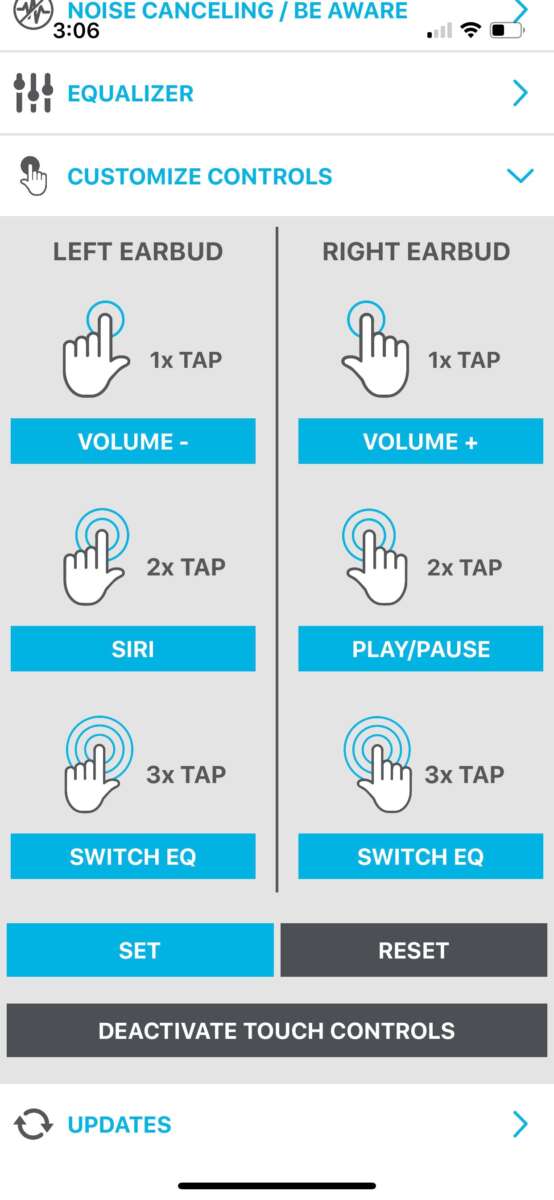
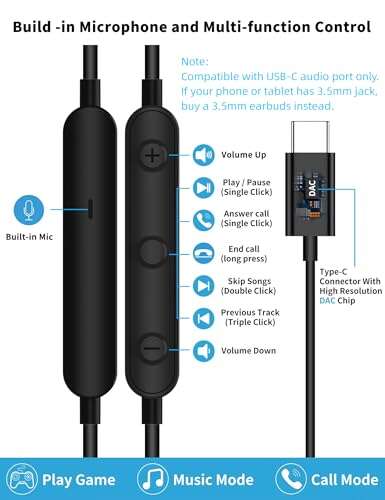
Physical buttons can work better than touch panels during exercise. Touch controls may misread sweat, hair, or a hood.
Useful controls include:
• Play and pause
• Volume adjustment
• Track skip
• Transparency and ANC switching
• Answering calls
• Voice assistant access
If you take calls after workouts, check microphone performance. Wind can make outdoor calls difficult, even when music sounds excellent.

Earbuds versus headphones for exercise
Earbuds are smaller and lighter than over-ear headphones. They fit under hats and are easier to carry in a gym bag.
Over-ear headphones can provide a wider soundstage and longer battery life. They may also feel more comfortable for people who dislike anything inside the ear. However, they can become warm, shift during fast movements, and absorb sweat around the ear cushions.
Choose earbuds if you want:
• A small, light design
• Easy storage
• Better compatibility with hats and helmets
• Less heat around your ears
• A discreet look
Choose workout headphones if you want:
• Long battery life
• Large physical buttons
• Less pressure inside the ear canal
• A more spacious sound
For most active users, earbuds are the more practical choice. The right answer still depends on comfort.

Are wireless earbuds safe for workouts?
Wireless earbuds are generally safe when used at a sensible volume and kept clean. Bluetooth uses low-power radio signals, and current evidence does not show normal Bluetooth earbud use causing the type of health harm many people fear.
The more realistic risks are loud sound, poor awareness, moisture damage, and ear irritation. Listening too loudly for too long can contribute to noise-induced hearing loss.
Follow these habits:
- Keep the volume low enough to hear important sounds when safety allows.
- Take short listening breaks during long sessions.
- Use transparency mode near traffic and in crowded spaces.
- Clean ear tips often.
- Stop using earbuds if you develop pain, swelling, discharge, or lasting ringing.
- Do not share unclean earbuds.
A simple test helps: if someone standing close to you can hear your music clearly, the volume may be too high.

Common mistakes to avoid when buying workout earbuds
Many buying mistakes come from focusing on specifications instead of daily use. A long feature list does not guarantee comfort or durability.
Avoid these errors:
• Buying earbuds without checking the water rating
• Choosing a loose fit because the design looks attractive
• Assuming all earbuds are safe for swimming
• Ignoring return policies
• Selecting strong ANC for outdoor running
• Forgetting that charging cases can also collect sweat
• Buying a model with poor controls for your workout style
• Using earbuds at high volume to overcome gym noise
• Wearing earbuds while they are still wet
• Expecting one pair to work perfectly for running, swimming, and weightlifting
I have found that fit causes more frustration than sound quality. A slightly less detailed pair that stays secure is often better than a premium pair that needs constant adjustment.
The best approach is to test comfort for at least thirty minutes. Walk, bend, shake your head, and move your jaw. A store return window is valuable because pressure discomfort may not appear right away.

How to care for workout earbuds
Sweat contains salt and minerals that can affect metal contacts, microphones, and speaker mesh. Basic care can extend the life of your earbuds.
Use this routine:
• Wipe the earbuds with a soft, dry cloth after training.
• Remove silicone tips and wash them with mild soap when needed.
• Let the tips dry fully before reattaching them.
• Keep the charging case dry and clean.
• Do not use sharp tools to clear the speaker mesh.
• Avoid extreme heat, such as leaving the case in a hot car.
• Charge the case with clean, dry contacts.
• Store the earbuds in their case instead of loose in a gym bag.
Do not charge wet earbuds. Water inside the charging contacts can cause failure or, in rare cases, electrical damage.
Clean earbuds also feel better. Wax and sweat can block the mesh, reduce volume, and make one side seem quieter.

A simple buying checklist
Use this checklist before choosing what are good earbuds for working out:
• Workout type: running, lifting, cycling, walking, or mixed training
• Location: indoor gym, road, trail, office, or home
• Fit: tips, wings, hooks, or open-ear design
• Water protection: at least IPX4 for general sweat
• Safety: transparency mode or open-ear audio for outdoor use
• Battery: enough for training and your commute
• Controls: easy to operate while moving
• Phone: iPhone, Android, or both
• Comfort: no pain after extended wear
• Warranty: clear coverage and a practical return policy
• Budget: buy the best fit and protection within your range
If you run outdoors, prioritize awareness and stability. If you lift indoors, ANC may help you focus. If you train for long periods, battery life and comfort deserve more attention than extra audio features.

Frequently asked questions about what are good earbuds for working out
What are good earbuds for working out if they keep falling out?
Choose earbuds with wings or over-ear hooks. You can also try a different silicone tip size, since a poor seal often causes slipping.
Are AirPods good for working out?
AirPods Pro 2 can be good for workouts because they offer a secure in-ear fit, sweat resistance, transparency mode, and strong sound. Standard AirPods may work for light exercise, but their loose fit does not suit everyone.
What IP rating should workout earbuds have?
IPX4 is a reasonable minimum for general gym use because it protects against splashes and sweat. Choose a higher rating for very sweaty training, but remember that most workout earbuds are not designed for swimming.
Are open-ear earbuds better for running?
Open-ear earbuds can be better for outdoor running because they let you hear traffic, cyclists, and other people. They usually provide less bass and noise isolation than sealed earbuds.
Can you use wireless earbuds while swimming?
Most wireless earbuds should not be used for swimming, even if they have some water resistance. Swimming requires a model designed for submersion, and Bluetooth signals also do not travel well through water.
How loud should workout earbuds be?
Keep the volume at the lowest level that lets you enjoy the audio. If you cannot hear nearby sounds or someone else can hear your music clearly, lower the volume.
How long should workout earbuds last?
Many quality workout earbuds can last several years with careful use, but battery capacity slowly declines. Sweat exposure, charging habits, heat, and physical damage affect their lifespan.
Conclusion
Good workout earbuds should match your body, training style, and surroundings. Prioritize a secure fit, sweat resistance, clear sound, useful controls, and enough battery life before chasing premium features.
For outdoor training, consider open-ear audio or transparency mode. For gym sessions, sealed earbuds with ANC may be more useful. For intense movement, wings or ear hooks can provide the stability that standard earbuds lack.
Use this guide to compare your top choices, test the fit, and protect your hearing with moderate volume. Once you find what are good earbuds for working out for your routine, your next session can feel more focused, comfortable, and enjoyable. Share your favorite workout earbuds or explore more fitness audio guides to keep improving your setup.

Everett Ashford is a tech reviewer at mytechgrid.com specializing in SSDs, cameras, TVs, earbuds, headphones, and other consumer electronics. He provides honest, data-driven reviews based on hands-on testing and real-world performance analysis. Everett simplifies complex tech details to help readers make smart, confident buying decisions.