In the United States, talking to someone wearing headphones is not always rude. The polite choice depends on the setting, the person’s behavior, and how urgent your message is.
Headphones often signal, “I want quiet,” “I am busy,” or “Please do not interrupt.” Still, people may wear them without listening to music. They could be on a work call, using noise reduction, or trying to focus in a loud place. A brief, respectful attempt is usually fine. The rude part is often not starting the conversation—it is ignoring a clear signal that the person does not want to engage.

What Do Headphones Signal in American Social Etiquette?
Headphones usually signal that a person wants to limit conversation. They are a modern form of the older “do not disturb” cue, much like reading a book, closing an office door, or looking down at a laptop.


The signal is not absolute. Some people wear headphones for comfort, focus, accessibility, or background sound. Others may still expect to interact with coworkers, family members, or service staff.
Context changes the meaning:
- Both ears covered: This is usually a stronger request for privacy or focus.
- One earbud removed: This often suggests the person is open to a short exchange.
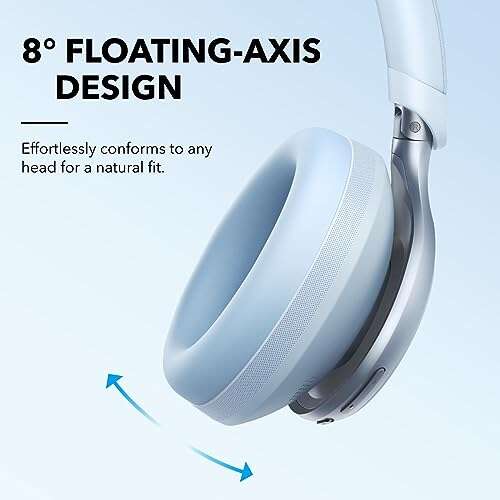
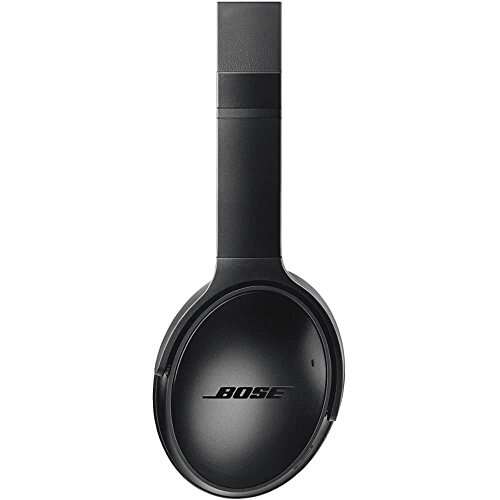
- Noise–canceling headphones: The person may not hear you at all.
- Headphones in a workplace: They may indicate focus, but company rules and team norms still matter.
- Headphones in a public place: A quick question may be acceptable, but repeated interruptions are usually not.
- Headphones during a conversation: Continuing to wear them can seem dismissive unless the person explains why.
The safest interpretation is simple: headphones mean “interrupt only when needed.”

When Is It Acceptable to Talk to Someone Wearing Headphones?
It is generally acceptable to speak to someone with headphones when you have a clear reason, use a gentle approach, and give them an easy way to decline.
Good reasons include:


- You need to ask a short work-related question.
- You are a customer speaking with an employee.
- You need directions or help in a public place.
- You are part of the same group or meeting.
- There is an immediate safety concern.
- You need to tell them that their car, bag, or belongings may be at risk.
- You are responding to a practical matter, such as a delivery or appointment.
In these cases, the goal is not to force attention. The goal is to make one polite attempt.
A useful opening is:
“Excuse me—do you have a quick minute?”
If the person pauses the audio, removes a headphone, or turns toward you, continue briefly. If they shake their head, point to the headphones, or return to what they were doing, stop and give them space.
When should you not interrupt?
Avoid interrupting when the person is:
- Walking near traffic or crossing a street
- Exercising intensely
- Driving or cycling
- In a meeting or presentation
- Speaking with someone else
- Clearly working under a deadline
- Asleep or resting
- Wearing headphones in a quiet study area
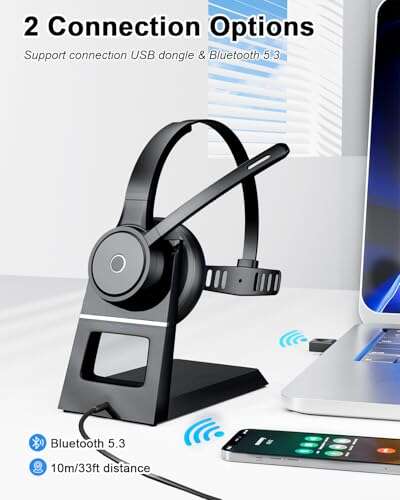
- Wearing a headset during a visible phone or video call
A safety issue is the main exception. If someone may be in danger, speak clearly and get their attention. Do not rely on a soft tap if the person may not hear it.
How Do You Politely Get the Attention of Someone Wearing Headphones?
The best method is brief, visible, and nonthreatening. Do not shout from across the room or touch the person without a strong reason.
Use this sequence:
- Move into the person’s field of view. Stand where they can see you, while respecting personal space.
- Use a small wave or open-hand gesture. This gives them a chance to notice you without startling them.
- Say “Excuse me” once. Use a calm voice.
- Wait a moment. Give the person time to pause the audio.
- Ask whether they have a moment.
- Keep the question short.
- Accept “not now” without pressure.
For example:
“Excuse me. Is now a bad time? I have one quick question.”
This wording works because it gives the person control. It also avoids assuming that headphones mean they are available.
Should you tap someone on the shoulder?
Usually, no. Touch can startle someone, and some people may feel uncomfortable being touched by a stranger or coworker. A visual signal is better.
A light tap may be reasonable if:
- There is an immediate safety issue.
- The person cannot see your gesture.
- You know the person well and this is normal between you.
- You are trying to alert them in a noisy setting.
Even then, tap the upper arm or shoulder lightly, not the head or earphones. Avoid grabbing, blocking, or shaking the person.


What if the person does not respond?
Assume they may not have heard you. Do not keep calling, waving aggressively, or touching them repeatedly.
If the matter is not urgent, wait or send a text or message. If it is urgent, use a clear visual signal and explain the reason once you have their attention.

Is It Rude to Talk to Someone Wearing One Earbud?
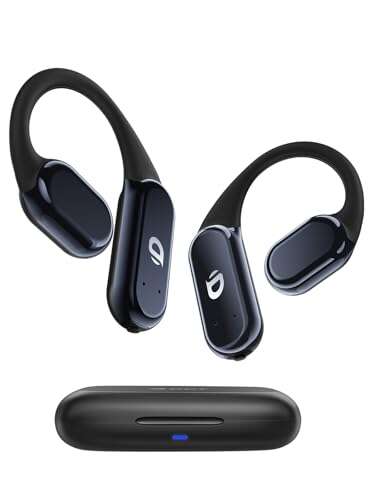
Talking to someone wearing one earbud is usually less intrusive than talking to someone with both ears covered. Still, one earbud does not guarantee that the person wants to chat.
A person may use one earbud to stay aware of nearby sounds. They may also be listening to a call, podcast, class, or work meeting. Look for additional cues before speaking:
- Are they making eye contact?
- Are they looking around or waiting?
- Did they remove the earbud when you approached?
- Are they working, walking, or relaxing?
- Do they appear rushed?
A short question is usually fine. Start with “Excuse me” rather than launching into a long story.
If the person keeps the earbud in and gives a brief answer, treat that as a sign to finish quickly. If they remove it and face you, they may be open to a fuller conversation.

Is It Rude to Talk to Someone Wearing Headphones at Work?
At work, headphones often mean the person is concentrating, in a meeting, or handling a task that requires quiet. Interrupting may be rude if the issue can wait.
Workplace norms matter more than a universal etiquette rule. Some offices allow headphones at any time. Others expect employees to stay available. A team may also use a status tool, office sign, or messaging app to show availability.
Before interrupting, ask:
- Is the issue urgent?
- Can I send a message instead?
- Does the person have a “busy” or “do not disturb” status?
- Is there a team rule about headphones?
- Have they asked coworkers not to interrupt?
For a nonurgent matter, send a short message such as:
“When you have a moment, could you review this?”
For an urgent matter, say:
“Sorry to interrupt. I need your answer before the 2 p.m. deadline.”


That gives a reason and a time limit. It also helps the person decide how to respond.
Are headphones unprofessional at work?
Not by themselves. Headphones can support focus and reduce distractions. They become a workplace problem when they prevent needed communication, cause missed instructions, or conflict with safety rules.
Employees who wear headphones should also help others by:
- Checking messages at agreed times
- Removing headphones during meetings
- Following workplace safety rules
- Using a visible availability signal
- Telling coworkers when they are unavailable
- Keeping the volume low enough to notice important alerts when required
Employers should set clear rules rather than relying on guesswork. A simple policy can explain when headphones are allowed, when they must be removed, and how employees should handle urgent contact.

Is It Rude to Talk to Someone Wearing Headphones in Public?
A brief question in public is usually acceptable, especially if you need directions, help, or information. The interaction should remain short and respectful.
For example, asking a station employee, store worker, or airport staff member for help is different from trying to start a long conversation with a stranger who is sitting quietly with headphones on.
Public etiquette favors a quick check:
“Excuse me, could you point me toward the nearest exit?”
If the person is not an employee and does not respond, leave them alone unless safety requires otherwise. Do not assume that a stranger wearing headphones wants to meet people or make conversation.
What about talking to a friend?
Friends may have different habits. Some friends welcome interruptions. Others use headphones to signal that they need personal time.
A considerate approach is:
“Hey, are you free to talk, or should I catch you later?”
This question prevents unnecessary frustration. It also makes the relationship more respectful because it treats attention as something the other person can offer, not something you can demand.



Headphones, Hearing, and Safety
Headphones can reduce a person’s awareness of voices, alarms, vehicles, and other sounds. That does not make the person impolite. It means you may need a safer way to communicate.
The Centers for Disease Control and Prevention and the National Institute for Occupational Safety and Health warn that loud sound can contribute to hearing damage. The World Health Organization also provides safe-listening guidance, but U.S. readers should follow applicable workplace and transportation rules in their location.
Use extra care around:
- Parking lots
- Roads and intersections
- Construction areas
- Train platforms
- Busy bike paths
- Industrial workplaces
- Emergency situations
- Moving equipment
Do not step into traffic to get someone’s attention. Do not chase a person who is walking away. If the danger is serious, alert nearby staff, security, or emergency services rather than creating another hazard.
Some workplaces restrict headphones because workers need to hear alarms or communicate near machinery. Those rules are about risk control, not manners.
Do headphones make people less aware?
They can. Awareness depends on the headphone type, volume, noise cancellation, surroundings, and the person’s attention. No single headphone feature guarantees safety.
For that reason, people wearing headphones should remain alert in shared spaces. People trying to speak with them should also avoid sudden contact and use visible signals when possible.
A Simple Decision Guide
Use the following guide when you are unsure whether to interrupt someone wearing headphones.
| Situation | Best approach | Why |
|---|---|---|
| Immediate danger | Get attention clearly and quickly | Safety takes priority |
| Quick work question | Use a visual cue, then ask briefly | The matter may be important but does not need a long interruption |
| Nonurgent work issue | Send a message or wait | The headphones may signal focused work |
| Asking a store or transit employee for help | Say “Excuse me” | Their job may require them to assist you |
| Stranger relaxing in a public place | Avoid interrupting unless necessary | Headphones often signal a wish for privacy |
| Friend with one earbud | Ask if they are free | One earbud is not a guaranteed invitation |
| Person on a visible call | Wait or send a message | Interrupting may disrupt a private or professional call |
| Person walking near traffic | Use a safe visual signal; do not step into danger | Both people need to remain safe |
The main trade-off is simple: the more urgent the issue, the more direct you may need to be. The less urgent the issue, the more you should respect the headphone signal.
Common Mistakes to Avoid
Several behaviors can make a normal interruption feel rude.
Repeating the person’s name loudly
The person may not hear you because of the headphones, not because they are ignoring you. Loudly repeating their name can embarrass them, especially in a quiet public place.
Touching the headphones
Do not remove, lift, or pull another person’s headphones. They are personal items and may be expensive or fragile.
Starting a long conversation
Begin with the purpose of the interruption. Do not make the person guess why you need their attention.
Assuming headphones mean disrespect
People wear headphones for many reasons, including focus, sensory comfort, hearing support, and stress relief. The item alone does not reveal the person’s attitude.
Treating a refusal as an insult
A person who says “not now” may be busy, tired, overwhelmed, or unable to hear well. A polite response is:
“No problem. I’ll catch you later.”
Wearing headphones when you need to stay available
If you expect people to speak with you, headphones can send the wrong message. Use one earbud, pause the audio, or tell nearby people that you are available.
How to Set a Polite Headphone Boundary
If you wear headphones and want fewer interruptions, make your boundary clear. Headphones alone may not communicate the full message.
Try these options:
- Tell coworkers, “I am focusing for the next 30 minutes.”
- Use a calendar status or workplace messaging status.
- Remove the headphones during scheduled conversations.
- Set a regular time to check messages.
- Use a note or sign when you work in a shared space.
- Explain how people should contact you for urgent issues.
A clear boundary is kinder than silently becoming frustrated. It also helps others distinguish between “I need quiet” and “I cannot hear you.”
If you use headphones because of sensory needs, hearing concerns, anxiety, or another disability, you do not owe strangers a personal explanation. In a workplace, you may choose to discuss practical accommodations with a manager or human resources professional if communication or safety becomes difficult.
The Bottom Line
Is it rude to talk to someone with headphones? Not automatically. A short, polite interruption is usually acceptable when you have a real reason, especially at work, in a service setting, or during a safety concern.
The respectful method is to get the person’s attention without shouting or grabbing, ask whether they have a moment, state your purpose, and stop if they signal that they are unavailable. Headphones are a request for limited access to someone’s attention—not an absolute ban on communication.
FAQs
Should I wait until someone takes off their headphones before speaking?
If the matter is not urgent, waiting is considerate. If you need to speak, use a visible gesture and say “Excuse me” once. Give the person time to respond before trying again.
Is it rude to interrupt someone with noise-canceling headphones?
It can be rude if the matter is minor and you persist after they do not respond. Noise-canceling headphones may prevent the person from hearing you, so use a visible signal and keep the interruption brief.
Is it rude to wear headphones while someone is talking to me?
Usually, yes, unless you explain the reason. Keeping headphones on during a conversation can suggest that you are not listening. Removing them or pausing the audio shows respect.
What should I do if someone ignores me while wearing headphones?
Assume they may not have heard you. Try one visible signal or send a message. If the issue is not urgent, do not repeatedly call, touch, or follow them.
Can headphones be a reasonable workplace accommodation?
They may be part of a person’s way to manage focus, sound, or sensory needs, but workplace safety and communication still matter. Discuss practical options with a manager or human resources professional when headphones affect essential duties or safety rules.
Sources and Further Reading
- Emily Post Institute: Workplace and general etiquette guidance
- Centers for Disease Control and Prevention: Noise and hearing loss prevention
- National Institute for Occupational Safety and Health: Occupational noise exposure
- Occupational Safety and Health Administration: Occupational noise exposure
- World Health Organization: Safe listening

Everett Ashford is a tech reviewer at mytechgrid.com specializing in SSDs, cameras, TVs, earbuds, headphones, and other consumer electronics. He provides honest, data-driven reviews based on hands-on testing and real-world performance analysis. Everett simplifies complex tech details to help readers make smart, confident buying decisions.