The best laptop for PowerPoint, Word, and videos needs a fast processor, clear display, strong battery life, and easy ports.
You may know the problem: your slides look fine at home, yet your laptop slows down when you open PowerPoint, Word, a web browser, and a video at the same time. A good work laptop should stay calm during that busy moment. It should also connect to a projector, play videos without stutter, and feel easy to carry. In this guide, I explain the key laptop features to look for in 2026. I also review the supplied wireless presentation clicker, which can make your laptop-based presentations smoother and more professional.
See the differences between my top pick for presentation control and the main laptop features to seek at a glance.
Rechargeable Bluetooth Presentation Clicker

This rechargeable presentation clicker is a useful add-on for anyone who uses a laptop for PowerPoint talks. It supports Bluetooth and RF 2.4GHz connections, so it can suit different computers and presentation rooms. The red light pointer can help direct an audience toward a chart, word, image, or key line on the screen. It also has a compact shape that should fit well in a laptop bag or work case.
The clicker does not replace the best laptop for PowerPoint presentations, Word, and videos. Instead, it helps you control that laptop from a short distance. That matters when you need to face your audience instead of standing beside your computer. Before a live event, I would test its pairing, slide controls, pointer, and battery level with the exact laptop and projector setup.
Pros:
- Supports Bluetooth and RF 2.4GHz connection types
- Rechargeable design avoids regular disposable batteries
- Red light pointer helps highlight content
- Useful for PowerPoint talks, lessons, and meetings
- Small size makes it easy to carry with a laptop
- Allows the presenter to move away from the computer
Cons:
- It is a presentation accessory, not a laptop
- Compatibility may vary by operating system and presentation app
- A pointer may be hard to see on a bright display or large room
- Users still need to test pairing before an important event
What Amazon Buyers Are Saying
Current Amazon feedback should be checked on the live product page because ratings, comments, and stock details can change. The most useful review patterns to look for are simple pairing, reliable next and previous slide control, pointer visibility, battery life, and comfort during a long talk. Buyers should also watch for comments about the included receiver, Bluetooth setup, and use with specific computers.
As with most small wireless accessories, some users may find the setup quick while others may need to follow the pairing steps closely. A buyer who needs a presentation tool for a major event should not rely on a product without testing it first. I would also keep a spare mouse or keyboard nearby, especially when presenting in a new room.
My Recommendation
I recommend this clicker for users who already own a suitable laptop and want more freedom while presenting. It offers the core features most people need: wireless slide control, a red light pointer, and rechargeable power. It is not a substitute for a laptop with enough memory, a clear screen, or a proper video output. Overall, I rate it 4.1 out of 5 as a presentation accessory.
What Makes the Best Laptop for PowerPoint, Word, and Videos?
The best laptop for PowerPoint presentations, Word, and videos does not need to be the most powerful computer in a store. It needs the right balance. A fast modern processor helps apps open quickly. Enough memory keeps several apps running at once. A good screen makes text and slide colors easier to see. A solid battery helps during class, travel, or a long meeting.
PowerPoint and Word often seem light. In real use, people rarely run only one app. You may open a browser for research, a PDF file for notes, a video call, cloud storage, and a music or video file at the same time. That workload needs more than the lowest laptop specification.
Video work adds another need. A laptop should play common video files without pauses or loud fan noise. If you edit video, you need more power than if you only play a short clip inside a presentation. This difference can save you money because you should not pay for high-end editing power if your work only involves playback.
The laptop should also connect to the room. Many meeting rooms still use HDMI. Some newer laptops use USB-C for video output. A laptop with only USB-C may work well, but you might need a suitable adapter. I always check the ports before buying. A great laptop becomes less useful if it cannot connect to the projector or monitor you use.
Processor Needs for Office Work and Video Playback
The processor acts as the main work engine. For basic PowerPoint and Word work, a current entry-level or mid-range processor can be enough. For smoother multitasking, I prefer a modern mid-range chip. Look for current Intel Core, AMD Ryzen, or Apple silicon options rather than an old processor with a familiar name.
Do not judge a processor by its brand alone. Check the model generation and the number of performance cores when possible. Newer chips often use power more wisely. They may also offer better built-in graphics and better support for modern video formats.
For a student or office user, a mid-range processor gives a strong balance. It can handle documents, slides, browsing, music, and normal video playback. A stronger processor makes sense for people who edit video, build large slide decks, run virtual machines, or use demanding design tools.
PowerPoint itself may not need a top-tier chip. Large files can still slow down when they contain many large photos, animations, charts, or embedded videos. The best laptop for PowerPoint presentations, Word, and videos should feel quick when you switch between these tasks.
How Much RAM Do You Need?
Memory, also called RAM, helps the laptop keep open apps ready. In 2026, I would treat 8GB as the basic starting point. It may work for light Word use, small presentations, and simple browsing. Still, 8GB can feel tight when you open many browser tabs, join a video call, and run PowerPoint together.
For most buyers, 16GB is the better target. It gives more room for multitasking and can extend the useful life of the laptop. It also helps when your presentation includes photos, charts, video clips, or several linked files.
Users who edit video or work with large media files may want 24GB or 32GB. That level is not needed for everyone. It makes more sense for content creators, media students, engineers, and professionals who use demanding programs every day.
Check whether the laptop lets you upgrade its memory. Many thin laptops use memory that the owner cannot replace. A fixed 16GB may still be fine, but you should choose carefully because you may not be able to add more later.
Storage: SSD Speed Matters
A solid-state drive, or SSD, makes a laptop feel much faster than an older hard drive. It helps Windows or macOS start quickly. It also reduces the wait when you open a Word file, load a PowerPoint deck, or copy a video.
I recommend at least 512GB of storage for most buyers. A 256GB drive can work if you use cloud storage and keep few videos on the laptop. Yet the operating system, apps, downloads, photos, and media can fill 256GB sooner than expected.
A 1TB SSD suits people who store many videos, photos, slide decks, and project files. It can also reduce the need to carry an external drive. Still, I would keep a backup. A larger drive does not protect your files from loss.
Check whether the product listing says SSD. Some low-cost laptops use small or unusual storage systems. They may work for basic tasks, but an NVMe SSD usually gives a more responsive feel. The exact speed matters less than buying a modern SSD from a reliable laptop brand.
Screen Quality for Slides and Video
A screen affects every task. For PowerPoint, look for a sharp display with a comfortable size. A 13-inch laptop is easy to carry, but text and slide controls may feel small. A 14-inch model often gives a strong balance between travel and work space. A 15- or 16-inch laptop gives more room for documents and timelines but may weigh more.
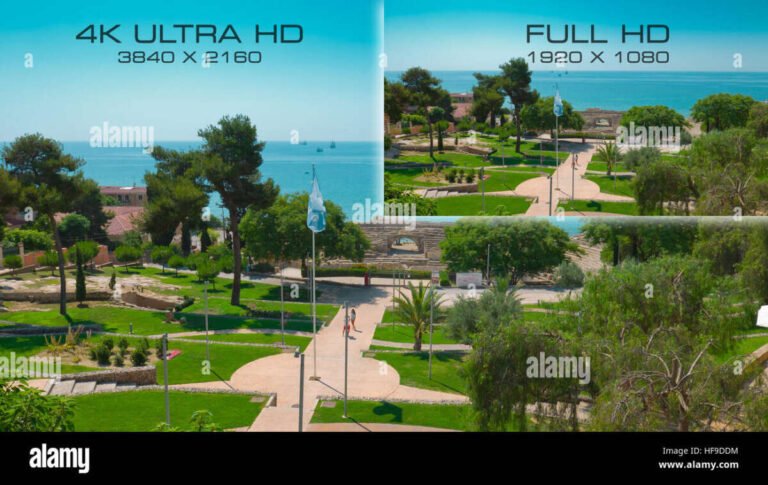
Full HD resolution remains a practical target for most users. It keeps text clear without placing a large drain on the battery. Higher resolutions can look sharper, but they may cost more and use more power. They also do not always improve a presentation shown through an older projector.
Brightness matters in classrooms, offices, and rooms with windows. A dim screen can make slide work tiring. When you compare laptops, look for measured brightness from a trusted review rather than relying only on marketing words.
Color quality matters if your work includes photos, brand colors, product images, or video. A basic screen may still handle Word and normal slides well. If you create visual presentations, choose a display with better color coverage and viewing angles.
A matte screen can reduce reflections. A glossy screen may look rich and bright but can show room lights and windows. I prefer a display that stays readable during long work sessions. Comfort often matters more than a flashy specification.
Battery Life and Charger Choices
Battery life can change based on brightness, browser use, video playback, and wireless connections. A laptop may last much longer during Word work than during video playback. For this reason, treat claimed battery time as a guide rather than a promise.
For a full school or work day, look for a model with strong real-world battery results. Fast charging can help when you have only a short break. A USB-C charger can also reduce the number of chargers in your bag if your phone and other devices use the same standard.
Some thin laptops use a small charger. That helps with travel. Larger performance laptops may use heavier power adapters. If you present in several places, think about the charger size and cable length, not only the laptop weight.
Battery health also matters over time. Keep the laptop cool, avoid blocking its vents, and use the maker’s battery care features when available. A new laptop should not need constant power during normal office work.
Ports for Projectors, Monitors, and Accessories
Ports are easy to overlook. They become important when you arrive at a meeting and find an HDMI cable waiting for you. Many business laptops include HDMI, USB-A, USB-C, and a headphone jack. Some thin models remove HDMI to save space.
USB-C can carry power, data, and video, but not every USB-C port supports video output. Check the product details for DisplayPort Alt Mode, Thunderbolt, or the maker’s video-output information. A USB-C port alone does not guarantee that it can connect to a monitor.
HDMI remains useful for classrooms, conference rooms, and home TVs. If the laptop lacks it, buy a tested adapter before the event. I suggest carrying your own adapter because room cables and adapters may not match your computer.
USB-A ports can help with flash drives, a wireless receiver, a mouse, or a keyboard. The reviewed presentation clicker may use Bluetooth or an RF receiver, depending on the setup. More ports can make your presentation bag simpler.
Operating System and Office Compatibility
Windows laptops work with the full desktop versions of Microsoft Word and PowerPoint. They also support a wide range of projectors, file types, accessories, and meeting apps. This makes Windows a safe choice for many office and school users.
Mac laptops offer strong battery life, a smooth interface, and good video performance on current Apple silicon models. PowerPoint and Word run on macOS, but some advanced Windows-only tools may not. Check the software used by your school or workplace before choosing.
Chromebooks can work well for web-based Word and PowerPoint. They may suit users who live in Microsoft 365 online or Google Workspace. They may not suit people who need the full desktop PowerPoint app, complex add-ins, advanced fonts, or offline editing tools.
File sharing can also cause problems. A presentation may look different if it uses missing fonts, unusual animations, or linked media. Before presenting, save a backup PDF and keep a copy of the video file. Test the final deck on the same type of computer you will use in the room.
Video Playback Versus Video Editing
Playing a video inside PowerPoint needs far less power than editing a video. This is one of the most useful buying differences. If you only insert short clips into slides, a mid-range laptop with 16GB RAM should be enough for most normal projects.
If you edit 4K video, export long projects, or use effects, look for a stronger processor and better graphics. Dedicated graphics can speed up some editing tasks. They can also add weight, heat, fan noise, and price.
For basic video use, integrated graphics can offer better value. Current integrated graphics handle common office media and many video files well. The right choice depends on your editing app, file size, resolution, and export needs.
Storage speed also helps when you move large video files. A fast SSD improves file transfers and project loading. An external SSD can add useful space, but you should check its connection speed and keep backups of important work.
Keyboard, Touchpad, and Camera Quality
You may spend more time typing Word documents than building slides. A comfortable keyboard can reduce hand strain. Look for clear key spacing, firm feedback, and a layout that includes the keys you use often.
A backlit keyboard helps in dim rooms. It also makes last-minute edits easier during a presentation. Some compact laptops remove function keys or use unusual layouts. I suggest checking photos of the keyboard before buying.
The touchpad should track smoothly and support common gestures. A poor touchpad can slow down file work. If you use the laptop at a desk, a wireless mouse can help, but a good touchpad still matters when you travel.
Many presentations now include video calls. A clear webcam and useful microphone can make remote meetings better. Check whether the laptop uses a 720p or 1080p camera, but remember that lighting also affects image quality. A good camera cannot fix a dark room.
Build Quality, Weight, and Travel
A presentation laptop often travels between home, work, school, and meeting rooms. A lighter model feels better in a bag. A heavier model may offer a larger screen, more ports, or stronger cooling.
Look for a firm hinge. The screen should stay in place when you type or move the laptop. A rigid body can also protect the computer during regular travel. Metal builds may feel premium, while quality plastic can reduce weight and price.
Do not judge durability by material alone. Read the warranty terms and check the return policy. A trusted service network can matter more than a metal lid if you depend on the computer for work.
The best laptop for PowerPoint presentations, Word, and videos should fit your real routine. A large laptop may suit desk work. A compact model may suit a teacher who moves from room to room. Choose for your daily carry, not only for a specification sheet.
Security and Reliability for Work Files
Office files can contain private data. A laptop with a fingerprint reader or secure face login can make sign-in easier. Hardware security features may matter to business users, but home users should still use strong passwords and automatic updates.
Keep Windows or macOS updated. Update Office apps too. Updates can fix security problems and improve support for newer file types. Avoid opening unknown attachments on the same laptop that holds your work files.
Use cloud storage or an external drive for backups. A presentation saved in only one place can disappear after a spill, drive problem, or accidental deletion. I like keeping the final slide deck, a PDF copy, and all video clips in one backup folder.
Reliability also includes sleep and wake behavior. A laptop that takes too long to wake can create stress before a talk. Test your full setup well before the event. Open the deck, play the video, connect the display, and check the sound.
Presentation Tips for PowerPoint, Word, and Video
Start with a clean file name. Include the date or version number. This simple step helps prevent you from opening an old deck in front of an audience.
Use common fonts when possible. If you use a special font, embed it or export a PDF backup. Fonts can change the layout when you move the file to another laptop.
Compress very large images when the file becomes slow. Large photos can make a deck heavy. Use a suitable image size for the screen or projector instead of inserting a huge camera file.
Test every video. Confirm that the sound comes from the right output. Check that the video starts at the correct point and that the file remains in the same folder as the presentation if PowerPoint links to it.
Turn off notifications before the talk. Close extra apps and browser tabs. Set the laptop to stay awake while connected to power. These steps reduce distractions and improve the chance of a smooth session.
Use a presentation clicker only after you test it. Pair the reviewed rechargeable clicker with the laptop. Move through the deck, return to an earlier slide, and test the red pointer. Keep the laptop close enough to reach if the wireless control stops responding.
Common Buying Mistakes to Avoid
The first mistake is buying only by price. A very cheap laptop may have little storage, limited memory, a dim screen, or weak ports. It may still work for simple Word files, but it can feel frustrating when your workload grows.
The second mistake is buying too much power. A gaming laptop may run every office app well, but it can be heavy and loud. If you only play videos and edit slides, a balanced business or student laptop may serve you better.
The third mistake is ignoring the display connection. Check HDMI and USB-C details before you order. Also check whether the adapter you need supports the resolution and refresh rate of your monitor or projector.
The fourth mistake is choosing 8GB of RAM for a long-term heavy workload. It may work today, but 16GB gives you more comfort for browser tabs, office apps, and media. If the RAM cannot be upgraded, think carefully about your future needs.
The fifth mistake is failing to test the complete setup. A laptop, clicker, projector, cable, and presentation file must work together. A short practice session can reveal problems with sound, fonts, video files, or wireless pairing.
How to Choose Best Laptop for PowerPoint Presentations Word and Videos
Choosing the best laptop for PowerPoint presentations, Word, and videos means matching the computer to your actual work. Focus on the three areas below. They cover speed, presentation quality, and long-term value without pushing you toward features you do not need.
1. Match the Laptop to Your Workload
Start by listing what you do in a normal work session. If you write documents, make simple slides, browse the web, and play short clips, a current mid-range laptop with 16GB RAM and a 512GB SSD should offer a comfortable experience.
If you edit video, use large images, or run many apps, move up to a stronger processor and more memory. Do not pay for a dedicated graphics card unless your editing software or creative work can use it. For simple video playback, good integrated graphics may be enough.
Think about the next three to five years. A laptop with more memory and storage may cost more now, but it can avoid an early upgrade. Also check whether the RAM and SSD can be replaced. Upgrade options add value.
2. Check the Presentation Screen and Ports
A good display makes slide work easier. Look for a sharp screen with useful brightness and comfortable viewing angles. Choose a size that fits your bag and desk. A 14-inch screen often works well for people who travel and still need room to edit documents.
Then check the ports. HDMI offers simple projector support. USB-C can be useful for newer displays, charging, and docking, but confirm that it supports video output. If you need an adapter, include its price in your total budget.
Do not forget sound. Play a sample video before a presentation. Check the speakers, headphone jack, Bluetooth connection, and volume controls. A laptop can show a video correctly while sending sound to the wrong device.
3. Compare Comfort, Battery, and Total Value
Look past the processor name. Compare weight, keyboard comfort, touchpad quality, webcam, battery performance, charger size, warranty, and return terms. These features affect your daily use more than a small benchmark difference.
Read current buyer reviews with care. Look for repeated comments about screen quality, fan noise, charging, Wi-Fi, keyboard feel, and customer service. One complaint may show a personal issue. A repeated pattern deserves attention.
Include useful accessories in your budget. You may need a USB-C adapter, external drive, sleeve, mouse, or presentation clicker. The reviewed rechargeable clicker can help with slide control, but it cannot fix a slow laptop or an unreliable display connection.
Finally, buy from a seller with a clear return policy. Test the laptop as soon as it arrives. Open your largest Word file, run your biggest PowerPoint deck, play your video clips, connect an external display, and check the battery. Early testing protects your time.
Final Verdict: Which Should You Buy?
For most users, the best laptop for PowerPoint presentations, Word, and videos is a current mid-range model with 16GB RAM, a 512GB SSD, a bright Full HD screen, and HDMI or reliable USB-C video output. Add the reviewed rechargeable clicker if you want easier slide control.
Choose based on your real workload, not hype. A balanced laptop, tested cables, backed-up files, and a dependable presentation routine will do more for smooth talks than extreme specifications.
FAQs Of best laptop for powerpoint presentations word and videos
How much RAM is best for PowerPoint, Word, and videos?
Choose 16GB for the best balance in 2026. Eight gigabytes may suit light work, while 24GB or 32GB helps with video editing and heavy multitasking.
Is a dedicated graphics card needed for PowerPoint and video playback?
No. Modern integrated graphics can handle normal slides and video playback. A dedicated graphics card makes more sense for frequent video editing, 3D work, or demanding creative software.
Should a presentation laptop have HDMI?
HDMI is useful because many projectors and meeting rooms still use it. If the laptop lacks HDMI, confirm that its USB-C port supports video and buy a suitable adapter.
Is 512GB storage enough for Word, PowerPoint, and videos?
Yes, 512GB suits most office and school users. Choose 1TB if you keep many video files, photos, and project folders on the laptop.
Can I use a wireless presentation clicker with any laptop?
Compatibility depends on the clicker, operating system, connection type, and presentation app. Pair and test the clicker with your exact laptop before an important event.
Is a MacBook good for PowerPoint, Word, and videos?
Yes, current Mac laptops can handle these tasks well. Check software, file, font, accessory, and projector needs if your school or workplace mainly uses Windows.

Everett Ashford is a tech reviewer at mytechgrid.com specializing in SSDs, cameras, TVs, earbuds, headphones, and other consumer electronics. He provides honest, data-driven reviews based on hands-on testing and real-world performance analysis. Everett simplifies complex tech details to help readers make smart, confident buying decisions.