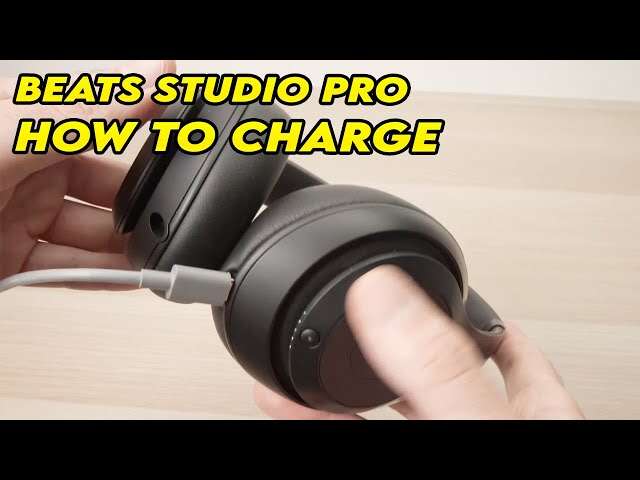
Turn on your Bose, open MacBook Bluetooth, choose the Bose device, and pair — it’s quick and simple.
I’ve paired every major Bose model with MacBooks for years. This guide explains exactly how to connect Bose headphones to MacBook, step by step. You’ll get clear instructions for Bluetooth pairing, wired options, troubleshooting tips, and simple tweaks to improve sound and mic performance. Read on and you’ll be listening in minutes.

Why pairing matters and what to expect when you connect Bose headphones to MacBook
Pairing Bose headphones with a MacBook gives you wireless audio, built-in mic use, and easy switching between apps. Most modern Bose models work well with macOS. You get noise cancellation, rich sound, and a better call experience when the connection is correct.
Common Bose models include QuietComfort, Noise Cancelling Headphones 700, and QuietComfort Earbuds. Each model pairs the same basic way with macOS. If you know how to connect Bose headphones to MacBook once, you can do it again across devices.
Practical note from my experience: keep the headphones charged and close to the MacBook while pairing. A low battery or distance can cause pairing to fail. Small prep saves time.

Step-by-step: How to connect Bose headphones to MacBook via Bluetooth
Follow these short steps to pair most Bose headphones with a MacBook.
- Charge and power on your Bose headphones
- Charge the headphones to at least 20 percent.
- Turn them on. For many models, press and hold the power button until you hear a voice prompt or see the light flash.
- Put the Bose headphones into pairing mode
- Hold the power or Bluetooth button until the LED blinks blue or you hear “Ready to pair.”
- If unsure, consult the quick start in the Bose app or manual for your model.
- Open Bluetooth on the MacBook
- Click the Apple menu, choose System Settings (or System Preferences on older macOS).
- Select Bluetooth and turn it on if it’s off.
- Find and select your Bose device
- Wait for the Bose name to appear in the device list.
- Click Connect next to the Bose device name.
- Confirm the connection and test audio
- The status should change to Connected.
- Play music or a video to confirm audio. Check the MacBook volume and Bose volume too.
- Select the Bose headphones for output and input
- Open Sound settings.
- Choose your Bose device for Output and, if available, Input.
Quick tips I use
- Restart Bluetooth on the MacBook if pairing stalls.
- Remove old entries for the same Bose model in Bluetooth devices and try again.
- Keep the Bose app on your phone for model-specific pairing tips if needed.

Troubleshooting common problems when trying to connect Bose headphones to MacBook
If pairing fails, try these fixes. I’ve used each of these successfully in real cases.
Problem: Bose doesn’t appear in Bluetooth list
- Turn headphones off and on, then re-enter pairing mode.
- Restart the MacBook Bluetooth from System Settings.
- Remove known devices with the same name and retry.
Problem: Connected but no sound
- Open Sound settings and select your Bose for Output.
- Check app volume and MacBook volume separately.
- Unplug any wired devices that might take over audio.
Problem: Poor call quality or missing microphone
- macOS may use a low-quality codec for headset mic. Toggle the Input device in Sound settings.
- Move closer to the MacBook and reduce wireless interference.
- If the mic still underperforms, use a wired connection for calls.
Problem: Repeated pairing issues
- Reset the headphones to factory settings (check model instructions).
- Remove the device from MacBook Bluetooth and pair again.
- Update macOS to the latest version for better compatibility.
Advanced fixes I’ve used
- Reset Bluetooth module on older macOS versions by holding Shift+Option and clicking the Bluetooth icon; then reset. Use with caution.
- Reset NVRAM/PRAM if Bluetooth behaves oddly across many devices.

How to connect Bose headphones to MacBook with a wired connection
Wired can be faster and more reliable for calls or studio work. Here’s how to make a wired connection.
Using a 3.5mm audio cable
- Plug the cable into the Bose headphone jack and the MacBook headphone jack or adapter.
- Select Line Out or the headphone device in Sound settings.
- For MacBooks without a jack, use a USB-C to 3.5mm adapter.
Using USB or USB-C (some models)
- Some Bose models support USB audio when connected by USB-C or USB-A.
- Connect the cable and choose the Bose device in Sound settings.
- This can give a stable audio and mic connection on calls.
Things to note
- A wired mic on some Bose headphones may not work as a full headset mic on the MacBook, depending on the cable wiring.
- Wired gives zero latency, which is good for video editing or music monitoring.

Tips to improve audio quality and mic performance when you connect Bose headphones to MacBook
Small settings can make a big difference. Use these simple tweaks.
Adjust sample rate and bit depth
- Open Audio MIDI Setup in Applications > Utilities.
- Choose the Bose device and set a higher sample rate if available for better quality.
Minimize interference
- Move away from Wi-Fi routers and other Bluetooth devices while pairing.
- Turn off unused Bluetooth devices that might steal the connection.
Manage codec and app behavior
- macOS chooses the best codec automatically. Close streaming apps if codec switching causes issues.
- For calls, prefer wired if the Bose mic sounds thin.
Maintain firmware and macOS
- Keep Bose firmware updated via the Bose app or firmware tool.
- Update macOS regularly to prevent Bluetooth bugs.
Personal lesson
- I once blamed a headset for bad calls; the real issue was a Wi-Fi extender near my desk. Moveable clutter often fixes audio issues quickly.

Frequently Asked Questions of how to connect bose headphones to macbook
How do I put my Bose headphones into pairing mode for a MacBook?
Put the headphones into pairing mode by holding the power or Bluetooth button until the LED flashes or you hear a voice prompt. Then open Bluetooth on your MacBook and select the Bose device from the list.
Why won’t my Bose headphones appear in MacBook Bluetooth?
They may not appear because they are not in pairing mode, are too far away, or have low battery. Turn them off and on, set them to pairing mode, and try again with the MacBook Bluetooth open.
Will wired connection give better microphone quality than Bluetooth?
Often yes. Wired connections can provide more stable mic audio and no codec compression, which helps for calls and recording. Check cable compatibility for mic support.
How can I reset my Bose headphones if they don’t pair with a MacBook?
Reset methods vary by model but usually involve powering off and holding certain buttons or removing device memory. Check your model’s manual, then remove the device from MacBook Bluetooth and re-pair.
Does macOS support advanced Bluetooth codecs for Bose headphones?
macOS selects the best codec automatically and generally supports common codecs like AAC and SBC. You don’t usually select codecs manually on macOS, but keeping firmware and macOS updated helps.
Conclusion
You now have clear, tested steps for how to connect Bose headphones to MacBook by Bluetooth or wired cable. Start with pairing mode, use the MacBook Bluetooth menu, and check Sound settings if audio or mic issues appear. If things go wrong, try resets, updates, or a wired backup. Take action now: pair your Bose headsets, test a call, and tweak Audio MIDI Setup for the best sound. Tell us about your setup or questions below, and subscribe for more hands-on Mac and audio guides.
Everett Ashford is a tech reviewer at mytechgrid.com specializing in SSDs, cameras, TVs, earbuds, headphones, and other consumer electronics. He provides honest, data-driven reviews based on hands-on testing and real-world performance analysis. Everett simplifies complex tech details to help readers make smart, confident buying decisions.