For people in the United States, current evidence does not show that consumer bone conduction headphones damage the brain when used as directed. They do not send sound waves through the brain. Instead, they create small vibrations that travel through the bones of the skull to the inner ear.
That does not make them risk-free. Very loud sound can still harm the inner ear. Long use may also cause skin pain, pressure, headaches, or discomfort. Wireless models also use Bluetooth radio signals, but Bluetooth uses low-power, non-ionizing radiofrequency energy.
The safest answer is simple: bone conduction headphones appear safe for the brain, but safe listening habits still matter.

How bone conduction headphones work
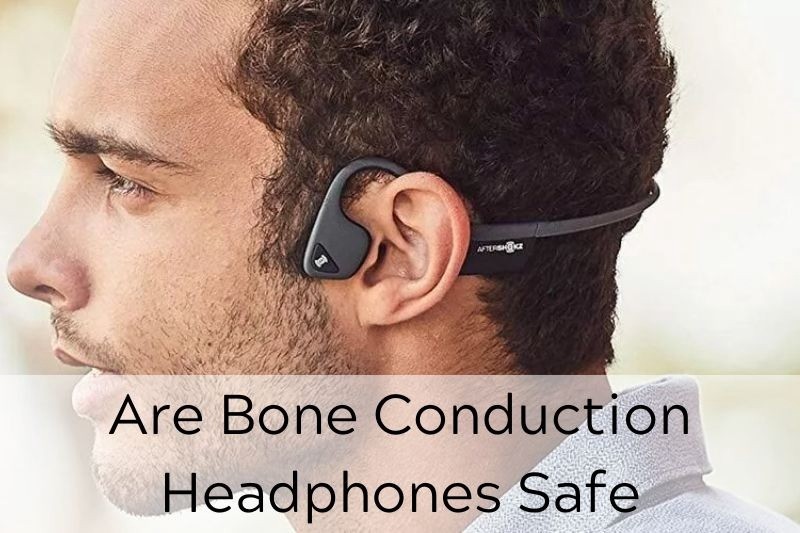
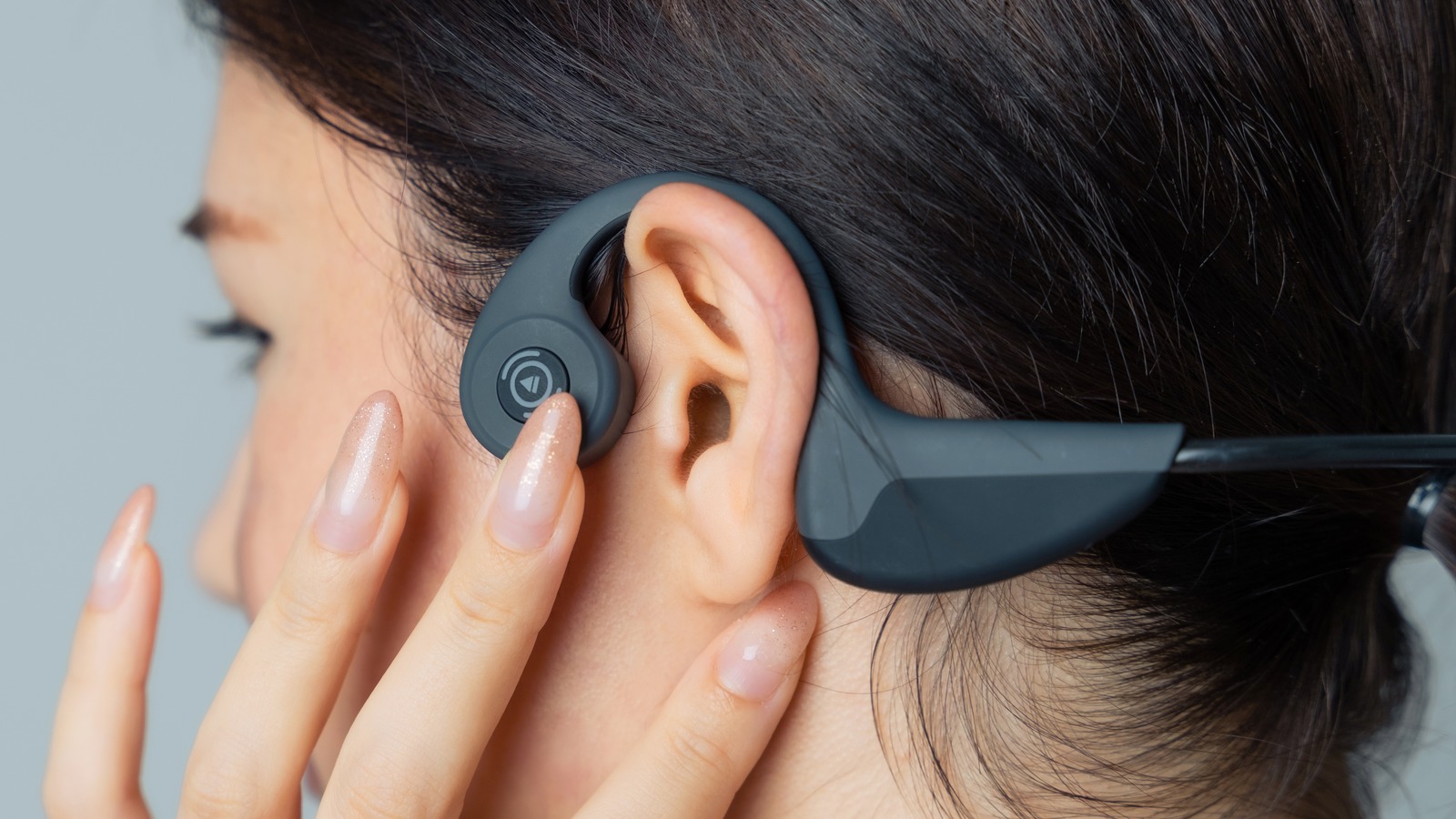
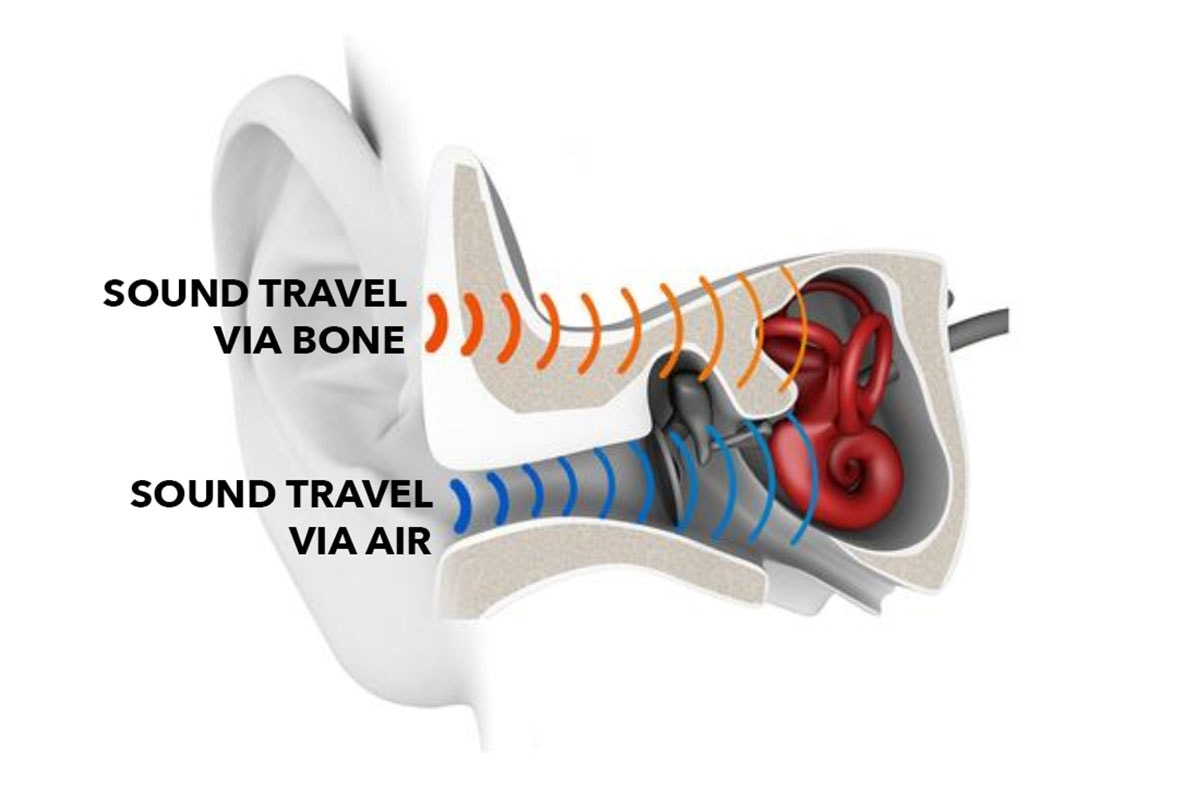
Bone conduction headphones sit near the cheekbones, usually in front of the ears. Small transducers vibrate the skin and bone. Those vibrations reach the cochlea, a fluid-filled part of the inner ear that changes movement into nerve signals.
Traditional headphones send sound through this path:
- Outer ear
- Ear canal
- Eardrum
- Middle-ear bones
- Cochlea
- Auditory nerve
- Brain
Bone conduction skips the outer and middle ear. It does not skip the cochlea or the auditory nerve.
That difference explains why some people with ear-canal or eardrum problems may hear better with bone conduction devices. It also explains why loud bone conduction audio can still affect hearing. The inner ear remains part of the sound pathway.
Do the vibrations reach the brain?
Yes, vibrations can travel through the skull. But that does not mean they shake or injure the brain.
The skull carries very small mechanical vibrations to the cochlea. The cochlea then changes those vibrations into electrical signals. The brain receives those signals as sound.
This is a normal form of hearing. People also use bone conduction when they speak, chew, or hear their own voice. Consumer headphones add controlled vibrations to that natural process.
The available evidence does not establish that normal bone conduction headphone use causes brain injury, memory loss, tumors, or changes in brain function.
Are bone conduction headphones safer than regular headphones?
Not in every way. They may reduce some ear-canal problems because they do not block the canal or press an earbud into it. They may also help users hear nearby sounds.
But the main hearing risk remains. If the sound reaching the cochlea is too loud for too long, it may damage delicate hair cells. Bone conduction does not remove that risk.
What the evidence says about brain safety
The strongest conclusion is one of no established harm, not proof of zero risk.
Research on bone conduction hearing has been used for many years in medicine and hearing science. Bone conduction hearing aids and implant systems are also used under medical care. These facts support the idea that bone vibration itself is not known to harm the brain.
However, consumer headphone studies are more limited. Many studies focus on hearing performance, speech understanding, or device design. They do not test every possible long-term brain outcome.
That means a careful article should avoid two extreme claims:
- “Bone conduction headphones damage your brain.” This is not supported by good evidence.
- “They can never cause any harm.” This is also too strong.
What about Bluetooth radiation?
Most wireless bone conduction headphones use Bluetooth. Bluetooth produces radiofrequency energy, which is non-ionizing. It does not have enough energy to break chemical bonds in the way that X-rays and other ionizing radiation can.
The U.S. Food and Drug Administration says the weight of scientific evidence has not linked radiofrequency exposure from wireless devices to health problems when exposure stays within safety limits. The FDA’s page on cell phones and radiofrequency exposure explains the agency’s position and its limits.
Bluetooth devices usually transmit at much lower power than a cell phone. Still, the exact exposure depends on the device, distance, design, and use.
If you remain concerned, choose wired headphones or turn off Bluetooth when you do not need it. That is a personal preference, not a proven medical requirement.
What remains uncertain?
Long-term research on every consumer bone conduction model is not available. Products differ in power, fit, sound processing, and maximum volume.
Also, sound exposure is not measured in exactly the same way for every bone conduction device. A phone’s volume slider does not give a reliable decibel reading for all models.
The practical lesson is to focus on time, loudness, comfort, and symptoms rather than assume that the headphone type makes loud listening safe.

The real safety risks to watch
The most important risk is hearing damage from loud sound. This risk affects both traditional and bone conduction headphones.
Hearing damage
Loud sound can injure the sensory cells in the cochlea. Those cells do not grow back in humans. Damage may cause:
- Ringing or buzzing in the ears
- Muffled hearing after listening
- Trouble understanding speech
- Increased sensitivity to sound
- A need to raise the volume over time
The National Institute on Deafness and Other Communication Disorders warns that repeated or long exposure to loud noise can cause noise-induced hearing loss.
The National Institute for Occupational Safety and Health uses 85 dBA over eight hours as a workplace exposure limit, with less safe time as volume rises. That number is mainly an occupational guideline. It is not a precise guarantee for consumer headphones, especially because bone conduction output is harder to measure at the cochlea.
Skin and pressure problems
Bone conduction headphones press against the skin near the ears. A tight fit may cause:
- Soreness
- Red marks
- Pressure pain
- Skin irritation
- Sweating or rash
A small amount of pressure may be normal. Pain is a sign to stop and adjust the fit. Do not wear the device over broken skin or an active rash.
Headaches and dizziness
Some users report headaches or a strange vibrating feeling. This may come from tight pressure, high volume, vibration, heat, or an individual sensitivity.
Stop using the headphones if you feel dizzy, nauseated, confused, or unwell. Do not assume that these symptoms are harmless just because the device does not enter the ear.
Reduced awareness
Open-ear headphones can help you hear traffic and other sounds. They do not make you fully aware of your surroundings.
Wind, road noise, music, podcasts, and poor attention can still hide warnings. Never use headphones at a volume that prevents you from hearing a car horn, bicycle bell, alarm, or person nearby.
How to use bone conduction headphones more safely
Use these steps to lower the main risks:
- Start at a low volume. Raise it only enough to understand the audio.
- Keep listening sessions short. Take quiet breaks during long use.
- Lower the volume in noisy places. Do not fight traffic noise by turning the headphones up.
- Use a good fit. The transducers should rest near the cheekbones without painful pressure.
- Clean the contact points. Follow the maker’s cleaning instructions.
- Avoid sleeping in them. Long, unnoticed exposure and pressure can increase discomfort.
- Do not share uncleaned headphones. Clean them between users.
- Keep the device away from water unless it is rated for water use.
- Stop after warning signs. Ringing, muffled hearing, pain, or dizziness deserves a break.
- Use hearing protection when noise is high. Headphones are not a replacement for certified hearing protectors.
A useful rule is the “conversation check.” If you cannot hear a nearby person speaking at a normal level, the audio may be too loud for that setting.
Volume limits can help, but they are not perfect. A phone’s 50% volume may be quiet on one device and loud on another. Use the lowest level that works.
When should you see a health professional?
Contact a medical professional if you have:
- Sudden hearing loss
- New or persistent ringing
- Ear pain or drainage
- Repeated dizziness
- One-sided hearing changes
- Symptoms that continue after stopping use
Sudden hearing loss can require urgent treatment. In the United States, contact a doctor or urgent care service promptly rather than waiting to see if it improves.
People with hearing loss, ear disease, a cochlear implant, or another implanted device should ask an audiologist or ear, nose, and throat specialist about suitable equipment.
Bone conduction headphones versus other headphones
The safer choice depends on the setting and the user. No headphone type wins in every situation.
| Type | Main benefit | Main concern |
|---|---|---|
| Bone conduction | Leaves the ear canal open | Can still deliver loud sound to the cochlea |
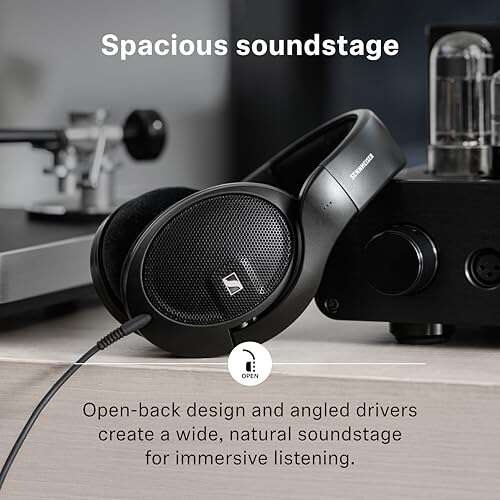
| Open-back headphones | Often feel less sealed | Sound may leak and outside noise may remain |
| Over-ear headphones | May reduce the need to raise volume in some settings | Can block outside sounds and create heat |
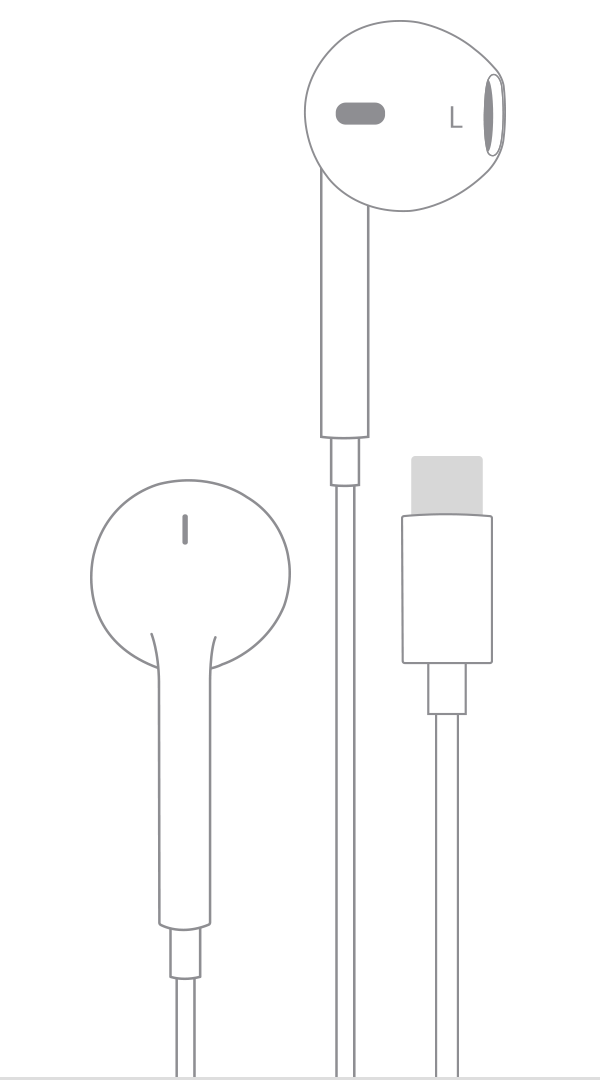
| In-ear earbuds | Small and portable | Can block the ear canal and encourage high volume in noise |
| Noise-canceling headphones | May reduce background noise | Users may still choose excessive volume |
In a quiet room, several types can be safe at a moderate level. On a loud train or near construction work, noise-canceling headphones may help some users avoid turning up the sound. But they are not hearing protection unless the product is specifically rated and used for that purpose.
Bone conduction headphones may be a useful option for people who need an open ear canal. They may also suit people who dislike ear tips. They are not automatically safer for hearing or the brain.

Common myths about brain and bone conduction safety
Myth: Bone conduction sends sound directly through the brain
The vibrations travel through the skull to the inner ear. The brain receives nerve signals after the cochlea processes the vibration. The headphones do not play sound inside the brain.
Myth: Open-ear means risk-free
Open-ear describes the design. It does not describe the volume or exposure time. Loud sound can still reach the inner ear.
Myth: Bone conduction cannot cause hearing loss
It can expose the cochlea to sound energy. The risk depends on loudness, duration, personal sensitivity, and the device.
Myth: Headaches prove that the device is harming the brain
A headache may come from pressure, fit, vibration, heat, dehydration, or sound. It does not prove brain injury. Still, a headache is a reason to stop, rest, and reassess the fit and volume.
Myth: Bluetooth is the main danger
For most users, excessive sound is the clearer and better-established risk. Bluetooth radiofrequency exposure remains a concern for some people, but U.S. health agencies have not established that compliant Bluetooth use causes brain damage.
Key takeaways
- Consumer bone conduction headphones are not known to damage the brain when used as directed.
- They send vibrations through the skull to the cochlea, not through the brain as harmful force.
- They can still contribute to hearing damage if used too loudly or for too long.
- The main practical concerns are hearing loss, ringing, pressure, skin irritation, headaches, and reduced awareness.
- Use the lowest clear volume, take breaks, and stop if symptoms appear.
- Ask an audiologist or doctor before use if you have hearing loss, ear disease, severe dizziness, or an implanted hearing device.
Frequently asked questions
Are bone conduction headphones safe to use every day?
They may be safe for daily use if the volume is moderate, sessions include breaks, and the device does not cause pain or other symptoms. Daily use does not make loud listening safe. Watch for ringing, muffled hearing, or a need to keep increasing the volume.
Can bone conduction headphones cause a concussion?
Normal use should not create the force associated with a concussion. A concussion usually results from a blow, jolt, or rapid movement of the head. If you have concussion symptoms, seek medical care instead of assuming the headphones caused them.
Are bone conduction headphones safe for children?
They may be used by children with adult supervision and strict volume limits. Children may not notice early signs of overexposure or may increase the volume in noisy places. A parent or caregiver should check the fit, volume, listening time, and symptoms.
Can I use bone conduction headphones with hearing loss?
That depends on the type and cause of the hearing loss. Bone conduction may help some people with outer- or middle-ear problems, but it may not help when the cochlea or auditory nerve is affected. An audiologist can test hearing and recommend an appropriate device.
Are bone conduction headphones safe with a cochlear implant?
Do not assume that consumer headphones are compatible with an implant. Follow the implant maker’s guidance and ask your audiologist. Keep any required distance between external equipment and the implant system.
Should I stop using them if my ears ring?
Yes. Stop the audio and rest in a quiet place. If the ringing lasts, returns often, affects one ear, or comes with hearing loss or dizziness, arrange a medical evaluation.
Conclusion
The best available answer is that bone conduction headphones are not known to harm the brain during normal consumer use. Their vibrations stimulate the inner ear through the skull; they do not damage the brain simply by passing through bone.
The main safety issue is still sound exposure. Keep the volume low, take breaks, protect your awareness outdoors, and stop when your body gives you a warning. If you have hearing problems, an implant, persistent ringing, or sudden hearing changes, get advice from a qualified U.S. health professional.

Everett Ashford is a tech reviewer at mytechgrid.com specializing in SSDs, cameras, TVs, earbuds, headphones, and other consumer electronics. He provides honest, data-driven reviews based on hands-on testing and real-world performance analysis. Everett simplifies complex tech details to help readers make smart, confident buying decisions.