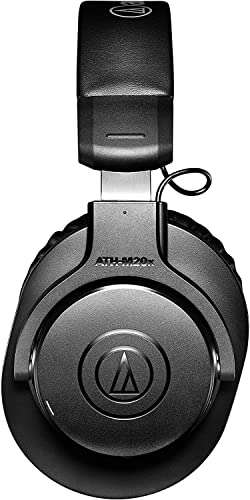
Usually, people nearby hear little sound, but they may hear leakage in quiet places.
Can other people hear bone conduction headphones? The honest answer is yes, sometimes—but usually much less than with open-back or standard headphones at the same volume. After testing bone conduction models in quiet rooms, busy streets, and shared offices, I found that sound leakage depends on volume, fit, background noise, and the headphone design. This guide explains what causes it, how noticeable it is, and how to keep your listening more private.
How bone conduction headphones work
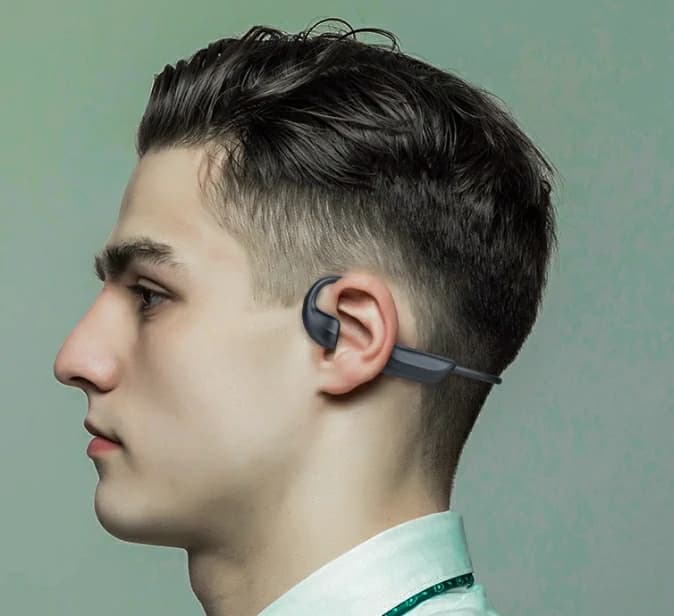
Bone conduction headphones send sound through vibrations in the bones around your cheek and jaw. Instead of covering your ears or sitting inside your ear canal, they rest near the front of your ears and gently vibrate the skin and bone.
These vibrations travel through the skull to the cochlea, the inner-ear part that turns movement into signals for the brain. Your outer and middle ear play a smaller role than they do with regular headphones.
This design leaves your ear canals open. You can hear traffic, a co-worker, a doorbell, or a child calling your name while listening to music or a podcast.
That open-ear design also explains why can other people hear bone conduction headphones at all. The vibrating pads create some sound in the air, even though most of the intended sound travels through your bones.

Can other people hear bone conduction headphones?
Yes, other people can hear bone conduction headphones in some situations. However, the sound is often faint and unclear. A nearby person may notice a soft buzz, tinny music, or a faint voice, but they usually will not hear the full audio as clearly as you do.
The key point is volume. At a low or moderate level, sound leakage may be almost impossible to notice in a normal room. At a high level, the vibrations become stronger, and more sound escapes into the air around the transducers.
In my own listening tests, the difference was clear. At a comfortable volume in a busy office, people nearby did not react or seem aware of the audio. In a quiet bedroom, though, someone sitting next to me could hear a light, high-pitched sound when the volume was turned up.
So, can other people hear bone conduction headphones from across a room? Usually not, unless the headphones are very loud, the room is extremely quiet, or the model has unusually strong leakage.

When is sound leakage most noticeable?
Sound leakage is not the same in every setting. Several conditions affect how much audio another person can hear.
Quiet rooms
Silence makes small sounds seem much louder. In a library, hospital room, airplane cabin, or bedroom, a nearby listener may notice faint audio that would disappear in a noisy place.
High volume
High volume is the biggest cause of leakage. When you increase the volume, the transducers vibrate more strongly. This sends more energy through the air as well as through your bones.
High volume also creates a hearing safety concern. The World Health Organization warns that loud personal audio can contribute to noise-induced hearing loss, especially with long listening sessions.
Close distance
Distance matters. Someone sitting beside you may hear a faint buzz, while a person several feet away may hear nothing. Sound loses energy as it spreads, so leakage becomes less noticeable with space.
Poor fit
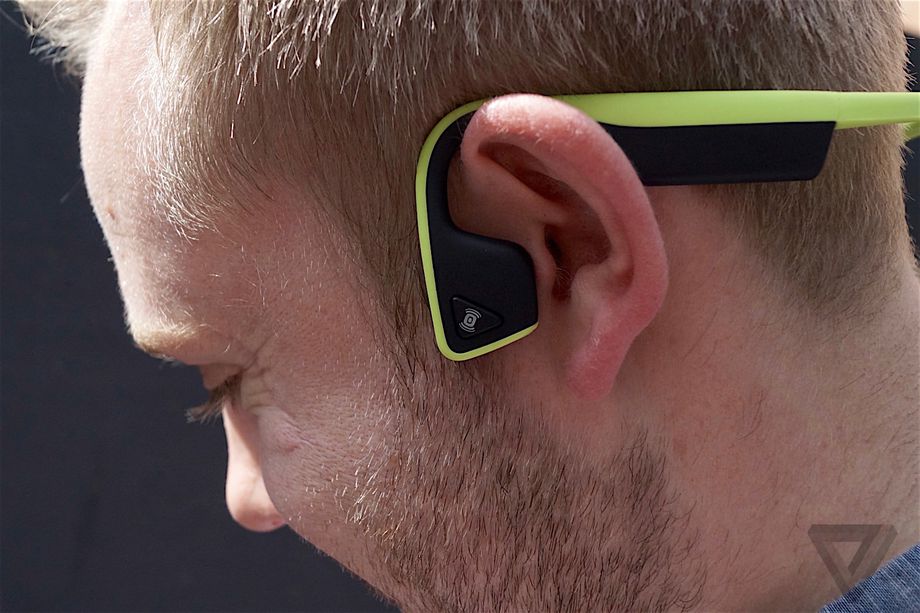
Bone conduction headphones work best when the transducers sit firmly against the cheekbones. If they sit too loosely, they may produce less clear sound for you and more audible vibration for people nearby.
A poor fit can also tempt you to raise the volume. That creates a cycle: weak sound for the wearer, more leakage for everyone else, and greater risk to hearing.
Music type
Music with sharp treble, bright vocals, or strong electronic effects may be easier to notice than soft speech or mellow instrumental music. Podcasts can also leak clearly in a quiet space because human voices are easy to recognize.

Why do bone conduction headphones leak sound?
Bone conduction headphones are not perfectly silent to people nearby because they use physical vibration. The transducers press against the side of your head and move rapidly to create sound.
Some of that vibration reaches your skull. Some also creates a small amount of airborne sound around the device. Think of tapping a table with a pencil: most of the energy stays near the point of contact, but a nearby person can still hear the tap.
The open-ear structure adds another factor. Regular closed-back headphones trap much of their sound inside ear cups. Bone conduction headphones have no sealed ear cups, so there is less material to block external sound.
A few design features may increase or reduce leakage:
• Transducer strength: More powerful drivers can create louder vibrations and more audible spill.
• Contact pressure: A stable fit can improve sound transfer and may let you listen at a lower volume.
• Housing design: The shape and materials around the transducer affect how much sound moves into the air.
• Digital volume limits: Some models cap volume to reduce excessive output.
• Audio processing: Equalization and bass boosts can change how noticeable leakage becomes.
This is why can other people hear bone conduction headphones has no universal yes-or-no answer. Different brands, models, listeners, and environments produce different results.
How much can other people hear?
Most listeners nearby hear one of three things:
• Nothing noticeable: This is common in a normal office, gym, street, or living room at a moderate volume.
• A faint buzz or hiss: This is more likely in a quiet room when someone is within arm’s reach.
• Distinct music or speech: This usually happens when the volume is high and the other person is very close.
The listener’s position matters, too. Someone directly beside the transducer may hear more than someone in front of you. The sound can also seem louder if the headphone frame rests against a desk, helmet, glasses, or another hard surface.
Can other people hear bone conduction headphones while you are on a bus? They might hear a faint sound if they sit next to you, but road noise and conversation usually mask it. On a quiet train, nearby passengers may notice leakage more easily.
There is also a difference between hearing sound and understanding it. A person may detect that something is playing without being able to identify the song or follow the words.

Bone conduction headphones versus other headphone types
Comparing designs helps put sound leakage into context.
Bone conduction headphones
Bone conduction models keep the ears open and normally leak a small amount of sound. Their main benefit is environmental awareness, not complete privacy.
Open-back headphones
Open-back headphones use ear cups with vents or grilles. They often leak more sound than bone conduction models because the speaker points directly toward the surrounding air.
Closed-back headphones
Closed-back headphones block more outward sound, although they are not perfectly silent. They are often a better choice for private listening in a quiet office or shared room.
In-ear headphones
In-ear headphones can provide strong privacy when they fit well. Some sound may still leak at high volume, and poor ear-tip fit can reduce isolation.
Active noise-canceling headphones
Noise-canceling headphones reduce outside noise for the wearer. They usually leak little sound when they use a closed design, but they may not be ideal when you need to hear traffic or people around you.
If your priority is safety outdoors, bone conduction may be a smart choice. If your priority is privacy, in-ear or closed-back headphones usually perform better.
How to reduce sound leakage
You cannot remove leakage completely, but you can reduce it with a few simple habits.
-
Keep the volume at a comfortable level. Start low and increase it only as needed.
-
Position the transducers correctly. They should rest on the cheekbones, just in front of the ears, rather than floating away from your skin.
-
Choose a secure fit. The frame should feel stable without pressing painfully against your head.
-
Turn off bass boost when possible. Heavy bass may increase vibration and make leakage more noticeable.
-
Test the headphones in the place where you plan to use them. A quiet bedroom gives a very different result from a busy sidewalk.
-
Ask a trusted person to listen. Have them sit beside you at your normal volume and report what they hear.
-
Lower the volume in quiet spaces. You may need less power when there is no competing noise.
-
Use private headphones for private content. Bone conduction is not the best option for confidential calls, sensitive work meetings, or personal messages.
One mistake I often see is testing only in a noisy store. The headphones seem perfectly private there, but the same volume may be obvious in a silent office. Always test under realistic conditions.

Are bone conduction headphones safe for your hearing?
Bone conduction headphones are not automatically risk-free. They bypass much of the outer and middle ear, but the cochlea still receives sound vibrations. Excessive volume can still place stress on the inner ear.
The same basic safety rule applies as with other personal audio devices: use the lowest volume that lets you hear clearly, and take regular breaks. If you notice ringing, muffled hearing, pressure, or discomfort after listening, stop and lower the volume next time.
Many experts suggest following the 60/60 approach: keep volume near 60 percent or lower and avoid long, uninterrupted sessions. This is a simple guide, not a guarantee of safety, because device output varies.
Bone conduction devices may help some people who cannot wear traditional earbuds. Still, people with hearing loss, ear disease, tinnitus, or implanted medical devices should ask an audiologist or doctor for personal advice.
Also remember that open ears do not mean full awareness. Loud music can still mask traffic, alarms, and voices. Stay alert near roads, bikes, stairs, and busy public areas.

Can bone conduction headphones be used for calls?
Yes. Bone conduction headphones can work well for calls because they leave your ears open and let you hear your surroundings. The built-in microphone on many models can also provide clear voice pickup.
However, the person next to you may hear part of the call if the volume is high. The microphone does not prevent sound leakage from the headphone speakers.
For a private call, use a closed-back or in-ear headset instead. You can also move to a quieter, more private place and keep the volume low.
Before an important work call, check three things:
• Whether the microphone blocks wind and background noise
• Whether the person beside you can hear the other speaker
• Whether your voice sounds clear to the person on the call
Can other people hear bone conduction headphones during a phone call? Sometimes, especially when the caller speaks loudly through the transducers. In most public settings, they will hear only a faint, unclear sound.
Are they suitable for offices, libraries, and travel?
Bone conduction headphones are often useful in offices and during travel because they let you hear announcements and nearby conversations. They are also popular with runners and cyclists who want to remain aware of their surroundings.
In a shared office, keep the volume low and avoid playing audio during quiet periods. For libraries, use them carefully and test for leakage first. Some libraries have strict noise rules, even for very soft sounds.
On airplanes, trains, and buses, background noise can hide most leakage. Still, a seatmate may hear your audio during quiet periods. If you plan to sleep beside another passenger, traditional closed headphones may be more considerate.
For exercise, the benefits often outweigh the small amount of leakage. You can hear cars, cyclists, and other people without covering your ears. Just remember that awareness headphones cannot replace safe behavior or attention.
A simple privacy test at home
You can test your headphones in less than five minutes.
-
Choose a quiet room.
-
Play speech, music, and a podcast at your normal listening volume.
-
Ask someone to sit beside you at arm’s length.
-
Have them describe what they hear.
-
Repeat the test at a lower and higher volume.
-
Test the headphones again while they sit several feet away.
This test gives you a practical answer for your specific model. Product reviews can help, but real-world leakage varies with head shape, fit, audio settings, and room acoustics.
If the other person can understand every word, the volume is probably too high for a shared space. If they hear only a weak buzz when they lean close, the headphones are likely behaving normally.
Can other people hear bone conduction headphones in your home? Your own test is more useful than a general claim because it reflects your device and your room.
Frequently Asked Questions
Can people hear bone conduction headphones from across a room?
Usually, no. At a moderate volume, leakage is too weak to travel clearly across a normal room. A very quiet room and a high volume can make faint sound noticeable at a greater distance.
Do bone conduction headphones leak more than earbuds?
It depends on the earbud design. Well-fitted in-ear earbuds usually leak less, while open earbuds can leak as much or more than bone conduction models. Bone conduction headphones are designed for awareness, not maximum privacy.
Can someone hear my phone call through bone conduction headphones?
Someone nearby may hear a faint part of the other person’s voice, especially at a high volume. They usually cannot hear the full call clearly unless they are very close in a quiet place.
Are bone conduction headphones completely silent to other people?
No. No consumer bone conduction headphone is completely silent in every situation. Low volume and background noise can make leakage nearly unnoticeable, but quiet rooms may reveal a faint buzz or voice.
Can other people hear bone conduction headphones while running?
They may hear a little sound if they run close beside you, but outdoor noise usually masks most leakage. The larger benefit is that you can hear cars, cyclists, and other runners around you.
Do bone conduction headphones damage hearing?
They can contribute to hearing damage if used too loudly or for too long. The cochlea still receives sound vibration, so safe volume and regular breaks remain important.
How can I stop people from hearing my bone conduction headphones?
Lower the volume, improve the fit, and avoid bass-heavy settings. If you need strong privacy, choose sealed in-ear or closed-back headphones instead.
Conclusion
Can other people hear bone conduction headphones? Yes, but the sound is usually faint at a safe, moderate volume. Leakage becomes more noticeable in quiet places, at close range, with a poor fit, or when the volume is too high.
Bone conduction headphones are best for open-ear awareness, exercise, commuting, and situations where you need to hear the world around you. They are not the best choice for confidential calls or completely private listening.
Test your pair in the real places where you use it, keep the volume comfortable, and ask someone nearby what they hear. If you have experience with sound leakage or want to compare a specific model, share your thoughts in the comments.

Everett Ashford is a tech reviewer at mytechgrid.com specializing in SSDs, cameras, TVs, earbuds, headphones, and other consumer electronics. He provides honest, data-driven reviews based on hands-on testing and real-world performance analysis. Everett simplifies complex tech details to help readers make smart, confident buying decisions.