Earbuds are usually better for most workouts, but headphones win when comfort, sound, and battery life matter most.
The answer to “are headphones better than earbuds for working out” depends on your training style, sweat level, fit, and need for awareness. After comparing both designs across runs, strength sessions, cycling, and gym workouts, I’ve found that neither is the universal winner. This guide breaks down comfort, safety, sound quality, durability, hygiene, and real-world performance so you can choose with confidence.
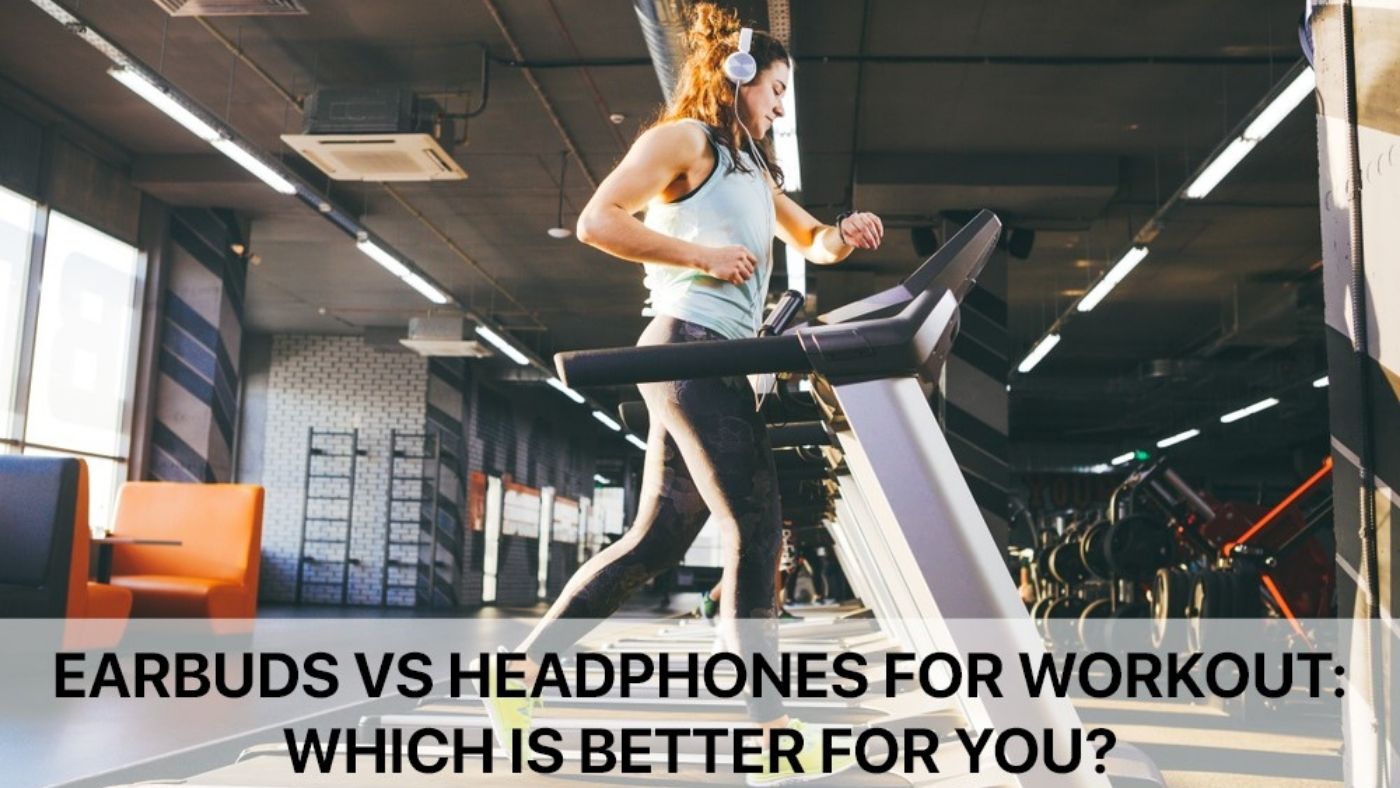
Headphones vs. earbuds for working out
Headphones cover your ears, while earbuds sit inside or just outside the ear canal. Both can deliver clear music, strong bass, calls, and useful workout features, but they solve different problems.
When asking “are headphones better than earbuds for working out,” start with your main activity. A pair that feels perfect on a treadmill may feel hot during a long lifting session. Likewise, earbuds that stay secure during a sprint may not provide the rich sound or long battery life you want for travel.
| Feature | Headphones | Earbuds |
|---|---|---|
| Comfort | Soft ear cushions, but may feel warm | Light and less bulky |
| Stability | Often secure with a headband | Depends on tips, wings, or hooks |
| Sweat control | Can trap heat and moisture | Usually easier to keep cool |
| Sound | Often fuller and wider | Strong sound in a small design |
| Awareness | Noise canceling may block the room | Transparency modes can improve awareness |
| Battery life | Often longer | Usually shorter per charge |
| Portability | Larger | Easy to carry |
| Best use | Lifting, travel, indoor cardio | Running, circuits, outdoor training |
The most important point is fit. Great sound means little if your device slips, pinches, or needs constant adjustment.

Are headphones better than earbuds for working out?
For many people, headphones are better for working out when they want a stable fit, powerful sound, and long battery life. Over ear models can feel secure during weight training, walking, and moderate cardio. Their larger ear cups also make room for stronger speakers and more effective controls.
However, headphones can become uncomfortable during intense exercise. The ear cushions may hold heat, and sweat can shorten the life of some models. They can also move when you sprint, jump rope, or perform burpees.
Earbuds are often better for fast, sweaty workouts. They weigh less, take up less space, and leave your ears and neck more open. Sport earbuds with ear wings or ear hooks can stay in place during rapid movement.
The best choice depends on your priorities:
• Choose headphones if you want strong sound, long battery life, and a secure design for gym sessions.
• Choose earbuds if you want a cool, light fit for running, cycling, HIIT, or outdoor workouts.
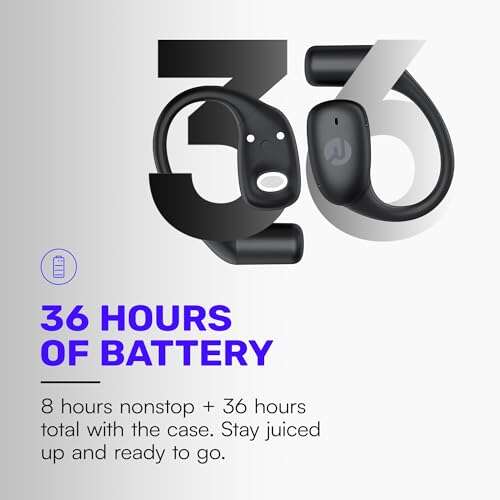
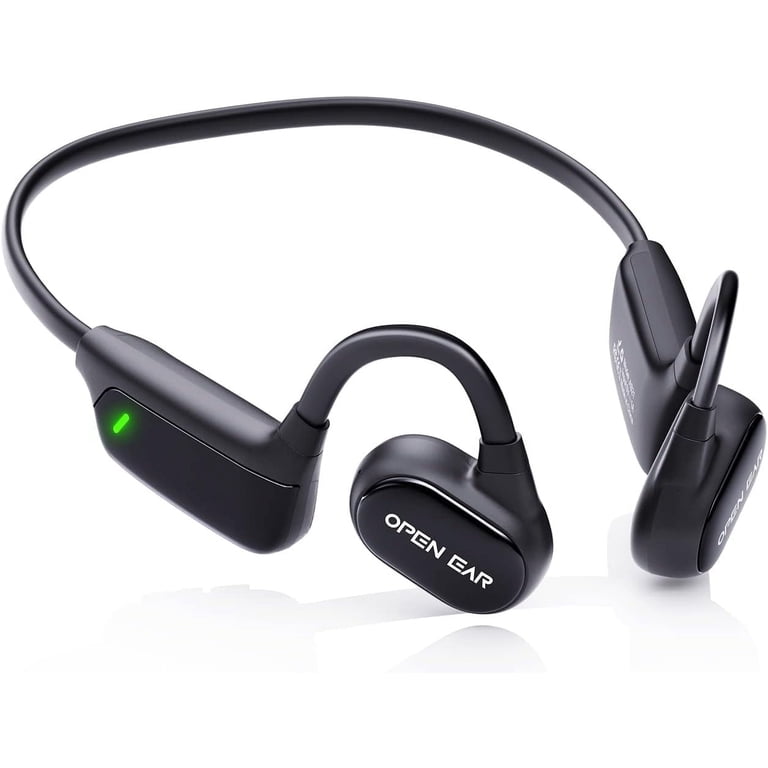
• Choose open ear earbuds if you need to hear traffic, training partners, or gym announcements.
• Choose noise canceling only when you can stay aware of your surroundings.
So, are headphones better than earbuds for working out? They can be, but only when their extra size does not create heat, pressure, or movement problems.
Comfort and fit during exercise
Comfort is often the deciding factor. A workout can last 20 minutes or two hours, and small pressure points can become painful over time.
Over ear headphones rest around the ear. Their ear cups can feel soft at first, but pressure may build around the jaw, temples, or top of the head. Tight clamping force may also cause discomfort during long workouts.
On ear headphones sit directly on the ears. They are often smaller than over ear models, but they may press more firmly against the outer ear. That pressure can bother people who wear glasses or have sensitive ears.
Earbuds create a different set of fit issues. Some people dislike the feeling of a tip inside the ear canal. Others find that earbuds fall out because of sweat, ear shape, or poor sizing.
Look for these fit features:
• Multiple ear tip sizes so you can find a gentle seal
• Ear wings that lock into the outer ear
• Ear hooks for running and high movement
• Adjustable headbands for headphones
• Soft, breathable ear cushions
• A low weight that does not pull during exercise
A useful test is simple: wear the device for 30 minutes without music. Walk, bend, jump, and turn your head. If you keep touching it, the fit may not work for your routine.
From my own comparisons, fit matters more than brand reputation. A midpriced pair that stays in place is better than an expensive model that you adjust every few minutes. This is one reason the question “are headphones better than earbuds for working out” has no single answer.

Stability during running, lifting, and HIIT
Stability changes with movement. A device may feel secure while sitting but fail during a sprint or a set of kettlebell swings.
Headphones use a band to create pressure around the head. This can keep them stable during weight lifting, walking, and indoor cycling. Yet they may shift during jumping, fast running, or exercises that move your head quickly.
Earbuds rely on the shape of your ear. Standard wireless earbuds may work well for steady movement, but sport models usually perform better during intense training. Ear hooks and wings add support without needing a tight seal.
Here is how each option performs in common workouts:
Running
Earbuds usually have the advantage. They are light and do not trap as much heat. Choose a model with wings, hooks, or a secure sport fit.
Headphones can work for slow runs or treadmill sessions. A tight headband and sweat resistant ear cushions are important.
Weight training
Headphones often feel excellent for lifting. They can create an immersive sound space and stay secure between sets. Their larger controls may also be easier to use.
Earbuds are useful when you move from one station to another. They are less likely to catch on a bench or collar.
High intensity interval training
Earbuds are usually the better choice for HIIT. Jumping, floor work, and rapid direction changes can make headphones shift. A secure ear tip is essential.
Cycling
Your location matters. On an indoor bike, either style can work. On public roads, open ear earbuds or transparency mode can help you hear cars, riders, and signals.
Walking and hiking
Both options work well. Headphones may provide better battery life, while earbuds are easier to pack and keep cool.
The safest device is one that lets you hear what you need to hear while staying in place.

Sound quality and noise cancellation
Headphones generally have larger drivers, which can create a broader soundstage and deeper bass. This can make music feel more powerful, especially during strength training or long cardio sessions.
Modern earbuds can sound excellent too. Their sealed fit may produce strong bass, and digital processing can improve detail. The difference between premium earbuds and headphones is often smaller than people expect.
Noise cancellation needs special care during exercise. Active noise cancellation reduces outside sound by creating an opposing signal. It can help you focus in a busy gym, but it may also hide important sounds.
Use noise cancellation carefully:
• Turn it on in a quiet indoor gym when you do not need outside awareness.
• Use transparency mode near roads, trails, or crowded areas.
• Keep the volume low enough to hear alarms and nearby people.
• Avoid wearing fully sealed devices during outdoor workouts in unsafe areas.
Long exposure to loud sound can contribute to hearing damage. Many hearing experts advise keeping volume moderate and taking breaks. A simple rule is the “conversation check”: if you cannot hear a person speaking nearby, lower the volume.
So, are headphones better than earbuds for working out when sound quality is the goal? Usually, headphones have a slight advantage, but well fitted earbuds can deliver more than enough detail for most listeners.
Sweat, water resistance, and durability
Sweat is one of the biggest threats to workout audio equipment. Moisture can damage charging ports, speakers, buttons, and internal circuits. A device made for exercise should have a clear water resistance rating.
The Ingress Protection rating, or IP rating, explains protection from dust and water. For example, an IPX4 device can resist water splashes from several directions. It is not designed for swimming or full submersion.
Common ratings include:
• IPX4: Protection from water splashes
• IPX5: Protection from low pressure water jets
• IPX7: Temporary submersion protection under stated test conditions
• IPX8: Protection during deeper or longer submersion, based on the manufacturer’s instructions
An IP rating does not mean a product is sweatproof forever. Salt in sweat can wear down materials, and repeated moisture exposure can still cause failure. Dry the device after use and follow the care instructions.
Headphones often have more surface area where sweat can collect. Earbuds may have fewer exposed areas, but their charging case should also stay dry. Never place wet earbuds into a closed case.
After each workout:
-
Wipe the device with a clean, dry cloth.
-
Let it air dry before charging.
-
Clean ear tips and cushions based on the manufacturer’s instructions.
-
Keep the charging case away from damp gym bags.
-
Do not use harsh cleaners that can damage rubber or coatings.
Are headphones better than earbuds for working out in wet conditions? Neither is automatically better. The water resistance rating and your care routine matter more than the shape.

Battery life and charging
Headphones often provide longer battery life because they have more room for a larger battery. Many models can run for 20 to 60 hours, depending on noise cancellation and volume.
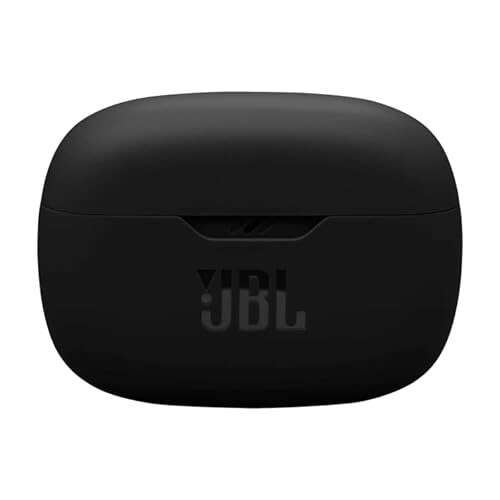
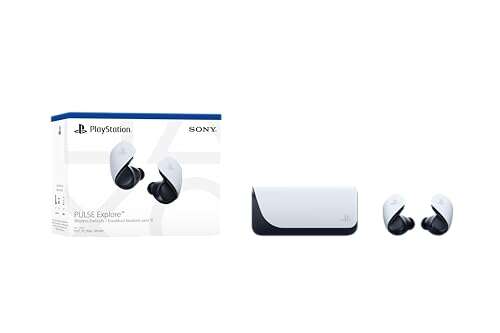
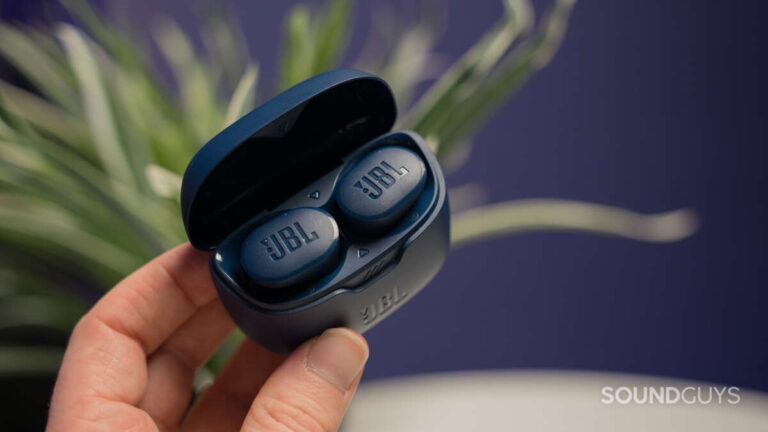
Earbuds usually provide several hours per charge, with a charging case that adds extra cycles. This is convenient for short workouts, but the case can be easy to forget or lose.
Battery needs vary by lifestyle:
• Occasional gym users may prefer earbuds because the case keeps them ready.
• Marathon runners may prefer headphones with longer continuous playback.
• Travelers may value headphones because they reduce charging stops.
• People who train in short sessions may never notice a battery difference.
Noise cancellation often reduces battery life. Bluetooth range, call use, voice assistants, and high volume can also affect performance.
Before buying, check both numbers: the playback time of the earbuds and the total time provided by the case. A product that promises eight hours may provide less with noise cancellation turned on.
In practical use, I prefer enough battery for at least a full week of normal workouts. Running out of power during the final set is a small problem, but it can ruin the rhythm of a session.

Safety and situational awareness
Music can make exercise more enjoyable, but it should not remove your awareness. This matters most outside the gym.
Runners and cyclists need to hear vehicles, bells, warnings, and other people. Sealed earbuds and strong noise cancellation may block these sounds. Headphones can create the same problem, especially over ear models with a tight seal.
Safer choices include:
• Open ear headphones that sit near, rather than inside, the ear
• Transparency or ambient sound modes
• One earbud during outdoor training
• Lower volume near traffic
• Pausing music at crossings and blind corners
• Training with a partner when visibility is poor
Open ear designs may not sound as deep as sealed headphones or earbuds. They also leak more sound, which can bother people nearby. Still, their awareness benefit can be valuable.
The Centers for Disease Control and Prevention and other hearing health experts recommend reducing loud sound exposure. Your workout should build your health, not create a new hearing risk.
This is a major part of answering “are headphones better than earbuds for working out.” The best audio device is not just comfortable and powerful. It also fits the environment.

Hygiene and ear health
Workout devices collect sweat, oil, dust, and bacteria. Earbuds can press this buildup into the ear canal, especially when worn for long periods.
Clean earbuds and headphones often. Use a soft, slightly damp cloth where allowed, and keep liquid away from speakers and charging contacts. Remove silicone tips and wash them only if the manufacturer says it is safe.
Avoid sharing earbuds. Shared devices can spread germs and skin oils. If you must share headphones, wipe the ear cushions before and after use.
Watch for warning signs:
• Itching that does not improve
• Ear pain or a blocked feeling
• Fluid or unusual discharge
• Reduced hearing
• Redness around the ear
Stop using the device and seek medical advice if symptoms continue. Do not push cotton swabs deep into the ear canal, as this can irritate the skin or push wax farther inside.
Headphones may be easier to keep clean because they do not enter the ear canal. Still, damp ear cushions can irritate the skin. Hygiene depends on cleaning habits, not just device type.
How to choose the right workout audio device
Use your workout, environment, and personal fit as your buying checklist. Do not choose based on sound quality alone.
Choose headphones if you:
• Lift weights or use machines
• Want deep bass and an immersive sound
• Need long battery life
• Prefer a less invasive fit
• Train indoors most of the time
• Want easy physical controls
Choose earbuds if you:
• Run, jump, or perform HIIT
• Want a light and compact design
• Get hot around the ears
• Carry your workout gear in a small bag
• Need a secure fit with wings or hooks
• Prefer a charging case
Choose open ear models if you:
• Run or cycle near traffic
• Need to hear a coach or training partner
• Exercise in busy public areas
• Dislike sealed ear canals
Before purchasing, check these specifications:
-
Water resistance rating
-
Battery life with noise cancellation enabled
-
Fit accessories included in the box
-
Warranty and replacement parts
-
Transparency or ambient sound mode
-
Ease of cleaning
-
Comfort after at least 30 minutes of wear
The answer to “are headphones better than earbuds for working out” becomes much clearer when you match the device to the activity rather than following a trend.

Mistakes to avoid when using workout headphones or earbuds
Many problems come from poor setup, not poor products. A few simple habits can improve comfort and safety.
• Do not wear a loose device during fast movement. A poor fit causes constant adjustment.
• Do not assume water resistance means waterproof. Check the exact IP rating.
• Do not charge wet earbuds or headphones. Moisture near electrical contacts can cause damage.
• Do not use maximum volume to overpower gym noise. Choose a better fit or a transparency mode.
• Do not ignore skin irritation. Give your ears time to dry and recover.
• Do not leave devices in a hot car. Heat can harm batteries and adhesives.
• Do not store sweaty earbuds in their case. Let them dry first.
• Do not buy expensive headphones without checking return rules. Ear shape and head fit are personal.
One mistake I often see is testing a device for only five minutes in a store or at home. Workout comfort can change after sweat, heat, and repeated movement. A proper return policy lets you test the fit during realistic sessions.
Frequently Asked Questions
Are headphones or earbuds better for running?
Earbuds are usually better for running because they are light and less likely to trap heat. Choose sport earbuds with wings or hooks, or use open ear models when you need to hear traffic.
Can I wear noise canceling headphones while working out?
Yes, you can use noise canceling headphones in a controlled indoor setting. Use transparency mode outdoors or anywhere where you need to hear people, vehicles, alarms, or equipment.
Are earbuds safe for working out?
Earbuds are safe when used at a moderate volume, cleaned often, and fitted correctly. Take breaks and stop using them if you notice pain, irritation, ringing, or reduced hearing.
Do headphones stay on during HIIT workouts?
Some headphones stay secure during HIIT, but many over ear models shift during jumping and floor exercises. Sport earbuds with ear hooks or wings are often more stable for fast, repeated movement.
Are waterproof earbuds safe to use in the rain?
Water resistant earbuds may handle light rain, but the exact IP rating matters. Dry them before charging and never assume a sweat resistant product is safe for swimming.
Which lasts longer, headphones or earbuds?
Headphones often offer longer battery life per charge, while earbuds depend on a charging case. Total lifespan depends on battery quality, sweat exposure, cleaning, and how carefully you store the device.
Are open ear headphones good for outdoor workouts?
Open ear headphones can be excellent for outdoor workouts because they allow environmental sounds through. They may have less bass than sealed devices, but the added awareness can improve safety.
Conclusion
So, are headphones better than earbuds for working out? Headphones are often best for lifting, indoor training, rich sound, and long battery life. Earbuds usually win for running, HIIT, hot environments, and easy portability. Open ear designs are a strong option when awareness matters most.
Choose the device that stays comfortable, secure, clean, and safe for your exact routine. Test it through a full workout before committing, keep the volume moderate, and protect the device from sweat. Try the advice above during your next session, then share your favorite workout audio setup or explore more fitness gear guides.

Everett Ashford is a tech reviewer at mytechgrid.com specializing in SSDs, cameras, TVs, earbuds, headphones, and other consumer electronics. He provides honest, data-driven reviews based on hands-on testing and real-world performance analysis. Everett simplifies complex tech details to help readers make smart, confident buying decisions.