What is meant by noise cancellation in earphones? It is technology that reduces outside sound for clearer listening.
If you have used earphones on a bus, airplane, or busy street, you know how outside noise can ruin good audio. Understanding what is meant by noise cancellation in earphones helps you choose the right model, use it safely, and avoid paying for features you do not need. This guide explains how noise cancellation works, how it differs from noise isolation, and what to check before buying.
What is meant by noise cancellation in earphones?
What is meant by noise cancellation in earphones is the use of technology to reduce unwanted sounds around you. The process lets you hear music, podcasts, calls, or audiobooks with less background noise.
Most noise-canceling earphones use tiny microphones. These microphones listen to nearby sounds, such as an airplane engine or air conditioner. The earphones then create an opposite sound wave to reduce the unwanted noise before it reaches your ears.
A simple way to picture this is to imagine two waves meeting. If one wave moves up while the other moves down at the same time, they can partly cancel each other. This process is called destructive interference.
Noise cancellation does not create a perfect silent room. It works best with steady, low sounds. These include:
• Airplane engines
• Train and bus noise
• Office air conditioners
• Fans and refrigerators
• Road sounds inside a car
• Low voices in a busy room
It is less effective against sudden or sharp sounds. A hand clap, barking dog, baby crying, or nearby conversation may still be easy to hear.

How does noise cancellation work?
To understand what is meant by noise cancellation in earphones, it helps to look at the main parts inside the device. Active noise cancellation, or ANC, depends on microphones, a processor, and special speakers.
Microphones detect outside sound
ANC earphones may use microphones on the outside, inside, or both sides of the earbud.
External microphones hear sounds near your ears. Internal microphones check what sound still enters the ear canal. More advanced designs use both microphone positions to improve accuracy.
A processor creates an opposite signal
A small digital processor studies the outside sound. It then produces an opposite signal, often called an anti-noise signal.
The anti-noise does not usually remove every sound. Instead, it lowers the strength of the unwanted sound. This makes the background quieter and your chosen audio easier to hear.
The speaker delivers both sounds
The earphone speaker plays your music and the anti-noise at the same time. Your ear receives the music, while the opposing sound reduces some of the background noise.
This process happens very quickly. In good ANC earphones, the delay is so small that you do not notice it.
Ear tips support the system
Ear tips also play an important role. A proper seal blocks some sound before electronic cancellation begins. This passive protection helps ANC work better and can improve bass response.
A poor seal can make even expensive noise-canceling earphones seem weak. If sound leaks around the ear tip, the microphones and processor have more work to do.

Active noise cancellation versus passive noise isolation
Many people use the terms noise cancellation and noise isolation as if they mean the same thing. They are related, but they use different methods.
Noise isolation is a physical process. Ear tips or ear cups block sound by covering the ear canal. Foam tips often provide strong isolation because they expand inside the ear canal.
Active noise cancellation uses electronics. Microphones detect outside noise, and the earphones generate an opposing signal to reduce it.
Here is a simple comparison:
| Feature | Active noise cancellation | Passive noise isolation |
|---|---|---|
| Main method | Electronic sound reduction | Physical sound blocking |
| Best for | Low, steady noise | Higher sounds and sudden noise |
| Needs power | Usually yes | No |
| Depends on fit | Yes | Yes |
| May create ear pressure | Sometimes | Rarely |
| Works during calls | Often, depending on the model | Only by blocking sound |
The best earphones often combine both methods. This is why a good fit matters even when a product has strong ANC.
If you are asking what is meant by noise cancellation in earphones, remember this key point: ANC adds electronic control, while isolation uses the shape and material of the earphones.

Types of noise cancellation in earphones
Noise cancellation is not one single feature. Manufacturers use several approaches, and each one has strengths and limits.
Feedforward noise cancellation
Feedforward ANC uses microphones on the outside of the earphones. These microphones detect sound before it reaches your ear.
This design can respond quickly to external noise. However, it may be more sensitive to wind. It also depends heavily on how well the earphones fit.
Feedback noise cancellation
Feedback ANC uses microphones inside the earphones. These microphones listen to the sound that reaches your ear and adjust the anti-noise signal.
This approach can improve accuracy. However, the system must be carefully tuned to avoid changes in sound quality or unwanted feedback.
Hybrid noise cancellation
Hybrid ANC uses both external and internal microphones. Many high-end earphones use this design because it can offer better control across different types of noise.
Hybrid systems often cost more. They may also use more battery power because they rely on extra microphones and processing.
Adaptive noise cancellation
Adaptive ANC changes its response as the environment changes. For example, it may use stronger cancellation on an airplane and a lighter setting in a quiet office.
Some models also let you adjust the level through a phone app. This can be useful when you want a balance between quiet listening and awareness of your surroundings.
Environmental or transparency mode
Transparency mode does the opposite of ANC. It uses microphones to bring outside sounds into the earphones.
This feature helps you hear announcements, conversations, traffic, or a coworker without removing your earphones. Some brands call it ambient mode or hear-through mode.
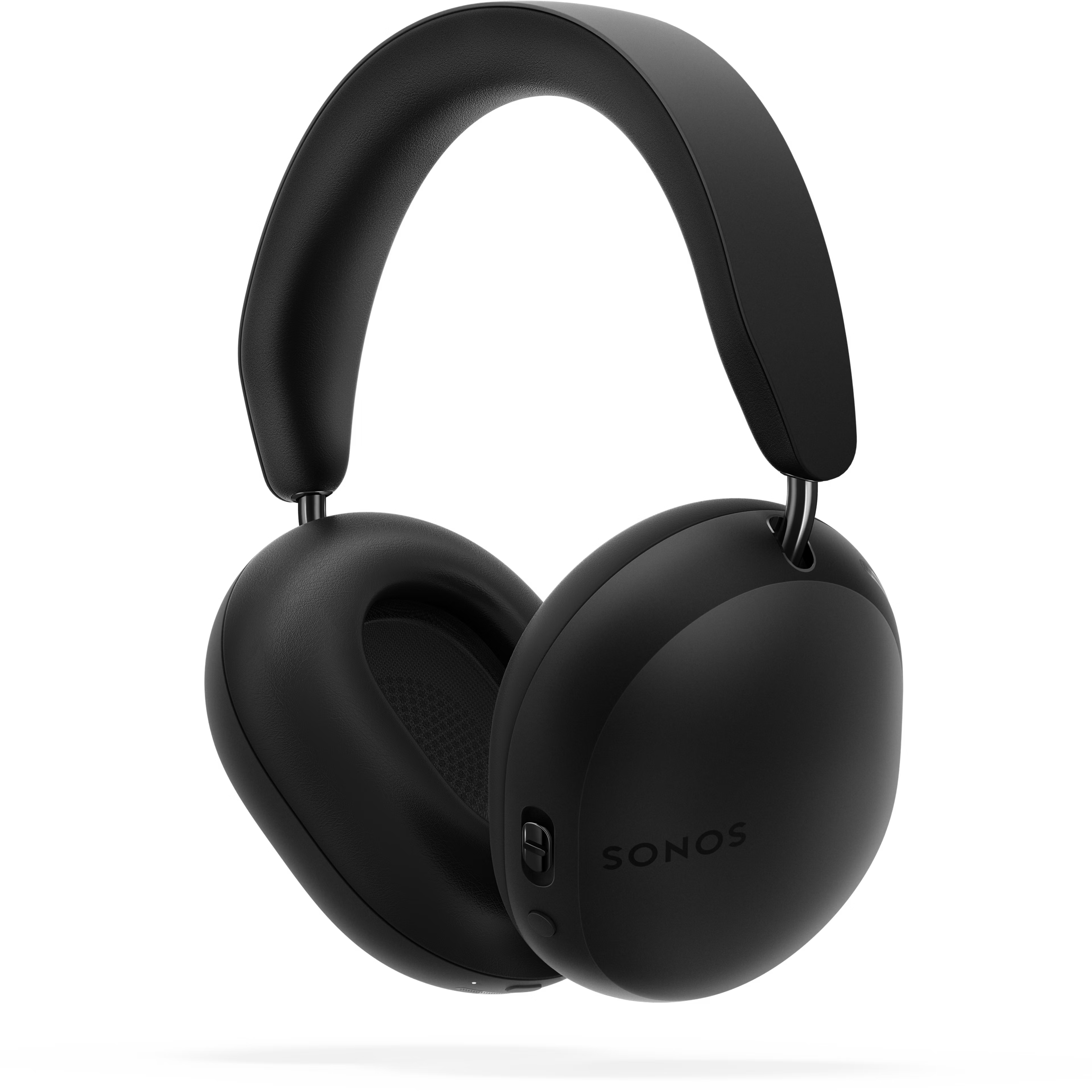
What are the benefits of noise cancellation?
Knowing what is meant by noise cancellation in earphones is useful because ANC offers several practical benefits. The value depends on your environment, hearing habits, and the quality of the product.
Clearer listening
ANC can make speech and music easier to hear in noisy places. You may notice more detail in a podcast or hear quiet parts of a song that background noise would normally cover.
Lower listening volume
Many people raise the volume when they cannot hear their audio. Noise cancellation may help you listen at a lower level.
This matters because long exposure to loud sound can damage hearing. Public health guidance commonly encourages people to keep personal audio at a safe level and take listening breaks.
ANC does not make loud listening safe. It only reduces some background noise. You still need to control the volume.
Better travel comfort
Airplane and train trips can feel less tiring with ANC. Reducing constant engine noise may help you relax, work, or sleep.
Noise cancellation is especially useful during long journeys because steady low-frequency sounds are the type ANC handles best.
Improved voice calls
Some earphones use microphone noise reduction to make your voice clearer during calls. This feature is separate from the ANC that protects your listening experience.
Call noise reduction may reduce wind or traffic sounds for the person on the other end. Its quality varies widely between models.
More focused work
ANC can reduce distractions in an office, coffee shop, or shared home. It will not remove every conversation, but it may make background sound less noticeable.
For some people, this quieter environment makes reading, writing, or studying easier.
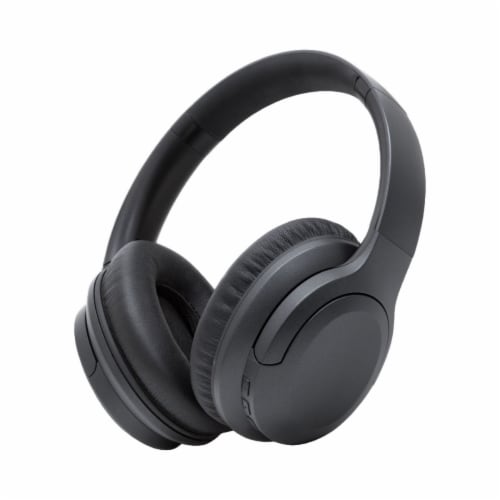
What are the limits and disadvantages of noise cancellation?
A complete explanation of what is meant by noise cancellation in earphones must include its limits. ANC is helpful, but it is not magic.
It cannot remove every sound
ANC works best with consistent sounds. It is less effective against sudden, irregular noise.
You may still hear:
• Nearby speech
• Clapping
• Door knocks
• High-pitched alarms
• Keyboard clicks
• Dogs barking
• Children playing
The ear tips may reduce some of these sounds, but electronic cancellation cannot reliably predict every sudden noise.
Battery power is required
Active noise cancellation needs microphones and signal processing. These parts use battery power.
Turning on ANC may reduce battery life. If your earphones run out of power, passive isolation may still work, but the active feature will stop.
Some users feel pressure
A small number of people feel a sense of pressure or discomfort when ANC is active. The earphones are not usually changing air pressure. The sensation may come from the reduced low-frequency sound or from the brain adjusting to the altered sound environment.
If ANC feels uncomfortable, try a lower setting, a different ear tip, or transparency mode.
Sound quality can change
Poorly tuned ANC may create a faint hiss or change the balance of music. Some earphones sound warmer, thinner, or less natural when ANC is active.
Modern models are often better, but performance still depends on design and software.
Wind can cause problems
Wind may strike the external microphones and create a rumbling sound. Wind reduction modes can help, but they are not perfect.
If you often walk outdoors, look for earphones with good wind handling and a secure fit.

Does noise cancellation protect your hearing?
Noise cancellation may support safer listening, but it does not guarantee hearing protection. It can reduce your need to turn up the volume in a loud place. This is a useful benefit, especially during travel.
However, ANC earphones are not the same as certified hearing protectors. They should not replace approved protection in places with dangerous noise, such as construction sites, shooting ranges, or industrial workplaces.
Use these habits for safer listening:
- Keep the volume as low as you can while still hearing clearly.
- Take regular breaks during long listening sessions.
- Use ANC to reduce background noise instead of increasing volume.
- Check your phone’s volume warning or exposure settings.
- Use proper hearing protection in very loud environments.
- Give your ears time to rest if they ring or feel tired.
The World Health Organization has promoted safe listening practices that focus on lower volume, shorter exposure, and regular breaks. These habits matter more than the presence of ANC alone.
How to choose noise-canceling earphones
When comparing products, do not judge them by the words “noise cancellation” alone. Look at the full design and your normal listening environment.
Consider your main use
Choose based on where you plan to use the earphones:
• For flights, look for strong low-frequency ANC and long battery life.
• For offices, choose adjustable ANC and a useful transparency mode.
• For outdoor walking, prioritize wind control and awareness features.
• For calls, check microphone quality in noisy environments.
• For exercise, focus on fit, sweat resistance, and secure controls.
Check the fit
Try different ear tips if they are included. A correct seal should feel secure without causing pain.
If the bass sounds weak or outside noise remains loud, the ear tip may be too small. If your ears feel sore, the tip may be too large.
Look for adjustable controls
Adjustable ANC gives you more control than a simple on-or-off setting. Useful controls may include:
• Full noise cancellation
• Low noise cancellation
• Transparency mode
• Wind reduction
• Automatic mode
• Custom listening profiles
Review battery performance
Check battery life with ANC turned on, not just the maximum number with ANC disabled. Also check how quickly the charging case restores power.
A model with slightly weaker ANC may be more useful if it lasts through your full workday or journey.
Check safety features
Good earphones should let you quickly hear your surroundings. A physical button, touch control, or automatic transparency feature can help when crossing a street or speaking with someone.
Do not use full ANC when you need to hear traffic, alarms, or safety announcements.
Common mistakes to avoid
People often misunderstand what is meant by noise cancellation in earphones and expect total silence. Setting realistic expectations will help you get better results.
Avoid these mistakes:
• Buying ANC earphones without checking the fit
• Assuming every model has the same cancellation strength
• Using maximum volume because some noise remains
• Wearing ANC near traffic without awareness mode
• Ignoring wind performance for outdoor use
• Forgetting to charge the earphones
• Treating ANC as professional hearing protection
• Choosing features over comfort and sound quality
One practical lesson is simple: comfort often matters more than a small difference in technical performance. Earphones that hurt after 20 minutes will not serve you well, even if their ANC is excellent.
How to test noise cancellation at home
You can perform a basic test without special equipment. It will not replace laboratory measurements, but it can help you compare earphones.
- Play a steady sound, such as a fan or air conditioner.
- Listen for one minute with ANC turned off.
- Turn ANC on without changing the volume.
- Notice whether the low background sound becomes quieter.
- Test different ear tips and repeat the comparison.
- Try transparency mode to check how naturally outside sounds return.
- Make a phone call and ask someone whether your voice sounds clear.
Keep the music off during part of the test. This helps you judge the noise reduction itself instead of confusing it with louder audio.
For a fair comparison, use the same room, phone, audio settings, and ear tips. Small changes in fit can produce a large difference.
Frequently Asked Questions About What Is Meant by Noise Cancellation in Earphones
What is meant by noise cancellation in earphones in simple terms?
It means reducing outside sound so you can hear your audio more clearly. Active systems use microphones and opposite sound waves, while passive systems use ear tips or ear cups to block noise.
Is noise cancellation the same as noise isolation?
No. Noise isolation blocks sound physically through the shape and materials of the earphones. Noise cancellation uses electronic processing to reduce certain outside sounds.
Does noise cancellation remove all background noise?
No. ANC works best with steady, low sounds such as engines, fans, and air conditioners. Sudden sounds, voices, and high-pitched noise may still be audible.
Can noise-canceling earphones damage your hearing?
ANC itself does not normally damage hearing. The main risk comes from listening too loudly or for too long, so keep the volume moderate and take regular breaks.
Do noise-canceling earphones need batteries?
Active noise cancellation needs battery power for microphones and signal processing. Passive noise isolation does not need power and may continue to work when the battery is empty.
Is noise cancellation useful for phone calls?
It can be useful, but listening ANC and call microphone noise reduction are different features. Check independent call tests if clear speech in busy places is important to you.
Why does noise cancellation sometimes feel strange?
Some people notice pressure, a faint hiss, or an unusual sound balance. Trying a different ear tip, lowering the ANC level, or using transparency mode may improve comfort.
[CodeImg not included because this is the FAQ section.]
Conclusion
What is meant by noise cancellation in earphones is a system that reduces unwanted sound through electronic processing, physical ear tips, or both. Active noise cancellation is strongest against steady low sounds, while passive isolation helps block a wider range of noise through a good fit.
The best earphones are not always the ones with the strongest ANC. Comfort, battery life, sound quality, transparency mode, call performance, and safe listening controls all matter. Use noise cancellation to lower distractions and avoid raising the volume, but do not treat it as a replacement for certified hearing protection.
Choose a pair that matches your daily setting, test the fit carefully, and use awareness mode when safety matters. Explore more safe listening guides, compare trusted reviews, and share your experience with noise-canceling earphones in the comments.

Everett Ashford is a tech reviewer at mytechgrid.com specializing in SSDs, cameras, TVs, earbuds, headphones, and other consumer electronics. He provides honest, data-driven reviews based on hands-on testing and real-world performance analysis. Everett simplifies complex tech details to help readers make smart, confident buying decisions.