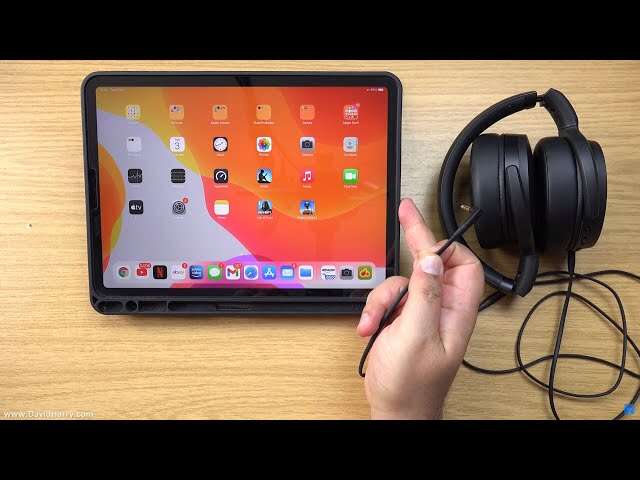
Over-ear headphones are often safer for hearing, but safe volume and listening time matter most.
The question “are over ear headphones safer than in ear” has a clear but balanced answer: design alone does not protect your hearing. Over-ear models sit outside the ear canal and may feel more comfortable, yet loud sound can still cause damage. After comparing both styles in daily listening, travel, and work settings, I find that volume, fit, noise control, and listening habits matter more than the headphone type.
Are over-ear headphones safer than in-ear headphones?
In many situations, over-ear headphones can be safer than in-ear headphones. Their larger ear cups sit around the ears instead of placing a speaker close to the ear canal. This distance may make sound feel less intense, especially when the headphones fit well.
However, over-ear headphones are not automatically safe. A person can still play music too loudly for too long. Hearing damage depends mainly on sound level, exposure time, and how often the ears get a break.
In-ear headphones can also be safe when used correctly. A well-fitted pair can block outside noise, which may help you avoid raising the volume. Poorly fitted earbuds may leak sound, causing you to turn them up in busy places.
The best answer to “are over ear headphones safer than in ear” is this: over-ear headphones may offer a safety advantage, but responsible use matters most.
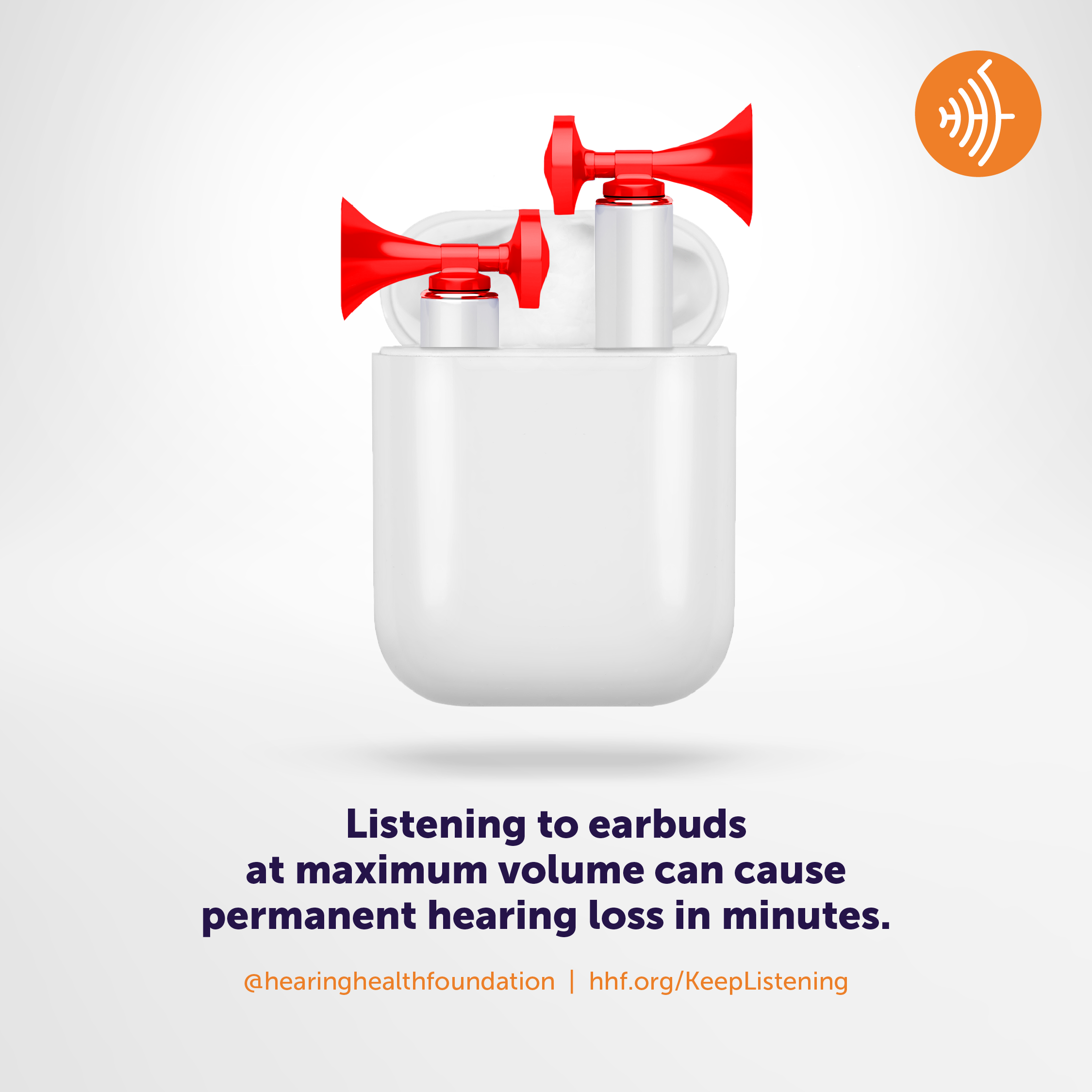
How over-ear and in-ear headphones affect your ears
Both headphone styles send sound into the ear. The main difference is where the device sits and how it interacts with outside noise.
Over-ear headphones
Over-ear headphones have padded cups that surround the ears. They may provide:
• More space between the speaker and the ear canal
• Better passive noise blocking
• Less direct contact with the ear canal
• More comfort during long listening sessions
Their size can also make it easier to notice how loud the sound is. This is not a guarantee of safe listening, but it may help some users make better choices.
In-ear headphones
In-ear headphones, often called earbuds, sit inside the ear canal or at its opening. They are small, light, and easy to carry. Their close position can create a strong, clear sound with less power.
That close fit has both benefits and limits. In-ear models may block outside noise when the tips seal well. Yet many users increase the volume when the earbuds do not fit properly or when traffic, office chatter, or airplane noise competes with the music.
Why distance is not the only factor
Sound pressure reaches the eardrum in both designs. A quiet over-ear headphone is safer than a loud one. A low-volume earbud can be safer than an over-ear model played at full power.
Think of your ears like a camera sensor. A short flash may not cause harm, but repeated bright flashes can strain it. Your hearing system also needs limits and rest.
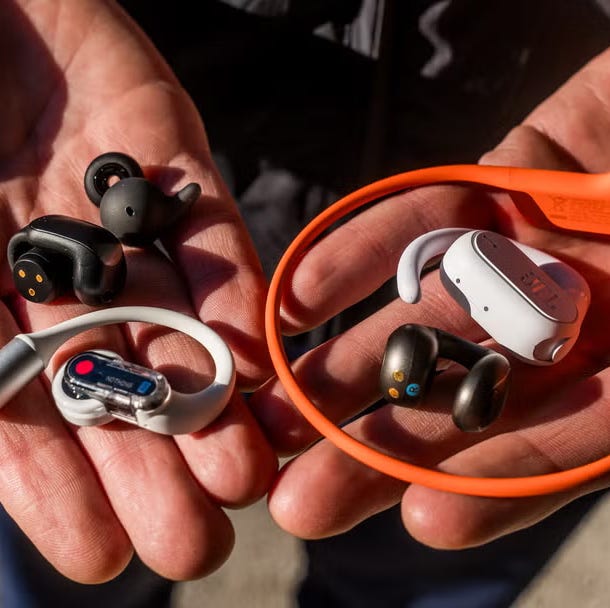
Why loud headphone use can damage hearing
The inner ear contains tiny hair cells that help turn sound into signals for the brain. Very loud sound can bend or damage these cells. Humans do not grow them back once they are destroyed.
This damage can happen after one very loud event or after repeated exposure to loud sound. Concerts, power tools, firearms, and headphones can all contribute to hearing loss.
Common warning signs include:
• Ringing or buzzing after listening
• Muffled hearing
• Trouble following speech in a noisy room
• A feeling of pressure or fullness in the ears
• Needing to raise the volume more often
Temporary ringing may fade after a few hours. Still, it signals that the ears received too much sound. Persistent tinnitus or hearing changes deserve an evaluation by an audiologist or medical professional.
Research on occupational noise gives a useful guide. Long exposure to sound around 85 decibels or higher can raise the risk of hearing damage. Headphones can reach far above that level, especially when the volume is near maximum.
The exact risk varies by device, music type, fit, and listening time. Phone volume percentages also differ between brands, so a setting of 50% does not equal one fixed decibel level.

When over-ear headphones may be the safer choice
Over-ear headphones may suit people who listen for long periods. Their larger design can spread pressure around the outer ear rather than inside the ear canal.
They can be especially useful in these situations:
Air travel
Airplanes create steady background noise. Many travelers turn up in-ear headphones to overcome the engine sound. Noise-canceling over-ear headphones may reduce this habit.
Public transit
Buses and trains can be loud. A good over-ear seal may reduce outside sound without requiring extreme volume. Even so, keep enough awareness to hear safety announcements and nearby traffic.
Work and study
Over-ear headphones can provide a calm sound space for work. Their fit may feel less irritating than earbuds during a long call or study session.
Gaming
Over-ear gaming headsets often offer larger speakers and better separation between voices and effects. This can make sounds easier to hear without pushing the volume too high.
In my own headphone comparisons, the biggest improvement came when I used noise cancellation instead of simply increasing volume. That small change made speech and music clearer while keeping the volume much lower. It was a useful reminder that comfort and hearing safety often work together.

When in-ear headphones may be safer
The answer to “are over ear headphones safer than in ear” is not always yes. In-ear headphones may be safer in certain real-world settings.
A properly sealed earbud can block outside noise well. This is helpful when you use public transportation or work near steady background sound. It may reduce the urge to increase the volume.
In-ear headphones also use less power in some cases. Their small drivers sit close to the ear, so they can produce clear sound at a lower setting. But this benefit disappears when the volume is too high.
In-ear models may also be safer when you need to hear your surroundings. Open-fit earbuds and transparency modes can let in traffic sounds, voices, or alarms. These features are useful for walking, but you should still avoid using headphones near fast traffic or dangerous machinery.
Fit matters a great deal. Earbuds that hurt, slip out, or create pressure can lead to poor listening habits. Try different ear tips and choose a secure fit that does not feel tight.

Noise cancellation and hearing safety
Noise-canceling headphones do not make loud listening safe. Their main benefit is that they reduce outside sound, so you may not need to raise the volume.
There are two main types:
• Passive noise isolation uses the physical shape of the ear cup or ear tip.
• Active noise cancellation uses microphones and electronic processing to reduce steady background noise.
Active noise cancellation works well with airplane engines, air conditioners, and road noise. It works less effectively with sudden voices, alarms, or sharp sounds.
Noise cancellation may help protect hearing when used with a moderate volume. It can also reduce listening fatigue. Still, some users increase the volume because the sound feels softer after background noise disappears.
A good habit is to turn on noise cancellation first, then set the volume. Do not set the volume high before activating the feature.
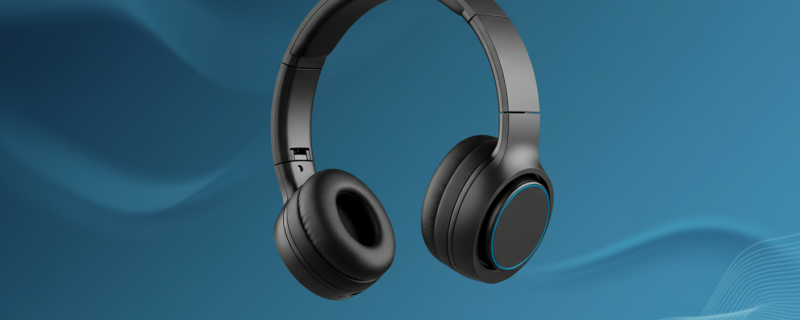
Safe headphone volume and listening time
A simple volume rule is the 60/60 approach: listen at about 60% of maximum volume for no more than 60 minutes at a time. This is a helpful starting point, not a perfect medical limit.
Your device, headphones, and surroundings affect the actual sound level. Some headphones are louder than others at the same phone setting. A quiet room also lets you listen safely at a lower level.
Use these practical steps:
-
Start at the lowest comfortable volume.
-
Turn on noise cancellation in loud places.
-
Take a five to ten-minute break each hour.
-
Give your ears longer quiet periods after loud events.
-
Avoid sleeping with headphones at a high volume.
-
Lower the volume if someone standing nearby can hear your music.
-
Stop listening if you notice ringing, pain, or muffled hearing.
The “someone nearby can hear it” test is not precise, but it can reveal a volume that is probably too high. Your ears should not feel tired after normal listening.

Are over-ear headphones better for tinnitus?
Over-ear headphones may feel better for some people with tinnitus, but they do not treat the condition. A comfortable fit and lower volume may reduce irritation. Noise-canceling models may also make listening easier in loud places.
Some people find that soft background sound masks tinnitus. Others notice that headphones make the ringing more noticeable. The response differs from person to person.
Avoid using loud music to cover tinnitus. This can increase the risk of further hearing damage. If ringing lasts more than a day, happens often, or affects sleep and focus, speak with a health professional or audiologist.
Sudden hearing loss with ringing or dizziness needs urgent medical care. Do not assume that a new hearing change is only a headphone problem.

Health and comfort differences between the two styles
Hearing safety is the main concern, but comfort and hygiene also matter.
Over-ear headphones can cause:
• Heat around the ears
• Sweat and skin irritation
• Pressure from tight headbands
• Head or jaw discomfort
In-ear headphones can cause:
• Ear canal irritation
• Wax buildup
• Pressure from poorly sized tips
• Increased moisture in the ear
Clean headphone surfaces often. Do not share earbuds without cleaning them. Avoid placing earbuds into wet ears after swimming or showering.
Do not push in-ear tips deep into the ear canal. If an earbud causes pain, remove it and try another size. Pain is not a sign that the product is working better.
For over-ear models, clean the ear pads and replace worn cushions. A damaged seal can reduce noise blocking and encourage louder listening.

How to choose safer headphones
When choosing between over-ear and in-ear headphones, look beyond the shape. Check how the product helps you control sound and how well it fits your routine.
Look for:
• Built-in volume limits
• Reliable noise cancellation
• A comfortable, secure fit
• Transparency or ambient sound modes
• Easy-to-use volume controls
• A clear sound at low volume
• Replaceable ear tips or ear pads
Parents should consider headphones made for children with volume limits. A child may not notice that sound is too loud. Volume control provides an extra layer of protection, but adults should still check listening habits.
For commuting, noise-canceling over-ear headphones may work well. For exercise, secure in-ear headphones may be more practical. For quiet home listening, either style can be safe at a moderate level.
The safest headphone is the one that helps you hear clearly without forcing you to turn it up.
Mistakes that can make headphones less safe
Many hearing problems come from small habits that seem harmless. These mistakes can raise sound exposure over time.
Turning up the volume in noisy places
This is one of the most common errors. Use noise isolation or cancellation instead.
Listening for hours without a break
Even moderate sound can become a problem after long exposure. Schedule quiet breaks.
Using a poor fit
Loose earbuds leak sound. Tight headphones create discomfort. Both issues may lead to louder settings or shorter, less comfortable use.
Ignoring ringing
Ringing is a warning, not a normal part of listening. Lower the volume and give your ears time to rest.
Sleeping with loud audio
Sound can continue for hours while you sleep. If you use audio to relax, choose a timer and a very low setting.
Cleaning ears with cotton swabs
Cotton swabs can push wax deeper and irritate the ear canal. Let the ear clean itself or ask a professional about stubborn wax.
A simple safe-listening routine
You can protect your hearing without giving up music, podcasts, or games. A simple routine is easier to follow than strict rules that do not fit your life.
-
Choose headphones that block enough background noise.
-
Begin with a low volume before pressing play.
-
Keep the level comfortable, not excitingly loud.
-
Take regular quiet breaks.
-
Check for ringing or muffled hearing after use.
-
Clean your headphones and replace damaged parts.
-
Get a hearing check if symptoms continue.
I once noticed that I raised the volume during a long work session because my ear pads no longer sealed well. Replacing the pads solved the problem better than increasing the volume. That experience taught me to check fit and equipment before blaming my ears.
Frequently Asked Questions
Are over-ear headphones safer than in-ear headphones for daily use?
Over-ear headphones may be safer for daily use because they can block noise and keep the speaker outside the ear canal. However, moderate volume and regular breaks matter more than the headphone style.
Do earbuds damage hearing more than over-ear headphones?
Earbuds do not automatically damage hearing more than over-ear headphones. Damage depends on sound level, listening time, fit, and personal sensitivity.
What is the safest volume for headphones?
Keep the volume as low as possible while still hearing clearly. The 60/60 approach, which suggests about 60% volume for up to 60 minutes, is a useful general guide.
Are noise-canceling headphones safer for your ears?
Noise-canceling headphones may support safer listening because they reduce background noise. They do not protect your ears if you use them at a high volume.
Should I stop using headphones if my ears ring?
Stop or reduce headphone use when your ears ring, and allow quiet time. If ringing lasts, returns often, or comes with hearing loss or dizziness, contact a medical professional.
Are over-ear headphones better for children?
Over-ear headphones with a built-in volume limit can be a good choice for children. Adults should still monitor volume, listening time, and signs of discomfort.
Conclusion
So, are over ear headphones safer than in ear models? Often, they can be, especially when their larger design and noise control help you listen at a lower volume. But neither style is safe when played loudly for long periods.
Choose headphones that fit well, block unwanted noise, and sound clear at a moderate level. Keep the volume down, take regular breaks, and treat ringing or muffled hearing as a warning. Make these habits part of your daily routine, then share your favorite safe-listening tip or explore more hearing health resources.

Everett Ashford is a tech reviewer at mytechgrid.com specializing in SSDs, cameras, TVs, earbuds, headphones, and other consumer electronics. He provides honest, data-driven reviews based on hands-on testing and real-world performance analysis. Everett simplifies complex tech details to help readers make smart, confident buying decisions.