The best noise canceling headphones for dogs combine soft fit, steady coverage, simple adjustment, and safe daily comfort.
A thunderstorm starts, fireworks crack outside, or the vacuum sends your dog under the bed. I know that worried look because loud sound can turn a calm home into a stressful place for many pets. Dog ear muffs cannot erase noise, and most models do not use active electronics. Still, they can soften sharp sound and give your dog a snug, calming wrap. In this guide, I compare popular options for fit, comfort, noise reduction, and ease of use.
Dog Ear Muffs for 18–22 Inch Dog Heads

This ear muff wrap is made for dogs with head sizes from about 18 to 22 inches. Its no-flap design aims to cover the ears without leaving loose fabric that can catch on furniture or grooming tools. The wrap style may feel less bulky than a hard ear cup. That can help some dogs settle during short, noisy events.
I like the clear focus on fit because loose ear protection rarely works well. Measure your dog’s head before ordering, then check the product fit against the dog’s breed and coat thickness. This model may help during grooming, travel, fireworks, or household cleaning. It should reduce the edge of sound, not create complete silence or replace calm training.
Pros:
- Designed for 18–22 inch dog heads
- No-flap design helps limit loose material
- Wrap shape may feel gentle around the ears
- Useful for grooming and short noise events
- Can add a snug, calming layer around the head
- Simple design does not need batteries
Cons:
- Limited fit range may not suit small or giant dogs
- It may feel warm on thick-coated dogs
- Not a complete block against loud sound
Dog Ear Muff Noise Protection, Pink Small

This small pink dog ear muff uses an adjustable cover to help reduce sound and keep the ears gently enclosed. The product is aimed at dogs that react to thunder, fireworks, vacuums, dryers, and other sudden sounds. Its hood-like shape may also give a dog a steady pressure cue. That close fit can feel reassuring when introduced with patience.
For small dogs, I would pay close attention to the opening around the ears and the strap position. A good fit should stay in place without pressing hard or limiting normal breathing, panting, eating, or drinking. Start indoors with treats for only a few seconds. If your dog paws at it, freezes, or tries to escape, remove it and try again later.
Pros:
- Small size suits many compact dogs
- Pink color gives it a friendly look
- Adjustable design can improve stability
- May soften sharp household and outdoor sounds
- Useful during grooming and blow-drying
- Hood style may offer a calming wrap effect
Cons:
- Small size may not fit medium or large dogs
- Dogs may need several short training sessions
- Fabric can become warm during active use
Dog Ear Muff Noise Protection, Gray Small

This gray small dog ear muff is built around the same basic need: less harsh sound and a more secure ear covering. The neutral gray color looks discreet, which some owners may prefer for walks, travel, or grooming appointments. An adjustable fit helps the cover stay over the ears when the dog moves. It also avoids the charging and pairing issues found with electronic headphones.
I see this as a practical choice for a small dog that dislikes sudden noise but tolerates clothing or soft wraps. The key is to treat it as passive hearing protection. It will not analyze sound or cancel a vacuum with active noise control. Used with a quiet room, treats, and a safe retreat, it may become one useful part of a broader calming plan.
Pros:
- Small fit is suited to many small breeds
- Gray color looks simple and low key
- Adjustable closure supports a closer fit
- Passive design needs no battery or app
- Can help during grooming, travel, and home chores
- Soft coverage may feel less intimidating than rigid cups
Cons:
- Small sizing limits its use
- It cannot fully silence loud events
- Some dogs may dislike the covered-ear feeling
PAWLYRA Premium Dog Ear Muffs

PAWLYRA Premium Dog Ear Muffs target owners who want a more finished-looking ear protection option. The covered design is made to sit over the ears and lower exposure to bothersome sound. A passive muff like this may help take the sting out of fireworks, thunder, vacuum cleaners, and grooming dryers. It can also provide a consistent feel around the head.
Premium does not always mean perfect, so I would still judge this model by fit and dog acceptance. Check for rubbing near the eyes, jaw, neck, and ear base after a few minutes. I recommend using it only while you can watch your dog. With the right size and slow practice, it can be a strong candidate among the best noise canceling headphones for dogs for planned noise events.
Pros:
- Premium-style design suits regular use
- Passive protection requires no charging
- Full ear coverage may reduce sharp sound
- Helpful for thunder, fireworks, and grooming
- Can support a calm routine with other comfort tools
- Suitable for owners seeking a reusable option
Cons:
- “Noise cancelling” does not mean total silence
- Exact fit remains important for comfort
- Some anxious dogs may resist the first few uses
Dog Ear Muffs for Thunder, Fireworks, and Vacuum

This model speaks directly to the most common reasons owners shop for dog ear protection. Thunder, fireworks, vacuum cleaners, and dryers can all create sudden or sustained noise. The ear muff design aims to cover the ears and reduce the intensity that reaches them. That may give a sound-sensitive dog more time to stay calm.
I like products with a clear use case because they help owners plan ahead. Put the muffs near your dog’s safe room before the storm or holiday begins. Do not wait until panic starts, since a frightened dog may reject any new item. Pair the cover with closed windows, soft music, a familiar bed, and supervision for better results.
Pros:
- Targets several common household noise triggers
- Useful for thunder and fireworks preparation
- Can cover the ears during vacuuming
- May help during blow-drying and grooming
- Reusable for repeated seasonal events
- Works without electronics or battery maintenance
Cons:
- May not fit every head shape
- Needs advance training before a loud event
- It does not replace veterinary help for severe fear
Dog Ear Muffs for Noise Protection

This dog ear muff uses an ear-cover approach rather than electronic sound processing. That makes the design simple and ready whenever you need it. Owners can consider it for noisy chores, travel, fireworks, or a busy grooming visit. The cover may also help reduce wind and sudden sound when used outdoors under close supervision.
Comfort is the main test here. I would look for even contact around both ears, with no hard pressure points or blocked airflow. Measure carefully, especially if your dog has floppy ears or a thick coat. A calm introduction can turn the muffs from a strange object into a familiar cue that a quiet break is coming.
Pros:
- Simple ear-cover format is easy to understand
- No batteries, Bluetooth, or charging cable
- May reduce the impact of sudden sound
- Useful for home, grooming, and travel settings
- Can become part of a predictable calm routine
- Reusable design may offer good long-term value
Cons:
- Passive muffs cannot remove all sound
- Fit may vary with ear shape and fur
- Dogs must be monitored while wearing them
derYEP Dog Earmuffs, 29dB NRR
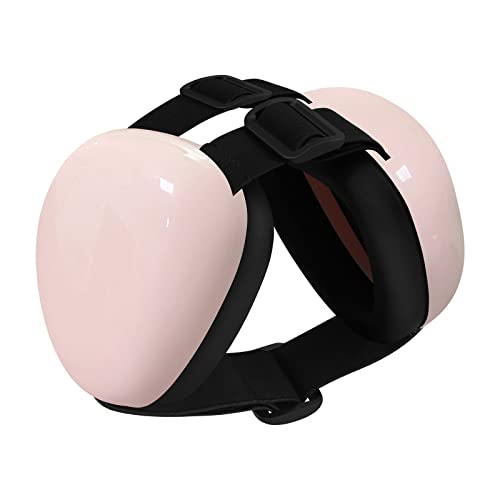
The derYEP earmuffs stand out because the listing gives a 29dB NRR figure and offers a small pink version. Noise Reduction Rating is a useful label, but I would read it with care. Human hearing protectors receive ratings under controlled test conditions, while a dog’s real-world result depends on seal, movement, ear shape, and correct use. The number should guide expectations, not promise a fixed result for every pet.
This option may suit owners who want a clearly stated reduction target for short, supervised sessions. It could be worth considering for fireworks, construction noise, or grooming tools. I would never force it onto a panicked dog or leave it on without checking. If your dog has a history of severe noise fear, ask a veterinarian or qualified behavior professional for a full plan.
Pros:
- Lists a 29dB NRR figure for easier comparison
- Small pink option may suit compact dogs
- Designed for hearing protection rather than decoration
- May help with several loud household triggers
- Does not rely on batteries or wireless parts
- Useful for owners who want a measurable product claim
Cons:
- NRR may not match real use on every dog
- Small size limits the range of suitable pets
- Requires careful fit and close supervision
Dog Ear Muffs Noise Protection

This noise protection model is designed as a general-purpose dog ear muff. It may help take the sharp edge off loud sounds in the home or outside. The broad use case makes it appealing for owners who face more than one problem, such as a dog that fears both the vacuum and fireworks. Its reusable form can stay in a pet emergency kit all year.
I would use this product as one layer in a calm setup. First, create distance from the sound. Next, add a safe crate or room, white noise, and a favorite chew if your dog can eat when stressed. Then introduce the ear muffs during a peaceful moment. The best noise canceling headphones for dogs work better when the dog sees them as comfort, not as a surprise restraint.
Pros:
- General design may suit many noise situations
- Helpful for indoor chores and outdoor events
- Reusable and simple to store
- No electronic parts need charging
- Can work with a safe-room routine
- May provide gentle ear coverage for sound-sensitive dogs
Cons:
- General sizing may require careful checking
- Passive coverage does not create silence
- May need repeated practice before use outdoors
Dog Ear Muffs for Noise Protection, Ear Cover

This ear cover is another straightforward option for dogs that need help with loud surroundings. Its purpose is to cover the ears and reduce the force of unwanted sound. A soft cover may feel less threatening than a large pair of rigid cups. That matters when a dog already feels unsure about new gear.
Before using it for fireworks or storms, I suggest a slow seven-day introduction. Let your dog sniff it on day one, touch it briefly on day two, and reward calm behavior each time. Increase wear time only when the dog stays loose and comfortable. This approach follows the basic principle of gradual desensitization used in humane behavior work.
Pros:
- Simple ear-cover design may be less bulky
- Suitable for planned short noise exposure
- Can support gradual noise training
- No battery or wireless connection to manage
- Useful for grooming and home cleaning
- May help dogs that dislike hard ear cups
Cons:
- Fit can change with long or thick fur
- It cannot block every low or high sound
- Slow introduction is essential for acceptance
ARpaw Dog Ear Muffs, 30dB

ARpaw lists 30dB of noise protection and offers a small size. That published figure may attract owners who want a stronger stated reduction than a basic fabric wrap. As with any ear muff, the real result depends on whether the cups cover the ears well and stay sealed during movement. The product is intended for hearing protection, not entertainment or music playback.
This model may suit a small dog that accepts headwear and needs support during loud but predictable events. I would test it indoors first, then use it for only a short period. Watch the dog’s eyes, ears, breathing, body tension, and attempts to remove the product. A higher number on the package never outweighs a poor fit or visible distress.
Pros:
- Lists 30dB noise protection
- Small size may suit small-breed dogs
- Designed for hearing protection use
- Could help during fireworks and thunder
- Useful around vacuums and grooming dryers
- Passive design avoids battery failure
Cons:
- Small size is not suitable for every dog
- Published dB results may vary in real use
- Close monitoring is needed during wear
What to Look for in the Best Noise Canceling Headphones for Dogs
When I review dog ear muffs, I start with fit instead of marketing words. A product can claim noise cancellation, but a gap around the ear will let sound in. Measure the dog’s head as the listing shows, and consider fur, floppy ears, and the dog’s normal panting. The cover should sit securely without squeezing the jaw or neck.
Next, check the material. Soft padding can reduce rubbing, while breathable fabric may help prevent heat buildup. Avoid any product that blocks the nose, covers the eyes, or interferes with drinking. A dog should still move, pant, and signal discomfort in a normal way.
I also look at adjustment. Straps should hold the muffs in place but should not need extreme tension. A no-shake design sounds useful, yet “no shake” should never mean tight enough to cause pain. The best noise canceling headphones for dogs balance stability with freedom.
Noise reduction claims need careful reading. Most products in this category are passive ear muffs, not active noise-canceling headphones like those made for people. They do not create an opposite sound wave. Instead, they use a barrier and a seal to lower some sound energy, much like earmuffs used in other settings.
A dog’s reaction matters more than a label. Some pets relax when their ears feel covered. Others become more upset because they dislike the new pressure or lose awareness of the room. I recommend pairing the product with reward-based training and stopping if the dog shows fear, heavy distress, escape attempts, or unusual behavior.
How I Evaluate Dog Noise Protection
I compare each option across five practical points: fit, comfort, sound coverage, stability, and daily use. I also separate what the product claims from what an owner can reasonably expect. This matters because a dog’s ear shape is not uniform, and a laboratory rating cannot predict every home or storm.
Fit comes first because even the best noise canceling headphones for dogs will fail if they slide off. I prefer products that offer clear size details and simple adjustment. Comfort comes next, since a dog may need to wear the muffs for the length of a storm or grooming session. I look for soft contact points and enough room for natural ear movement.
For sound coverage, I expect reduction, not silence. High, sharp sounds may become less intense, but bass-heavy thunder can still travel through walls and the dog’s body. That is why I recommend using ear muffs with distance, curtains, white noise, and a trusted safe space.
Stability matters during walking, travel, and grooming. However, a product that stays on only because it is very tight is not a good product. I favor a secure but gentle hold, plus a dog that has learned to accept the gear.
My Recommendation
For a medium or larger dog with an 18–22 inch head, the Dog Ear Muffs with No Flap Ear Wraps offer the clearest fit target. For small dogs, the pink and gray small models, derYEP, and ARpaw are the more logical starting points. PAWLYRA is a strong general choice for owners who want a premium-style cover for repeat use.
In my view, the best noise canceling headphones for dogs are not the pair with the boldest promise. They are the pair your dog accepts, wears safely, and can use alongside a calm environment. Measure first, train early, and watch your pet every time.
| Best for | Why |
|---|---|
| Small dogs with planned noise triggers | Small pink or gray ear muffs offer compact coverage and adjustable fit. |
| Dogs with a head size of 18–22 inches | The no-flap ear wrap gives a clear size range and a secure wrap style. |
| Owners wanting stated noise ratings | derYEP lists 29dB NRR, while ARpaw lists 30dB, though real results vary. |
How to Introduce Dog Ear Muffs Safely
Do not put dog ear muffs on for the first time during fireworks. That is like asking someone to wear new hiking boots during a race. Let your dog inspect the product while it rests on the floor. Give a small treat when your dog sniffs it or looks at it calmly.
After that, touch the muff to the shoulder, cheek, or neck for one second. Reward calm behavior, then remove it. Repeat until your dog ignores the touch. Only then place it over the ears for a few seconds.
Build time in small steps. Try ten seconds, then thirty seconds, then one minute. Keep the session easy and end before your dog becomes upset. If the dog paws, shakes hard, hides, freezes, or tries to bite the product, go back to the earlier step.
Once your dog accepts the muffs, add a mild sound at a low level. Never turn up the volume to test the product. The goal is calm learning, not a forced exposure. Reward relaxed body language and provide a way to move away from the sound.
When Dog Noise-Reducing Headphones Make Sense
Dog ear muffs can make sense during short, predictable events. Examples include a vacuum cleaner, hair dryer, grooming appointment, road trip, airplane cabin, construction work, and neighborhood fireworks. They may also help a dog that startles at sudden indoor sounds.
They are less useful when the dog is already in full panic. A panicked pet may fight the product, hurt the skin, or become more fearful. In that case, first create distance and safety. Speak with a veterinarian if the reaction is strong, new, or getting worse.
Dogs with ear infections, skin wounds, recent ear surgery, or pain need special care. Do not cover a sore ear without veterinary advice. Moisture and heat inside a cover can also worsen some skin problems. Check the ears after use and keep the product clean and dry.
What Dog Ear Muffs Cannot Do
It is important to set a fair expectation. Dog ear muffs cannot make a thunderstorm disappear. They cannot stop a dog from seeing lightning, feeling vibration, or noticing changes in air pressure. They also cannot solve separation anxiety, pain, or a fear disorder by themselves.
Even the best noise canceling headphones for dogs only address part of the problem. Think of them as an umbrella, not a roof. They may reduce some exposure, but your dog still needs shelter, comfort, and a plan.
Never use ear protection to keep a dog near a dangerous sound. Do not take a fearful dog to a fireworks display simply because the dog wears muffs. Keep pets indoors during fireworks, secure doors and windows, and update identification details before high-noise holidays.
Cleaning and Storage Tips
Read the care instructions before washing any dog ear muff. Many fabric products can be wiped with a damp cloth, but not all can go in a washing machine. Avoid strong scents, bleach, and harsh cleaners that may bother a dog’s nose or skin.
Let the muffs dry fully before storage. Damp fabric can smell and encourage skin trouble. Check the seams, straps, padding, and ear openings each time you use them. Replace the product if it becomes cracked, stretched, rough, or too small.
Store the muffs near your dog’s safe area, not in a deep drawer. Easy access helps you prepare before the noise begins. I also suggest keeping treats, a leash, a favorite blanket, and white-noise equipment in the same place.
FAQs Of best noise canceling headphones for dogs
Do dog headphones fully cancel loud noise?
No. Most dog headphones are passive ear muffs, not electronic active noise-canceling devices. They may lower or soften some sound, but dogs can still hear thunder, fireworks, and other loud noises.
Are noise canceling headphones safe for dogs?
They can be safe when they fit well and your dog accepts them. Supervise every use, keep the nose and eyes clear, and remove the product if your dog shows pain, panic, overheating, or escape behavior.
How do I measure my dog for ear muffs?
Follow the seller’s measurement guide. Usually, you measure around the head near the ears and compare that number with the listed size. Consider ear shape, coat thickness, and room for normal panting.
Can my dog wear ear muffs during fireworks?
Yes, if your dog learned to wear them before the event. Keep your dog indoors in a secure room, close windows, and use the muffs as one part of a wider calming plan.
Should I ask a vet about my dog’s noise fear?
Yes, especially if your dog shakes, injures itself, escapes, stops eating, or stays distressed for a long time. A veterinarian can check for medical issues and suggest safe behavior support.
Final Verdict: Which Should You Buy?
For a clear fit, I would start with the no-flap wrap for 18–22 inch heads. Small dogs can try the pink, gray, derYEP, or ARpaw options. PAWLYRA is a good general pick for repeat use.
The best noise canceling headphones for dogs should fit gently and support a full safety plan. Introduce them early, supervise every session, and shop by comfort rather than bold claims.

Everett Ashford is a tech reviewer at mytechgrid.com specializing in SSDs, cameras, TVs, earbuds, headphones, and other consumer electronics. He provides honest, data-driven reviews based on hands-on testing and real-world performance analysis. Everett simplifies complex tech details to help readers make smart, confident buying decisions.