Introduction
Yes, people nearby can sometimes hear bone conduction headphones, but the sound is usually faint. This is most likely in a quiet place, when the headphones sit loosely, or when you use a high volume.
For most people in the United States, bone conduction headphones are quiet enough for running, commuting, office work, and outdoor use. They are not fully silent, though. The sound may be noticeable to someone sitting very close to you.

What Are Bone Conduction Headphones?
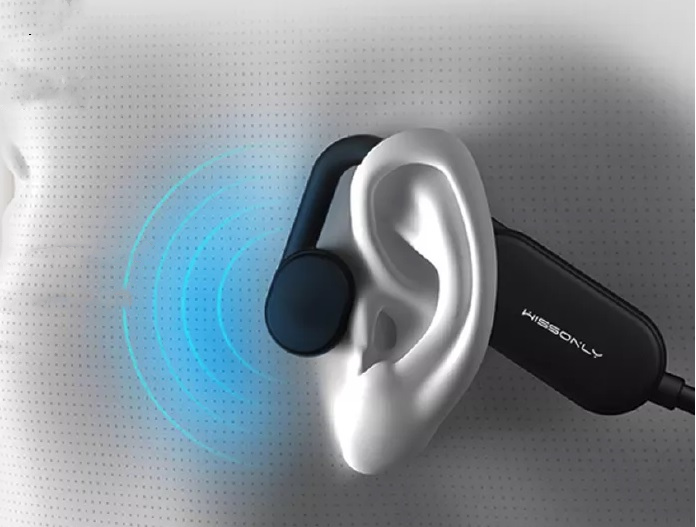
Bone conduction headphones send sound through vibrations in the bones around your ears. The vibrations travel through the skull to the cochlea, the part of the inner ear that processes sound.
Unlike regular earbuds, they do not seal or cover the ear canal. This lets you hear traffic, coworkers, alarms, and other sounds around you.
The headphones usually rest near the cheekbones, just in front of or above the ears. Small transducers create the vibrations. Some of that energy also moves through the air, which creates the sound that another person may hear.
This is why “bone conduction” does not mean “soundproof” or “completely private.”
How Much Sound Can Other People Hear?
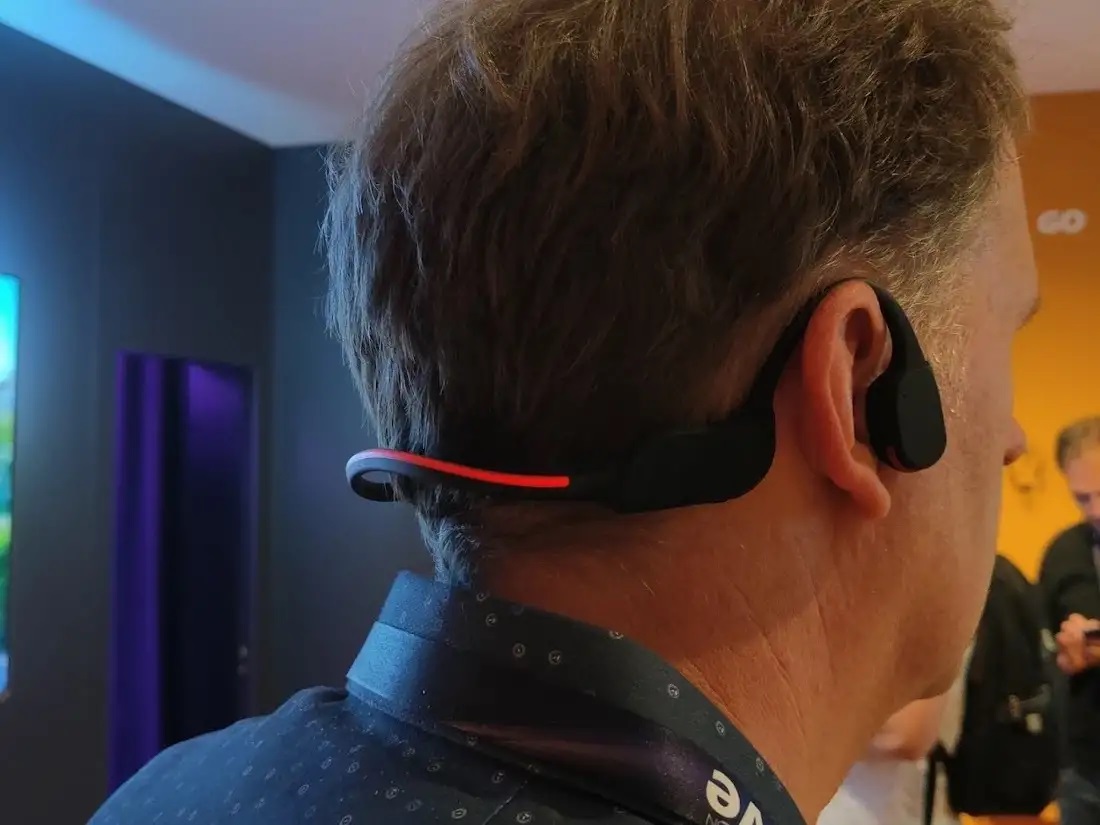
Most people hear bone conduction headphones only when they are close to the wearer. The amount of sound depends on several factors:
- Volume: Higher volume creates stronger vibrations and more audible sound.
- Fit: A loose fit can let more sound escape.
- Distance: Someone beside you may hear more than someone several feet away.
- Background noise: A quiet room makes leakage easier to notice.
- Headphone design: Different transducers and frames produce different levels of leakage.
- Audio type: Speech, sharp treble, and high-pitched music may be easier to hear than bass-heavy audio.
- Physical contact: Hair, glasses, hats, and the shape of your head can change the fit.
In a busy gym or on a city sidewalk, other people may not notice anything. In a quiet library, a nearby person may hear a soft buzz or a faint version of the music.
A simple distance guide
This table gives a practical idea of what to expect. It is not a laboratory measurement, because sound leakage varies by model, volume, and fit.
| Situation | What another person may notice |
|---|---|
| Person several feet away in a busy area | Usually nothing |
| Coworker sitting nearby in a normal office | Possibly a faint sound at high volume |
| Person sitting next to you in a quiet room | May hear music or speech |
| Person standing very close to the headphones | More likely to hear a buzz or faint audio |
| Quiet room with volume near maximum | Noticeable leakage is possible |
The key point is simple: bone conduction headphones are more discreet than speakers, but less private than sealed earbuds.

Why Do Bone Conduction Headphones Leak Sound?
Bone conduction headphones leak sound because the transducers do not send every bit of energy only through the bones.
The vibrating parts press against the skin and bones near the ears. This creates the main listening path. But the transducers also move air around them. That movement produces a small amount of airborne sound.
Some vibration may also reach the outer ear and ear canal. The listener may then hear both the bone-conducted signal and a small amount of ordinary sound.
The effect is similar to turning down a small speaker. Most people will not hear it from across a room, but someone close by may notice it.
Bone conduction is not the same as noise isolation
Traditional earbuds send sound into the ear canal. If they create a good seal, they can reduce outside noise and keep more of the audio private.
Bone conduction headphones leave the ear open. This gives you better awareness of your surroundings, but it also means:
- Outside sound reaches your ears easily.
- The headphones cannot fully contain their own sound.
- People nearby may hear a little audio in quiet settings.
This trade-off is central to the design. Open ears improve awareness, while sealed earbuds usually provide better privacy.

When Are Bone Conduction Headphones Most Audible?
Bone conduction headphones are most likely to be heard by others under these conditions:
1. The volume is too high
Volume is the biggest factor. As you raise the volume, the transducers vibrate more strongly. More energy can then escape as airborne sound.
High volume also creates a hearing risk. The World Health Organization warns that loud sound can damage hearing over time, especially with long exposure. The WHO safe listening guidance recommends reducing both sound level and listening time.
2. The room is very quiet
A faint sound can disappear in traffic, a coffee shop, or a gym. The same sound may stand out in a quiet office, bedroom, or study room.
This is a masking effect. Background noise covers low-level leakage, while silence makes it easier to detect.
3. The headphones do not fit well
The transducers should sit in the position described by the manufacturer. If they sit too far forward, too high, or away from the skin, the sound may become weaker for you and more audible to others.
A poor fit can also tempt you to increase the volume. That may increase leakage and raise the risk of hearing damage.
4. Someone is very close
A person next to you may hear a faint buzz even when people farther away hear nothing. This matters most in shared offices, airplanes, libraries, classrooms, and quiet medical or professional settings.
5. The audio contains bright or sharp sounds
High-pitched sounds can be easier to detect than deep bass. Spoken words, cymbals, beeps, and high notes may leak in a more noticeable way.

How to Make Bone Conduction Headphones Quieter to Others
You cannot remove all sound leakage, but you can usually reduce it.
1. Lower the volume
Start with the lowest level that lets you hear clearly. If you need maximum volume to understand music or speech, check the fit before turning it up further.
A useful rule is to reduce the volume when you enter a quiet place. You may not need the same level indoors that you use outdoors.
2. Adjust the position
Place the transducers where the manufacturer recommends. They should make steady contact with the skin near the cheekbones or temples, depending on the design.
Do not press them painfully hard. Pressure may improve contact for some people, but discomfort is a sign to stop and adjust the fit.
3. Use a smaller volume in quiet places
Do a quick privacy check before entering a library, meeting, or quiet office:
- Play audio at your normal level.
- Ask a trusted person to stand beside you.
- Lower the volume until they can no longer hear it clearly.
- Repeat the check with speech and music if you use both.
This is a practical check, not a precise sound-level test. A person’s hearing, the room, and the audio recording can change the result.
4. Keep the headphones clean
Sweat, skin oils, and dirt can affect contact with the skin. Clean the surfaces according to the manufacturer’s instructions. Do not use liquids that could enter charging ports or controls.
5. Choose a different design when privacy matters
If you need confidential listening, bone conduction may not be the best option. Consider:
- Sealed in-ear headphones
- Over-ear headphones
- Headphones with a low-leakage design
- A wired earpiece used at a safe volume
- Captions or text for private speech content
Noise-canceling headphones may reduce outside noise, but noise cancellation does not automatically prevent sound leakage. The ear-cup seal and headphone design still matter.

Are Bone Conduction Headphones Safe for Your Hearing?
Bone conduction headphones can still expose your inner ear to loud sound. The fact that they do not sit inside the ear canal does not make unlimited volume safe.
The cochlea receives the sound signal whether it arrives mainly through the ear canal or through bone vibration. The risk depends on factors such as loudness, listening time, and how often you use the headphones.
The National Institute for Occupational Safety and Health provides information on noise exposure and hearing conservation through its noise and hearing loss resources. The Occupational Safety and Health Administration also explains workplace noise hazards in its occupational noise exposure guidance.
Use these safety habits:
- Keep the volume as low as practical.
- Take regular listening breaks.
- Do not use high volume to overcome loud traffic or machinery.
- Stop if you notice ringing, muffled hearing, pain, or unusual sensitivity.
- Move away from loud machinery instead of relying on headphones alone.
- Seek medical advice if symptoms continue after you stop listening.
Bone conduction headphones also have an important safety limit: they do not block outside sound. This can help you hear cars and people, but it does not make every environment safe. You still need to watch for traffic, bikes, trains, construction equipment, and other hazards.
Bone Conduction Headphones vs. Regular Earbuds
The better choice depends on your main need.
| Feature | Bone conduction headphones | Sealed earbuds |
|---|---|---|
| Ear canal blocked | No | Usually yes |
| Awareness of outside sounds | High | Low to moderate |
| Sound leakage | Possible at close range | Often lower with a good seal |
| Privacy | Moderate to low | Usually better |
| Comfort in the ear canal | No ear-canal pressure | May cause pressure for some users |
| Use near traffic | Outside sound remains audible | Outside sound may be reduced |
| Hearing safety | Still depends on volume and time | Still depends on volume and time |
| Best fit | Outdoor awareness and open ears | Private listening and stronger isolation |
Bone conduction headphones are often useful for outdoor activities and situations where you need to hear your surroundings. Sealed earbuds are usually better for private listening, travel, or quiet shared spaces.
Neither type is automatically safer. Excessive volume can harm hearing with either design.
How to Test Whether Others Can Hear Your Headphones
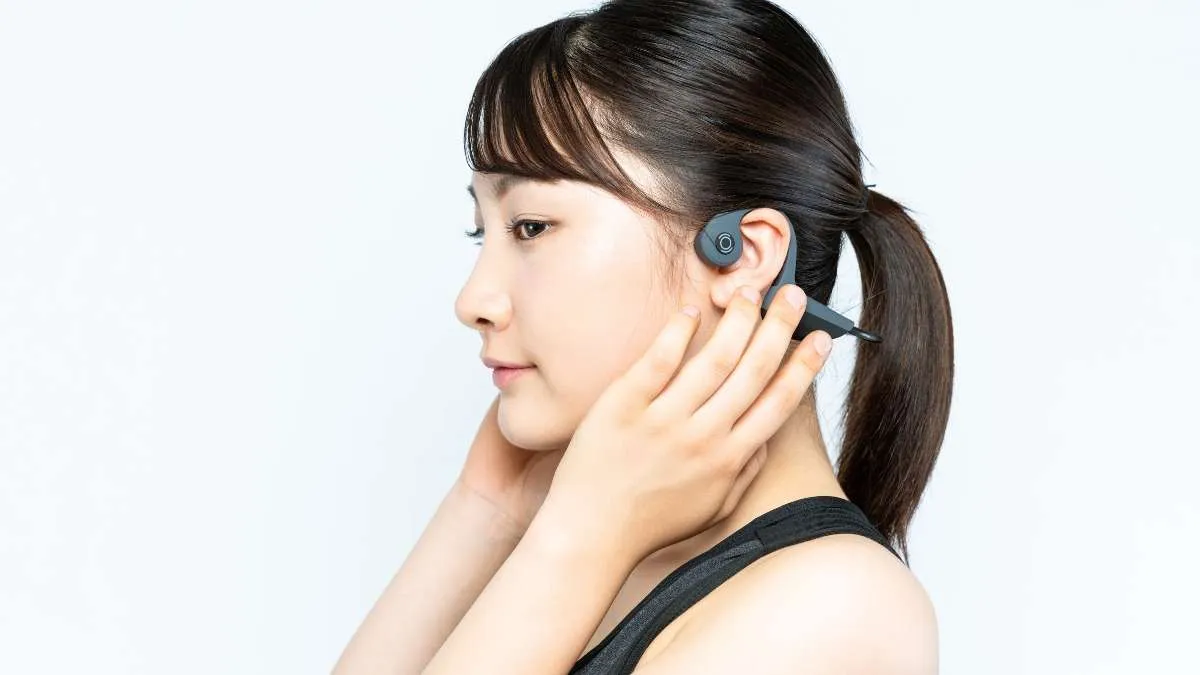
A simple test can help you decide if your headphones are suitable for a specific setting.
Step 1: Pick the real listening environment
Test in a room similar to the place where you plan to use the headphones. A quiet bedroom will give a different result from a noisy street.
Step 2: Use your normal volume
Do not test only at a very low level. Use the level you normally choose, then test again at the highest level you might use.
Step 3: Ask someone to stand at different distances
Have the person stand:
- Beside you
- About one arm’s length away
- A few feet away
Ask what they can hear. Do not ask only whether they hear “something.” Ask whether they can identify speech, music, or a buzz.
Step 4: Test different content
Try music, spoken audio, and a podcast. Speech may be easier to recognize than music.
Step 5: Lower the volume if leakage is clear
If the other person can follow the words or identify the song easily, use a lower volume or another type of headphone for that setting.
This test checks privacy, not hearing safety. A volume that seems private may still be too loud for long listening.
Common Mistakes to Avoid
Assuming “open ear” means “silent”
Open-ear describes the listening design. It does not mean that no sound escapes.
Turning the volume up to hear detail
Bone conduction audio may sound less full than sealed earbuds, especially in loud places. Raising the volume can increase leakage and hearing risk. A quieter location may solve the problem better.
Wearing the headphones in the wrong position
Poor placement can reduce sound quality and cause you to increase the volume. Adjust the fit first.
Using them for confidential information
Do not assume private content stays private. Avoid sensitive calls, work details, medical information, or passwords when people are close enough to hear the headphones.
Believing outside awareness removes all danger
You may hear a car while wearing bone conduction headphones, but the driver may not see you. Stay alert and use visual checks, especially near roads and driveways.
Key Takeaways
- Yes, bone conduction headphones can be heard by others.
- Leakage is usually faint but becomes more noticeable at high volume or in quiet places.
- A close person may hear a buzz, speech, or music.
- Fit and placement affect both sound quality and leakage.
- Bone conduction headphones are less private than sealed earbuds.
- They can still damage hearing if used too loudly or for too long.
- Lower the volume before entering a quiet or shared space.
- Test the headphones with a trusted person if privacy matters.
Frequently Asked Questions
Can people hear bone conduction headphones from across a room?
Usually not at a normal listening level. A person across a room is unlikely to hear them clearly, especially when there is background noise. Leakage may travel farther when the volume is very high or the room is unusually quiet.
Are bone conduction headphones good for a library?
They may work, but they are not guaranteed to be silent. In a quiet library, someone sitting nearby could hear faint audio. Use a low volume and test the headphones before relying on them in a quiet study area.
Can someone hear my phone call through bone conduction headphones?
They may hear part of the call, especially if the volume is high and they are close to you. The other person on the call will not hear the headphone leakage unless the microphone picks up the sound.
Do bone conduction headphones leak more than earbuds?
They often leak more than well-sealed earbuds because they leave the ear open. However, leakage varies by model, fit, volume, and audio content. Poorly sealed earbuds can also leak sound at high volume.
Can I stop all sound leakage?
No. You can reduce leakage with a better fit and lower volume, but you cannot guarantee complete privacy. Use sealed headphones or another private listening method when confidentiality is essential.
Are bone conduction headphones safer than earbuds?
Not automatically. They may help you remain aware of outside sounds, but loud bone-conducted sound can still stress the hearing system. Safe use depends on volume, listening time, and the noise around you.
Conclusion
Bone conduction headphones can be heard by others, but the sound is usually quiet and limited to people nearby. The main factors are volume, fit, distance, audio type, and background noise.
Use a low volume, place the headphones correctly, and test them in the setting where you plan to listen. Choose sealed headphones instead when private audio matters. Most of all, remember that open ears improve awareness but do not remove hearing or environmental safety risks.

Everett Ashford is a tech reviewer at mytechgrid.com specializing in SSDs, cameras, TVs, earbuds, headphones, and other consumer electronics. He provides honest, data-driven reviews based on hands-on testing and real-world performance analysis. Everett simplifies complex tech details to help readers make smart, confident buying decisions.