Yes, people nearby can sometimes hear bone conduction headphones, but the sound is usually quiet. Most of the music travels through vibrations in your skull to your inner ear. Still, the headphone pads can create a small amount of sound in the air.
In a busy place in the United States, such as a city street, gym, or subway platform, others may not notice it. In a quiet office, library, or shared bedroom, a person sitting close to you may hear faint music, especially if you turn up the volume.
The short answer is this: bone conduction headphones are more private than speakers, but they are not fully silent to people around you.

How bone conduction headphones make sound
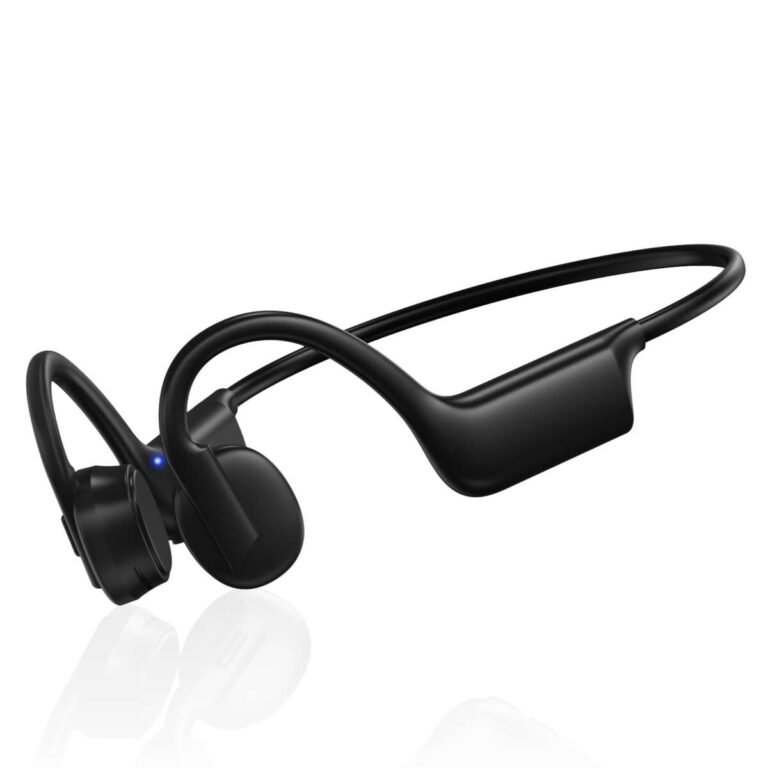
Bone conduction headphones send sound through vibrations rather than placing a speaker inside or over your ear.
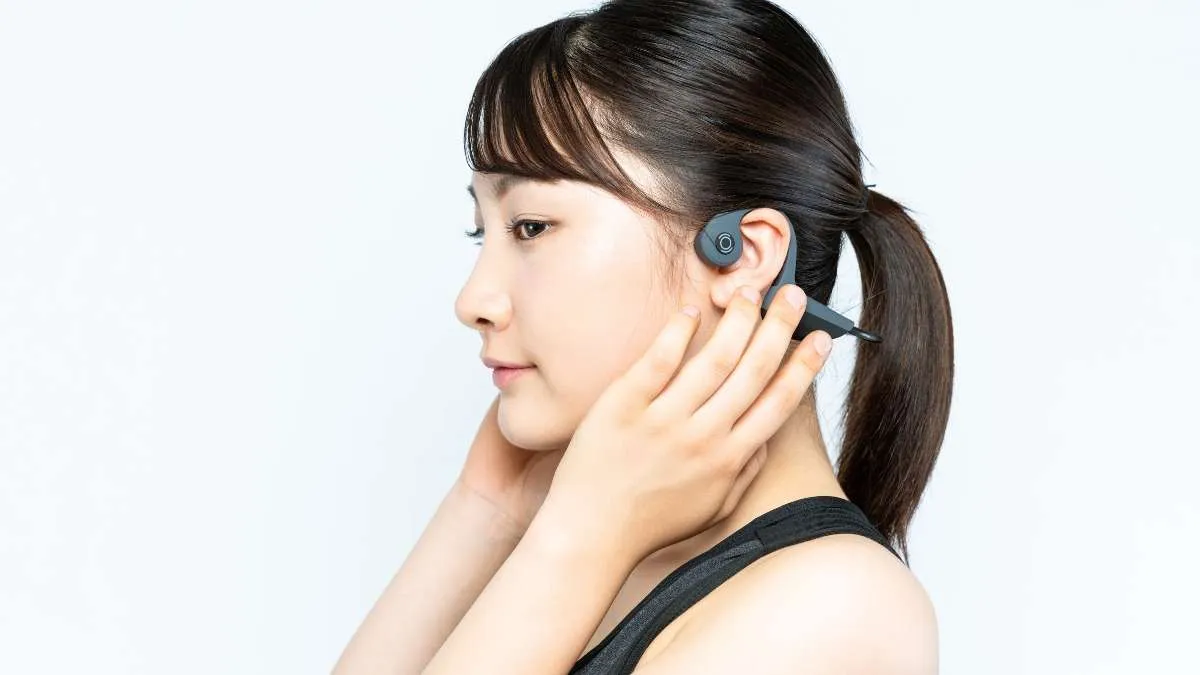
Small transducers rest near the cheekbones, usually in front of the ears. They vibrate the skin and bones of the head. Those vibrations travel to the cochlea, the inner-ear organ that changes sound into nerve signals.
This design leaves the ear canals open. You can hear your music while also hearing traffic, voices, alarms, and other sounds around you.
That differs from common headphones:
- In-ear headphones send sound through small speakers inside the ear canal.
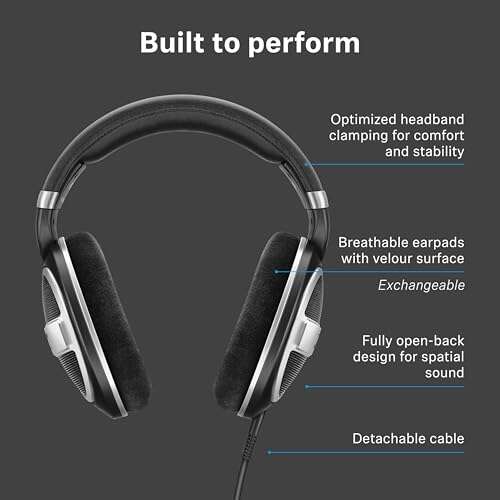
- Over-ear headphones send sound through speakers beside the ears.
- Open-ear air-conduction headphones use small speakers near the ears.
- Bone conduction headphones use vibrations through the head.
The term “bone conduction” does not mean that every bit of sound stays inside your head. Some sound can escape from the vibrating transducer into the air. The plastic frame may also carry small vibrations that other people can hear.
Why can people hear bone conduction headphones?
People nearby may hear bone conduction headphones for three main reasons.
1. The transducers also move the air
A vibrating surface can create sound waves in the air. Bone conduction transducers are made to press against your head, but they are not sealed sound sources.
When the volume rises, the vibration often becomes stronger. More vibration can mean more sound leakage.
2. The frame can carry vibration
The band that connects the two sides of the headphones may vibrate. Some of that energy can travel through the frame and reach the air.
This effect varies by design. A firm fit may improve the sound you hear, but it can also make the device easier to hear from very close range.
3. Sound leakage is easier to notice in quiet rooms
A faint sound may disappear under normal background noise. In a silent room, the same sound can stand out.
Distance also matters. Someone sitting next to you may hear a little sound. Someone several feet away is much less likely to hear it.
How loud are bone conduction headphones to other people?
There is no single leakage level for every model. The result depends on the headphone design, fit, volume, music, and room.
A useful rule of thumb is:
| Situation | What another person may hear |
|---|---|
| Low volume in a busy street | Usually nothing noticeable |
| Medium volume in a quiet office | possibly a faint, unclear sound |
| High volume in a silent room | Music may be noticeable at close range |
| Person sitting right beside you | More likely to hear leakage |
| Person several feet away | Less likely to hear anything clear |
These are practical expectations, not guaranteed measurements. Manufacturers use different transducers and materials, and music varies. A song with strong vocals or sharp high notes may be easier to notice than soft instrumental music.
Bone conduction headphones are not designed to provide complete sound privacy. If privacy is your top goal, sealed in-ear headphones usually leak less sound at the same perceived listening level.

What affects whether others can hear them?
The volume setting is the biggest factor, but it is not the only one.
Volume
High volume makes leakage more likely. It can also raise the risk of hearing damage. If people nearby can clearly identify your song, the volume is probably too high for a private setting.
Fit and placement
Bone conduction headphones should sit on the cheekbones in the position stated by the maker. If the transducers sit away from the head, you may hear less bass and turn up the volume to compensate.
A poor fit can therefore cause two problems:
- You may hear more leakage.
- You may raise the volume to hear the music better.
Distance
Sound becomes weaker as it travels. A listener one inch away is more likely to hear leakage than someone across a room.
This matters in places such as:
- Airplane seats
- Shared workstations
- Library study tables
- Medical waiting rooms
- Hotel rooms
- Quiet classrooms
Background noise
Traffic, air conditioning, gym music, and conversation can mask faint leakage. This does not mean the headphones leak less. It only means the room makes the sound harder to notice.
Headphone model
Some models use stronger or larger transducers. Others use different pads, bands, or vibration controls. Product specifications may describe the technology, but they do not always show how much sound a nearby person will hear in real use.
The audio itself
Speech, cymbals, and high-pitched tones can be easier to hear outside the headphones. Heavy bass may also create noticeable vibration, even when the music is not clear.
A simple way to test sound leakage
You can test your bone conduction headphones before using them in a quiet public place.
- Play the type of audio you normally use.
- Set the volume to your usual level.
- Ask someone to stand or sit beside you.
- Have them listen in a quiet room.
- Repeat the test at a lower and higher volume.
- Ask whether they can identify the words or music.
Test the headphones at the distance that matters. For example, use a closer distance if you share a desk. Use a greater distance if you want to know whether someone across a room can hear them.
Do not use a phone recording as a perfect test. Phone microphones change the sound and may not match what a person hears.
The test is successful when the other person hears little or nothing at your normal volume. If they can follow the song or understand spoken audio, reduce the volume or use a more private headphone type.
Are bone conduction headphones good for private listening?
Bone conduction headphones are useful when you need to stay aware of your surroundings. They are less suitable when you need strong privacy.
They may work well for:
- Outdoor walking
- Cycling where legal and safe
- Running
- Work that requires awareness of alerts
- Hearing conversation while listening to audio
- People who cannot comfortably wear in-ear headphones
They may not work well for:
- Quiet offices
- Libraries
- Shared hotel rooms
- Private calls in public
- Listening to confidential audio
- Music at high volume
For private calls, nearby people may hear the other person’s voice through leakage. They may also hear your side of the conversation if you speak aloud.
Bluetooth adds another privacy point. A bone conduction headset can send audio privately from your phone to the headset, but that does not stop nearby people from hearing sound that escapes from the transducers.
Bone conduction headphones compared with other types
The best choice depends on whether you value awareness, privacy, comfort, or isolation.
| Headphone type | Awareness of surroundings | Sound privacy | Common trade-off |
|---|---|---|---|
| Bone conduction | High | Low to moderate | Some sound leakage |
| Open-ear air conduction | High | Low to moderate | Sound may be audible nearby |
| In-ear sealed | Low to moderate | High | Can block outside sound |
| Over-ear closed-back | Low to moderate | Moderate to high | Larger and warmer |
| Phone or speaker | High | Very low | Everyone nearby can hear it |
This comparison is general. Earbud fit, ear shape, volume, and model design can change the result.
If you need to hear cars or people, bone conduction can be a reasonable option. If you need others to hear nothing, choose a well-sealed in-ear or closed-back model and keep the volume at a safe level.
Can bone conduction headphones damage hearing?
Bone conduction headphones can still expose your inner ear to loud sound. The path is different, but the cochlea remains the part that receives the sound signal.
Leaving the ear canals open does not make loud listening harmless. The Centers for Disease Control and Prevention and the National Institute for Occupational Safety and Health warn that loud sound can harm hearing over time.
Watch for signs that your volume may be too high:
- Ringing after listening
- Muffled hearing
- Ear discomfort
- Needing to raise the volume often
- Difficulty hearing speech after use
Lower the volume and take breaks if these signs occur. If ringing, pain, or muffled hearing continues, contact a licensed medical professional or hearing-care provider.
Bone conduction headphones also do not replace hearing protection. They do not protect your ears from construction noise, firearms, engines, concerts, or other hazardous sound. In a loud workplace, follow the hearing-protection rules set by your employer and use approved protection when required.
How to make bone conduction headphones less noticeable
You cannot remove all leakage, but you can reduce it.
- Keep the volume as low as you can while still hearing clearly.
- Position the transducers correctly on your cheekbones.
- Use well-fitting headphones that do not need excessive volume.
- Avoid playing music loudly in silent rooms.
- Use a lower-volume setting for speech and podcasts.
- Move away from people who need quiet.
- Use sealed headphones when privacy matters.
- Avoid relying on noise-canceling features for safety awareness.
Do not cover the transducers with tape, clothing, or other material. That can change the fit and may make you turn up the volume. It may also interfere with the device or cause discomfort.
Common mistakes to avoid
Assuming “open ear” means “no one can hear it”
Open-ear and bone conduction designs let you hear outside sounds. They do not guarantee that your audio stays private.
Turning up the volume to overcome traffic
In a loud setting, raising the volume may make leakage and hearing risk worse. Move to a quieter location when possible.
Treating them as hearing protection
Bone conduction headphones do not block dangerous sound. Use suitable hearing protection in loud environments.
Testing only in a noisy place
A device that seems private outdoors may be easy to hear in a quiet room. Test it in both conditions.
Ignoring other people’s feedback
If someone beside you says they can hear your music, believe that report. Human hearing can detect leakage that may not seem obvious to the wearer.
Frequently asked questions
Can people hear bone conduction headphones in a quiet room?
Yes. A nearby person may hear faint music, speech, or tones, especially at medium or high volume. At low volume, they may hear nothing distinct.
Can people hear bone conduction headphones in public?
Usually, background noise makes leakage hard to notice. However, someone sitting close to you may still hear it. Public places are not automatically private.
Are bone conduction headphones quieter to others than earbuds?
Often, yes, compared with poorly sealed or high-volume earbuds. But the answer depends on the model and volume. Sealed earbuds usually provide better privacy than bone conduction headphones.
Can someone hear my phone call through bone conduction headphones?
They may hear the other person’s voice if sound leaks from the transducers. They may also hear your spoken replies. Use a lower volume and avoid private calls in quiet shared spaces.
Do bone conduction headphones work without touching the skull?
They may produce some airborne sound, but their main effect depends on contact with the head. If the transducers do not sit correctly, sound quality may drop and you may raise the volume.
Can bone conduction headphones be used in traffic?
They can help you remain aware of nearby sounds, but they do not make outdoor listening risk-free. Follow local traffic laws, stay alert, and never assume that hearing music guarantees that you will detect every vehicle or warning signal.
The bottom line
People around you can hear bone conduction headphones, but the sound is usually faint and depends on volume, distance, fit, model, and background noise. They are a good choice when you want to hear your surroundings, but they are not the best choice for private listening.
For less leakage, lower the volume, fit the transducers correctly, and test the headphones in a quiet room. For confidential audio, use sealed in-ear or closed-back headphones instead. Always keep listening levels moderate, and remember that bone conduction headphones do not protect your hearing from loud environments.
Further reading
- CDC: Preventing Noise-Induced Hearing Loss
- NIOSH: Noise and Hearing Loss Prevention
- NIDCD: Noise-Induced Hearing Loss
- FDA: Hearing Aids and Personal Sound Amplification Products

Everett Ashford is a tech reviewer at mytechgrid.com specializing in SSDs, cameras, TVs, earbuds, headphones, and other consumer electronics. He provides honest, data-driven reviews based on hands-on testing and real-world performance analysis. Everett simplifies complex tech details to help readers make smart, confident buying decisions.